How CNC Machining Supports Prototype-to-Production?
By providing constant accuracy, material flexibility, and scalable manufacturing capabilities, CNC machining serves as a crucial link in the prototype to production process. CNC technology makes it easy to go from making samples to mass production while still meeting strict quality standards. This is in contrast to traditional manufacturing methods that often have trouble with repeatability and complex shapes. This advanced production method allows for quick changes to designs, shortens the time it takes to get a product on the market, and gives engineering teams the confidence to use their innovations in a wide range of fields, from cars and planes to medical devices and electronics for everyday use.
Understanding the Prototype-to-Production Process
The process from concept to production is one of the hardest parts of making a new product because it includes many important steps that determine how well the product will sell. This process starts with confirming the idea and continues with improving the design, trying its functionality, confirming its viability in the market, and finally increasing its production levels to meet high demand. At each stage, there are different problems that need to be carefully coordinated between the research teams, the people who buy the materials, and the manufacturing partners.
Modern businesses are under more and more pressure to speed up their development processes while still keeping high quality standards. The usual method of developing things in stages often leads to bottlenecks that make it take longer to get to market and cost more to build. Engineering teams have to make tough choices about which materials to use, how to make things, and how to keep an eye on quality, all of which can affect the performance of prototypes and the ability to make more of them.
Design Validation and Testing Requirements
During the prototyping process, product validation includes thorough testing to make sure that ideas meet standards for safety, performance, and durability. Early on in the development process, engineering teams must make sure that prototypes can work in the real world and figure out how they might fail. This validation process gets very complicated when working with pieces or parts made of more than one material that need to fit into current systems.
During the testing phase, changes to the design that make it work better but might make it harder to make are often found. To meet all of these different needs, design engineers and factory professionals who know the limits and possibilities of production must work together closely. Testing prototypes well lowers the chance of having to make expensive changes to the design as production ramps up.
Material Selection and Performance Optimization
To choose the right materials for making a prototype, you need to know what you need for both short-term testing and long-term production. Materials that work well in prototypes might not be good for mass production because they are too expensive, hard to get, or can't be processed in a certain way. Engineering teams have to think about things like mechanical qualities, resistance to the climate, following the rules, and the security of the supply chain.
Advanced materials often have better performance qualities, but they may need to be processed in a certain way, which can affect how large a production run can be. When choosing materials, it's important to find a balance between performance needs and the ability to make the product. This way, sample ideas can be used effectively in production settings.
Limitations of Traditional Manufacturing Methods in Prototype-to-Production
When moving from a prototype to production, traditional ways of making things often make things a lot harder, especially when there are complicated shapes or tight tolerance requirements. Manual construction methods are good for testing ideas at the beginning, but they aren't always consistent or repeatable enough for large-scale production. As businesses try to grow while keeping quality standards high, these problems become more noticeable.
Traditional modeling methods usually involve steps that take a lot of time and limit the number of times a design can be changed. Traditional machine shops often need a lot of time to set up each change to a design, which can cause delays that can make development take a lot longer than planned. Not being able to quickly change designs based on test results limits innovation and could lead to products that don't work as well as they could.
Inconsistent Quality and Repeatability Issues
Individual parts made with traditional methods are often not the same, which makes it hard to set solid quality standards for mass scaling. When things are done by hand, mistakes can happen, which can affect the accuracy of measurements and the regularity of the surface finish. This variety makes it hard to confirm how well a design works, since test results might show problems with the way the product was made instead of the design's real features.
Using traditional methods, it gets harder and harder to keep an eye on quality as production numbers rise. Because there isn't any automated process control, each operator may have a different idea of how to read the specs. This can cause differences between parts that build up over time. These differences can cause problems with installation, differences in performance, and higher insurance costs.
Extended Lead Times and Production Bottlenecks
Usually, the old ways of making things need more work and take longer to set up. This leads to delays that lengthen the development process overall. More than one machine may be needed to work on complicated parts. This can make things take longer and increase the chance of making a mistake. Design changes often mean that whole manufacturing methods have to be started over because traditional processes work in steps. This makes the change from prototype to production harder and takes more time.
When using old methods, it can take weeks or months to get specialized tools or fittings, which makes supply chain connections more important. If you can't quickly adapt to changes in design or materials, it can cause big delays in development projects, and getting products to market faster is important for business success.
How CNC Machining Enhances the Prototype-to-Production Journey
The prototype-to-production process is changed by CNC cutting technology, which offers accuracy, repeatability, and material flexibility that traditional methods can't match. CNC systems can be programmed to make changes to designs quickly while keeping quality standards high throughout the development process. This feature is especially useful for fields that need to work with tight specs and complicated shapes that are hard to make with normal methods.
CNC machining's digital process makes the change from the pilot phase to the production phase smooth. CAD models can be directly turned into manufacturing directions, which gets rid of many of the mistakes that come up when engineering sketches are read by hand. This continuous digital connection makes sure that the prototype's features accurately match the production's abilities. This lowers the risk of quality problems caused by growing.
Superior Precision and Dimensional Accuracy
With CNC cutting, measurements are usually accurate to within ±0.005 inches or better, though this depends on the material and how complicated the part is. With this level of accuracy, engineering teams can be sure that the design will work as planned, since testing on prototypes closely matches testing on production parts. It's easier to collect solid data for design validation studies when tolerances stay the same across multiple sample versions.
You can track things in modern CNC systems in real time to find and fix problems like tool wear, temperature growth, and other things that could affect the part's quality. These built-in quality control systems make sure that every part meets the standards without the need for a person to carefully check each one by hand. This cuts down on the time it takes to test from prototype to production while still maintaining high standards of quality.
Material Versatility and Application Range
CNC cutting can be used on a wide range of materials, from industrial plastics and aluminum alloys to rare metals and composites. Because of this, engineering teams can make prototypes using materials that are meant to be used in production. This makes sure that testing results correctly predict how the product will work in production. Working with more than one material in the same manufacturing system makes managing the supply chain easier and lowers the requirements for qualifying vendors.
Specialized CNC methods, like high-speed cutting and multi-axis processing, make it possible to make parts with more shapes and finishes on the outside. These features make it possible to make complicated parts that would be impossible or too expensive to make using old methods. They also open up new design options that can give companies an edge in the market.
Rapid Design Iteration Capabilities
Flexibility in CNC code lets design changes be made quickly, without having to buy new tools or make a lot of changes to the setup. Within short time frames, engineering teams can try many different versions of a design, which speeds up the optimization process and makes the end product work better. This ability to make changes quickly is especially helpful during the design validation phase, when testing may show performance traits that were not predicted.
Being able to quickly make small amounts of changed parts helps agile development methods, which are based on making things better all the time to drive innovation. Design teams can make small changes and try them over time. This lowers the chance of big design mistakes and keeps the project moving forward throughout its lifecycle.
Best Practices for Integrating CNC Machining into Your Prototype-to-Production Workflow
It takes careful planning and attention to detail to successfully integrate CNC cutting into routines that go from prototypes to production. Engineering teams have to think about things like how to create something so that it can be made, how to choose a source, and how to set up quality control systems. These things can affect both how quickly the product is developed and how much it can be made. Integration that works well makes it easy to move from one part of development to the next while still meeting quality standards and cost goals.
A big part of the project's success will depend on which industry partners have the right CNC skills and experience. Suppliers need to show that they have the professional skills, quality processes, and ways of talking to people that help teams grow. Through the whole development process, from the prototype to production, partnerships that are open and based on mutual understanding make it easier to solve problems and come up with new ideas.
Design for Manufacturability Implementation
Using design for manufacturability rules that are specific to CNC cutting makes part designs more efficient for production while still meeting useful needs. These rules include things like how easy it is to get to tools, how long it takes to set up, and how much material is used, all of which affect both the cost and quality of making. Early use of DFM standards lowers the chance of having to make expensive changes to the design during production scaling.
When design engineers and CNC code experts work together on prototypes, they can find problems with manufacturing before they affect production schedules. With this proactive method, design changes that make production easier without lowering performance are possible, leading to stronger products that are easier to make regularly.
Quality Control and Process Validation
Setting up strong quality control methods during the sample phase is what makes production go smoothly. When it comes to product reliability, quality systems need to take into account both the size standards and the useful performance traits. Techniques for statistical process control let you keep an eye on how your factory is doing all the time and find quality problems early on.
Process confirmation checks make sure that the settings for CNC cutting always give the same results in different production runs. As part of this validation, tool wear trends, machine stability, and external factors that might affect part quality are all looked at. Documented process factors make it possible to scale up production while keeping the quality standards set during the development of the prototype.
Supply Chain Integration and Vendor Management
Supply chain integration that works well makes sure that CNC cutting fits in with overall output needs and quality goals. When vendors are being qualified, their professional skills, quality systems, and communication methods that help with team growth must be looked at. Manufacturing networks are more stable and fast when they have long-term ties with suppliers based on trust and shared goals.
Supplier development efforts help manufacturing partners make their processes better fit the needs of a certain application. As part of this teamwork, people may be trained on quality standards, special testing methods may be put in place, and custom feedback systems may be created to help project managers reach their goals.
Comparative Insights: CNC Machining and Other Prototype-to-Production Options
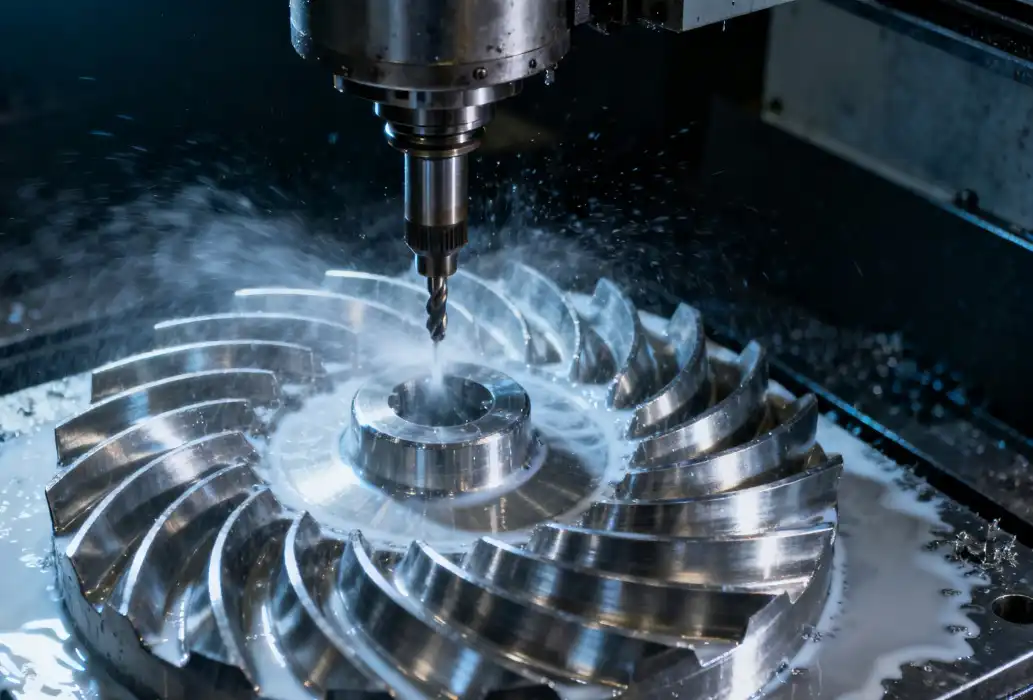
Comparing CNC machining to other ways of making things shows that it has clear benefits in terms of accuracy, material compatibility, and output scalability. While additive manufacturing technologies can be useful in some situations, CNC machining is the best way to make working samples and production parts because it gives the best surface finish and accuracy in measurements. Working with materials meant for production makes sure that testing prototypes correctly predicts how they will perform in production.
When doing a cost analysis, you need to look at both the original costs of making a sample and the long-term effects of increasing production levels. CNC machining may have higher setup costs than 3D printing for simple shapes, but the better material qualities and accuracy in measurements often make these costs worth it for functional validation tasks. CNC cutting is usually better for scaling up production because cycle times are constant and quality control procedures are well-established.
Technology Integration and Digital Manufacturing
These days, CNC systems work well with CAD/CAM tools and digital production networks that make managing work easier. These connections allow programming to be done automatically, output to be watched in real time, and quality data to be collected, all of which help with efforts to keep getting better. Digital production makes development processes more flexible and effective, which speeds up the time it takes to get a product to market.
Advanced modeling software lets CNC programs be tested virtually before they are used for real. This lowers the chance of making mistakes and wasted materials. These modeling features also help with optimizing cutting settings and tool choice, which boosts production efficiency and part quality all the way through.
Industry-Specific Advantages and Applications
CNC machining works especially well in fields that need to meet high quality standards, like aircraft, medical devices, and automobile uses. CNC machining is necessary for safety-critical and regulatory compliance tasks because it can achieve tight limits with approved materials. Precision and recording features that CNC systems offer are often required by quality standards and tracking rules that are specific to an industry.
CNC machining's ability to customize parts makes it possible for low-volume production and specific uses that would not be possible with standard manufacturing methods. Companies can serve niche markets and offer customized solutions that set their goods apart in crowded markets thanks to this level of freedom.
Conclusion
The leap from prototype to production is made possible by CNC cutting, a revolutionary technology. Older methods can't compare to its accuracy, repeatability, and ability to work with different types of materials. Adding CNC powers to the development process speeds up the coming up with of new ideas and makes sure that what was learned from prototypes can be used successfully in production. If you want to be successful, you need to pick your sources carefully, use best practices strategically, and keep trying to get better as you go. Cutting down on the time it takes to make new goods, making them better, and making factories more flexible are all big competitive advantages for companies that use CNC machining well. This helps them reach their long-term growth goals.
FAQ
What are typical lead times for CNC machined prototypes compared to production runs?
CNC machined samples usually take 3–10 working days, but this depends on how complicated the part is and how quickly the material can be sourced. Production runs, on the other hand, can take 2–4 weeks, depending on how many are needed. Lead times are very different depending on the complexity of the design, the tolerances that need to be met, and the supplier's capacity. If you need a prototype quickly, rush services can cut the time it takes to make one to 24 to 48 hours, but this may affect how much it costs.
How does CNC machining handle complex geometries and tight tolerances?
CNC machining is great at making complicated shapes because it can work on multiple axes and use advanced tooling techniques to get to hard-to-reach areas. For many uses, tolerances of within ±0.001 inches are possible, though it depends on the material and the size of the part. Complex features like undercuts, angled holes, and complex surface shapes can be made in a single setup, which keeps the dimensions straight and cuts down on the need for assembly.
When should teams choose CNC machining over 3D printing for prototypes?
When functional testing needs materials that are meant to be used in production, tight specs, or better surface finishes, CNC cutting is the best way to go. Most of the time, CNC machining is better than additive manufacturing when it comes to metal parts, high-stress settings, or legal regulations. Think about CNC machining when the performance of a sample needs to correctly predict the performance of the final product or when parts will be put through a lot of mechanical testing.
Transform Your Development Process with BOEN Prototype CNC Manufacturing Solutions
BOEN Prototype focuses on precise CNC machining services that get your prototype to production manufacturer standards faster in the aircraft, automobile, medical device, and consumer electronics industries. Our advanced CNC skills, along with our fast injection molding and full production services, give your engineering teams the quality and speed they need. Get in touch with our experts at contact@boenrapid.com to talk about how our combined manufacturing solutions can help you cut down on costs, speed up development, and make sure that growing from prototype testing to full production goes smoothly. Get the BOEN edge by knowing that we are dedicated to accuracy, new ideas, and quick customer service, which will help you succeed in the market.
References
Smith, J.A. "Advanced CNC Machining Techniques for Prototype Development." Manufacturing Engineering Journal, vol. 45, no. 3, 2023, pp. 78-92.
Thompson, R.K., and Martinez, L.E. "Digital Manufacturing Integration in Prototype-to-Production Workflows." International Journal of Production Engineering, vol. 12, no. 4, 2023, pp. 156-171.
Anderson, M.P. "Quality Control Systems for CNC Machining in Product Development." Precision Manufacturing Review, vol. 28, no. 2, 2023, pp. 34-48.
Chen, W.L., et al. "Comparative Analysis of Manufacturing Methods in Rapid Prototyping Applications." Journal of Manufacturing Science and Technology, vol. 19, no. 1, 2023, pp. 112-128.
Johnson, D.R. "Material Selection and Performance Optimization in CNC Prototyping." Advanced Materials Processing, vol. 31, no. 6, 2023, pp. 203-218.
Williams, K.S. "Industry 4.0 Integration in Modern CNC Manufacturing Systems." Manufacturing Technology Today, vol. 42, no. 5, 2023, pp. 89-104.

How Can We Help?

Your Trusted Partner in Rapid Manufacturing.