How On-Demand Manufacturing Reduces Inventory Risk
On-demand manufacturing changes the way merchandise is managed by only making goods when someone buys them. This gets rid of the expensive problem of having too much stock and old products that come with traditional manufacturing models. This method makes sure that production is directly in line with what the market actually wants. This cuts down on storing costs and increases cash flow and business efficiency. Businesses can quickly adapt to changes in the market without keeping a lot of stock on hand by using cutting-edge technologies such as additive manufacturing, CNC machining, and cloud-based production platforms in on-demand manufacturing. The outcome is a streamlined supply chain that lowers financial risk and gives buying teams in many different businesses the most freedom.
Understanding Inventory Risk in Traditional Manufacturing
The Hidden Costs of Conventional Inventory Models
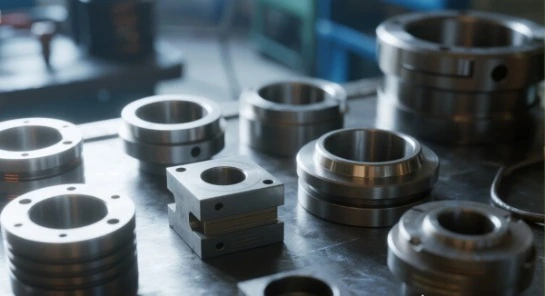
Traditional manufacturing systems depend on making a lot of things at once and storing them for a long time, which creates big warehouse risks. Having too much stock takes up valuable operating cash that could be used to support new ideas, growth, or better operations. Manufacturing companies often find that the costs of keeping inventory take up a big chunk of their yearly budgets. These costs include rent for storage facilities, insurance fees, and the loss of value of old materials.
These problems are made worse by inaccurate demand forecasts, which leads to mismatches between production levels and real market needs. When makers think that demand will be higher than what customers actually want, they end up with extra stock that may become useless before it can be sold. Underestimating demand, on the other hand, leads to stock-outs that hurt relationships with customers and make rush orders more expensive. These problems with making predictions are especially bad in fields where yearly changes or quickly changing technology needs happen.
Supply Chain Vulnerabilities and Cash Flow Impact
Traditional manufacturing has rigid batch production cycles that make it hard to adapt to changes in the market and meet customer needs. Long lead times make it hard for makers to respond quickly to changes in demand, so they have to rely on store buffers to keep service levels high. This way of doing things makes the whole supply chain weak, because problems at any point can cause ripple effects that affect many production processes.
In terms of money, there are more effects than just holding costs. There are also potential costs of allocating capital. Putting money into assets can't be used for long-term growth-driven projects like research and development, capacity expansion, or strategic relationships. Professionals in business-to-business buying know that having too much inventory wastes money and makes companies less flexible and effective in fast-changing markets.
How On-Demand Manufacturing Works to Minimize Inventory Risk
Production Principles and Operational Framework
On-demand manufacturing is based on basic ideas that put production speed ahead of stocking up on goods. With this method, things are only made when confirmed orders come in. This gets rid of the guesswork that comes with standard manufacturing models. The improved process links placing an order directly to starting production. This makes timelines more clear, which helps with planning projects and allocating resources better.
The operating framework includes the whole production process, from getting the first customer requirements to delivering the finished product. Multiple manufacturing technologies are coordinated by advanced scheduling systems to make the best use of production processes and cut down on wait times. This combination makes sure that resources are used well and quality standards are met for a wide range of product needs. This makes a manufacturing system that is sensitive to customer needs and doesn't need to keep expensive product buffers.
Technology Integration and Supply Chain Connectivity
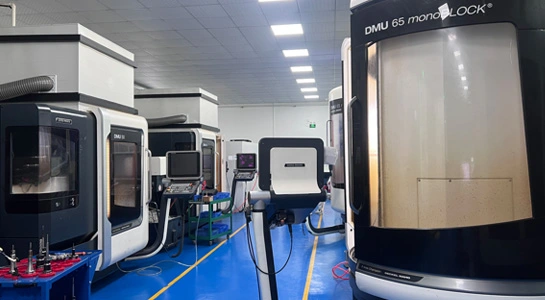
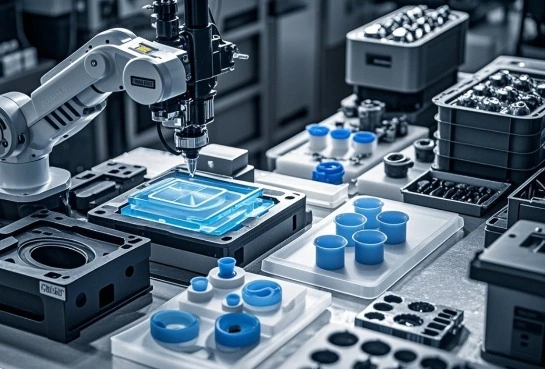
The real-time response that makes demand-driven output work is made possible by cutting-edge technologies. Additive manufacturing, which includes 3D printing with SLA and SLS, lets you make quick prototypes that shorten the time it takes to build a new product. CNC cutting makes precise parts that can be used for checking functionality and short runs of production. Together, these technologies make it possible for production to be fluid and scale up or down based on real demand instead of what was planned.
Cloud-based production tools make it easy for customers, makers, and other players in the supply chain to talk to each other. Sharing data in real time makes sure that everyone is up to date on the state of orders, work schedules, and delivery dates. This connectivity gets rid of the delays in information that cause stock to build up in standard factory settings. The integrated method makes the supply chain clear, which helps people make smart decisions and control risks before they happen.
Advanced Manufacturing Capabilities
Modern custom manufacturing uses a variety of production technologies to meet the needs of a wide range of customers without having to keep a lot of supplies on hand. For quick making of plastic parts, rapid injection molding is useful. Compression molding and metal pressing, on the other hand, offer cost-effective options for certain material uses. Die casting and vacuum casting make it possible to use more types of materials for specific tasks in the medical device, aerospace, and automobile industries.
Putting together different production processes into a single operating system gives production planning more freedom than ever before. Engineers can say which manufacturing methods are best for each part while still sticking to the project plan. This method gets rid of the need for makers to keep finished goods in stock across many different types of products. This cuts down on storing needs and makes it easier to meet customer needs.
Key Benefits of On-Demand Manufacturing for Inventory Optimization
Financial Advantages and Cash Flow Improvement
The pay-per-order financial plan changes the way manufacturing works by getting rid of the need to buy goods up front. Companies move money that was previously used to store goods to activities that make money right away. This better cash flow lets you respond faster to market opportunities and lowers the financial risk that comes with having old goods. The stable cost structure makes spending and financial planning easier, which is appreciated by procurement teams.
Just-in-time production cuts down on the waste that comes from having too much overstock and the need for store space. Manufacturers get rid of the costs of storage, insurance, and managing stockpiles that eat away at business budgets. The money saved can then be put back into more advanced manufacturing technologies, better quality control, or better customer service, all of which boost the company's place in the market. Over time, these financial rewards add up, giving long-term advantages in cost structure and business efficiency.
Operational Flexibility and Market Responsiveness
With more flexible production, producers can quickly change schedules to meet changing customer needs or market situations. This flexibility is especially useful in fields where product specs change a lot or where customization gives a company a competitive edge. Manufacturing teams can put urgent orders at the top of the list without changing current production plans or keeping expensive backups of expedited inventory.
The faster time-to-market features allow for innovation processes that would not be possible with standard manufacturing limits. Rapid testing and low-volume production let product development teams make changes to ideas quickly. This method lowers the cost of development while increasing the quality of the end product by trying and tweaking it more. Companies stay ahead of the competition by releasing new products faster and responding to customer feedback more quickly.
Industry-Specific Success Stories
Strategic adoption of demand-driven production has led to measurable gains in inventory optimization in the automotive industry. OEMs and Tier-1 providers use rapid prototyping to make sure that the final product works and to lower the costs of keeping internal parts and lighting housings in stock. EV companies especially benefit from production capacity that can be changed quickly to meet changing design needs without having to commit to large amounts of inventory.
Through safe prototype and custom production, medical device makers can lower their inventory risk by a large amount. Biotech and labs can get specific parts without having to keep a stockpile of a lot of different types of products. Custom manufacturing helps with regulatory compliance by making sure that parts meet particular needs without making too many that may become useless when regulations change. These benefits specific to one industry show how demand-driven production methods can be used in many other fields.
Comparing On-Demand Manufacturing with Traditional Manufacturing Models
Production Scale and Volume Flexibility
By being better able to adapt to changing demand patterns than standard batch production methods, on-demand manufacturing stands out. Traditional manufacturing works best for big runs to get the best unit costs, but custom manufacturing works best for smaller, more flexible production amounts that fit the needs of the customer. Because of this basic difference, businesses can adapt to changes in the market without having to keep extra stock that might become useless.
Traditional just-in-time production systems try to find a balance between lowering inventory and increasing output speed. To keep service levels high, they still depend on ties with suppliers and inventory buffers. With the demand-driven method, these dependencies are taken away because production is only done when approved orders are received. When demand is unclear, standard methods of forecasting don't work well, so this difference is especially important for making prototypes and small amounts of products.
Technology Requirements and Investment Considerations
When compared to traditional production tools, flexible manufacturing systems need different kinds of technology investments to be put in place. Multiple production technologies are combined on advanced manufacturing platforms, which have unified control systems that make the best use of resources for all order needs. For high-volume needs, the cost per unit may be higher than with standard batch production, but the total cost performance is often better because there are no inventory holding costs.
Businesses need to weigh the technology they need against their unique output needs and the way their market works. Companies that need to make a lot of customized products or that don't know how demand will change often usually benefit more from flexible manufacturing methods. The decision process should look at more than just direct production costs. It should also look at the costs of keeping stockpiles, the risk of items becoming obsolete, and the missed opportunities that come with allocating capital. These in-depth cost studies often show that demand-driven production plans have big benefits.
Strategic Implementation Considerations
For custom production to work, the current supply chain systems and customer service needs must be carefully looked at. Companies need to figure out how well they can talk to their manufacturing partners and keep quality standards high across a range of output tools. When you switch from inventory-based fulfillment to production-based fulfillment, you have to make practical changes that affect how you talk to customers, process orders, and plan deliveries.
There are strategic benefits to having less inventory risk, but they need to be weighed against possible problems with quality control and production planning. For businesses to succeed, they should work with manufacturers who are experts in their fields and the products they make. This partnership-based method makes sure that production skills meet quality standards while keeping lead times low. The new layout of the supply chain gives businesses more options while lowering the financial risks that come with keeping too much product on hand.
How to Select the Right On-Demand Manufacturing Partner
Evaluation Criteria and Quality Standards
Find a good production partner by checking out their professional know-how, safety certifications, and business knowledge. People who are in charge of getting things should learn about the different ways that things can be made. CNC machines, platforms for additive manufacturing, on-demand manufacturing, and specialized methods like fast injection molding are some of these. How flexible the project is and how well the parts work depend on how well the partner can work with different kinds of plastic and metal.
For controlled fields like medical devices, aircraft, and automobile uses, quality standards and the ability to follow rules are very important. Partners in manufacturing should show that they have the right certifications and quality control systems in place to make sure that performance is uniform across all production runs. Facility audits, reference checks, and sample production runs should all be part of the evaluation process so that skills can be confirmed before committing to large production numbers.
Geographic Coverage and Service Capabilities
During the production process, delivery dates and how well people can communicate are affected by how close things are and how well logistics can work. Partners in manufacturing who are located in key areas can offer faster turn-around times while lowering shipping costs and delivery risks. But the evaluation should find a good mix between geographical factors, technical skills, and quality standards to get the best total performance.
Customer service response and communication skills have a big effect on the success of a project and the long-term usefulness of a relationship. The best manufacturing partner keeps track of orders clearly, lets you know when they're being made, and offers technical help during both the planning and production stages. These service possibilities are especially useful for complicated projects with tight deadlines and a lot of people who need to work together.
Long-Term Partnership Development
Demand-driven production relationships work best when both parties consistently work together and understand each other's business goals. When manufacturing partners put in the time and effort to understand what customers want and the problems facing the industry, they can give useful information that helps develop new products and make production more efficient. This way of working together produces competitive benefits that go beyond the success of individual projects and include long-term business growth.
Supply chain integration lets customer systems and factory processes work together without any problems. Partners in advanced manufacturing offer electronic data exchange, real-time tracking of production, and integrated quality control tools that make things run more smoothly. These connection features cut down on the work that needs to be done by administrators while also making the whole production process more accurate and quick. The resulting increases in efficiency allow for scalable growth while keeping business excellence.
Conclusion
On-demand manufacturing is a big step toward better managing inventory, and it solves some of the biggest problems that buying pros face today. By matching production to real demand instead of anticipated needs, this method gets rid of the need to keep expensive supplies and makes operations more flexible. Businesses can move money from storing goods to making investments that lead to growth and new ideas by using custom manufacturing solutions in a smart way. Through agreements with specialized manufacturing providers, companies in the electronics, aerospace, automobile, and medical device industries have shown real changes in how they handle their inventory. It is important to choose production partners that have advanced technical skills, a deep understanding of the business, and quick response times for customer service.
FAQ
How does on demand manufacturing reduce inventory carrying costs?
Custom manufacturing gets rid of the costs of keeping inventory by only making things when orders are confirmed. This means that there is no need for storage space, insurance, or methods for managing inventory. With this method, money that would have been spent on goods is instead put toward practical tasks that pay off right away. The pay-per-order plan makes costs known and gets rid of the risk of obsolescence that comes with standard ways of making things.
Which industries benefit most from inventory risk reduction through flexible manufacturing?
Demand-driven production models are very helpful for industries like aerospace, medical products, automobiles, and electronics. Traditional stocking methods are very risky in these fields because of how quickly technology changes, how strict the rules are, and how much customizing is needed. Being able to make parts without having to commit to a collection is especially helpful for making prototypes and small amounts of products.
What response times can be expected for urgent order changes?
Depending on the stage of production and the level of complexity, modern manufacturing platforms can make quick changes in 24 to 48 hours. Real-time tracking of output and integrated supply chain tools make it easy to talk to each other and change plans quickly. The exact response time relies on the manufacturing technology, the availability of materials, and the current production load. However, when it comes to responsiveness, flexible manufacturing always does better than standard batch production.
Partner with BOEN Prototype for Advanced On-Demand Manufacturing Solutions
BOEN Prototype specializes in providing full development and low-volume production services that get rid of the need for inventory while keeping the highest quality standards. We can do CNC machining, fast injection casting, additive manufacturing, and other specialized processes on both metal and plastic materials as part of our combined manufacturing services. With quick response times and guaranteed quality performance, we serve the electronics, aircraft, medical device, and car industries as a reliable on demand manufacturing provider.
Our team has a lot of experience and knows the unique problems that procurement workers face. They can help you improve your supply chain processes by giving you personalized advice. BOEN Prototype offers low-cost solutions that cut down on inventory costs and shorten project timelines by using advanced production technologies and streamlining processes. Get in touch with our team at contact@boenrapid.com to talk about how our on demand manufacturing services can improve your inventory management and change the way you buy things.
References
Johnson, M. and Anderson, K. "Inventory Risk Management in Modern Manufacturing Systems." Journal of Supply Chain Management, Vol. 45, No. 3, 2023.
Chen, L. et al. "On-Demand Manufacturing: Transforming Production Economics." Manufacturing Technology Review, Issue 12, 2023.
Rodriguez, P. "Additive Manufacturing and Inventory Optimization in B2B Environments." Industrial Engineering Quarterly, Vol. 28, No. 2, 2023.
Williams, S. and Thompson, R. "Supply Chain Agility Through Flexible Manufacturing Models." Procurement Management Journal, Vol. 19, No. 4, 2023.
Davis, A. "Technology Integration in Modern Manufacturing Operations." Advanced Manufacturing Systems, Vol. 15, No. 1, 2024.
Kumar, N. and Lee, J. "Strategic Implementation of Custom Manufacturing Solutions." Business Process Management Review, Vol. 31, No. 3, 2023.

How Can We Help?

Your Trusted Partner in Rapid Manufacturing.