What Services Are Included in Custom Parts Manufacturing?
Custom parts production includes a wide range of specialized services that are used to make custom parts that exactly meet the needs of clients in many different industries. Through advanced development, CNC machining, injection molding, and additive manufacturing technologies, custom parts manufacturing provides precision-engineered components as opposed to off-the-shelf solutions. These services help companies that make cars, medical devices, spacecraft, and gadgets that need special ways to make sure their products work right, follow the rules, and improve performance. Design advice, material selection, quality testing, and post-production support are all part of the manufacturing process. This is done to make sure that parts meet strict industry standards while still being cost-effective and delivered quickly.
Understanding Custom Parts Manufacturing Services
While standard mass production methods are very different from custom parts manufacturing, it gives businesses the freedom to make parts that exactly meet their needs. Standard parts just can't give these businesses the performance, fit, or functionality they need, so this way of making things meets the growing need for customized solutions.
What Makes Custom Manufacturing Different
The unique way of making parts is what sets custom production apart from mass production. Custom manufacturing focuses on accuracy, flexibility, and solutions that are unique to each customer, while mass production focuses on making a lot of standard items in large quantities. With this method, makers can work closely with engineers and designers to make samples, test how they work, and improve designs before starting to make more of them.
Modern custom manufacturing uses cutting-edge tools like computer-aided design (CAD), fast prototyping, and precise machining to make parts that are exactly what the customer wants. Manufacturers can use this method to make parts with specific shapes, materials, and performance needs that can't be met by mass-produced options.
Industries Benefiting from Custom Solutions
Custom parts are very important for automakers because they help them make new models, special parts for electric cars, and repair parts for models that have been taken off the market. Custom production is needed in the aircraft industry for safety-critical parts that meet strict safety standards, lightweight structural components, and unique housings.
Medical device companies use custom parts manufacturing to make biocompatible parts, comfortable testing samples, and products that follow the rules set by the government. The electronics industry uses these services for quick prototypes, making sure designs look good, and making custom cases that keep sensitive parts safe while still letting them work at their best.
Key Services Included in Custom Parts Manufacturing
A wide range of services that support the full product development process are included in the definition of custom parts manufacturing, which goes far beyond just making parts. When buying managers and engineers know about these services, they can make better choices about manufacturing partnerships and planning projects.
Design and Engineering Support
Professional design advice is the first step in making custom manufacturing projects a success. Expert engineers work with clients to make plans more easily made, making sure that parts can be made quickly and correctly while still meeting performance standards. Design for manufacturing (DFM) research is part of this service. It finds problems that might come up with production early on in the development process.
CAD modeling and simulation services let engineers see parts in three dimensions, test how they fit and work digitally, and make any changes that are needed before the parts are made in real life. These features cut down on development time by a large amount and keep expensive design changes to a minimum in later stages of the project.
Prototyping services let you try and change design ideas quickly. Manufacturers can make working samples in days instead of weeks using advanced prototyping methods like 3D printing, CNC machining, and vacuum casting. This shortens the time it takes for new goods to reach the market.
Advanced Manufacturing Technologies
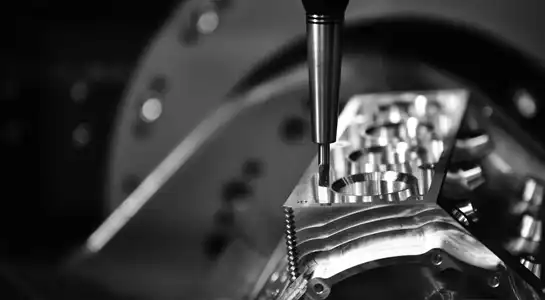
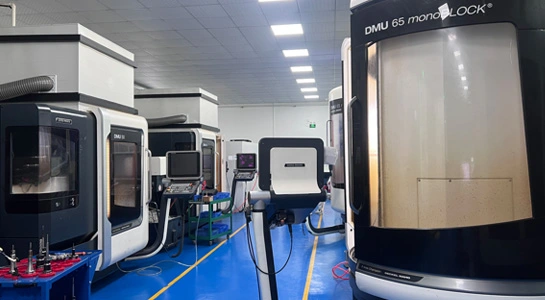
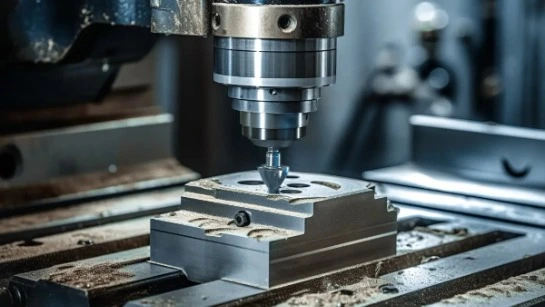
CNC cutting is the most important part of making precise unique products. Multi-axis machining centers are perfect for making very accurate parts for aircraft, medical devices, and cars because they can make complicated shapes with tolerances measured in thousandths of an inch.
Injection casting services can be used for both making prototypes and mass production. Manufacturers can make functional injection-molded parts in just a few weeks using rapid tooling techniques. On the other hand, standard tooling techniques support long-term production goals with the best cost per unit.
Additive manufacturing techniques, such as selective laser sintering (SLS) and stereolithography (SLA), let you create structures with complex internal shapes and that are very light. These technologies are great for making samples, parts for low-volume production, and parts with complicated features that can't be made or can't be made cheaply using standard methods.
Quality Control and Assurance
Strict quality control steps make sure that handmade parts meet or go beyond the requirements that were given. Coordinate measuring machines (CMMs) allow for accurate measurements, and material testing confirms the material's mechanical qualities and performance traits.
Statistical process control (SPC) methods check the uniformity of production and find problems before they affect the quality of the parts. This proactive method cuts down on waste and rework while keeping the high standards needed for mission-critical apps.
Certification support helps clients meet the legal standards of their business. Manufacturers who are certified by ISO 9001, AS9100, or ISO 13485 show that they are dedicated to quality management systems that meet standards in the medical, aircraft, and other controlled industries.
How Custom Parts Manufacturing Works: The Process Explained
Clients can set realistic goals and get ready for great project results when they understand how custom manufacturing works. The organized method makes sure that everyone can understand each other, that resources are used efficiently, and that quality is maintained throughout production.
Project Initiation and Planning
The first step in the manufacturing process is getting all the necessary requirements. This includes writing down detailed technical specs, performance standards, and project schedules. During this step, you'll talk about choosing materials, evaluating manufacturing methods, and estimating costs to see if the job is possible.
At design review meetings, client engineers and factory experts work together to find ways to improve things and talk about problems that might come up. This way of working together makes sure that designs are best for the chosen manufacturing methods while still meeting the needs of the functions.
Making plans for production makes sure that the right tools are used, that equipment doesn't get too tired, and that materials are bought at the right time so that projects can be finished on time. Clients can plan the activities that come after the important dates and goals in detail project sketches, which are especially useful when custom parts manufacturing is involved.
Production and Quality Management
To get uniform results, manufacturing execution follows set processes and quality standards. Real-time tracking tools keep an eye on quality standards and the progress of production, letting you know right away if changes need to be made.
In-process tests check the accuracy of dimensions and the quality of the surface at key points in the production process. This stops errors from moving further along the line. This method cuts down on waste and makes sure that final parts meet all the requirements.
Systems for documentation and tracking keep full records of all the materials used, methods, and quality checks for every part. This paperwork helps with quality checks, following the rules, and meeting future reorder needs.
Delivery and Support
Final checking and packing get parts ready to be shipped while keeping them safe from damage during transport. Customized packing options can fit different-shaped parts and keep sensitive areas or parts safe.
Post-delivery support includes expert help for putting together parts, fixing advice, and making it easier to place a new order. This long-term connection makes sure that clients can easily add custom parts to their products and keep a steady supply for future needs.
Choosing the Right Custom Parts Manufacturing Partner
Choosing the right factory partner has a big effect on the success of the project, how much it costs, and how reliable the supply chain is in the long run. Carefully evaluating possible partners helps make sure that they are in line with business goals and project needs.
Evaluating Manufacturing Capabilities
When evaluating technical skills, you should pay attention to how complex the equipment is, how accurate it is, and how much material knowledge the person has that is important to your needs. Manufacturers with a wide range of machining skills can adapt to changing needs and offer different solutions when they're needed.
Having experience in a certain industry shows that you understand the problems, rules, and expectations that are unique to that field. Partner companies that have a history of success in your field can give you useful information that can help you improve design optimization and manufacturing efficiency.
Quality licenses and compliance standards show that a company is dedicated to managing quality in a planned way and always making things better. Certifications that are useful depend on the field, but some examples are ISO 9001, AS9100 for aerospace, ISO 13485 for medical equipment, and IATF 16949 for car uses.
Assessing Service and Support
How you communicate and handle projects has a direct effect on how well they go and how happy your clients are. Partners who give regular reports, keep communication open, and show they can solve problems before they happen help the project run more smoothly.
Order quantities and shipping times that are flexible can adapt to changing market situations and business needs. Scalability is important for projects as they move from research to commercialization, and partners who can help with both prototype numbers and production amounts are key to this.
How well people can talk to each other and how much a job costs are affected by things like shipping costs, wait times, and being able to work with people in different time zones. Global partners may offer special skills or cheaper costs, especially in custom parts manufacturing, while local or regional partners may be better for operations and working together.
Industry Trends and Challenges in Custom Parts Manufacturing
The world of custom production is changing quickly because of new technologies, shifting market needs, and changes in the global economy. When clients know about these trends, they can make smart choices about their manufacturing strategies and partner choices.
Technology Integration and Automation
More automation, data analytics, and process improvement are some of the ways that Industry 4.0 technologies are changing custom manufacturing. Smart manufacturing systems use monitors, data collection tools, and analysis software to make things better, spend less, and make production more efficient.
As technology gets better and costs go down, more and more people are using additive manufacturing. When you combine additive and subtractive manufacturing methods, you get more design freedom while still meeting the needs for surface quality and measurement accuracy.
Virtual process optimization and preventive maintenance are made possible by digital twin technology. This cuts down on downtime and improves the regularity of production. These advanced modeling tools help producers make processes better before they start making things.
Sustainability and Environmental Considerations
People who care about the environment want sustainable manufacturing practices like reusing materials, using less energy, and reducing trash. When manufacturers use green practices, they show that they care about the community and often save money by being more efficient.
Due to world problems and material shortages, supply chain robustness is becoming more and more important. Diversified networks of suppliers and smart inventory management help keep production going even when problems arise outside the company.
Regulatory compliance requirements keep growing in all fields, but especially in the aircraft, medical products, and car businesses. To meet the wants of their clients, manufacturers must keep up with changing standards and keep their quality control systems strong.
Conclusion
Making custom parts gives companies in many different areas the tools they need to be creative and stay ahead of the competition. There are a lot of services available to help clients with their most difficult component needs. These include design help, advanced manufacturing technologies, quality checking, and services after production. Businesses that want to make their products stand out and work better will find custom parts manufacturing partnerships more useful as technology improves and market needs change. Both sides must carefully think about the other's production skills, service quality, and ability to meet the project's needs for the relationship to work. This will get the best results and make sure that the supply chain works well in the long run.
FAQ
What is the typical lead time for custom parts manufacturing?
Lead times are very different depending on how complicated the product is, how it is made, and how many of them are ordered. It might take one to two weeks for simple made parts, but four to eight weeks for complicated injection-molded parts that need new tools. Most of the time, additive manufacturing can make samples in three to five days, which is the fastest response time.
How do minimum order quantities work in custom manufacturing?
A lot of custom makers can work with small orders, even if it's just one sample. However, unit costs go down as the order size goes up. Because of the cost of the tools, some processes, like injection casting, are more cost-effective when more of them are used. On the other hand, the price per unit for cutting and 3D printing stays pretty stable when more of them are used.
What materials are available for custom parts manufacturing?
Custom makers usually work with a wide range of materials, such as metals, composites, engineering plastics, and specific materials. Aluminum, steel, titanium, ABS, plastic, and PEEK are some common choices. The material used depends on the performance needs, the need to follow regulations, and the production process.
Ready to Start Your Custom Parts Manufacturing Project?
Precision custom parts manufacturing is what BOEN Prototype does best for clients in the electronics, medical, aircraft, and car industries. We can meet your most specific component needs thanks to our wide range of skills, which include CNC cutting, fast injection molding, die casting, and the latest 3D printing technologies. Our experienced engineers and cutting-edge tools make sure that you get high-quality products quickly, whether you need rapid samples to test your design or low-volume production parts to put your product on the market. Email our custom parts manufacturing provider team at contact@boenrapid.com to talk about your project needs and find out how our skills can help you get your product to market faster.
References
Smith, J.R., et al. "Advanced Manufacturing Technologies in Custom Component Production." Journal of Manufacturing Science and Engineering, Vol. 145, 2023, pp. 78-92.
Thompson, M.K. "Quality Management Systems in Precision Manufacturing." International Manufacturing Review, 2023, pp. 156-171.
Williams, P.D., and Carter, L.S. "Industry 4.0 Integration in Custom Parts Manufacturing." Manufacturing Technology Today, Vol. 42, No. 3, 2023, pp. 23-35.
Anderson, R.J. "Supply Chain Strategies for Custom Manufacturing Operations." Global Manufacturing Quarterly, 2023, pp. 45-58.
Chen, H.Y., et al. "Additive Manufacturing Applications in Low-Volume Production." Advanced Materials Processing, Vol. 181, 2023, pp. 112-126.
Davis, K.L. "Regulatory Compliance in Medical Device Manufacturing." Healthcare Manufacturing Standards, 2023, pp. 89-104.

How Can We Help?

Your Trusted Partner in Rapid Manufacturing.