Industries That Depend on Contract Manufacturing Services
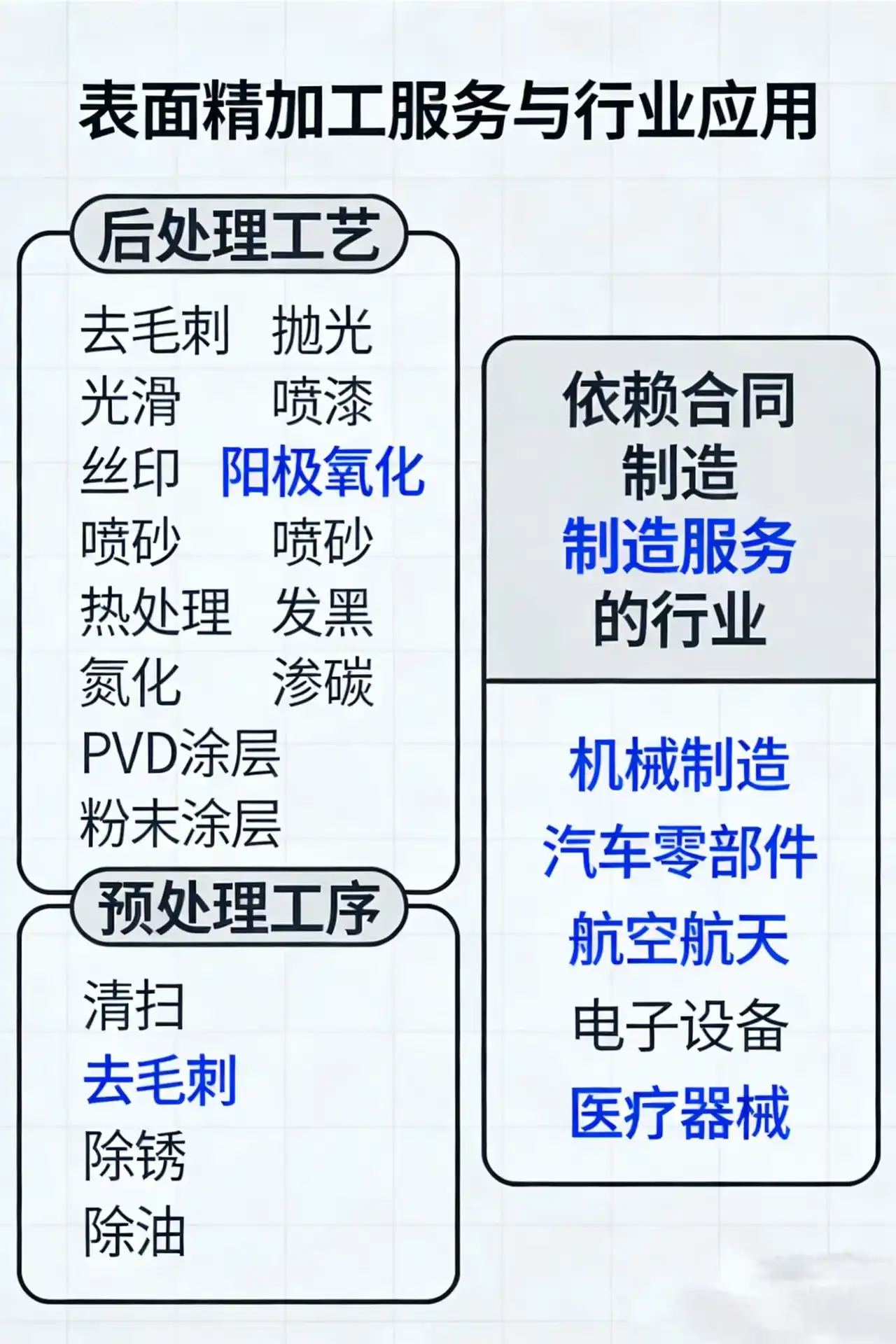
Modern manufacturing has moved beyond the days of making things in-house. Now, companies in all kinds of industries are turning more and more to specialized partners for their production needs. Companies form strategic partnerships with outside experts in contract manufacturing to outsource their production needs. This gives them access to improved skills, lower costs, and faster time-to-market. Automotive, aerospace, medical devices, and consumer goods are just some of the industries that depend on these relationships to stay ahead of the competition while they focus on what they do best: design, marketing, and new ideas.
Understanding Contract Manufacturing Across Industries
As a strategic business move, contract manufacturing is when one company hires another to make parts or whole goods based on specific design needs and quality standards. This partnership approach is more than just outsourcing; it creates working partnerships that use specialized knowledge, cutting-edge production technologies, and well-established quality systems.
Key Benefits Driving Industry Adoption
Contract manufacturing has a number of strong benefits that directly solve problems that businesses face today. The main reason for this is still to cut costs, since companies can avoid having to make big investments in things like tools, buildings, and training for specific jobs. This method changes set costs for manufacturing into flexible costs, which makes managing cash flow easier and lowers financial risk.
Scalability is another important benefit because it lets businesses react quickly to changes in market demand without being limited by their production capacity. During busy times, contract makers can boost output. During slow times, they can escape the stress of internal resources that aren't being used. This adaptability is very helpful in unstable markets where it's hard to predict demand.
Having access to specific knowledge is likely the most important strategic benefit. A lot of the time, contract makers know a lot about certain industrial processes, materials science, and quality control methods that would take companies years to learn on their own. This information is especially useful in industries with a lot of rules and regulations that need specialized knowledge and approved methods to follow them.
Distinguishing Contract Manufacturing Models
Knowing the differences between the different production models helps buying workers choose the best method for their needs. When a client orders private label manufacturing, a contract maker makes the whole product based on their instructions. They are in charge of everything, from getting the materials to putting it all together. This plan works for businesses that have clear ideas about what they want to make but not a lot of manufacturing skills.
Individual component manufacturing is all about making small parts that fit together to make bigger units. This method works well for businesses that can make some parts themselves but need special parts that need special materials or methods. This model is often used in the car business for complicated powertrain parts or specialized electrical units.
End-to-end manufacturing partnerships include contract makers in both the planning and production stages. This creates working ties that use everyone's skills. These partnerships often lead to new ideas and better ways to make things, but they need careful steps to protect intellectual property.
Common Challenges and Risk Mitigation
Despite having many advantages, contract manufacturing also has some problems that need to be carefully managed. Quality control is very important for businesses because they need to make sure that their outside partners uphold the same high standards as their brand. Comprehensive processes for qualifying suppliers, regular checks, and clearly stated quality metrics with performance tracking tools are all things that can help reduce the risk.
Managing lead times is very important when working with outside partners, especially when many sources help put together the end product. Companies that are good at what they do set up strong systems for seeing the supply chain and keep strategic product gaps to account for possible delays. Communication methods and escalation processes make sure that problems in production are dealt with quickly.
Compliance with regulations makes things more difficult, especially in businesses with a lot of rules, like aerospace or medical products. Contract makers have to show that they follow the rules and keep their licenses up to date. Regular compliance checks and reviews of documents help make sure that legal requirements are always being met.
Key Industries That Rely Heavily on Contract Manufacturing
Contract manufacturing has become an important part of many industries' business plans, with each industry's needs and market forces serving as the primary motivators.
Automotive and Transportation
When OEMs and Tier-1 suppliers use outside partners for specialized parts and fast prototyping, the car industry is a great example of how well contract manufacturing can be used. The growth of electric vehicles has increased the need for contract manufacturing services. This is because companies need to make quick changes to battery housings, charging components, and lightweight structure elements.
Contract producers who work with automakers need to show they know how to work with advanced composites, precise metals, and engineering plastics. It is necessary to have quality standards like IATF 16949 and the ability to test and validate functionality. Because the industry relies on short product development processes, it's important to have contract manufacturing relationships to stay competitive.
Contract manufacturing relationships are especially helpful for testing labs and EV startups because they allow them to use specialized tools and knowledge without having to spend a lot of money. This method speeds up the process of making prototypes and getting products to market.
Consumer Electronics and Smart Technology
Contract manufacturing is the only option for the consumer goods industry's high standards of accuracy, speedy innovation cycles, and cost savings. Device makers and smart-home product developers depend on outside partners to make samples that look good and handle complicated assembly processes.
During the growth stages of a product, industrial design companies often work with contract manufacturers, who can help by choosing the right materials and making the best use of the manufacturing process. In the fast-paced technology market, being able to quickly change ideas and see how the market reacts is very important.
Contract makers that work with this industry need to be able to use a variety of technologies, such as advanced assembly methods, precise machining, and injection molding. For sensitive electrical parts, clean rooms and security against electrostatic discharge are often needed.
Medical and Healthcare Industries
Making medical devices is one of the most difficult types of contract manufacturing because it needs safe materials, clean work areas, and strict adherence to regulations. Medical device companies, labs, and biotech companies rely on specialized partners to make prototypes and parts that are used before they are made in large quantities.
Because patient safety is so important in the healthcare industry, there are strict quality standards that apply to the whole supply chain. Contract makers must stay registered with the FDA, get ISO 13485 approval, and show that they follow Good Manufacturing Practices (GMP). For regulatory submissions and after-market monitoring, you need traceability tools and a lot of paperwork.
Biocompatible prototypes and ergonomic testing samples need specialized knowledge and processing skills that many medical companies would rather get from outside sources than build themselves. With this method, businesses that make medical devices can focus on clinical development and getting permission from regulators.
Aerospace and UAV Applications
The aerospace and robotic aerial vehicle industries have very strict rules about material approvals, precision tolerances, and strength-to-weight ratios. Contract makers make high-strength prototypes and small batches of products for drone companies, aircraft engineering teams, and people who are developing parts.
Because of how important certification and tests are in the aircraft industry, there is a need for contract makers who can make parts that meet strict performance standards. Advanced materials like titanium metals, carbon fiber composites, and certain types of aluminum need special processing skills and tools.
Contract manufacturers who work with aircraft uses need to show that they can do non-destructive testing, advanced welding methods, and precise machining. Quality management systems must be in line with AS9100 standards, and approvals for materials must allow full tracking back to their mill sources.
How to Choose the Right Contract Manufacturer for Your Industry
It's important to carefully consider a lot of things that will affect the success of the production and the longevity of the relationship when choosing a contract manufacturing partner.
Quality Certifications and Regulatory Compliance
Quality approvals are one of the best ways to tell if a contract maker is capable and reliable. ISO 9001 certification is a basic way to make sure that a quality management system works. Other standards, like ISO 13485 for medical products or AS9100 for aircraft, show that a company has specialized knowledge and can follow the rules.
Regulatory compliance is more than just having the right certifications. It also includes having experience working with the right regulatory bodies and a history of passing audits. Contract makers should show proof of their current registrations, inspection records from the last few months, and compliance training programs for their employees.
On-site checks of quality systems, reviews of paperwork, and conversations with quality staff should all be part of the rating process. Finding out how possible partners handle non-conformances, corrective actions, and efforts to make things better all the time can help you figure out how mature their operations are.
Manufacturing Capabilities and Technology Integration
Technical skills need to be closely related to the needs of the project, such as the compatibility of materials, process knowledge, and the level of complexity of the tools. Contract makers need to show that they know how to use important production technologies, like CNC machining, rapid injection casting, or additive manufacturing.
Production capacity and flexibility should be carefully thought through, especially for projects that could grow or whose demand trends change over time. Knowing how a contract manufacturer handles peak output, how much of their current capacity is being used, and how they can expand helps make sure that the relationship will last.
As the ideas behind Industry 4.0 spread, the ability to combine different technologies becomes more crucial. Contract manufacturers that have advanced data collection systems, the ability to watch in real time, and digital contact platforms can make things easier to see and work together on.
Geographic and Supply Chain Considerations
Location affects many parts of contract manufacturing agreements, such as the cost of shipping, the length of wait times, and the risk that the supply chain faces. In terms of response and total cost optimization, being close to key providers or end markets can be very helpful.
In the past few years, trade policy and geopolitical security have become more important. Many businesses are trying to diversify their supply bases and lower their risk of being affected by risks in just one country. For long-term planning, it's important to know where possible partners' supply chains are located and how they deal with risks.
Distance, time zone differences, and cultural issues can all affect how well people can communicate and work together. Checking out how possible partners communicate, how well they can handle projects, and how well they speak English can help make sure that operational relationships go smoothly.
Latest Trends Shaping Contract Manufacturing in 2026
The world of contract manufacturing is changing quickly because of new technologies, shifting market needs, and changes in the global economy.
Automation and Digital Manufacturing
Automation technologies are changing what can be done in contract manufacturing, and quality control systems that are run by AI are making it possible to be more precise and consistent than ever before. Machine learning algorithms can find problems with quality that human inspectors might miss, and predictive maintenance systems keep unexpected breaks and production interruptions to a minimum.
Digital manufacturing platforms let contract makers and their clients work together in real time, showing them the state of production, quality measures, and delivery dates. These methods make it easier to solve problems before they happen and improve the general transparency of the supply chain.
It is becoming easier and easier to use additive manufacturing technologies. These technologies let contract makers make complex shapes and custom goods that aren't possible with traditional manufacturing methods. This trend is especially good for fields that need to make quick prototypes and small batches of products.
Sustainability and Environmental Responsibility
Environmental concerns are becoming more and more important when choosing a contract manufacturer. In fact, many companies are putting sustainable standards on their supply base. As a result, contract makers are putting in place plans to cut down on waste and use energy more efficiently, as well as adopting renewable energy sources.
Sustainability in materials has become more important, and contract makers are becoming experts in bio-based plastics, recycled materials, and processing chemicals that are safe for the environment. These features help clients reach their own goals for sustainability while still meeting the performance standards of the product.
With a focus on design for recyclability, material recovery programs, and end-of-life product management, circular economy concepts are being incorporated into contract manufacturing processes. These methods help the environment while also making things better for contract makers and their clients.
Supply Chain Resilience and Risk Management
Recent problems around the world have shown how important it is for supply chains to be resilient. As a result, contract makers have put in place stronger risk management strategies. Diversifying suppliers, managing stockpiles strategically, and being able to find other sources of goods have become important ways to stay ahead of the competition.
Nearshoring trends are changing where contract manufacturers put their factories. Many businesses are looking for partners closer to their main markets to cut down on shipping costs and make them more flexible. This change opens up possibilities for contract makers in developed markets, but it also changes how the global supply chain works.
Supply chain visibility made possible by technology has become a unique skill. Top contract manufacturers give their customers real-time details about the state of their supplies, possible problems, and ways to avoid them. These features make it easier for people to work together on plans and lower the risk in the supply chain.
Best Practices for Managing Contract Manufacturing Partnerships
For contract manufacturing relationships to work, managers need to make sure that they encourage teamwork, keep quality high, and push for ongoing improvement.
Contract Structure and Legal Framework
Contracts that are well-written and clearly define roles and responsibilities, quality standards, intellectual property rights, and ways to settle disagreements are the building blocks of successful relationships. To avoid confusion and make sure everyone understands, contracts should include clear performance measures, quality standards, and delivery goals.
It's important to be very careful about protecting intellectual property, especially when contract makers have access to secret designs or methods. Access limits, audit rights, and non-disclosure agreements can help protect important intellectual property while still letting people work together as needed.
Contracts with flexibility terms can be changed to fit new business needs, changes in technology, and changes in the market. Reviewing contracts on a regular basis makes sure that deals stay useful and useful for both sides as things change.
Performance Monitoring and Quality Assurance
Continuous performance tracking with clear key performance indicators (KPIs) lets you find and fix problems before they happen. To get a full picture of a relationship, metrics should measure quality, performance, cost, and how well people can communicate.
Regular checks, statistical process control, and group growth projects should all be part of quality assurance programs. Setting clear quality standards and measurement procedures helps keep performance uniform and finds ways to make things better.
Making decisions based on data improves the efficiency of partnerships by giving objective information about performance and study of trends. Regular performance reviews make it easier for people to talk to each other and work together to solve problems when they come up.
Building Long-Term Strategic Relationships
Long-term relationship success relies on trusting each other, being honest with each other, and working together to make things better all the time. Having regular face-to-face talks, planning sessions, and innovation projects together makes relationships stronger and makes sure that everyone is working toward the same goals.
Sharing knowledge between partners can lead to new ideas and better efficiency, which is good for both groups. Sharing best practices, technical talks, and joint efforts to solve problems add value above and beyond basic production services.
Strategic alignment makes sure that relationships for contract manufacturing help businesses reach their long-term goals, not just meet short-term production needs. As business conditions and goals change, regular strategy reviews help keep everyone on the same page.
Conclusion
Contract manufacturing is now an important way for businesses in many fields to cut costs, get access to specialized knowledge, and stay ahead of the competition in markets that are changing quickly. Strategic relationships with specialized manufacturers can help industries like aerospace, robotics, consumer goods, medical devices, and cars. These manufacturers can offer advanced skills, regulatory compliance, and production solutions that can be scaled up.
To be successful in contract manufacturing partnerships, you need to carefully choose your partners, handle the contracts well, and keep building relationships. Companies that put money into building strong partnerships with qualified contract makers set themselves up for long-term success while staying focused on their main strengths and long-term goals.
FAQ
What is the difference between contract manufacturing and regular outsourcing?
Contract manufacturing is the process of giving certain production tasks to specialized manufacturers. These manufacturers then make parts or products based on thorough specs and quality standards. When you outsource regularly, you may not get as much expert help and quality control as you do in contract manufacturing relationships. This is because you are handing over more services.
How can companies ensure quality control when using contract manufacturers?
For contract manufacturing to have good quality control, it needs thorough processes for qualifying suppliers, regular checks, clear quality measures, and ongoing tracking of performance. Companies that do well set up programs to help their suppliers improve, do quality checks on a regular basis, and keep lines of communication open with the companies that do their contract manufacturing.
What regulatory considerations apply to contract manufacturing partnerships?
Regulatory issues vary from industry to industry, but usually they involve making sure that contract makers keep the right licenses, follow the rules, and show that they have good quality management systems in place. Companies need to make sure that the contract manufacturing partners they work with can meet the rules that apply to their goods and markets.
Partner with BOEN Prototype for Your Contract Manufacturing Needs
BOEN Prototype excels in high-quality prototyping, fast tooling, and low-volume production for a wide range of industries, such as consumer gadgets, medical devices, cars, and airplanes. We can help you with your most difficult projects by offering CNC machining, fast injection casting, 3D printing, and advanced materials processing. Because you can trust us to do contract manufacturing, we can speed up the development of your products by combining our technical know-how with quick turnaround times. Get in touch with our team at contact@boenrapid.com to talk about how our contract manufacturing services can help you with your next project.
References
Johnson, M. R., and Smith, A. L. (2024). The Manufacturing Excellence Quarterly (15.3), pages 45–62, has an article called "Strategic Contract Manufacturing: Industry Trends and Best Practices."
Two years ago, Chen, L., and Rodriguez, P. The International Journal of Production Management (Vol. 28.7), pages 112-128, has an article called "Quality Management in Contract Manufacturing Partnerships: A Comprehensive Framework."
Smith, D. R., Thompson, K. J., & Lee, S. H. (2023). In the Advanced Manufacturing Review 41(12), pages 78–94, it is written about "Emerging Technologies in Contract Manufacturing: Automation and Digital Integration."
Miller, R. C., and Jackson, E. M. (2024). "Supply Chain Resilience in Contract Manufacturing: Risk Assessment and Mitigation Strategies." Supply Chain Management Today, 22(4), 156–171.
Koch, V., Anderson, G. P., & White, J. T. (2023). In the Regulatory Affairs Professional Journal (18(9)), 203-219, it is written about "Regulatory Compliance in Global Contract Manufacturing Networks."
Davis, N. L., and Brown, M. K. (2024). "Green Manufacturing Perspectives, 7(2), 89–105," "Sustainability Initiatives in Contract Manufacturing: Environmental Impact and Business Value."

How Can We Help?

Your Trusted Partner in Rapid Manufacturing.