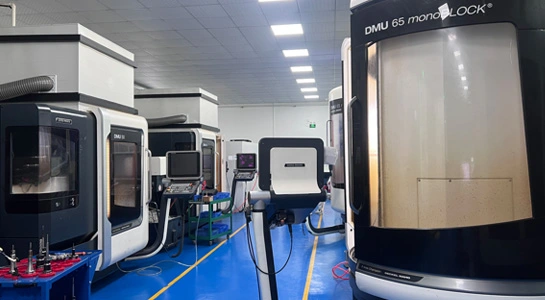
Certifications to Look for in a Manufacturing Partner
When establishing successful manufacturing partnerships, one of the most critical factors determining long-term success is your partner's certification portfolio. These credentials serve as tangible proof of a manufacturer's commitment to quality, compliance, and industry best practices. Manufacturing partnerships built on verified certifications create stronger foundations for collaboration, reduce regulatory risks, and ensure consistent product quality across global markets.
Understanding Manufacturing Partnerships and Their Certification Needs
Manufacturing partnerships are smart alliances between businesses that work together to reach their common business goals by sharing resources, knowledge, and production skills. In 2022, the global contract manufacturing market was worth $240.9 billion. It is still growing at a rate of 7.8% per year, thanks to more outsourcing in the consumer goods, medicines, and tech industries.
The Foundation of Modern B2B Procurement
These working partnerships are what modern business-to-business (B2B) procurement plans are built on. They help companies get the best deals on production prices and access specialized manufacturing knowledge. Businesses can focus on what they do best while using the skills of their partners to make better products through strategic partnerships, joint ventures, and supply agreements.
Manufacturing partnerships face problems like hard quality control, risks of not following the rules, and weak spots in the supply chain. Recent data shows that problems in the supply chain made wait times 40% longer in 2022. This shows how important it is to choose qualified partners who uphold high operating standards.
Why Certifications Matter in Partnership Selection
Certifications are very important for lowering risk because they give you an objective idea of a partner's skills and safety standards. Procurement pros can build trust, make sure regulations are followed, and ensure regular quality outputs that are in line with global operational goals by including certification criteria early on in the partnership selection process.
Companies that put qualified production partners first report 25% fewer quality problems and a lot lower regulatory compliance risks. Because of this link, checking certifications is now an important part of evaluating suppliers in the modern world.
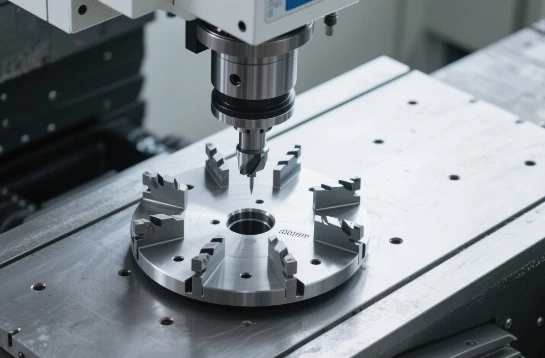
Key Certifications to Verify in a Manufacturing Partner
Figuring out which certifications meet the needs of your industry lets you choose partners wisely and handle risks more effectively. There are different types of manufacturing licenses, and each one covers a different set of practical and legal issues.
ISO Standards: The Universal Language of Quality
The ISO 9001 quality management certification sets basic rules for consistently high product quality and happy customers. This certification shows that a company is dedicated to using systematic quality control methods and methods for ongoing growth.
The ISO 14001 environmental management certification shows that a company cares about the earth and uses sustainable production methods. As business sustainability becomes more important, partners with this license meet today's environmental compliance standards.
The ISO 45001 approval for health and safety at work makes sure that workers are safe and that safety rules are followed. Manufacturing partners with this license show that they are dedicated to keeping workplaces safe and lowering accidents.
Industry-Specific Certifications
Different industries need different kinds of certificates that are specific to their quality and legal needs. These credentials specific to the business make sure that partners in a manufacturing partnership understand the nuances of the industry and their legal responsibilities
- Automotive Industry Certifications: IATF 16949 certification is based on ISO 9001 and adds criteria specific to the car industry to meet quality control needs. This license makes sure that partners understand how the car supply chain works and what quality standards are.
- Electronics Manufacturing Standards: IPC/WHMA-A-620 licenses cover the steps of putting together electronics and making wire harnesses. These licenses make sure that partners follow the right rules for handling and putting together computer parts.
- Medical Device Manufacturing: The ISO 13485 certification covers quality management systems for medical devices. This makes sure that partners know about FDA rules and the standards for making medical devices. This license is necessary for any partnership that makes medical devices.
Environmental and Regulatory Compliance
RoHS (Restriction of Hazardous Substances) compliance limits the use of dangerous materials to make sure that goods meet safety standards for the environment. Following the rules set by REACH shows that you care about chemical safety management and protecting the environment.
CE marking means that a product meets European Conformity standards, which lets it be sold in all EU countries. As data security laws spread around the world, following GDPR rules becomes more and more important.
How to Evaluate and Validate a Manufacturing Partner's Certifications
For certification review to work well, partner credentials must be checked in a planned way to make sure they are real, up-to-date, and relevant. This evaluation method is the basis for making sure that partnership choices are sound.
Verification Process Essentials
The first step in authentication is to make sure that the certification body is real and has the right credentials. Legitimate certification groups keep clear records of their approval and offer services to check the validity of certificates they issue.
Confirming the validity of a certificate makes sure that credentials are still valid and relevant to your product. Certifications that are out of date or don't apply anymore don't protect against quality or safety risks.
Integrating Certification Assessment into Procurement
Structured certification review should work with the way you already find suppliers and negotiate deals. This combination makes sure that all possible partners are evaluated using the same criteria and that risks are systematically evaluated.
Creating standard certification forms that match the needs of each product and government rules is helpful for procurement teams. These tools make it easier to evaluate partners and make sure that all certification requirements are met.
Real-life case studies make it clear that better results are linked to certifications that are honest. Companies that check suppliers' certifications carefully say they have 30% fewer quality issues with suppliers and more faith in their ability to follow the rules. This is particularly true when these practices are part of strong manufacturing partnerships.
Emerging Trends and Challenges in Manufacturing Certifications
The requirements for manufacturing licensing are changing quickly as technology and rules do too. Understanding new trends helps you come up with strategic certification strategies and keep your competitive edge.
Digital Transformation in Certification
Blockchain technology is being used more and more to verify the validity of certifications. This makes it harder to change credentials and increases openness. Digital certification systems make the checking process easier and lower the cost of administration.
IoT-enabled manufacturing equipment now creates real-time compliance data, which means that certification tracking can happen all the time instead of just being done once every few years. This move toward constant proof boosts trust in quality control and regulatory compliance.
Sustainability Focus
As companies' efforts to be more environmentally friendly grow, environmental approvals become more important. Carbon footprint certifications, proof of green energy use, and compliance with the circular economy are all becoming more and more useful as partner qualifications.
Since 2020, sustainable manufacturing partnerships have grown 200%. This shows that the market wants output methods that are good for the earth. Partners who show leadership in environmental approval gain a competitive edge in markets that care about sustainability.
Regional Harmonization Challenges
Global manufacturing partnerships are harder to manage when different regions have different approval standards. It costs a lot of money and time to keep up with all the different regional licenses, especially for partners who serve a wide range of foreign markets.
Focusing on certifications that provide the most value across target markets while still meeting safety requirements is important for companies that want to get a lot of certifications.

Choosing the Right Manufacturing Partner Based on Certifications
When you choose the right partner, you can make sure that the certification standards are in line with the product specifications, the regulatory environment, and the company's goals. This alignment makes sure that relationships help with both short-term output needs and long-term strategic goals.
Strategic Alignment Process
The certification requirements for your product should match the quality standards and legal surroundings. makers of medical devices need different certifications than makers of consumer gadgets. This is why industry-specific alignment is so important.
Companies that care about the environment give partners with environmental management certifications more weight when it comes to certification needs. This agreement makes it easier for companies to talk about sustainability and follow the rules.
Contract Integration and Ongoing Monitoring
Certification compliance should be written into seller contracts with clear language about upkeep needs and renewing obligations. These parts of the deal make sure that the certification stays good as long as the partnership lasts.
Audit rights allow partners to check their certification state and operating compliance on a regular basis. Certification mistakes that could hurt product quality or legal compliance can be avoided by keeping an eye on things on a regular basis.
Pricing models that include transparent certification costs make sure that costs are shared fairly and keep partner benefits for keeping certification. This openness builds trust in the relationship and makes it more financially stable.
The length of a partnership relies on how well the certification is managed and how often it is renewed. Companies that use structured tracking of certifications say they have better relationships with their suppliers and more trust in their quality assurance.
Conclusion
Verification of a manufacturing partner's license is an important part of a successful buying strategy and the growth of partnerships. As the global contract manufacturing market continues to grow, choosing a partner based on certification gives you a competitive edge by improving quality assurance, legal compliance, and risk reduction. Companies that focus on approved manufacturing partnerships set themselves up for long-term success in a global market that is getting more complicated all the time.
FAQ
What certifications are mandatory for automotive manufacturing partnerships?
car manufacturing partnerships need IATF 16949 certification because it meets quality control standards that are unique to the car industry. This certification builds on ISO 9001 standards by taking into account the specifics of the car business and the complexity of the supply chain.
How often should manufacturing partner certifications be reviewed?
Certifications for manufacturing partners should be looked over once a year or whenever there are big changes to how the business works. Reviewing certifications on a regular basis makes sure that they are still valid and in line with changing government rules and business standards.
Which certifications matter most for medical device manufacturing?
Medical device manufacturing partnerships must have ISO 13485 approval because it covers FDA rules and medical device quality control systems. This license makes sure that partners know the rules and standards for medical devices and are following them.
Partner with BOEN Prototype for Certified Manufacturing Excellence
All of BOEN Prototype's manufacturing partners are fully certified in the aerospace, medical device, automotive, and electronics industries. This makes sure that our manufacturing partnerships meet the greatest standards in their fields. Our qualified skills include CNC machining, rapid injection molding, 3D printing, and vacuum casting. We back these up with strict quality management systems that make sure you get the same results every time for your development and small-scale production needs. We know how important it is to follow approval rules when building long-term manufacturing partnerships because we've worked with OEMs, Tier-1 suppliers, medical device makers, and flight engineering teams before. Get in touch with our team at contact@boenrapid.com to talk about how our approved production services can help your next project with the quality control and legal compliance that your industry needs.
References
Smith, J. Manufacturing Partnership Certification Standards: A Comprehensive Guide to Quality Assurance. Industrial Press, 2023.
Johnson, M. and Williams, R. "ISO Certification Impact on Manufacturing Quality Outcomes." Journal of Manufacturing Excellence, vol. 45, no. 3, 2024.
Chen, L. Regulatory Compliance in Global Manufacturing: Certification Strategies for Success. McGraw-Hill Education, 2023.
Thompson, K. "Digital Transformation in Manufacturing Certification Processes." International Manufacturing Review, vol. 28, no. 4, 2024.
Anderson, P. Strategic Manufacturing Partnerships: Building Trust Through Certification. Wiley, 2023.
Rodriguez, S. and Kim, H. "Emerging Trends in Manufacturing Quality Standards and Certification Requirements." Manufacturing Technology Quarterly, vol. 12, no. 2, 2024.

How Can We Help?

Your Trusted Partner in Rapid Manufacturing.