How Manufacturing Partnerships Reduce Supply Chain Risk?
Manufacturing partnerships are smart alliances between separate businesses that share resources, knowledge, and risks in order to make things and make the supply chain more resilient. Businesses can avoid disruptions by sharing working duties, improving quality control, and making extra production facilities through these joint relationships. Companies can better handle market changes, geopolitical issues, and sudden changes in demand by using shared infrastructure and coordinated planning. These are all things that modern supply lines often have to deal with.
The global supply networks of today are very complicated, which makes them vulnerable in many ways that can seriously affect business stability. Traditional single-source supply models have been shown to be weak by changes in geopolitics, trade disagreements, natural disasters, and limits caused by pandemics. Manufacturing partnerships are a smart way to deal with these problems because they build diverse, strong networks that can quickly change to new situations while still being cost- and time-effective.
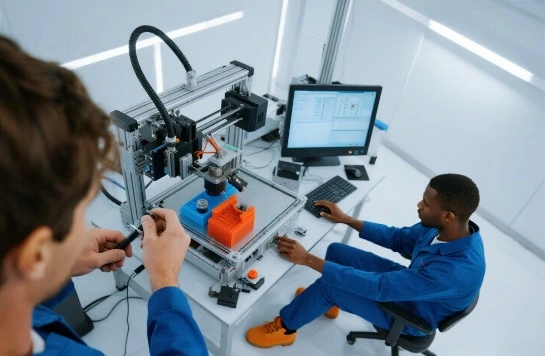
Understanding Manufacturing Partnerships and Their Role in Supply Chain Risk Reduction
Manufacturing relationships include a range of different ways of working together to improve output while lowering business risks. There are many types of these partnerships, from strategic supplier ties to full-on joint operations. Each has its own benefits for reducing risk and stabilizing the supply chain.
Types of Manufacturing Partnership Models
Strategic supplier relationships are long-term deals in which companies work closely with their most important suppliers to create streamlined processes, share information about the market, and plan production together. These partnerships go beyond simple purchases and sales by setting up joint control structures and group decision-making processes that make it easier to adapt to changes in the market.
Companies can use specialized production skills through contract manufacturing partnerships without having to spend a lot of money on new buildings or tools. These agreements give companies access to cutting-edge manufacturing technologies, specialized knowledge, and a wider range of locations, all while keeping their focus on their main strengths and activities that help them grow their markets.
When companies work together in a joint venture, they share ownership and use each other's resources to make new products or enter new markets. These partnerships let people share risks, share technology, and use each other's skills, all while spreading the cost of big purchases among many partners.
Building Resilient Supply Chains Through Partnership Integration
By creating more than one way for goods to be made and sent, collaborative relationships make the supply chain more resilient. When problems happen with one partner or place, it's easy to switch to an alternative capacity quickly to keep production going. This extra protection against single points of failure, which can stop normal supply lines in their tracks, makes them stronger.
With an integrated planning system, partners can share real-time data on inventory levels, demand estimates, and output plans. Because of this, production plans can be changed ahead of time, possible shortages can be found early, and reactions to changes in the market can be organized. This helps keep small problems from turning into big crises.
Partnership arrangements that stress shared responsibility for product standards naturally lead to better quality control. Joint quality efforts, cross-partner audits, and collaborative improvement programs all raise the general quality level and lower the risk of quality-related problems that could hurt relationships with customers and the market's image.
Core Strategies of Manufacturing Partnerships That Minimize Supply Chain Disruptions
Manufacturing partnership tactics that work focus on building strong systems for working together, talking to each other, and sharing risks that make the supplier network stronger against different kinds of problems.
Partnership Agreement Frameworks and Risk Allocation
Partnership agreements that are well-written spell out how risks will be shared, what is expected of each party, and how disagreements will be settled. These agreements spell out each partner's specific duties, set goals for performance, and make rules for how to handle unplanned events that might stop regular operations.
In partnership deals, the terms of payment and other financial arrangements help keep cash flow stable and lower financial risks for everyone. Partners can better handle economic uncertainty and market downturns when they have flexible payment structures, shared investment promises, and risk-sharing methods in place.
Compliance procedures that are built into partnership deals make sure that all partners keep up with their certifications, follow the rules, and meet quality standards. These shared compliance models lower the risks that come with regulations and make sure that mistakes in compliance don't stop production or market access.
Collaborative Planning and Inventory Management
Joint demand forecasting takes market information from several partners and uses it to make more accurate guesses about how demand will change in the future. This joint method cuts down on mistakes in forecasting, stocking imbalances, and waste, and it makes better use of resources across the partnership network.
Partners can keep the right amount of goods on hand while lowering their total working capital needs with synchronized inventory management systems. Shared inventory pools, planned restocking plans, and shared safety stock strategies all work together to create buffer capacity without each company having to spend too much on their own inventory.
Capacity sharing agreements let partners use extra production capacity during times of high demand or when unexpected orders are bigger than what each partner can handle. These flexible capacity deals let you add more capacity without having to pay the set costs that come with keeping extra capacity on hand.
Technology Integration and Transparency Platforms
Real-time monitoring tools let all partnership sites see the state of production, quality measures, and shipping schedules. This openness makes it possible to handle future problems before they happen and to quickly fix new problems before they become big problems.
Integrated communication tools make it easier for partners to share information and make decisions. These systems cut down on communication delays, clear up confusion, and allow teams to work together to deal with changing market conditions or practical problems.
Partnership systems that have data analytics built in can help find trends, guess possible risks, and improve network performance. Predictive repair, demand tracking, and risk assessment are all made possible by advanced analytics. These tools make the supply chain more reliable and efficient as a whole.
Comparing Manufacturing Partnerships with Other Supply Chain Risk Mitigation Models
Knowing the pros and cons of each supply chain strategy helps procurement workers choose the best one for their business needs and risk management goals.
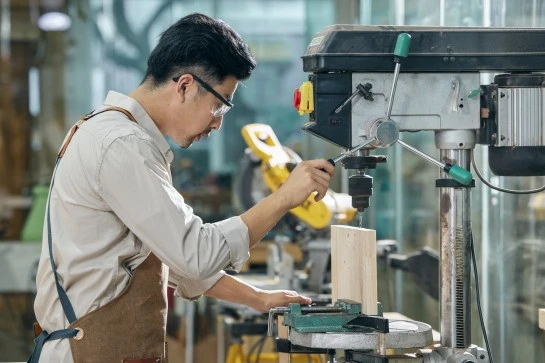
Manufacturing Partnerships versus Traditional Outsourcing
In traditional outsourcing, relationships are based on transactions that are mostly about cutting costs and getting more capability. Outsourcing can save money in the short term, but it often leads to dependencies that make the supply chain more vulnerable instead of less vulnerable.
In manufacturing, partnerships stress working together, with shared risks and benefits that make both parties want to succeed. Partners are more likely to keep up service levels, invest in skills, and help each other through tough times when they are aligned.
Outsourcing and relationship models are very different when it comes to control and freedom. When you outsource, you usually give up control over the production process. In partnerships, on the other hand, you keep strategic control while using the partner's skills and resources.
Partnership Models versus Joint Venture Structures
Joint ventures need a lot of money up front and set up official ownership systems that can make it harder to change how things are run. Joint companies can help with deep integration, but they also have complicated rules for running them and could cause disagreements over the strategic direction.
When it comes to scale, length, and financial commitments, manufacturing partnerships give you more options. Partners can change how much they work together based on new needs without the structure limitations that come with official joint ownership agreements.
In partnerships, risk sharing can be more carefully adjusted to fit each partner's skills and risk tolerance. On the other hand, joint projects usually require more extensive risk sharing, which may not fit each partner's strengths as well.
Partner Selection Criteria and Decision Frameworks
Operational capability review is the process of checking out how technically skilled, productive, and financially stable possible partners are. These basic skills decide whether partnerships can give the benefits that are expected and keep up their good work over time.
A cultural alignment review looks at how people talk to each other, how businesses work, and how they think about strategy to find places where conflict or problems working together might arise. Strong culture harmony makes it easier for people to work together and lowers the chance that a partnership will fail because of different ways of working.
Things to think about when positioning a business geographically include its closeness to key markets, its transportation network, its regulatory environment, and its government security. Strategically placing partners in different areas helps lower regional risks and improves both customer service and transportation costs.
Common Challenges in Manufacturing Partnerships and How to Overcome Them

To manage manufacturing partnerships well, you need to be aware of possible problems ahead of time and set up strong systems for stopping and fixing disagreements that could stop the collaboration from working well.
Communication Breakdown Prevention and Resolution
Protocols for regular contact set up regular meetings, performance reviews, and information-sharing events that keep partners on the same page. Structured communication keeps everyone up to date on changing circumstances, standards, and objectives and avoids mistakes.
Key performance indicators (KPIs) for quality, delivery, cost, and service levels are tracked by performance tracking tools across all joint activities. These measures give you objective information to judge the success of your partnership and find places that need work.
Escalation processes make it clear how to handle problems that can't be fixed through regular operational routes. Clear ways for things to get worse keep small issues from turning into big fights and make sure that big problems get the attention they need from management.
Quality Control and Compliance Risk Management
Through joint audit programs, everyone in the company is responsible for keeping an eye on quality standards and rules of compliance in all places. Collaborative accounting sets uniform standards and spreads the work and costs of keeping a close eye on everything.
Partners can use best practices, standardize processes, and keep quality levels the same no matter where the production takes place when they use shared quality systems. These combined systems cut down on differences in quality and the chance of problems caused by quality.
Compliance management makes sure that all partners keep up with their certifications, follow the rules, and meet industry standards. With shared compliance management, legal risks are lower, and if someone fails to follow the rules, it doesn't affect the whole partnership network.
Contractual and Financial Conflict Resolution
Mechanisms for proactive dispute settlement set up ways to deal with disagreements before they become big issues. Some of these tools are mediation, arbitration agreements, and joint problem-solving methods that keep partnership ties strong.
Frameworks for flexible renegotiation let partnerships react to changing market conditions, cost structures, and practical needs without ending relationships that are working well. Rigid contracts can't cause problems when things change because they are flexible from the start.
Financial openness rules make sure that all partners understand how costs are calculated, how prices are set, and how profits are shared. Clear financial plans keep disagreements about payments, costs, and sharing profits from happening, which could threaten the security of the relationship.
Real-World Examples and Best Practices of Manufacturing Partnerships Reducing Supply Chain Risk
Successful manufacturing partnership implementations in a range of industries show the real benefits of working together to control supply chain risk. They also give organizations thinking about similar strategies useful information.
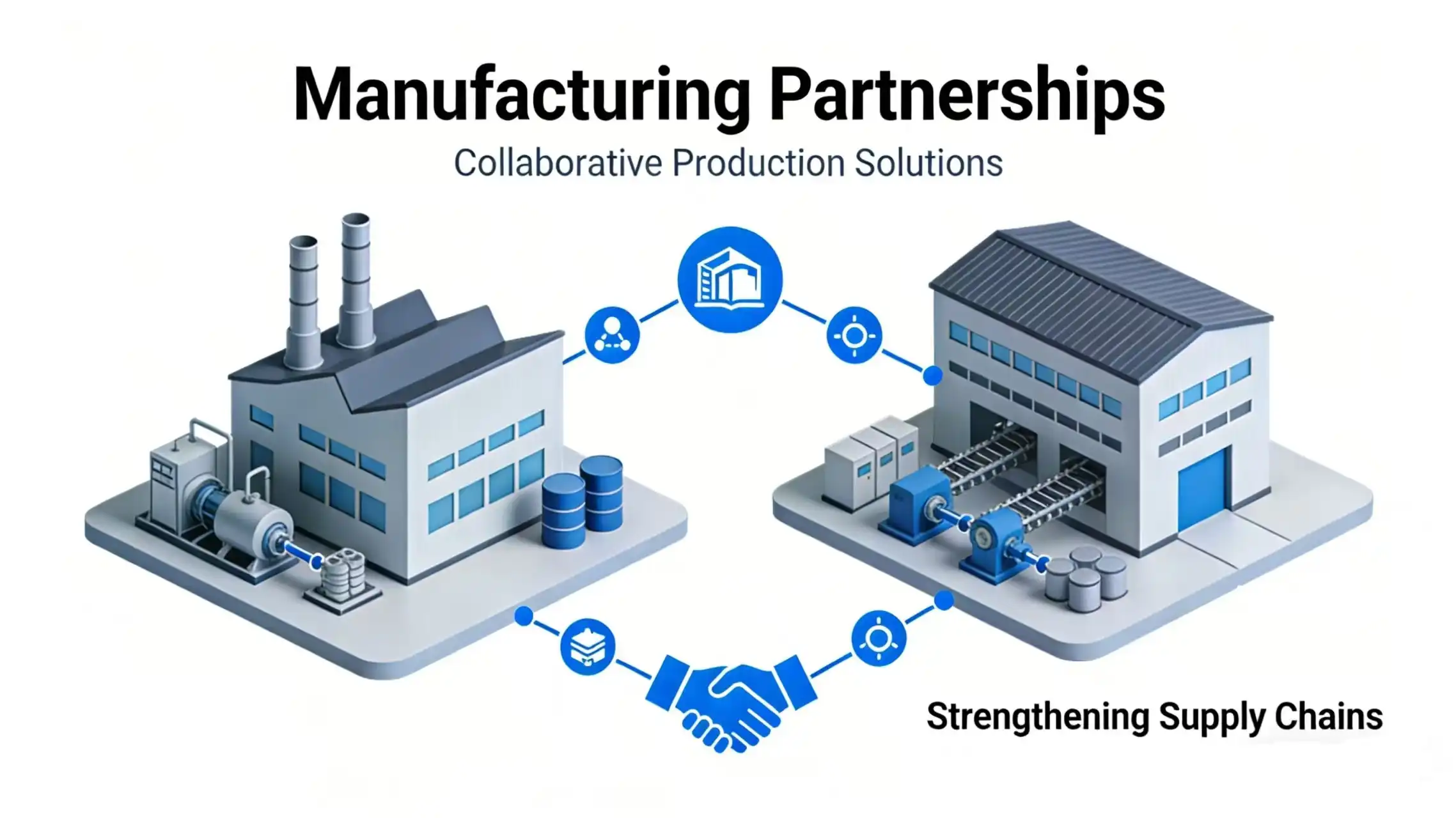
Technology Sector Partnership Success Stories
A big company that makes smartphones formed strategic relationships with several providers of parts to make the supply chain more resilient and less reliant on a single source. Shared technology development, coordinated capacity planning, and combined quality control systems were all part of the partnership network. These systems cut wait times by 30% and made it easier to get parts during times of high demand.
There were risk-sharing deals in the partnership framework that made sure that the financial effects of changes in the market were spread out among many partners. For example, when trade tensions affected some supply routes, other paths kept production going with little impact on shipping times or customer service.
The partnership's collaborative creation projects let everyone work together to create new technologies and ways of making things that made the products work better and cost less to make. These joint efforts to develop produced competitive benefits that helped all partners and made their overall market position stronger.
Industrial Manufacturing Partnership Models
A big aircraft business set up a network of manufacturing partners to help them make complicated parts while still meeting strict quality and legal standards. The partnership network had unified quality systems, shared licensing processes, and planned capacity management that let the network respond quickly to changes in demand.
Some ways to lower risk were geographical diversification, which protected against problems in certain areas, technology sharing, which increased total capability, and financial risk distribution, which made each partner less vulnerable to changes in the market. When natural disasters hit key production sites, the partnership network's other capacity kept shipping schedules on track with little effect on customers.
Through sharing best practices, working together to solve problems, and investing together in new production technologies, the partnership network's efforts to improve continuously led to big drops in costs and gains in quality.
Automotive Industry Collaboration Benefits
A company that makes electric cars formed relationships with battery suppliers, component suppliers, and assembly partners to build a strong supply network that could handle fast growth while keeping costs low. The structure of the partnership included unified inventory management, shared forecasts, and quality control tools that worked together.
Improvements to the supply chain's stability included shorter wait times, better access to parts, and a better ability to adapt to changing market needs. The relationship network made it possible to quickly increase output during times when the market was growing while keeping costs low and quality high.
Partners were able to predict and get ready for changes in the market, new technologies, and government rules by working together on planning processes. This ability to plan ahead lessened the effects of outside problems and made it easier to adjust to changing market conditions.
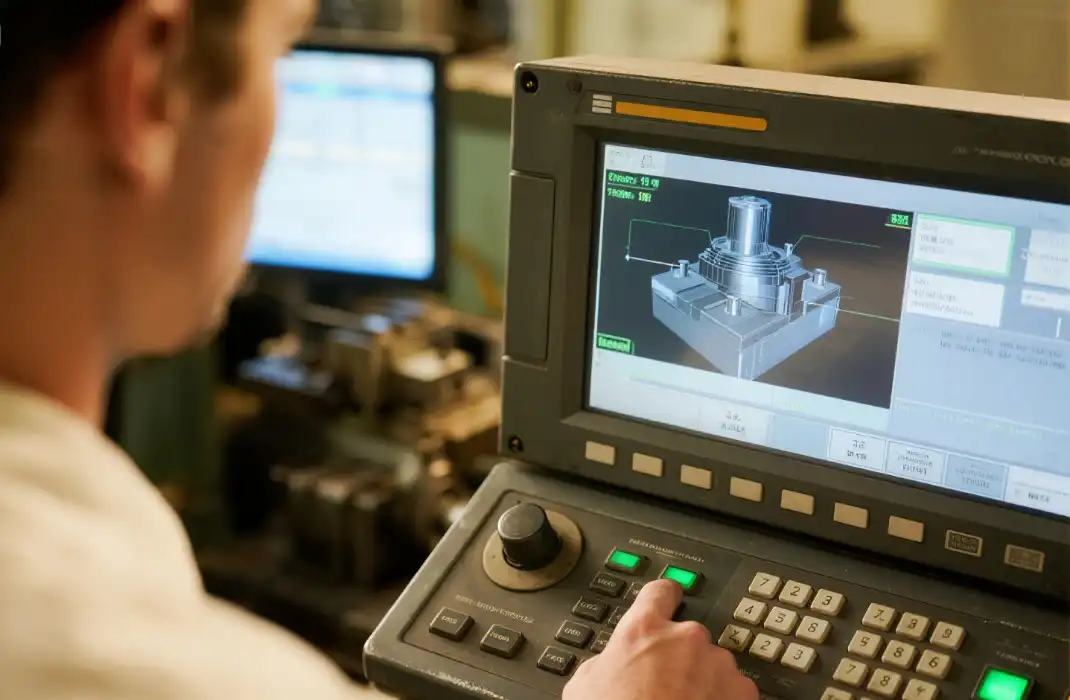
Conclusion
A smart way for businesses to deal with the tough problems they face today is to lower the risk in the supply chain. Manufacturing agreements do this. Manufacturing partnerships develop robust networks that can handle changes in the market and issues with operations when people work together and emphasize shared responsibility, unified planning, and open communication. Normal sourcing models can't offer the same benefits as this one. This model gives you more choices, better quality control, lower financial risks, and a bigger seat in the market. Making sure you pick the right partners, setting up strong methods of control, and managing your relationships all are important for implementation to work. But the investment is worth it because it makes the supply chain more resilient, which helps businesses stay open and compete in the market.
FAQ
How do manufacturing partnerships outperform traditional sourcing in reducing supply chain risks?
Traditional sourcing usually relies on business relationships whose main goal is to cut costs. Manufacturing partnerships, on the other hand, are based on working together, with shared responsibility and matched incentives. Partnerships make it easier to share risks, talk to each other, and plan together, which lets you handle risks before they happen instead of trying to fix problems after they happen.
What essential contract elements protect all parties in manufacturing partnerships?
Clear risk allocation models, performance measurements and service level agreements, conflict settlement methods, intellectual property protections, secrecy provisions, termination terms, and flexible renegotiation processes are some of the most important parts of a contract. These parts set standards for both sides and protect each other's investments and interests.
How can companies ensure sustainability and ethical standards in global manufacturing partnerships?
To make sure sustainability, companies must agree to work together on social and environmental issues and have shared audit programs, open reporting systems, and sustainability measures that are all the same. Ethical standards are kept up by regular evaluations and programs for growth. These also help to build partnership relationships and the market's image.
Partner with BOEN Prototype for Strategic Manufacturing Partnerships
Businesses seeking reliable manufacturing partnerships source options can use BOEN Prototype's full development and low-volume production services to make their supply chains stronger. Our advanced skills include CNC machining, rapid injection molding, 3D printing, and precision metal production. We have experience in the automobile, medical device, aircraft, consumer electronics, and robotics industries. We know how important it is for supply chains to be reliable, so we offer manufacturing partnerships that are open and responsive to your needs while still meeting the highest quality standards. Get in touch with our team at contact@boenrapid.com to find out how our approach to manufacturing partnerships can help you reach your product development goals while lowering the risks in your supply chain.
References
Chen, Michael and Rodriguez, Patricia. "Strategic Manufacturing Partnerships: Building Resilient Supply Networks." Journal of Supply Chain Management, Vol. 45, No. 3, 2023.
Williams, David J. "Risk Mitigation Through Collaborative Manufacturing: A Comprehensive Analysis." International Manufacturing Review, 2023.
Thompson, Sarah K. and Kumar, Rajesh. "Partnership Strategies for Supply Chain Risk Reduction." Business Strategy Quarterly, Vol. 28, No. 2, 2023.
Anderson, Robert M. "Manufacturing Collaboration Models: Comparative Analysis and Best Practices." Supply Chain Excellence Journal, 2023.
Liu, Jennifer and Patel, Arjun. "Global Manufacturing Partnerships: Risk Management and Operational Benefits." Industrial Management Today, Vol. 67, No. 4, 2023.
Martinez, Carlos and Johnson, Emily. "Building Resilient Supply Chains Through Strategic Manufacturing Alliances." Operations Management Review, 2023.

How Can We Help?

Your Trusted Partner in Rapid Manufacturing.