Common Surface Finishing Options for Aluminum Parts
An essential step in the production process, surface finishing elevates aluminum from its raw state to that of a high-performance component befitting of rigorous industrial use. Manufacturers may maximize functional performance, boost longevity, improve aesthetic appeal, and raise corrosion resistance via different surface modification processes. Anodizing, powder coating, electroplating, mechanical polishing, and chemical treatments are some of the modern surface finishing procedures. Each of these approaches has its own set of benefits that are useful in different fields, such as the aerospace, automotive, electronics, and medical sectors.
Understanding Surface Finishing for Aluminum Parts
A wide variety of industrial procedures are involved in surface finishing, which aims to improve the aesthetics and usefulness of aluminum surfaces. These procedures improve the component's overall performance by radically changing the surface's microstructure and chemical makeup, making it more resistant to external influences.
The Science Behind Aluminum Surface Modification
When exposed to oxygen, aluminum develops a thin oxide coating that acts as a basic corrosion protector. Surface finishing for demanding industrial applications, however, requires more than what this natural oxidation can provide. Protective layers produced by professional surface treatment procedures are more effective than those produced by spontaneous oxidation because they are regulated and consistent. Surface finishing methods may be used to precisely regulate surface features on aluminum due to its electrochemical properties.
Industry Standards and Quality Assurance
Global supply chains may be assured of consistent quality thanks to international standards like ASTM B580 and ISO 12020, which set benchmarks for aluminum surface treatments. Aesthetic qualities, corrosion resistance, adhesion strength, and coating thickness are all defined by these requirements. It is especially important for regulated businesses, where component failure may have catastrophic implications, to ensure compliance with these criteria for B2B procurement.
Material Compatibility and Performance Optimization
The composition of the platform should be carefully considered when choosing a finishing procedure, since different aluminum alloys have different reactions to surface treatments. The anodizing properties of alloy 6061-T6 are second to none, and chemical conversion coatings improve the performance of 7075 aluminum. Engineers may effectively define finishing procedures that improve component performance while limiting costs by understanding these material interactions.
Top 5 Surface Finishing Methods for Aluminum Parts
In the aluminum surface finishing sector, there are five main procedures that are used, and each one has its own set of benefits. Incorporating cutting-edge materials science and process control technology, these time-tested methods have undergone continuous improvement over many decades of industrial development, allowing them to consistently provide high-quality outcomes.
Anodizing - The Gold Standard for Corrosion Protection
The regulated electrochemical procedures used in anodizing produce a thick and durable oxide coating. Properly anodised items last decades in hostile conditions because to this method's outstanding corrosion resistance. Coating thicknesses ranging from 0.1 to 1.0 mils may be achieved by Type II anodizing, but coatings as thick as 2.5 mils can be achieved using Type III hard anodizing. This method permits the incorporation of color by means of dye absorption, allowing for personalization of appearance without sacrificing protective qualities. When applied to automobile components, anodizing protects them against mechanical stress, chemical exposure, and temperature cycling.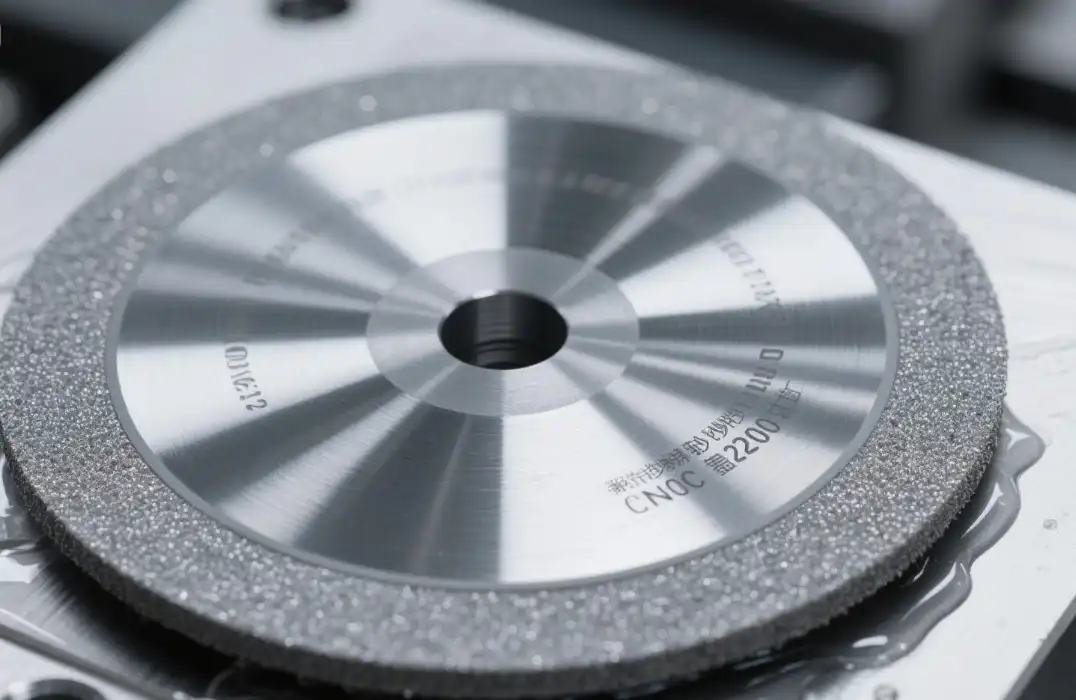
Powder Coating - Environmentally Compliant Durability
Powder coating eliminates the need for liquid solvents by electrostatically applying dry polymer particles, resulting in a uniform coating. In addition to providing better chip resistance and color retention, this eco-friendly procedure gets rid of volatile organic chemicals. Temperatures between 350 and 450 degrees Fahrenheit are used for curing, which forms a continuous protective coating by cross-linking polymer chains. Complete coverage in recessed regions is guaranteed by the technique, which accommodates complicated shapes by electrostatic attraction. Enclosures that need electromagnetic shielding and still look good are best coated with powder, according to electronics makers.
Electroplating - Functional and Decorative Enhancement
It is common practice to use specific zinc or nickel striking layers when electroplating thin metallic layers onto aluminum surfaces to ensure adequate adherence. Precious metals, nickel, and copper are common plating materials, and they all have their uses. Copper plating enhances thermal management qualities, whilst nickel plating provides superior electrical conductivity and wear resistance. Engineers are able to strike a balance between performance and cost when it comes to surface finishing because to the process's exact thickness control, which usually falls within the range of 0.0002 to 0.005 inches.
Mechanical Polishing - Precision Surface Refinement
Achieving mirror-like finishes with surface roughness levels below 0.1 micrometers is achieved by mechanical polishing, which eliminates surface imperfections through sequential abrasive operations. Coarse abrasives are used first, followed by ultra-fine polishing compounds in the subsequent phases of the procedure. Vibratory finishing and magnetic abrasive processing are two advanced polishing processes that are used for complicated geometries. Surgical tools and implanted parts in particular need smooth surfaces for biocompatibility and cleanliness.
Chemical Finishing - Precision Surface Modification
Chemical treatments that alter surface chemistry without substantially removing material include etching, passivation, and conversion coatings. Phosphoric acid anodizing produces the best possible bonding surfaces for structural adhesives, while chromate conversion coatings provide superior paint adherence and corrosion protection. Before further treatments may be applied, the surface can be chemically etched to remove impurities and provide a controlled roughness. With these methods, you may fine-tune your surface attributes to meet your unique performance needs.
How to Choose the Right Surface Finishing Method for Aluminum Parts
Before settling on the best surface finishing, it's important to weigh all of the relevant criteria, such as functional needs, budgetary limitations, and manufacturing schedules. Procurement choices that are successful strike a compromise between short-term project requirements and long-term performance goals, with total cost of ownership (TCO) taking precedence over processing expenses.
Performance Requirements Analysis
Surface finishing selection is driven by component functioning. Different applications need surfaces with various qualities. Coating performance is validated by corrosion resistance testing in maritime conditions according to ASTM B117. The selection of plating is impacted by electrical conductivity requirements, whereas the requirements for color stability and gloss retention are determined by aesthetic demands. Components used in automobiles undergo temperature cycles ranging from -40°F to 300°F, hence the capacity to withstand these cycles is crucial.
Industry-Specific Considerations
Customized surface solutions are necessary for every industrial sector due to the distinct problems it brings. Parts used in automobiles need to be able to endure a lot of wear and tear, including vibration, chemical exposure, and temperature changes, all while looking good. Coatings that transmit electricity or dissipate heat are often necessary in electronic applications because to the high priority placed on electromagnetic compatibility and thermal management. Finishing choices for medical devices are limited to materials and procedures allowed by the FDA due to the high standards of biocompatibility and sterilization resistance.
Economic and Timeline Factors
Anodizing usually provides the greatest cost-performance ratio for moderate-volume manufacturing, however processing costs may vary greatly across finishing procedures. Chemical procedures needing substantial fixturing are more expensive than simple mechanical finishing when it comes to setup requirements, which impact small-batch economics. Mechanical polishing may be done the very same day as the order, but anodizing processes might take weeks. This is especially true when certain requirements, such as color matching, are required.
Common Challenges and How Surface Finishing Solves Them for Aluminum Parts
Environmental deterioration and functional restrictions are only two of the many problems that raw aluminum components encounter in industrial applications. Component life is extended and performance attributes are improved by the systematic application of suitable surface treatments, which strategically address these difficulties.
Corrosion and Oxidation Prevention
Damage to the surface's aesthetics and structural integrity might result from uneven oxidation on unprotected aluminum. Aluminum undergoes galvanic corrosion when it comes into touch with metals that are not equivalent to it in an electrolyte environment, which speeds up the process of material loss. Anodizing is a long-term corrosion prevention method that uses controlled oxide layers that are up to 100 times thicker than what would be created by spontaneous oxidation. Chemical conversion coatings provide further defense by forming barrier layers that stop electrolytes from penetrating.
Adhesion and Bonding Improvements
A variety of industrial uses need the use of adhesives, paints, gaskets, and other compounds that may relyably connect with aluminum. Surface pollution and oxide layer instability typically cause untreated aluminum surfaces to have poor adherence. Phosphoric acid anodizing and silane treatments are two examples of the specialized surface finishing preparations used to make surfaces that are chemically active and may establish strong covalent connections with organic molecules. When compared to untreated surfaces, these surface finishing treatments boost bond strength by 300-500%.
Wear Resistance and Durability Enhancement
Because of their low surface hardness, standard aluminum alloys wear down quickly and fail to hold components together in many mechanical uses. While harsh anodizing maintains aluminum's lightweight properties, it produces surface hardness levels above 60 HRC, which are equivalent to tool steels. Reducing friction coefficients and increasing component life in sliding applications, the method provides regulated porosity that absorbs lubricants.
BOEN Prototype Surface Finishing Solutions
BOEN Prototype offers a full range of aluminum surface finishing services tailored to meet the needs of industrial customers that need quick prototypes and can handle low-volume production. With our wealth of knowledge in the automotive, electronics, medical, and aerospace industries, we can design individualized solutions that match even the most stringent performance requirements, all while keeping our prices low and our turnaround times short.
Comprehensive Service Portfolio
Type II and Type III anodizing, powder coating, electroplating, mechanical polishing, and chemical conversion coatings are all within our surface finishing capabilities for aluminum. Consistent quality is ensured throughout all finishing processes by use of advanced process control systems, which monitor important parameters including temperature, current density, and solution chemistry in real-time. To guarantee dependable performance in demanding applications, every procedure is thoroughly validated according to applicable industry standards.
A more streamlined process with less handling and shorter lead times is the result of our finishing services' combination with CNC machining, quick injection molding, and 3D printing. Coordination across operations has a substantial influence on final quality and delivery deadlines, making this integrated approach especially useful for complicated assemblies involving many manufacturing processes.
Quality Assurance and Technical Support
In addition to carrying out processes, we also provide thorough testing and validation services as part of our dedication to quality. We can measure coating thickness, test adhesion, evaluate corrosion resistance, and verify dimensions using coordinate measuring machines—all in-house. In order to prevent field failures and expensive rework, these quality control procedures make sure that every part is up to snuff before it's sent.
Customers are able to overcome difficult engineering problems with the use of technical support services, which include advice on material selection, suggestions for optimizing processes, and the ability to analyze failures. In order to speed up time-to-market and avoid expensive design cycles, our engineering team works closely with client design teams to find the best finishing solutions early on in the development process.
Conclusion
The production process of aluminum components relies heavily on surface finishing, which affects the performance, durability, and aesthetic features of the components in many industrial contexts. The five main finishing methods - chemical treatments, electroplating, powder coating, and anodizing - each have their own set of benefits that make them ideal for certain kinds of work. Performance needs, industry standards, economic considerations, and production schedules must all be carefully considered for an implementation to be a success. With BOEN Prototype's extensive skills and technological knowledge, customers can accomplish their goals and stay ahead of the competition.
1. What is the difference between anodizing and powder coating for aluminum parts?
Anodizing creates an oxide layer through electrochemical processes, becoming an integral part of the aluminum substrate with exceptional corrosion resistance and dimensional stability. Powder coating applies organic polymer layers that provide superior impact resistance and color variety but may be susceptible to chipping under severe mechanical stress. Anodizing typically costs less for large volumes while powder coating offers better aesthetic options.
2. How long does surface finishing typically take for aluminum components?
Processing times vary significantly by method and part complexity. Mechanical polishing can be completed within hours, while anodizing typically requires 3-5 days for standard colors and up to 10 days for custom specifications. Powder coating generally takes 2-3 days, including curing cycles. Complex geometries and special requirements may extend processing times, making early planning essential for time-sensitive projects.
3. Do surface finishes actually prevent aluminum from rusting?
Aluminum does not rust like steel but develops surface oxidation that can compromise appearance and performance. Professional surface treatments create controlled protective barriers that prevent uncontrolled oxidation and galvanic corrosion. Properly applied anodizing can extend aluminum component life by decades, while untreated parts may show degradation within months in corrosive environments.
Partner with BOEN Prototype for Superior Surface Finishing Solutions
BOEN Prototype stands ready to support your aluminum surface finishing requirements with industry-leading capabilities and technical expertise. Our comprehensive surface finishing manufacturer services include anodizing, powder coating, electroplating, and mechanical polishing, all backed by rigorous quality control and fast turnaround times. Whether you need rapid prototyping or low-volume production, our team delivers consistent results that meet the most demanding specifications. Contact us at contact@boenrapid.com to discuss your project requirements and experience the BOEN advantage in precision surface finishing solutions.
References
1. Thompson, Michael R. "Advanced Surface Treatment Technologies for Aluminum Alloys in Industrial Applications." Journal of Materials Processing Technology, 2023.
2. Rodriguez, Sarah L. "Corrosion Protection Mechanisms in Anodized Aluminum Components: A Comprehensive Analysis." International Conference on Surface Engineering, 2023.
3. Chen, David W. "Economic Evaluation of Surface Finishing Methods for Aluminum Parts in Manufacturing." Industrial Engineering and Management Review, 2022.
4. Martinez, Elena K. "Quality Control Standards for Aluminum Surface Treatments in Aerospace Applications." Society of Manufacturing Engineers Technical Paper, 2023.
5. Johnson, Robert P. "Environmental Impact Assessment of Modern Aluminum Finishing Processes." Environmental Technology and Innovation, 2022.
6. Williams, Jennifer M. "Comparative Study of Adhesion Properties in Surface-Treated Aluminum Substrates." Materials Science and Engineering Conference Proceedings, 2023.

How Can We Help?

Your Trusted Partner in Rapid Manufacturing.