How Custom Machined Parts Pricing Is Calculated?
To figure out how much custom machined parts cost, you have to look at a number of things that affect the direct cost of production. Custom machined parts are precisely engineered parts that are made using subtractive production to meet specific design needs in fields like consumer gadgets, medical devices, aircraft, and cars. The price structure takes into account the cost of raw materials, the difficulty of the job, setup fees, labor rates, quality standards, and the number of units that need to be made. All of these parts add up to the final quote, so procurement professionals need to know about them in order to properly evaluate supplier proposals and manage factory funds.
Understanding Custom Machined Parts Pricing
Precision cutting is an advanced way to make things. It uses controlled techniques to remove material from raw materials to make exact shapes. The way prices are set represents the tricky balance between the cost of materials, the time it takes to handle them, and the quality standards that are needed for custom manufacturing to work.
Core Components of Machining Costs
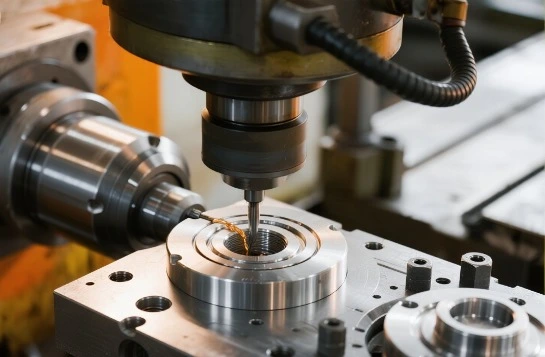
When figuring out prices, choosing the right material is the first step. This is because different metals, plastics, and unique materials have different base costs and machining properties. Tool wear, cutting speeds, and total cycle times are all affected by how aluminum 6061 is machined compared to titanium or strengthened steel. Different production needs are caused by these material qualities, which have a direct effect on the cost structure.
Setup costs, which include preparing the tools, setting the machine, and checking the first part, are another important price factor. These extra costs go up when you need to set up complicated shapes more than once or special tools. This is especially true for smaller production runs where setup costs can't be spread out over many parts.
Calculations of labor and machine time take into account the skills of the operators, the wear and tear on the equipment, and the costs of running the facility. Programming, monitoring, and quality control on modern CNC equipment needs to be done by trained techs. Machine hour rates represent the costs of buying the equipment, keeping it in good shape, and running it.
Quality Standards Impact on Pricing
Pricing is heavily affected by tolerance requirements, since stricter requirements call for more exact equipment, slower cutting speeds, and more checking steps. Parts that need limits of ±0.001" cost a lot more than parts that can handle variations of ±0.010" because they are harder to make and require more quality control measures.
Specifications for surface finish also affect price. For example, mirror finishes or certain roughness standards mean that more machining passes, special tools, or extra processes are needed. Because of these needs, cycle times are longer and more materials have to be moved, which has a direct effect on the final price.
Key Factors Affecting the Cost of Custom Machined Parts
There are a number of important factors that affect how much precision made parts cost in the end. Each of these factors has its own cost effects that experienced buying teams need to be aware of in order to evaluate suppliers and plan their budgets effectively.
Material Selection and Availability
What makes the price of raw materials change? The market, the metal's complexity, and things in the supply chain. It's usually easy to guess what the prices of popular materials like aluminum and mild steel will be. Rare metals, titanium, unique plastics, and custom machined parts, on the other hand, cost more because they are harder to work with and not as common.
Price estimates are also affected by material form factors. Standard bar stock usually costs less than custom forgings or unique forms. Waste costs are affected by how well materials are used. When round bar stock is used to make rectangular parts, more scrap is made than when materials are used efficiently.
Design Complexity and Geometric Challenges
The shape of a part is directly related to how hard it is to machine and how much it costs. Complex multi-axis parts with complicated internal tunnels or thin-walled sections need a lot more setup and tools than simple turned parts with basic features. Specialized tools and longer cycle times are needed for deep pockets, undercuts, and complex shapes.
The amount of processes needed has a big effect on how prices are set. Parts that need to be set up more than once, have tool changes, or go through extra steps cost more in work and machine time. By combining features to cut down on processes, prices often go down while accuracy in measurements goes up.
Production Volume Considerations
Batch size has a big effect on unit prices by spreading out setup costs and making the most of efficiency. Here are the main volume-related things that affect how much something costs:
- Small-batch production usually has higher costs per part because setup costs are spread out over fewer units, making each part pay a bigger share of the costs.
- Most of the time, medium-volume runs are the most cost-effective because they balance setup costs with production savings while keeping quality standards high.
- Making a lot of them lowers the cost per unit through setup amortization, but you might need to buy more tools or special fittings to keep things running smoothly.
These volume factors help procurement workers understand why price designs change a lot depending on the amount needed. Because of economies of scale, manufacturing partners often offer tiered pricing that encourages bigger orders while keeping rates low for pilot and small-batch needs.
CNC vs Manual Machining: Pricing and Efficiency Comparison
When it comes to price, wait times, and quality stability, choosing between CNC and manual machining has a big effect. By knowing these differences, you can make smart choices about how to manufacture things based on the needs of the job and your budget.
CNC Machining Cost Factors
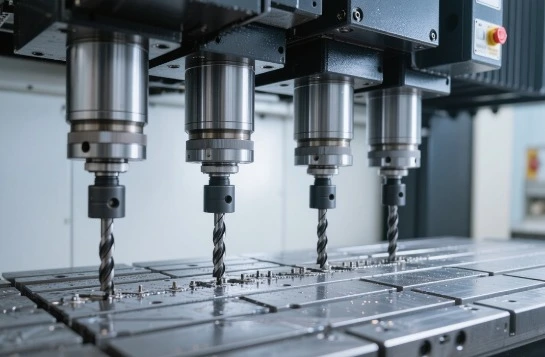
One-time costs are very high for software that needs to be set up. Cutting on a computer is more accurate and can be done over and over. Parts of CNC programs that cost money are setting up the part, making the toolpath, and running the first tests. CNC is a cost-effective option for medium to large quantities of custom machined parts because the costs are spread over longer production runs.
Machine rates for CNC equipment usually go higher than traditional options because the equipment is more expensive, needs more upkeep, and is harder to use. High-tech multi-axis tools have higher prices because they can do more and have tighter limits.
Manual Machining Economics
When setup costs are higher than production rates, manual cutting can be a cheaper option for simple shapes or very small quantities. Skilled machinists can make one-of-a-kind parts without having to deal with a lot of code, which means that hand methods can be used for developing prototypes or fixing things.
However, hand machining has some problems, such as less repeatability, longer cycle times for complex features, and a reliance on the skill level of the user. Because of these things, the cost of each part is usually higher when making more than one unit.
Efficiency and Quality Trade-offs
CNC machining allows for uniform surface treatments and accuracy in measurements, as well as production that can happen without any lights being on. This dependability cuts down on the need for inspections and the cost of quality control, which is especially helpful for important uses in the aircraft, medical, or car industries.
To make sure consistency, manual processes need more thorough quality control and review steps, which could make the total project cost more even though machine rates are lower. When it comes to output, CNC methods often win out because they save money up front and guarantee quality.
Comparing Custom Machined Parts Pricing with Other Manufacturing Methods
By knowing how the prices of precision machining compare to those of other manufacturing methods, buying teams can choose the best production methods for each project's needs, volume, and quality standards.
Machining vs. Injection Molding Economics
For injection casting, you have to buy a lot of tools, which makes sense for large amounts but is too expensive for smaller ones. For complicated parts, the cost of the tools can be very high, and thousands of parts are needed to get the cost down to the same level as made options.
Machining lets you start making things right away, without having to wait for tools to be made or pay for them up front. This benefit is especially useful for making prototypes, making sure the design works, or for low-volume specialty uses where the cost-effectiveness of injection molding can't be justified.
Additive Manufacturing Comparisons
3D printing technologies let you be creative with your designs and make prototypes quickly, but they often come with higher material costs and need to be processed afterward. Even though metal additive manufacturing is new, it usually costs more per part than traditional machining for standard shapes and output numbers.
When compared to most added processes, machining gives better surface finishes, material qualities, and accuracy in measurements. Because of these benefits, traditional machining is best for making useful prototypes and production parts that need to fit perfectly or have important performance qualities.
Casting and Forging Alternatives
In the same way that injection molding has its limits, casting parts need pattern expenses and minimum numbers in order to be profitable. Machining lets you change the design more easily and quickly, and you don't have to commit to any tools, so it's good for design development and special tasks.
Forged parts have great material qualities, but they need to be made in large quantities and with expensive tools in order to be cost-effective. When the right raw materials are used, machining can make products with similar performance while keeping production flexible and lowering the minimum order numbers.
How to Effectively Request Quotes and Manage Orders for Custom Machined Parts
To successfully buy precision machined parts, you need to be able to communicate clearly, give clear specs, and use structured quote management methods. These steps make sure that prices are correct, that communication is clear, and that good relationships with suppliers are built.
Essential Documentation Requirements
Full technical sketches with the right sizes, tolerances, and notes are used to make sure that quotes are correct. On the drawings, you should write down important measurements, standards for surface finish, and any other review criteria. Sometimes, when sellers need more information about custom machined parts, the numbers they give are too low or the quotes are put on hold.
The material specs must make it clear what kinds of alloys are being used, how they should be treated, and if there are any special needs, like licenses or tracking. Generic material callouts make things less clear, which can lead to price differences or problems with quality during production.
Quote Evaluation Strategies
Before you can compare quotes, you need to know what each supplier's prices cover. Some offers include material, machining, finishing, and testing; others only price the parts separately. Standardizing quote forms makes it easier to find real differences in costs instead of differences in structure.
When it comes to time-sensitive projects, lead time is often just as important as price. By knowing each supplier's capacity, wait times, and rush options, you can make smart choices that balance cost and time needs.
Order Management Best Practices
Misunderstandings can be avoided during production by having clear buy orders with clear specs, delivery requirements, and quality standards. Including requirements for inspections, directions for packing, and shipping choices makes sure that the project runs smoothly.
Regularly talking to suppliers during production lets you see how things are going and lets you solve problems before they become a problem. Setting up check-ins at key points for complicated or important parts helps keep the project on plan and meet quality standards.
Building good connections with suppliers through professional communication, on-time payments, and clear standards can lead to better prices, faster scheduling, and better service for future projects.
Conclusion
To figure out the price of custom machined parts, you need to know a lot about the costs of materials, the difficulty of the design, the production volume, and the quality standards. To make procurement work, you need to be able to talk to sellers clearly, give them clear instructions, and keep your project goals fair. The project's goals, schedule, and price should guide the choice between CNC and manual machining, as well as other ways to make things. Managing quotes and working with suppliers well will help you save money while still meeting quality standards, which is important for developing new products and running successful manufacturing operations.
FAQ
What factors most significantly impact custom machined parts pricing?
The three most important things that affect prices are the choice of material, the difficulty of the part, and the amount that is made. Exotic materials like titanium or specialized metals cost more, and complicated shapes that need to be set up more than once add to the cost of work and machine time. Volume effects are especially strong, as more of something means that the setup costs can be spread out over time and the process runs more smoothly.
How do tolerance requirements affect machining costs?
Tighter standards make things a lot more expensive because they require more inspections, slower cutting parameters, and special tools. Parts that need limits of ±0.001" may cost a lot more than parts that can handle variations of ±0.010" because they are harder to make and need more quality control.
Why do CNC machining quotes include programming charges?
Making CNC programs means making toolpaths, choosing cutting settings, and checking part programs before they are made. These tech costs include the time and money spent on software and skilled programmers. Programming fees are usually spread out over a larger amount of work, which makes them cheaper for bigger orders.
How do minimum order quantities affect pricing?
A lot of providers have base charges that cover the costs of setting up the business and running it. Machine setup costs are often not worth it for small amounts, which leads to higher per-part costs or minimum order requirements. Knowing these limits helps you choose the best order size to save money.
What information should be included in quote requests?
Quotes that are exact must include full engineering drawings, material specs, number needs, quality standards, and delivery dates. When providers are missing information, they have to guess or ask for more details, which could cause bids to be delayed or price differences.
Partner with BOEN Prototype for Your Custom Machined Parts Requirements
BOEN Prototype specializes in making precise custom machined parts for a wide range of industries, such as consumer goods, medical devices, cars, and airplanes. We can do a lot of different kinds of manufacturing, like CNC machining, fast development, and low-volume production. We have high standards for quality and reasonable prices. As a custom machined parts supplier with a lot of experience, we know how important it is to find the right mix between lowering costs and meeting performance standards in order to make a great product. Email our team at contact@boenrapid.com to talk about the details of your project and get prices that are specific to your industrial needs.
References
Smith, J.R. "Manufacturing Cost Analysis: Principles and Applications in Modern Production." Industrial Engineering Press, 2023.
Johnson, M.K., and Williams, P.T. "CNC Machining Economics: A Comprehensive Guide to Pricing and Efficiency." Precision Manufacturing Journal, Vol. 45, 2023.
Anderson, L.S. "Material Selection and Cost Optimization in Custom Manufacturing." Manufacturing Technology Review, 2023.
Brown, D.A., et al. "Quality Standards and Their Impact on Machining Costs." International Journal of Manufacturing Science, Vol. 38, No. 4, 2023.
Wilson, R.M. "Procurement Strategies for Custom Machined Components." Supply Chain Management Quarterly, Spring 2023.
Thompson, K.L. "Comparative Analysis of Manufacturing Methods: Machining vs. Alternative Processes." Production Engineering Today, Vol. 29, 2023.

How Can We Help?

Your Trusted Partner in Rapid Manufacturing.