What Is the Best CNC Machining Company for Prototypes and Custom Parts?
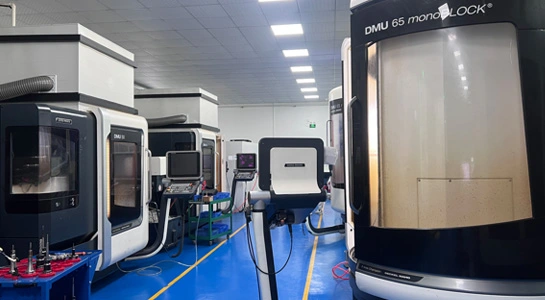
When searching for the best CNC machining company for prototypes and custom parts, the answer depends on your specific industry requirements and project complexity. Top-tier providers distinguish themselves through certified quality systems, advanced multi-axis equipment, comprehensive material expertise, and rapid turnaround capabilities. Companies excelling in precision CNC machining deliver consistent tolerances, transparent communication, and proven experience across demanding sectors like automotive, aerospace, medical devices, and consumer electronics. The ideal partner combines technical proficiency with responsive customer service, enabling engineers and procurement teams to accelerate product development cycles while maintaining rigorous standards for functional proof and pre-production testing.
Understanding CNC Machining and Its Role in Prototyping and Custom Parts
With computer numerical control technology, digital designs can be turned into physical parts that work very accurately and consistently. Using rotating cutting tools that are led by computer programs, this subtractive manufacturing method takes material away from solid blocks. The result is parts that are very precise in their dimensions.
Core Techniques in Modern CNC Operations
CNC milling is great for making enclosures, housings, and structural parts because it uses spinning cutters that move along multiple axes to form complicated designs. When you turn something, you turn it against cutting tools that stay in one place, which is perfect for making cylinder-shaped parts like shafts and connectors. Drilling makes exact holes for fasteners and parts, and modern five-axis systems make it possible to do undercuts and complex shapes that would not be possible with traditional methods. These skills help a lot of different fields, from making parts for drones to developing EV powertrains.
Material Versatility Across Industries
Modern machining centers can work with a wide range of materials, such as titanium, aluminum alloys, stainless steel, engineering plastics like PEEK and Delrin, and medical materials that are biocompatible. For robots and aircraft prototypes, aluminum CNC turning parts have great strength-to-weight ratios, while for car interior brackets, high-precision custom CNC bending parts let you make complex designs. CNC metal parts made in China show how global manufacturing can provide cost-effective solutions without lowering the quality standards needed by OEMs and testing labs.
Advantages Over Alternative Manufacturing Methods
Tolerances within 0.005 inches are common with custom CNC Machining, which offers superior dimensional accuracy to casting or fabrication methods. 3D printing is great at making complex internal geometries, but it often needs extra work afterward; machined samples, on the other hand, have surface finishes and mechanical qualities that are ready for production right away. People who ask, "Is CNC Machining wasteful?" have out-of-date ideas about the process. Modern toolpath programming and material nesting strategies maximize yield, which supports sustainability goals while keeping fast iteration speeds that are important for product development teams.
Key Criteria for Choosing the Best CNC Machining Company
When looking for a manufacturing partner, you need to think about a lot of things that will directly affect the success of the project. Supplier evaluation is based on things like quality certifications, technological infrastructure, delivery performance, and clear pricing.
Certifications and Quality Standards
Leading machining companies keep their ISO 9001 license as proof that they have recorded quality management systems. Manufacturers of medical devices should make sure that their products are compliant with ISO 13485, while aerospace clients need AS9100 registration. These credentials show that the inspection, traceability, and corrective action protocols have been checked and approved. Trustworthy businesses will gladly provide CMM reports, surface roughness readings, and material certifications when asked for sample inspection reports that show real measurement data compared to limits.
Equipment Capabilities and Technical Capacity
Check to see if possible partners have modern multi-axis machining machines that can handle the complexity of your part. Three-axis mills work well for simple shapes, but four- or five-axis machines are needed for parts with complex curves or angles. Find out the spindle speeds, tool magazine capacity, and work area measurements to make sure they will work with the sizes of your parts. Entry-level systems can handle materials up to 12mm thick well, while industrial-grade systems can handle steel plates thicker than 50mm, which is important for heavy-duty uses in industrial equipment and structural assemblies.
Turnaround Time and Production Flexibility
When you use rapid prototyping, you need suppliers who can meet tight deadlines without sacrificing quality. The best service providers offer fast services that give working prototypes in 3–5 business days, which speeds up the design approval process. Check to see if they can handle going from one prototype to low-volume production runs of 50 to 500 units. This level of freedom is very helpful when moving from research to pilot manufacturing, and costly project delays can be avoided by being clear about lead times for things like getting materials and finishing work.
Pricing Transparency and Value Assessment
Material prices, CNC Machining time, equipment needs, and finishing processes should all be broken down separately in detailed quotes. Because of this, it is possible to make meaningful comparisons between suppliers and find ways to cut costs. Watch out for quotes that are way too low; they could mean that the products aren't up to par, the equipment is old, or there isn't enough quality control. Balanced pricing takes into account the real costs of making something while still providing solid results that meet both functional and visual needs.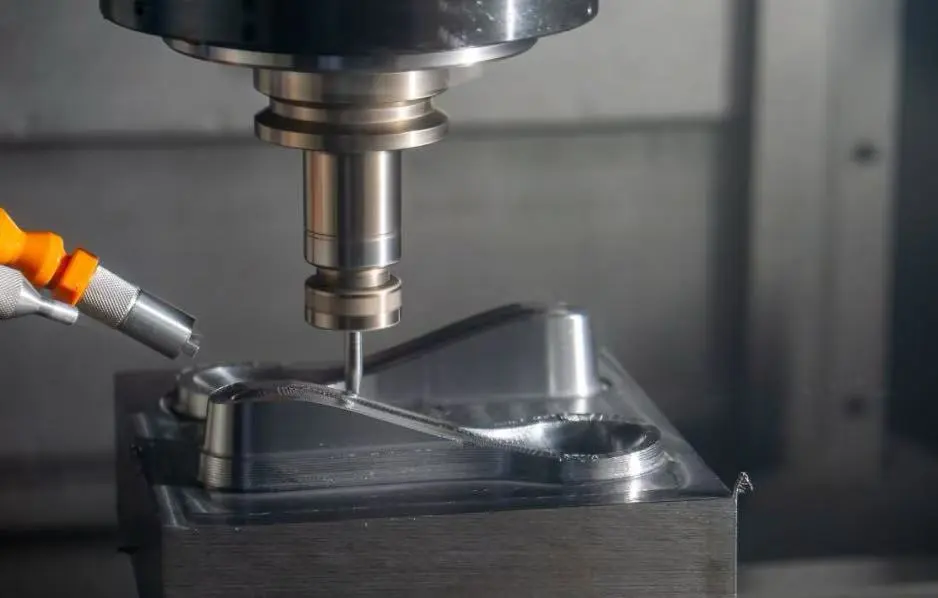
Comparing CNC Machining Providers: What Sets the Best Apart?
It's important for procurement teams to understand what makes one machining supplier better than another so they can make decisions that are in line with their strategic goals.
Geographic Considerations and Supply Chain Impact
When it comes to communication, protecting intellectual property, and making shipping easier, domestic providers are often more expensive. Nearshore partners try to find a mix between lowering costs, keeping transport times short, and doing business in the same way. Global providers can offer low prices and specialty services, especially for large orders where consolidated packages are more cost-effective. Instead of just looking at per-unit prices, you should look at the overall landed costs, which include freight, taxes, and the cost of keeping inventory.
CNC Machining Versus Alternative Technologies
Knowing when grinding is better than other ways helps choose the best technology. By bending and stamping, sheet metal fabrication is great at making big structures with thin walls, whereas machined parts allow for better thickness control, tighter tolerances, and better surface finishes for precision assemblies. Plate cutting can be done by ironworkers and plasma systems, but they aren't as accurate with measurements as milling operations. On the other hand, 3D printing lets you make grid structures and organic shapes that are hard to machine, though the properties of the materials you use may be limited. Injection molding is cost-effective for orders over 1,000 units, but the expensive tools needed make it unsuitable for prototyping budgets.
Benchmarking Industry Leaders
Outstanding machining companies show consistent quality through case studies that show difficult projects, customer feedback, and open conversations about what they can and can't do. They spend money on teaching their employees, keep their inspection tools in good shape, and join industry groups. These companies suggest design changes that make manufacturing easier and cheaper, working with you as a partner instead of just selling you things. Their experience in a variety of fields, from biocompatible medical devices to AGV structural parts, helps them share the best ways to do things.
Streamlining the Procurement Process with Top CNC Machining Services
To have good business relationships, you need to be able to communicate clearly and work together in a way that avoids confusion and delays.
Requesting Accurate Quotes
Full RFQ packages should have 3D CAD files in native or STEP formats, detailed 2D drawings with GD&T callouts, material specifications with acceptable substitutes, quantity needs, delivery dates, and finishing needs. To keep costs down, list the critical dimensions and functional surfaces that need the tightest tolerances while allowing standard tolerances elsewhere. When doing the first review, providers who can handle high-precision custom CNC bending parts will ask for more information on bend angles, springback compensation, and inspection standards.
Building Transparent Supplier Relationships
Respecting each other and being honest about your strengths, weaknesses, and Prototype Manufacturing standards are key to making relationships work. For big projects, set up start meetings to go over technical needs, inspection standards, and packaging needs. Set up regular contact schedules while the prototype is being made and ask for reports on progress and checks every so often to catch problems early. Reliable suppliers don't wait for problems to happen to tell you about issues with material availability, changes in lead times, or design challenges that make it hard to manufacture.
Accelerating Time-to-Market with Quick-Turn Services
Fast-turn machining shortens development times by making samples that work during the design improvement stages. This lets you test multiple versions of the design at the same time, which speeds up the approval process for parts like lighting housings, enclosure production, and ergonomic testing samples. To meet tight targets, quick-turn suppliers keep extra capacity on hand, put important projects at the top of their list, and work longer shifts. These skills are especially useful for EV startups and consumer electronics developers who have to compete in markets that change quickly and where the timing of a product launch determines who wins.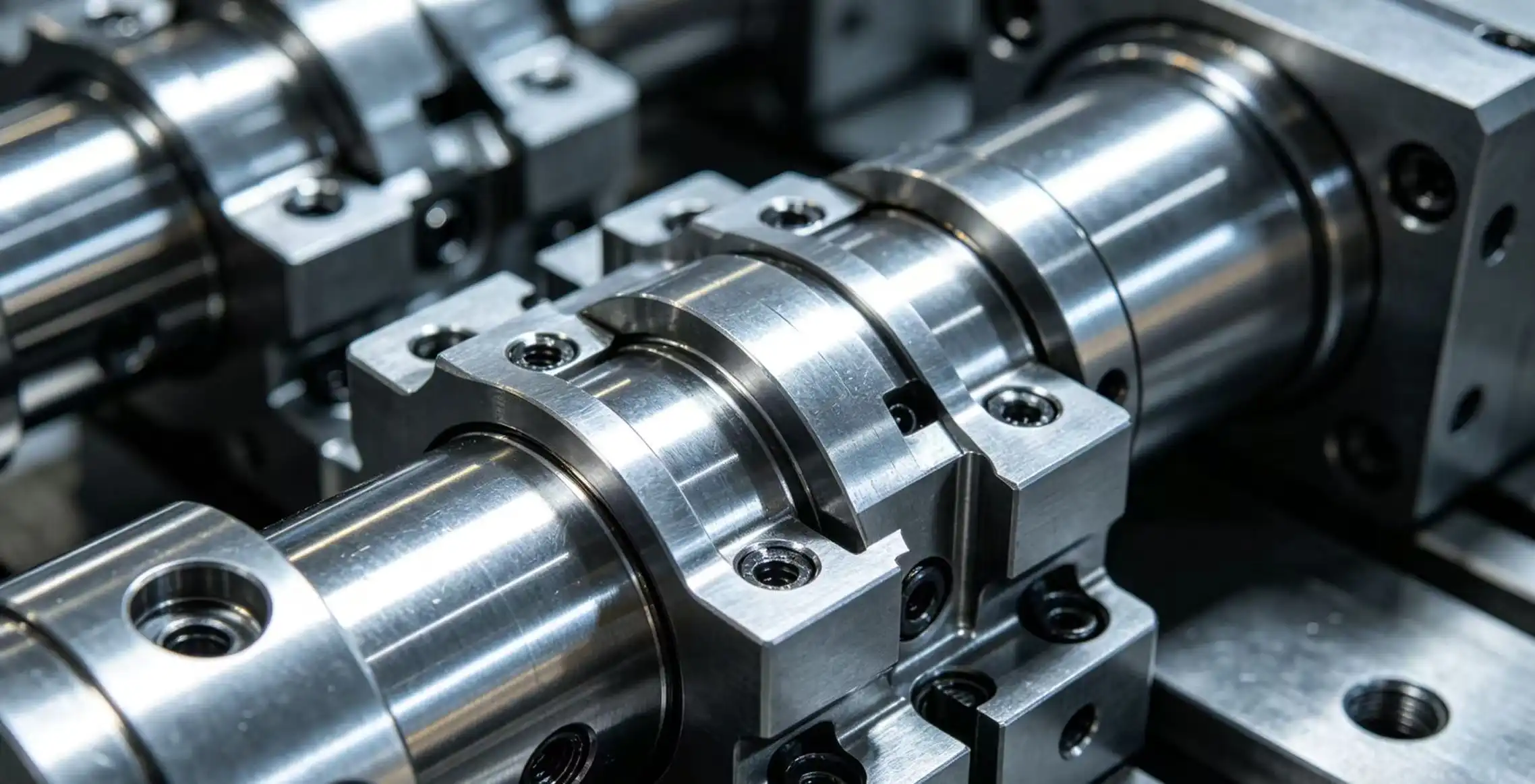
Technical Support and Tools: Enhancing CNC Machining Outcomes
To get the best results, design teams and manufacturing partners need to work together and use each other's knowledge to solve technical problems.
Design for Manufacturability Principles
Costs are cut and quality is raised by taking DFM into account during idea creation. Keep wall thicknesses the same to avoid warping during machining, set standard hole sizes that work with the tools that are available, and don't make tolerances too tight on features that aren't important. Since EDM processes take a long time, internal corners should have a radius equal to the width of the tool. When you talk about these things with potential suppliers during the design phase, you can avoid costly redesigns after getting quotes.
Tooling Selection and Maintenance Impact
Surface finish, measurement accuracy, and production effectiveness are all directly affected by the quality of the cutting tools used. Carbide tools keep their sharp edges for long periods of time, which lets them make better finishes on parts made of aluminum and stainless steel. Tool wear monitoring devices let operators know when to change inserts before the quality of the parts is affected by worn-out cutting edges. When providers spend money on high-quality tools and preventative maintenance programs, the results are more consistent from batch to batch than when facilities put off maintenance on their equipment.
Advanced Programming and Problem-Solving Support
Advanced CAM software makes toolpaths as efficient as possible while also avoiding collisions and keeping the quality of the surface. To control tool orientation, avoid singularities, and reduce movement, five-axis programming needs specialized knowledge. When problems happen, like strange material behavior, uneven tool wear, or changes in size, experienced machinists work with design teams to figure out what's going wrong and how to fix it. This professional relationship is very helpful when making samples of new ideas or working with unusual materials for defense and aerospace uses.
Conclusion
To find the best CNC Machining business for prototypes and unique parts, you need to compare their technical skills, quality systems, contact methods, and experience in the field with the needs of your project. Leading suppliers have cutting-edge multi-axis machines, a lot of knowledge about the materials they use, quality processes that are certified, and helpful customer service. They make precise parts that speed up the development of products in the medical, aerospace, consumer electronics, robotics, and auto industries. Partnerships that work well strike a balance between cost and dependability, building working relationships that support innovation from the first idea to mass production.
FAQ
What turnaround times should I expect for prototype parts?
Depending on how complicated the part is, how much material is available, and how busy the factory is right now, standard wait times are between 5 and 10 work days. Simple parts can be sent within 3 business days by expedited services, but they cost more. For five-axis parts or unusual materials, the whole process could take two to three weeks, which includes getting the materials and going through special testing steps.
How do I verify material compatibility with my application?
Reputable machining companies offer material advice based on technical needs, exposure to the climate, and the need to follow regulations. Ask for material certifications that show the chemistry, mechanical properties, and ability to be tracked back to the mill source. Biocompatibility testing paperwork is needed for medical uses, while AMS or ASTM standards-compliant material specs are needed for aerospace projects.
Do CNC machining companies provide design assistance?
Experienced suppliers often do DFM reviews that find ways to make the product easier to make, lower costs, and improve performance. This way of working together helps engineers improve ideas before they go into production, so changes that are too expensive to make during prototype testing don't get made.
Partner with a Trusted CNC Machining Manufacturer
BOEN Prototype specializes in making precise prototypes and custom parts for businesses that need them, like robotics, aircraft, medical devices, and consumer electronics. We can do a lot of different things, like CNC Machining, fast injection molding, die casting, and the latest 3D printing technologies. We also have strict quality systems that make sure the measurements are correct and the materials can be tracked. We know how important it is for you to meet your development deadlines quickly, so we offer quick-turn services that speed up validation cycles without lowering quality standards. Email our team at contact@boenrapid.com to talk about your project needs, get a full price, or set up a meeting to talk about how our skills can help you reach your product development goals. As a supplier with a lot of experience in CNC Machining, we can make solutions that fit your technical needs and your budget.
References
1. Todd, R.H., Allen, D.K., and Alting, L. (2018). Manufacturing Processes Reference Guide. Industrial Press Inc.
2. Society of Manufacturing Engineers (2020). Fundamentals of CNC Machining and Programming. SME Publications.
3. American Society of Mechanical Engineers (2019). Dimensioning and Tolerancing Standards for Engineering Drawings. ASME Y14.5-2018.
4. National Institute of Standards and Technology (2021). Advanced Manufacturing Technology Guide. NIST Special Publication Series.
5. International Organization for Standardization (2020). Quality Management Systems for Medical Devices: ISO 13485 Implementation Guide.
6. Kalpakjian, S. and Schmid, S.R. (2017). Manufacturing Engineering and Technology. Pearson Education Limited.

How Can We Help?

Your Trusted Partner in Rapid Manufacturing.