What Should Medical Device Companies Look for in a Contract Manufacturer?
When sourcing a partner for Medical Device Manufacturing, companies must prioritize three fundamental pillars: regulatory compliance, operational precision, and collaborative transparency. The right contract manufacturer doesn't just execute production orders—they become an extension of your R&D and quality assurance teams, navigating FDA regulations, ISO 13485 standards, and MDR requirements while maintaining agility. This decision directly impacts product safety, time-to-market, and your brand reputation in a sector where even minor deviations can trigger costly recalls or regulatory holds.
Understanding the Medical Device Contract Manufacturing Landscape
The industry that makes medical devices has some of the strictest rules in the world. Medical parts, unlike consumer electronics or auto parts, need to be biocompatible, able to be tracked, and validated at every stage of production. Contract manufacturers in this area must keep cleanrooms for putting together safe devices, use Design History Files (DHFs), and show that they follow 21 CFR Part 820 for U.S. markets or ISO 13485:2016 for markets outside of the U.S.
Regulatory Complexity Drives Partner Selection
The steps in manufacturing include making a prototype, making sure the design works, making sure the process works, and then making the whole thing. For each step, you need to show proof that the devices always work the same way under certain situations. Recent studies of the Medical Device Manufacturing business show that about 60% of companies now use contract manufacturing partners to get access to specialized skills without having to spend a lot of money in building their own facilities. New technologies like additive manufacturing and precise casting are changing the ways that things can be made, which is speeding up this trend.
Technology Adoption Reshapes Expectations
Digital twins are now used by advanced partners for process modeling, real-time statistical process control (SPC), and automatic optical inspection systems that can find flaws as small as 10 microns. Because these new ideas cut down on cycle times and improve quality control, technology infrastructure has become an important part of evaluation.
Key Criteria to Evaluate When Choosing a Contract Manufacturer
Finding the right partner requires a thorough evaluation of many factors. We've helped clients with medical devices through this process, and we always see five rating categories that set great manufacturers apart from good ones.
Quality Certifications and Regulatory Compliance
Check to see if any potential partners have up-to-date ISO 13485 certification and FDA registration for their facilities. Check their history with regulatory audits in addition to basic credentials. In the last three years, how many FDA Form 483 observations did they get? What steps were taken to fix the problem? Ask for copies of their most recent audit reports and make sure you understand how they handle complaints. Partners who work with European markets should show that they follow the MDR. This includes having experience putting together Technical Documentation.
Leading Medical Device Manufacturing has regulatory relations teams that keep an eye on new rules and regulations. We've seen that manufacturers with proactive compliance plans cut approval times by 25–40% compared to reactive partners when working with biotech companies that are making diagnostic devices.
Advanced Manufacturing Capabilities and Material Expertise
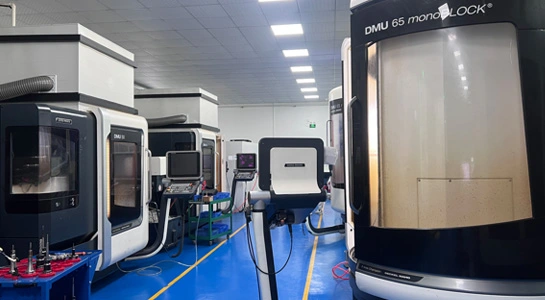
Precision CNC machining is often needed for medical devices, like for surgical instruments, injection molding is used for disposable parts, and vacuum casting is used for biocompatible housings. Check to see if the manufacturers have multi-axis CNC centers that can hold tolerances of less than 0.005mm, which is important for parts that go into implants. Rapid prototyping with SLA and SLS 3D printing lets you make changes to your design more quickly, and compression molding and metal pressing let you make different amounts of products.
Material understanding is also very important. Medical-grade plastics, such as PEEK, PPSU, and silicone LSR, need to be processed in a certain way. Based on the way of sterilization, the amount of chemical contact, and the required mechanical load, your manufacturer should give you advice on which materials to use. We often work with medical-grade metals and plastics, and we help our clients with biocompatibility tests and material certifications like ISO 10993 or USP Class VI compliance.
Scalability and Production Flexibility
The lifecycles of medical devices make scaling problems unique. Initial batches for clinical trials might only need 50 to 100 units, but once the product is approved, monthly demand could rise to thousands. Your contract manufacturer should be able to show that they can make quick tools that make it easy to go from trials to production. Check their methods for planning their capacity. Can they handle changes in volume during product launches or regular demand spikes without lowering the quality of their products?
During regulatory input processes, manufacturing systems that are flexible enough to handle changes to the design in the middle of production are very helpful. When working with startups that were making wearable health monitors, we used modular tooling strategies to cut the time it took to make changes to a design from six weeks to less than ten days, while still meeting regulatory submission deadlines.
Supply Chain Reliability and Cost Transparency
Making medical devices rests on having constant access to materials and being able to track down parts. Check out how your possible partner chooses suppliers and how they handle their goods. Do they keep extra supplies of important materials on hand? How do they deal with obsolescence when suppliers stop making parts?
Cost frameworks that are clear keep budgets from being surprised during growth. Ask for specific prices that break down the costs of the tools, the cost of making one unit, and the cost of quality control. Know how much you need to order in order to get a discount and how the prices change as you order more. Cost modeling tools from leading manufacturers can project total program costs across various production scenarios. This lets you make accurate financial plans.
Communication Infrastructure and Partnership Culture
Technical knowledge doesn't mean much if people can't work together well. Look at how communication works: do you have dedicated project managers, do you give regular status updates, and can you get in touch with engineering support for design advice? Accountability is improved by cloud-based project management tools that let you see production in real time, track quality, and access documents.
When dealing with tough development problems, cultural alignment is important. During test versions, problems come up that need to be solved as a team, rather than by pointing fingers. We've built long-term partnerships with labs and companies that make medical devices because we see partnerships as collaborative engineering challenges instead of just filling orders.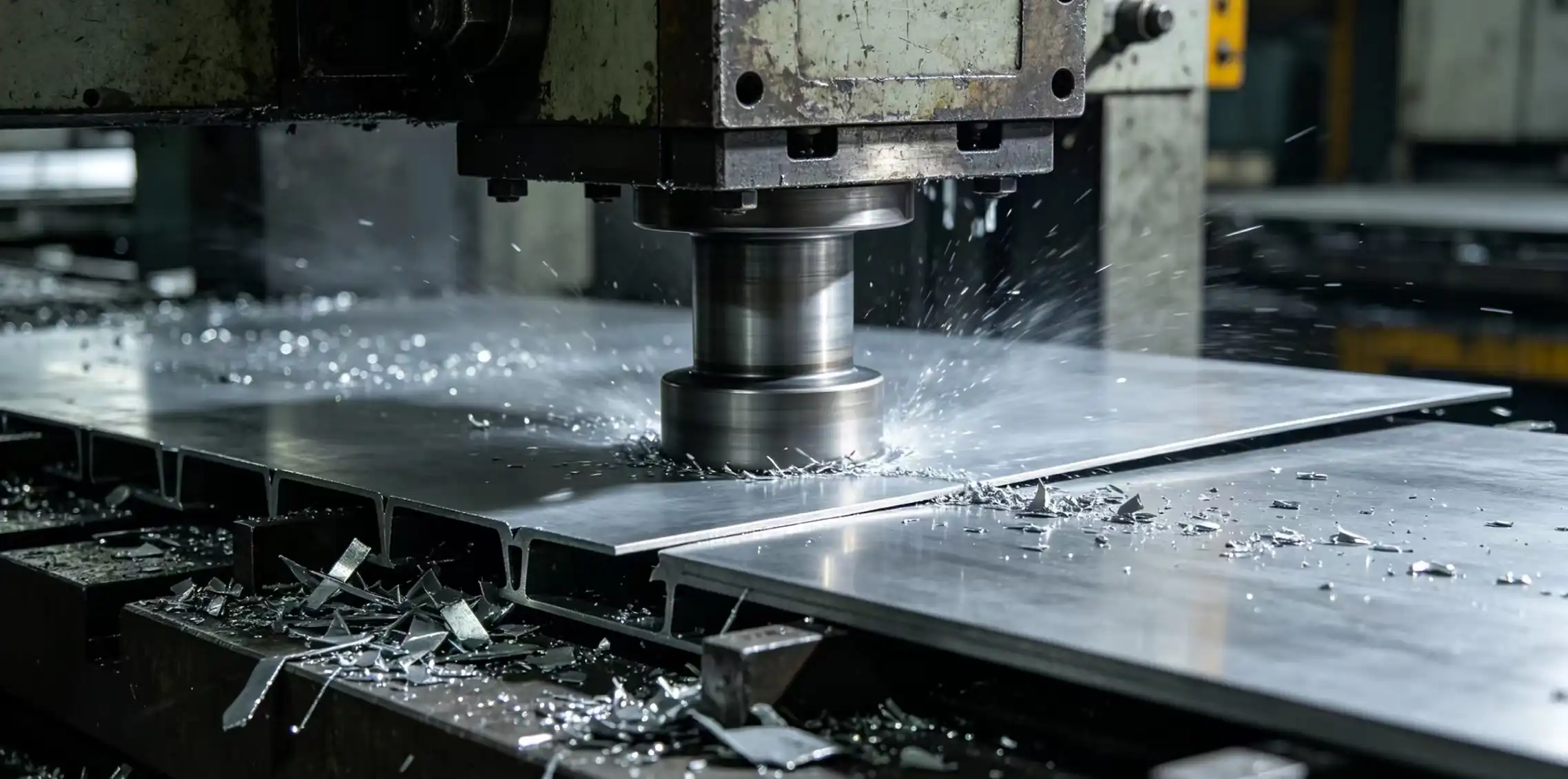
Comparing Contract Manufacturing Models: In-House vs. Outsourcing and Selecting the Right Partner
Medical Device Manufacturing companies are at a strategic crossroads: they can either build their own manufacturing capabilities or work with specialized contract manufacturers. Each method has different effects on how resources are used, how much risk is taken, and how flexible operations can be.
Strategic Advantages of Outsourcing
Contract production cuts down on huge upfront costs for things like cleanrooms, precise equipment, and regulatory infrastructure. It could cost between $800,000 and $1.2 million to build a fully compliant injection molding cell for medical devices. CNC machining centers with temperature-controlled environments cost an extra $400,000 to $600,000. When you outsource, these set costs become changeable costs that change based on how much you make.
In addition to saving money on capital, specialized manufacturers bring process knowledge they've gained from working with many clients on a wide range of device types. When experts from different areas work together, they can often come up with new ideas that internal teams that are only working on one product line might miss. Another benefit is geographic flexibility. Working with manufacturers close to target markets can cut down on shipping costs and lead times while making it easier to follow the rules for regional certifications.
When In-House Production Makes Sense
Internal production may be necessary for technologies that are owned by a company or intellectual property that is very sensitive. Vertical integration is sometimes preferred by companies that are making new ways to send drugs or diagnostic algorithms that are built into hardware to keep their competitive benefits. Also, dedicated internal lines can help established products that sell a lot of units get better unit economics once the capital costs are paid off.
Differentiating Between Partner Options
Certification uniformity doesn't mean that the skills are the same. Look at how specialized the technology is. For example, some manufacturers are great at handling polymers, while others are better at precision metalworking or automating assembly. Geographic factors include more than just logistics. They also include labor costs, regulatory knowledge for certain markets, and time zone alignment for working together in real time.
Case studies and comments from clients show that operational reality goes beyond what marketing promises. Ask for references from companies that make devices with similar levels of complexity and production volume. During reference calls, ask about how quickly they respond to problems, how flexible they are with design changes, and how open they are when issues arise.
Managing Risks and Ensuring Compliance in Contract Manufacturing
When you outsource, you create relationships that, if not handled properly, can delay product launches or put patient safety at risk. With proactive risk management, possible weaknesses are turned into factors that can be controlled and watched.
Common Pitfalls That Derail Partnerships
The biggest risk is not following the rules set by regulators. Your medical device approvals are at risk when a contract manufacturer doesn't meet audit standards. In addition to regulatory risks, production delays can cause commercialization timelines to slip. For example, a four-week manufacturing holdup can cause trade shows to be missed, revenue recognition to be delayed, and competitive advantages. Quality problems that aren't found until after the product has been sold lead to costly refunds, legal trouble, and damage to the brand that can't be fixed.
Risk Mitigation Strategies
Structured Service Level Agreements (SLAs) make it clear what is expected in terms of lead times, quality standards, communication frequency, and how to handle problems that get out of hand. Set clear goals, such as delivering on time more than 95% of the time, having failure rates below 100 PPM, and answering technical questions within 24 hours. Include clauses that allow penalties for breaking SLAs and performance bonuses for going above and beyond, so that incentives are in line with your goals.
Systematic compliance verification through planned audits—at least every three months for important Medical Device Manufacturing suppliers—keeps an eye out without making relationships hostile. Records of calibration, training, correction action logs, and process validation files should all be on audit reports. Digital quality management systems that let you see inspection results, non-conformance reports, and statistical process control charts at all times allow you to take action early, before small problems get worse.
Protecting intellectual property through thorough non-disclosure agreements, limiting access to secret designs, and crystal clear ownership language in manufacturing agreements helps businesses keep their competitive edges. Some businesses use split sourcing, which means that they make important proprietary parts in-house while outsourcing less important parts. This balances security with speed.
Innovations and Emerging Trends Impacting Medical Device Contract Manufacturing
As new technologies get better and rules change, the manufacturing world changes quickly. If you stay ahead of these trends, your product development plan will give you a long-term edge over your competitors.
Additive Manufacturing Transforms Prototyping and Production
3D printing has come a long way since its early days of making just pictures. Now it can make working samples and even finished medical products. SLA printing with biocompatible resins lets designs for surgical guides be changed quickly, and SLS technology makes lasting test models for confirming ergonomics. Some companies have now reached standards for repeatability that meet the needs of medical device production for low-volume specialty devices, like implants and surgical tools that are customized for each patient.
Digitalized Workflows Enhance Traceability
Rapid prototyping shortens development times by a huge amount. With additive processes, what used to take 6–8 weeks for prototypes that were machined can now be done in 3–5 days. This speeding up lets more design changes be made within set time limits, which improves the performance and user experience of the end product.
Integration of Industry 4.0 gives manufacturers more insight than ever before. IoT-enabled equipment records real-time process factors like injection pressure, mold temperature, and cycle times, making detailed digital records that meet regulatory standards for traceability. Machine learning algorithms look at this data to figure out what maintenance needs to be done before broken equipment stops work.
Sustainability Initiatives Reshape Material Choices
Cloud-based collaboration platforms create a single digital space where design teams, contract manufacturers, and quality inspectors can all work together. Engineers can use high-resolution cameras to look at first-article inspections from afar, accept changes, and make changes to work directions without having to wait for trip delays. This connection was especially helpful during recent world problems that made it hard to get to the site.
Environmental factors are becoming more and more important in designing and making medical devices. Sterility and biocompatibility are still very important, but companies are now looking for polymers that can be recycled, less wasteful packaging, and production methods that use less energy. Forward-thinking contract manufacturers use closed-loop material recycling systems that cut costs and make the environment better while also investing in renewable energy for their sites.
These efforts to be more environmentally friendly also take into account new rules and regulations. For example, the European Union's Medical Device Regulation calls for studies of how medical devices affect the environment. Companies that are ready can start preparing for these rules now, instead of having to rush later.
Conclusion
When picking a contract manufacturer for Medical Device Manufacturing, you need to think about how to meet legal requirements, their technical skills, their ability to grow, and how the relationship will work. The right choice goes beyond just looking at costs and takes into account long-term strategic alignment, shared quality commitment, and a culture of working together to solve problems. A careful review using set criteria, strategic risk management, and knowledge of new production technologies will help your medical device program reach the high standards needed for patient safety while also making it ready for commercialization.
FAQ
What certifications should medical device contract manufacturers possess?
The minimum level for medical device quality control systems is ISO 13485:2016 certification. Manufacturers that sell to customers in the U.S. must register with the FDA and list their business. Manufacturers may also need to follow ISO 10993 for biocompatibility, ISO 14971 for risk management, and certain sterilization validations, depending on the type of device and the market it is meant for. For entry to the European market, MDR compliance must be shown through checks by a Notified Body. Always make sure that certifications are up-to-date and cover the processes that are important for your device.
How do I evaluate a manufacturer's regulatory compliance track record?
Ask for copies of recent audit reports from regulatory bodies, such as FDA checks and any Form 483 notes that came out of them. Look over their responses to corrective actions to see how they solved problems. Check the FDA's public database to see if the location has been linked to any warning letters or closures. Find out how often they do internal audits and how mature their Quality Management System is. Companies that are proactive about compliance do regular self-audits, keep their Design History Files up to date, and set aside resources to keep an eye on changes to regulations instead of just responding to inspection results.
What are typical lead times for medical device prototyping?
Lead times depend on how complicated the product is and how it is made. It usually takes two to three weeks to make simple injection-molded parts using fast tooling, but it could take up to four to six weeks to make precise metal surgery instruments. Most of the time, 3D printed samples for testing designs can be made in three to five working days. Complex assemblies with many parts naturally take longer to build. Through parallel processing methods and early material procurement, we've helped medical device clients speed up prototyping, sometimes cutting normal timelines by 30–40% when the urgency of the project calls for it.
Partner with BOEN Prototype for Medical Device Manufacturing Excellence
Medical device manufacturers and biotech R&D teams need a contract manufacturing supplier that knows how to meet the unique needs of regulatory compliance, biocompatible material expertise, and quick iteration. BOEN Prototype focuses on helping with the development of medical devices. They have ISO-certified labs that can do everything from the first prototype to low-volume production runs.
We offer advanced 3D printing using SLA and SLS technologies, including CNC machining for surgical-grade parts, rapid injection molding for throwaway device housings, vacuum casting for safe ergonomic testing samples, and rapid injection molding for disposable device housings. We work with medical-grade metals and plastics, helping people choose materials that can be sterilized and get approved by the right authorities. We can help you with the technical precision and quality documentation that your project needs, whether you're making diagnostic tools, wearable health monitors, or lab equipment. Get in touch with our team at contact@boenrapid.com to talk about your specific needs and get accurate quotes. You can learn more about best practices for medical device prototyping and legal issues by going to blog.boenrapid.com.
References
1. Smith, J. & Thompson, R. (2022). Medical Device Outsourcing: Strategic Approaches for Contract Manufacturing Selection. Healthcare Manufacturing Press.
2. FDA Center for Devices and Radiological Health (2021). Quality System Regulation and ISO 13485: A Comparative Analysis. U.S. Department of Health and Human Services.
3. Williams, K. et al. (2023). "Risk Management Frameworks in Medical Device Contract Manufacturing," Journal of Medical Device Regulation, 18(4), 217-234.
4. European Commission Directorate-General for Health and Food Safety (2022). Medical Device Regulation (MDR) Implementation Guidance for Manufacturers.
5. Martinez, L. & Chen, H. (2023). "Additive Manufacturing Technologies for Medical Devices: Regulatory Pathways and Quality Standards," Advanced Manufacturing Review, 31(2), 145-168.
6. Association for the Advancement of Medical Instrumentation (2023). Contract Manufacturing Best Practices for Medical Device Companies: A Procurement Guide. AAMI Standards Publications.

How Can We Help?

Your Trusted Partner in Rapid Manufacturing.