CNC Machining vs 3D Printing vs Vacuum Casting: Choosing the Right Prototype Manufacturing Process
Selecting the right manufacturing method for your prototype can make or break your product development timeline. Rapid prototyping has transformed how engineers and procurement teams approach validation, enabling faster iterations and smarter decision-making. When comparing CNC machining, 3D printing, and vacuum casting, each technology offers unique advantages depending on your material requirements, precision needs, and production volume. Understanding these differences helps you align technical demands with budget constraints while maintaining the quality standards your industry requires.
Understanding Prototype Manufacturing Methods
What is CNC Machining?
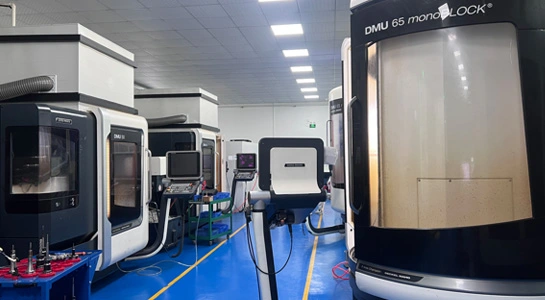
CNC machining is a type of subtractive making. To make precise parts, automatic cutting tools take material away from solid blocks. This method uses CAD data directly to turn raw materials like aluminum, stainless steel, titanium, or industrial plastics like PEEK into final shapes that are very accurate.
The process is great at making samples that work and have the same mechanical qualities as production-grade parts. We've seen aerospace teams use CNC machining to make complicated manifold blocks out of Inconel or titanium alloys, which have to work well at high temperatures and keep their shape. When making surgery tools, companies that make medical devices use CNC machining when they need biocompatible materials with tight enough tolerances for comfortable integration.
What is 3D Printing?
With 3D printing, also called additive manufacturing, digital models are used to build parts layer by layer. Technologies like SLS (Selective Laser Sintering) and SLA (Stereolithography) give designers a lot of freedom, letting them make shapes that would not be possible with older methods.
Companies that make consumer electronics like how quickly they can change housing designs and test how well they work and look without having to buy new tools. EV startups use 3D printing to make sure their designs for battery enclosures work before they start making them out of metal. The technology can handle complicated internal structures and organic forms that would be hard to machine normally, but the properties of the materials used don't always match those of production-grade options.
What is Vacuum Casting?
By putting liquid polyurethane into silicone molds under vacuum pressure, vacuum casting makes high-quality copies. This method is in between making a single sample and making a lot of them. It can make groups of 10 to 50 units with great surface finishes.
Automotive makers use vacuum casting for lighting housings and internal trim parts that need to look like they were made in a factory for stakeholder reviews. This method is useful when both function and visual accuracy are important. It can record fine details and textures. The choices of materials have properties that are similar to ABS, PP, and rubber, which allows for accurate testing situations.
The Role of Rapid Prototyping in Product Development
These days, making products requires quick thinking. Rapid Prototyping shortens the approval process so that teams can test shape, fit, and function before committing to expensive tools. This method lowers the risk in developing powertrains for cars, certifying medical devices, and testing the structure of robots.
When asking for a patent depends on showing how it works or when the market window is getting smaller, speed is important. With prototyping technologies, time frames can be cut down from months to days, which lets buying teams judge sellers based on their skills rather than just their capacity. Quality control stops being reactive and starts being proactive. This way, design problems are caught before they become costly changes that take weeks to make.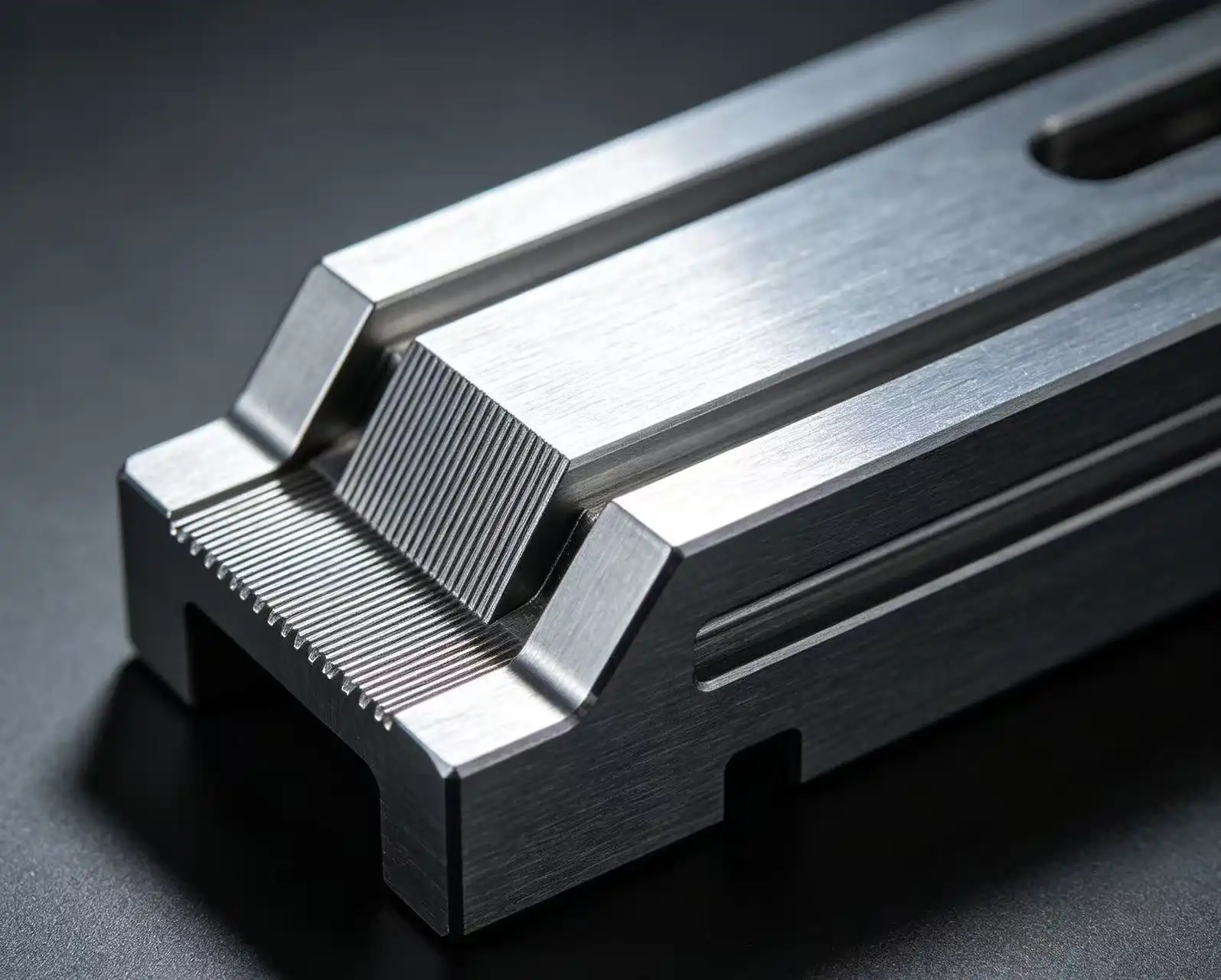
Detailed Comparison of CNC Machining, 3D Printing, and Vacuum Casting
Process Workflow and Complexity
The first steps in CNC machining are choosing the material and setting it in CAM. Next come multi-axis cutting processes. The more complicated the process, the longer it takes to set up, but once it's done, it doesn't need much supervision. The sides of the parts come out as they were made, or they go on to finishing steps like anodizing or bead blasting.
For 3D printing to work, you have to make choices about support structure generation and build orientation that affect the quality of the surface and its strength. Print times depend on the size of the part and the resolution you want. Post-processing includes taking away the support, cleaning the surface, and sometimes hardening the resin or adding powder.
The first step in vacuum casting is making a master pattern, which is usually an original that was CNC-machined or 3D-printed. Silicone molds are then made from this pattern. Each batch of castings takes hours, and the mold's life limits the number of units that can be made before it needs to be replaced.
Precision, Surface Finish, and Material Versatility
With CNC machining, critical features can have tolerances of ±0.01mm to ±0.005mm, and the surface roughness (Ra) can be anywhere from 3.2μm to 0.8μm, depending on the tools and speeds used. Aluminum alloys (6061 and 7075), stainless steels (304, 316, and 17-4 PH), titanium, brass, and industrial plastics (POM, PEEK, and nylon) are all possible materials. These materials have full isotropic mechanical properties, which means that their strength stays the same no matter which way the load is applied.
3D printing technologies vary in how accurate they are. Fine features can be printed down to 0.05 mm layer heights with smooth surfaces with SLA. On the other hand, SLS offers practical power but rougher finishes that need to be fixed after printing. Anisotropy is a property of some materials that happens when layer bonding causes flaws in certain directions. Photopolymer resins, nylon composites, and specialized filaments are some of the materials that can be used. However, metal 3D printing is still too expensive for most prototyping budgets.
Vacuum casting has very good surface replication from molds, with tolerances of about ±0.15mm. Polyurethane resins are like standard production plastics. They come in a range of shore hardnesses, from soft elastomers to stiff engineering-grade materials. This method is great for making show models and making sure everything works before it goes into production because it can match colors and textures.
Cost Factors and Lead Time Analysis
CNC machining prices depend on how long it takes, how much material is wasted, and how complicated the job is. It could take three to five business days for simple shapes in aluminum, but seven to ten days for complex five-axis work in rare metals. Material certificates (Mill Test Reports) and dimensional inspection take more time, but they make sure that aerospace and medical standards are met.
Setting up 3D printing is cheap, and parts can be made quickly—often in one to three days for SLA parts. Because build time is based on total volume rather than part count, economies of scale make it more cost-effective to print many unique parts at once. The cost of materials per unit stays pretty steady no matter how big the number is.
Because you have to buy a mold up front for vacuum casting, it's only cost-effective when you make 10 or more identical units. Lead times include the time it takes to make the mold and cast the metal. The unit cost goes down as the number goes up until the mold breaks down and needs to be replaced, which usually happens after 20 to 25 casts.
When to Choose CNC Machining, 3D Printing, or Vacuum Casting?
Decision Criteria Based on Project Needs
Most of the time, material needs determine the best way to do something. When testing needs properties that are the same in production, like how well aerospace brackets resist heat or how well medical implants work with chemicals, CNC machining gives accurate performance data. Prototypes made of aluminum 7075 show stress behaviors that resin-based options can't copy.
Both complexity and the number of Product Development design iterations are important. The speed of 3D printing helps UAV designers test aerodynamic fairings when they want to try out different configurations every week. On the other hand, robot makers who need precise mounting interfaces for motors and sensors choose CNC machining to keep assembly tolerance stacks manageable.
Budget limits and expected traffic. Consumer electronics teams testing smart-home device casings for focus groups choose vacuum casting to make batches with finishes that are ready for sale at low cost. When more than ten units are ordered, the cost per unit was lower than with both CNC machining and 3D printing.
Real-World Use Cases Across Industries
Teams of aerospace engineers working on drone propulsion systems use CNC machines to make engine mounts out of aluminum and titanium. These mounts are then put thru a lot of tests to make sure they are resistant to shaking and heat. These parts usually go straight to certification testing because the properties of the material match the final production requirements.
Automotive EV developers make prototypes of battery housing parts in a number of ways, including 3D printing for initial design confirmation, CNC machining for thermal and structural testing with production alloys, and vacuum casting for interior trim elements that need to be a certain color and texture for stakeholder reviews.
Medical device companies that make samples of surgery instruments depend on CNC machining to work with stainless steel 316L, which makes sure that the instruments are biocompatible and can be sterilized for a long time. Because the dimensions are so accurate, doctors can test the ergonomics of the product before investing tens of thousands of dollars in injection mold tools.
Overcoming Common Production Challenges
CNC machines have trouble with internal features and undercuts. Electrical Discharge Machining (EDM) and five-axis equipment get around many problems, but some shapes are still hard to work with. We work with the design teams from the start to suggest changes that keep the function while making it possible to make the product.
Layer lines and uneven strength in 3D printing mean that the way the parts are put together needs to be planned out. Parts that are under tension loads need layers that are lined up perpendicular to the lines of stress. Finishing the surface with sandpaper, a covering, or vapor smoothing can improve its look, but it takes more time and costs more money.
Molds for vacuum casting have a limited life span. When making iterative design changes, planning replacement cycles into project timelines keeps things on track. Placement of the mold splitting line affects the quality of the surface and the accuracy of the dimensions, so it's important to get advice at the start to get the best results.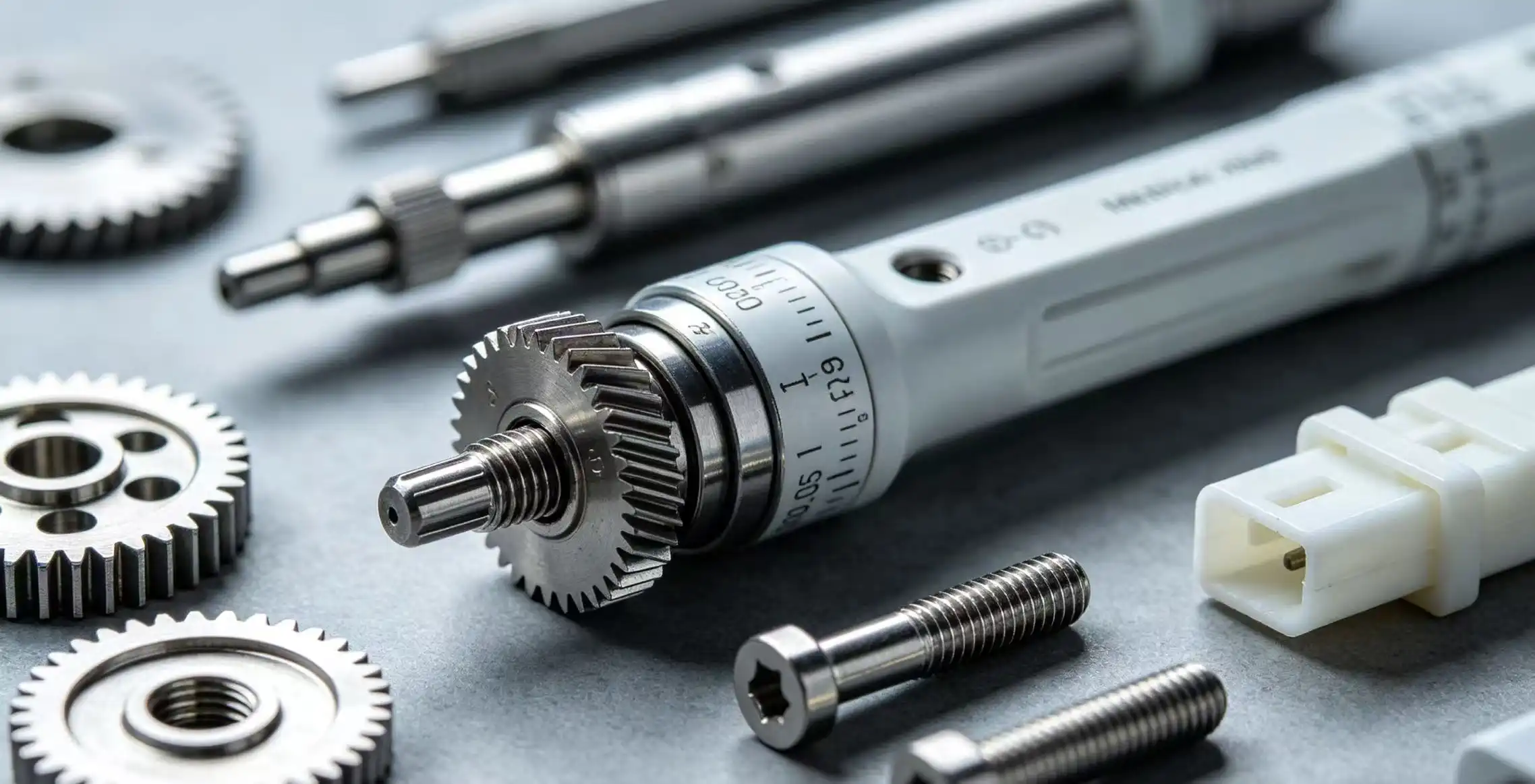
Advantages of Each Prototype Manufacturing Method in Procurement
Understanding how each technology aligns with procurement priorities helps teams optimize vendor selection and project planning. Here are the core advantages that matter most when managing supplier relationships and contract negotiations.
CNC Machining Benefits:
- Dimensional accuracy lets you do direct functional testing without having to use scaling factors or make property changes. This cuts down on validation cycles and gives buying teams trust in the test data's accuracy.
- When a material is authentic, its mechanical properties, thermal behaviors, and chemical resistances match the production specifications. This is very important when prototypes are being tested for certification or shown to customers.
- Because they are durable, prototypes can be used as first items in trial production runs or as showpieces at trade shows without worrying about getting broken while being moved or handled.
- For car Tier-1 providers working on validation with multiple OEMs at the same time, repeatability is very important because it makes sure that multiple identical units can be tested at the same time in different labs or customer sites.
3D Printing Advantages:
- Design iteration speed lets engineering teams test many configurations in days instead of weeks. This shortens the time it takes to develop something and helps procurement meet tight deadlines for entering a new market.
- Geometric freedom lets you make complex internal pathways for cooling, weight-optimized lattice structures, and combined systems that cut down on the number of parts needed. These are all things that procurement teams look for in designs they want to make sure they can be made.
- Because of low-volume economics, making five different prototypes is the same cost as making five similar units. This means that A/B testing methods can be used without breaking the budget.
- With on-demand production, there are no minimum order amounts, so procurement can buy exactly what engineering needs without having to worry about having too much inventory.
Vacuum Casting Strengths:
- The surface quality is as good as injection casting, and the colors and textures can be replicated to help with marketing reviews and pre-launch product photos. This cuts down on the need for costly appearance models.
- Batch efficiency lets you make 15 to 25 units at a much lower cost per unit than when you machine or print each one separately. This is great for giving demo units to sales teams or testing them with users.
- Material variety closely resembles production plastics for functional testing while keeping the speed benefits of Rapid Prototyping processes. This helps procurement balance the need for quality and time constraints.
These advantages directly impact procurement outcomes by enabling better cost negotiations, clearer technical requirements in RFQs, and stronger supplier performance evaluation criteria.
How to Smoothly Integrate Prototyping into Your Procurement Process?
Selecting the Right Service Provider
Technical skills are more important than lists of equipment. We want to work with providers that have a lot of experience with the materials they sell and can integrate their processes so that they can come up with alternatives when the original specs make it hard to make the product. Certifications like ISO 9001 and AS9100 show that a quality management system meets the needs of the medical and aerospace industries.
Having experience in your field speeds up projects. Automotive suppliers know how important it is to send dimensional reports that are formatted for PPAP. Medical device experts know which material certifications meet FDA standards. Robotics shops know that AGV chassis need a balance between making structures that are light and strong.
Requesting Accurate Quotes and Managing Communication
Misunderstandings can be avoided with detailed technical models and lists of materials. We only define tolerances when they are technically necessary. Specifying too many tolerances adds costs that aren't necessary. Specifications for the surface finish, the threads, and the acceptance criteria set clear quality standards that protect everyone.
Expectations for turnaround times need background. There are rush services, but they cost more. Standard wait times for CNC machining are 5 to 10 business days, 3D printing are 2 to 5 days, and vacuum casting, which includes making the mold, are 7 to 12 days. When these deadlines are built into project schedules, emergency expediting fees are avoided.
During production, communication methods keep everyone in the loop. We appreciate suppliers who let us know about progress and potential problems ahead of time. When changes are made to the design during the setup of the machine, quick feedback loops keep material from being lost and repeat times from being too long.
Cost Management and Quality Optimization
Contracts for testing are not the same as contracts for production. Even tho volume discounts might not be available, building relationships with preferred suppliers makes pricing and schedules more predictable. Some makers give discounts on return orders if you use the same CAM programs or molds.
To find a good balance between speed and quality, project goals need to be honestly evaluated. Presentation models for investor meetings should have high-end finishes, but as-machined surfaces may be fine for internal engineering validation. We help our clients figure out where spending money is worth it and where normal choices are enough.
Digital buying sites need to be checked out before they can be used. Global networks have low prices, but sometimes the extra work of logistics and communication cancels out the savings. Even tho they might have higher unit costs, regional suppliers are useful because they can give you feedback faster and make site trips for important projects easier.
Conclusion
Which one you choose between CNC machining, 3D printing, and vacuum casting depends on your technical needs, time constraints, and budget. CNC machining gives materials the production-grade properties and accuracy that are needed for practical tests in medical, aerospace, and car industries. 3D printing works great when speed of design changes and geometric complexity are important for development. Vacuum casting is a way to make prototypes and small amounts of products that need to look great.
Using 3D printing for early ideas, CNC machining for validation testing, and vacuum casting for pre-production models are all examples of good Rapid Prototyping buying strategies that use the strengths of each technology at the right time for the project. This mixed method has been used to speed up product launches and keep costs low in fields ranging from robots to consumer electronics.
FAQ
How do I decide between CNC machining and 3D printing for metal prototypes?
When checking mechanical strength, heat conductivity, or vibration resistance, metal CNC machining is a must because it gives accurate material qualities from aluminum, stainless steel, or titanium stock. Metal 3D printing (DMLS/SLM) can make shapes with a lot of detail, but it costs a lot more and needs to be heated to get the same qualities. Choose CNC machining when the accuracy of the material is very important and the design can work with the limits of CNC.
What makes vacuum casting different from injection molding?
Silicone molds are used for vacuum casting. They are much cheaper than steel injection molds, but they can only make 20 to 25 units before they break. With injection molding, you have to buy tools up front, but you can make thousands of identical parts at a low cost per unit. For testing prototypes and small amounts before production, vacuum casting works best. Injection molding, on the other hand, is best for making more than 500 units.
What are typical turnaround times for each prototyping method?
CNC machining usually takes 5–10 business days, but this depends on how complicated it is and how quickly the material can be sourced. With post-processing, 3D printing can send parts in two to five days. Vacuum casting takes 7–12 days, which includes making the mold. These times are cut shorter for rush services, but they cost more. No matter the method of production, adding material certifications and detailed inspection reports takes an extra two to three days.
Partner with BOEN Prototype for Expert Rapid Prototyping Solutions
When your development schedule needs both speed and accuracy, BOEN Prototype offers Rapid Prototyping services that use CNC machining, 3D printing, and vacuum casting. Our team has a lot of experience helping automakers, medical device makers, aerospace engineers, and robotics developers with everything from the first idea to small-scale production. We know that people who work in procurement need partners they can trust to speak clearly, meet deadlines, and keep high quality standards. Get in touch with our team at contact@boenrapid.com to talk about your project needs with Rapid Prototyping experts who can help you choose the best manufacturing method for your needs. As a well-known Rapid Prototyping company, we offer detailed help with choosing materials, cheap quotes, and quick response times that keep your product development on track.
References
1. Gibson, I., Rosen, D., & Stucker, B. (2015). Additive Manufacturing Technologies: 3D Printing, Rapid Prototyping, and Direct Digital Manufacturing. Springer.
2. Kalpakjian, S., & Schmid, S. (2014). Manufacturing Engineering and Technology (7th ed.). Pearson Education.
3. Rosato, D. V., Rosato, D. P., & Rosato, M. G. (2004). Plastics Product Material and Process Selection Handbook. Elsevier.
4. Liou, F., & Kinsella, M. (2009). "Rapid Prototyping and Engineering Applications: A Toolbox for Prototype Development." CRC Press.
5. Campbell, I., Bourell, D., & Gibson, I. (2012). "Additive Manufacturing: Rapid Prototyping Comes of Age." Rapid Prototyping Journal, 18(4), 255-258.
6. Pham, D. T., & Dimov, S. S. (2001). Rapid Manufacturing: The Technologies and Applications of Rapid Prototyping and Rapid Tooling. Springer-Verlag London.

How Can We Help?

Your Trusted Partner in Rapid Manufacturing.