What Manufacturing Processes Are Used for Medical Device Prototypes?
Medical Device Manufacturing relies on several specialized processes to create prototypes that validate design concepts before full-scale production. The most common techniques include additive manufacturing (3D printing), CNC machining, rapid injection molding, sheet metal fabrication, and silicone molding. Each process offers distinct advantages—3D printing enables complex geometries and rapid iterations, CNC machining delivers tight tolerances for functional testing, while injection molding supports low-volume runs that simulate production parts. Selecting the right method depends on material requirements, regulatory compliance, testing objectives, and timeline constraints specific to your medical device project.
Introduction
Medical gadget prototypes are the most important link between new ideas and goods that are ready to go on the market. In a field where patient safety and following the rules are very important, making prototypes lets you make sure the design, usefulness, and ability to be made work well before starting mass production. Whether you're making surgical instruments, diagnostic tools, or devices that can be implanted, knowing the right ways to make them is essential to the success of your project.
Working with medical device makers, labs, and biotech companies over the years has taught me that using the right modeling method can shorten development times while still following ISO 13485 and FDA rules. This book explains the most important ways to make things today. It is meant to help purchasing managers, engineers, and OEM clients make smart choices that balance quality, compliance, and cost-effectiveness. The ideas presented here have been used in thousands of prototype projects in the real world, ranging from ergonomic testing samples to pre-production parts that are ready for clinical review.
Understanding Medical Device Prototype Manufacturing
The Strategic Role of Prototypes in Device Development
Medical device prototypes are early versions that help development teams try ideas, find mistakes in the design, and make sure the device works properly before spending a lot of money on expensive production tools. These early models help people get around the complicated regulatory landscape by showing certification bodies that they are safe and effective. Beyond compliance, prototypes make it easier for everyone involved to talk to each other. For example, clinicians can give feedback on how well the product works, investors can see what it could be, and manufacturing teams can see if it's possible to make the product.
Material Selection for Medical Applications
Biocompatible plastics, such as PEEK, PPSU, and medical-grade polycarbonate, are used in a lot of devices because they can be sterilized and don't react with chemicals. Titanium alloys, stainless steel types (316L, 17-4 PH), or cobalt-chromium are often used in metal parts because they are strong and biocompatible. Silicone elastomers are good for touching soft tissues, and clear materials like acrylic are good for checking things out with the naked eye. The materials you choose have a direct effect on the manufacturing processes that can be used to make your prototype.
Common Challenges in Medical Device Prototyping
Finding a balance between the need for accuracy and the limitations of the materials available is always hard. For devices that need margins of less than a millimeter, you need to use different methods than for comfortable housings, where looks are more important. Prototypes often have to use materials that are the same as those used in production because of rules about paperwork. This makes the process less flexible. Lead time pressures and quality standards are often at odds with each other, especially when project plans are set by the dates of clinical trials. Knowing about these problems ahead of time helps teams set reasonable goals and pick manufacturing partners who can handle them.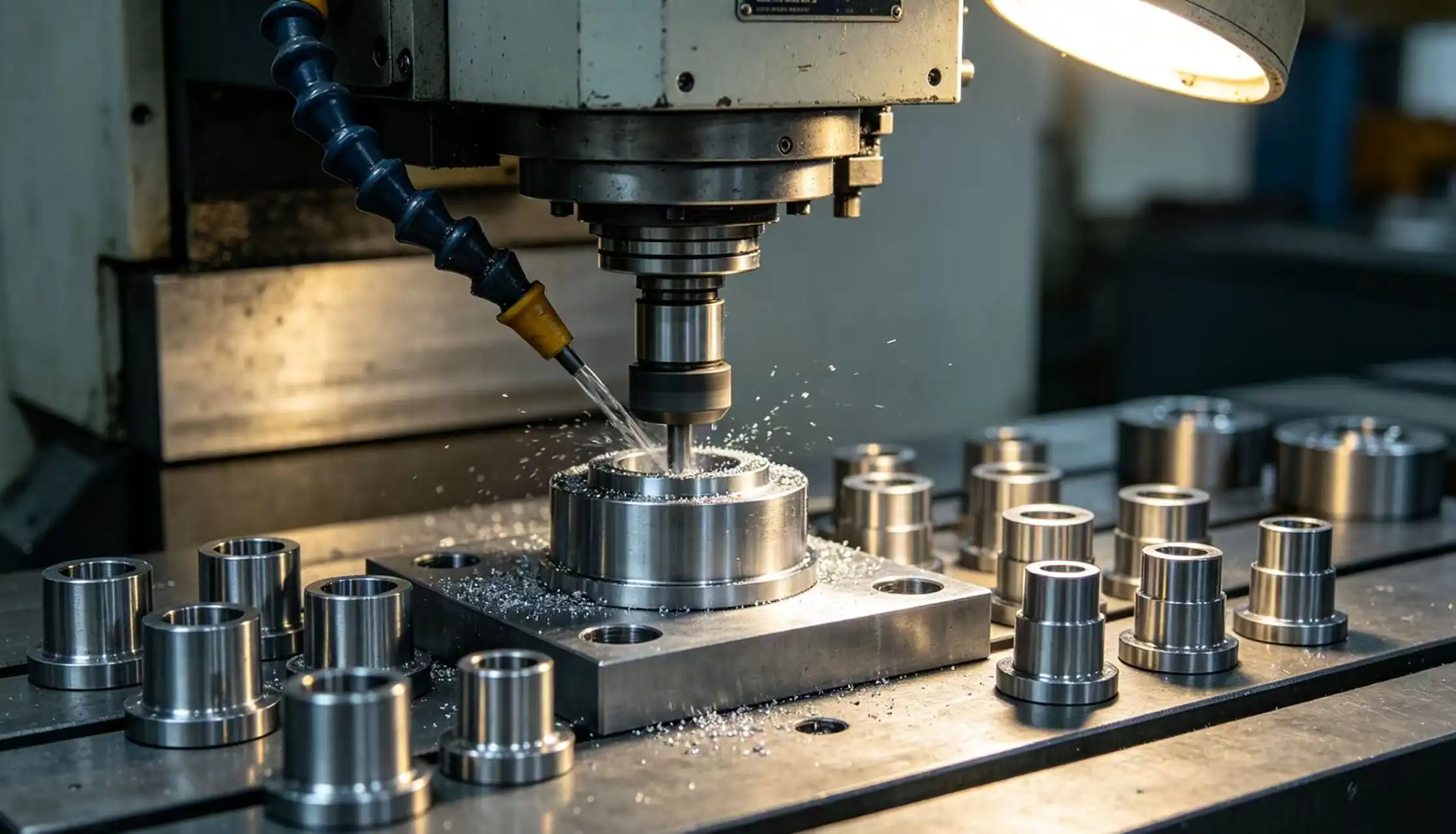
Core Manufacturing Processes for Medical Device Prototypes
Medical Device Manufacturing uses a lot of different technologies, each with its own set of benefits. The success of a project depends on knowing when and how to use these steps.
Additive Manufacturing and 3D Printing Technologies
Stereolithography (SLA) makes surfaces that are smooth, which is great for concept models and anatomical replicas that are made just for one patient. Using UV-curable plastics, the process makes parts layer by layer, and it can get as fine as 50 microns of detail. Selective Laser Sintering (SLS) uses powders made from nylon to make working samples that can be used for snap-fit testing and assembly proof. Fused Deposition Modeling (FDM) is the easiest way to get started. It uses thermoplastic filaments to make durable prototypes of early design ideas. With multi-material printing, you can now make single builds out of both hard and soft materials, which looks like overmolded parts without having to buy expensive tools.
CNC Machining for Precision Components
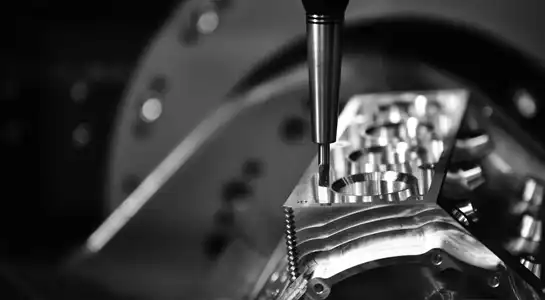
CNC machining is the most reliable way to make a sample that needs tight specs or material qualities that are the same as those used in production. Multi-axis mills and lathes cut away material from solid blocks to make complicated shapes that are accurate to five thousandths of an inch. Aluminum, stainless steel, titanium, and engineering plastics like ULTEM and Delrin all work very well with this subtractive process. Often, the machined surface finishes get rid of the need for extra steps. This is especially helpful for parts that come into contact with fluids or surfaces that need to fit perfectly. We've successfully made housings for surgery instruments, parts for implantable devices, and cases for diagnostic equipment where material approval and tracking were needed.
Rapid Injection Molding for Functional Validation
Low-volume injection molding is a way to get from the prototype stage to mass production. It does this by using aluminum molds, which are much cheaper than hardened steel molds, to make hundreds of parts. By using this method, useful testing can be done with materials that are meant to be used in production. This way, possible molding flaws like sink marks, warpage, or short shots can be seen before expensive production tooling is made. This method is very useful for making devices with live hinges, complicated internal features, or many material parts that need to be molded together. Turnaround times are usually between three and six weeks, which includes making the tools. This is a good choice when you are sure that the design is good enough to justify the cost of making the tools.
Sheet Metal Fabrication for Durable Enclosures
Sheet metal parts that are laser cut, bent, and spot welded are often used to make the housings and cases for medical equipment. Thru these steps, sheets of stainless steel and aluminum are turned into protective cases, mounting brackets, and structural frames. Precision brake forming makes sharp bends without distorting the material, and laser cutting makes detailed designs for air flow or looks. The prototypes that were made can handle being dropped, sterilized, and exposed to the outdoors better than many plastic options. Surface treatments, such as powder finishing or anodizing, make things look more polished and protect them better.
Silicone and Rubber Prototyping
For gaskets, seals, grips, and pillows, for example, elastomeric materials are needed that can't be used with rigid methods. Using flexible molds made from master patterns and room-temperature vulcanizing (RTV) silicone molding, small amounts of rubber parts can be made. This method works really well for areas that touch patients, compression seals, and parts that receive shock. Shore hardness can be changed over a wide range, from being as soft as gel to being as hard as a durometer number. Biocompatible silicone grades meet USP Class VI standards, which means they can be used for long-term skin contact and short-term implantation.
These manufacturing methods are the basis for medical device prototyping, but you need to carefully think about your unique needs to choose the best method.
Selecting the Right Prototype Manufacturing Process for Your Medical Device
Defining Your Prototype Objectives
Process choice is based on how clear you are about what you need to learn from your Medical Device Manufacturing prototype. When showing form factor and industrial design, attractive models put more emphasis on color accuracy and surface finish than on mechanical function. Functional prototypes test how the product works mechanically, how the user interacts with it, and how it fits together. They need materials that are the same as those used in production and true limits. Stress analysis, sterilization validation, or biocompatibility assessment are just some of the tests that engineering prototypes have to go thru. They require certified materials and well-documented processes.
Balancing Critical Decision Factors
Every project has to deal with budget limits, but focused only on the lowest cost often backfires. It's a waste of time and money to make the cheapest prototype that doesn't answer important design questions. The risk of investing in tools too soon must be weighed against the need to respond quickly to market pressures. The choice of process is based on the level of accuracy needed. Additive methods work best for parts with reasonable tolerances, while CNC cutting is best for parts that need to be precise below ten thousandths of an inch. When regulatory applications need specific grades, material suitability is very important. Design complexity, like undercuts, internal channels, and thin walls, can make some processes impossible or make costs much higher.
Evaluating Manufacturing Partner Capabilities
Technical knowledge is what sets good vendors apart from real partners in the development of medical devices. Look for providers who can show they know about material science, how to follow regulations, and how to help with design-for-manufacturing. Certifications like ISO 13485 show that quality management systems have been set up and are in line with the needs of medical devices. Look at case studies that show similar types of devices and levels of complexity. How quick communication is during the quoting process is often a good indicator of how well people will work together on the project as a whole. Prototyping partners should be able to give you advice on how to replace materials, change designs to make them easier to make, and suggest tests that will help your regulatory submissions.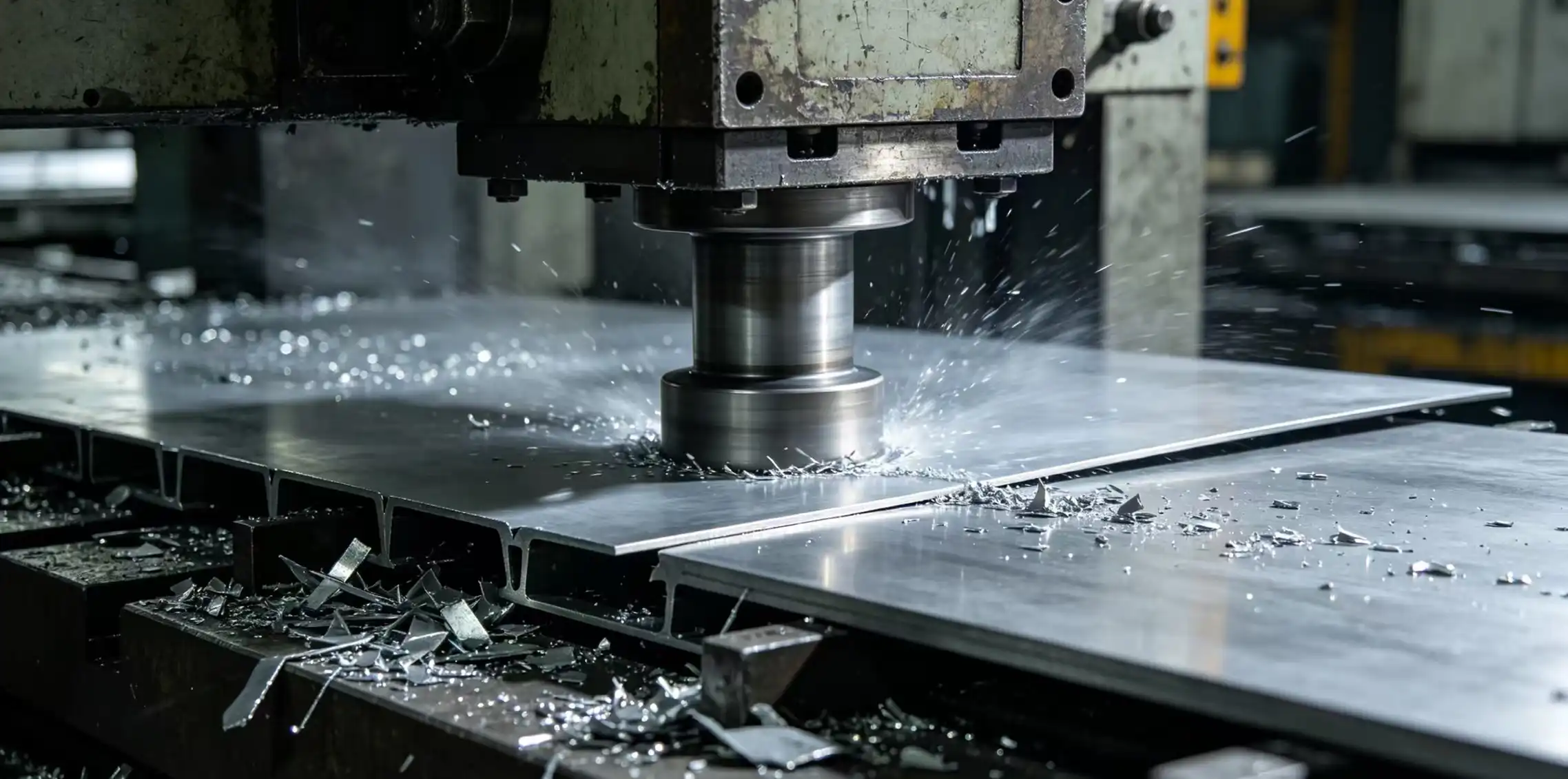
Emerging Technologies and Trends in Medical Device Prototyping
Advanced Multi-Material Additive Manufacturing
New safe 3D printing materials have made it possible to make a huge range of designs. Photopolymer resins now have mechanical properties that are similar to injection-molded thermoplastics, but they still have the freedom of shape that additive processes offer. Multi-material systems print both hard and flexible materials at the same time, which lets them make samples with seals, cushions, or living hinges built in at the same time. Biocompatible materials that meet ISO 10993 standards let printed parts touch flesh during early testing, which shortens the time it takes to validate the designs.
Digital Twins and Virtual Prototyping Integration
Simulation software makes virtual copies that show how something will work in the real world before it is made. Finite element analysis (FEA) finds areas of high stress and possible failure points, which helps improve designs. Computational fluid dynamics (CFD) is a way to model how air, drugs, or blood move thru gadget paths. These digital prototypes cut down on the number of physical iterations needed, which lowers the cost of development and makes final designs better. When physical prototypes are made, adding sensors lets data be collected that proves the simulations are correct. This creates a feedback loop that makes future digital models better.
Sustainable Materials and Processes
More and more, caring about the environment affects the choices of materials and processes. Bio-based polymers made from green feedstocks can be used instead of plastics made from oil without lowering their performance. Using recycled metal feedstocks for CNC machining is better for the earth and doesn't change the qualities of the material. When you use water-soluble support materials for 3D printing, you don't have to use harsh chemicals afterward. People who care about the environment will like these environmentally friendly methods, and they also fit in with corporate responsibility programs without lowering the high standards of performance that medical devices need.
Working with Medical Device Manufacturing Partners for Prototypes
Essential Supplier Evaluation Criteria
Qualification as a supplier starts with having a certification status. Registration with ISO 13485 shows that the quality control systems are built to work with Medical Device Manufacturing. The FDA's registration and review past show that they have followed the rules. Check for technical skills beyond certifications by visiting the facility, looking at a list of equipment, and checking the qualifications of the staff. Material tracking systems make sure that each part can be linked to an approved batch of raw materials. The amount of maturity needed for regulatory applications can be seen in the documented processes for design transfer, process validation, and change control.
Contract Manufacturing Versus In-House Development
By outsourcing prototype development, you can get access to specialized tools and knowledge without having to spend money on them yourself. External partners can usually finish tasks faster because they have access to specific resources and already-established processes. Intellectual property issues and communication costs, on the other hand, need to be carefully managed. In-house testing gives you the most control and privacy, but it requires a lot of money to buy the right tools and skilled workers. A lot of successful medical device companies use a mix of approaches. They do early conceptual work in-house and work with specialized manufacturers to make higher-fidelity prototypes that need certified materials or advanced processes.
How BOEN Prototype Supports Medical Device Development
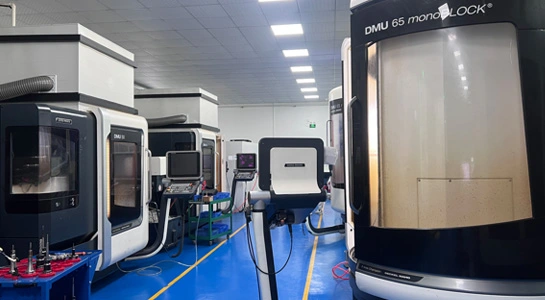
As we look into different manufacturing processes, it becomes clear how important it is to work with experts who have a lot of experience. BOEN Prototype has helped labs, biotech R&D teams, and companies that make medical devices with all stages of prototype development. We offer complete solutions all under one roof thanks to our combined CNC machining, fast injection molding, vacuum casting, SLA and SLS 3D printing, and sheet metal manufacturing skills. This integration gets rid of the problems that come up when you have to work with different companies to coordinate, and parallel processing speeds up the process.
Our engineering team knows a lot about the materials we use and can suggest biocompatible options that meet both functional needs and regulatory standards. We keep our quality systems in line with ISO 9001 standards and give you paperwork to back up your certification requests. Our technical know-how and manufacturing flexibility allow us to meet your specific needs, whether you need ergonomic testing samples, functional validation prototypes, or pre-production parts for clinical trials. We promise quick turnaround times that will help you meet tight development deadlines without sacrificing the accuracy and quality that medical applications need.
Conclusion
There are different ways to make a medical device prototype, and each has its own benefits for different steps and goals of creation. Additive manufacturing speeds up early versions with complicated shapes, CNC machining provides accuracy for testing functionality, injection molding creates parts that are the same as those used in production, and specialized methods handle the specific needs of each material. Technical needs, legal requirements, time constraints, and budgets must all be balanced during prototype development. This can be done by carefully choosing the right process and forming partnerships with skilled manufacturers. New technologies keep opening up new options, and environmentally friendly practices are becoming more popular. The right Medical Device Manufacturing partner not only has the right tools, but also knows about regulations, has a lot of experience with materials, and can work with you to solve problems. This helps turn new ideas into medical products that are compliant and ready for the market.
FAQ
What are typical lead times for medical device prototypes?
Lead times are very different depending on how the product is made and how complicated it is. In three to five working days, you might be able to get simple 3D printed idea models. Functional samples made with CNC machines usually take one to two weeks, but this depends on the supply of materials and the difficulty of the machine work. Rapid injection molding projects take four to six weeks to finish, which includes making the aluminum tools and parts. For most sheet metal containers, the cutting, shaping, and finishing steps take two to three weeks. When a job needs to be done quickly, rush services can shorten these timelines for an extra fee. During the quoting phase, being clear about deadlines helps manufacturing partners set reasonable delivery expectations and make the best use of their resources.
How do regulatory requirements influence prototyping approaches?
Regulatory frameworks affect the choice of materials, how they are documented, and how they are tested during the prototype development process. FDA submissions and CE marking processes often need prototypes that are made from materials that are the same as those used in production and can be tracked back to certified suppliers. Biocompatibility testing according to ISO 10993 standards needs certain types of materials and treatments on the surface. It is important to keep accurate records from the very beginning so that design history files can keep track of prototype iterations, testing results, and design changes. When manufacturing partners know about these needs, they can provide paperwork that directly supports regulatory submissions. This lowers the risk of not meeting these requirements and speeds up the approval process.
Can prototypes be used for clinical testing?
If a prototype can be used in clinical settings, it depends on how well it was made, whether the materials were certified, and what the legal route needs. Prototypes made with rapid processes may be used in early-stage feasibility studies as long as they meet biocompatibility standards. Parts for formal clinical studies usually need to be made under detailed quality systems that are close to production conditions. When the right paperwork is included, parts that are rapid injection molded or CNC made from approved material stocks usually meet these needs. Early on in the development process, talk to regulatory experts to find out what features your specific clinical pathway needs in a prototype. This will help you make sure that your manufacturing process matches the testing goals.
Accelerate Your Medical Device Innovation with Expert Prototyping Support
The people who make your medical device should know both the technical requirements and the regulatory realities of the project. BOEN Prototype is ready to help you with your development process by providing full testing services and engineering advice. As a reliable Medical Device Manufacturing source, we've helped a huge number of device makers, labs, and biotech companies turn ideas into tested samples that are ready for clinical testing. Our team uses cutting-edge manufacturing technologies, a deep understanding of the materials we use, and quality systems that help you get certified. Get in touch with us at contact@boenrapid.com to talk about your unique sample needs. Our experts can help you with quick design changes, suggestions for safe materials, or production-equivalent validation parts. They will find a way to keep your project moving quickly and cheaply.
References
1. Pham, D.T., & Gault, R.S. (2018). "Manufacturing Technologies for Medical Device Prototyping: A Comprehensive Review." Journal of Medical Engineering & Technology, Vol. 42, Issue 6, pp. 421-438.
2. Klein, G.T., & Lu, Y. (2019). "Biocompatible Materials in Rapid Prototyping for Medical Applications." Materials Science and Engineering: C, Vol. 98, pp. 1145-1167.
3. Ventola, C.L. (2017). "Medical Applications for 3D Printing: Current and Projected Uses." Pharmacy and Therapeutics, Vol. 39, Issue 10, pp. 704-711.
4. ISO 13485:2016. "Medical Devices — Quality Management Systems — Requirements for Regulatory Purposes." International Organization for Standardization, Geneva, Switzerland.
5. FDA Center for Devices and Radiological Health. (2016). "Technical Considerations for Additive Manufactured Medical Devices: Guidance for Industry and Food and Drug Administration Staff." U.S. Department of Health and Human Services.
6. Tack, P., Victor, J., Gemmel, P., & Annemans, L. (2016). "3D-Printing Techniques in a Medical Setting: A Systematic Literature Review." Biomedical Engineering Online, Vol. 15, Article 115, pp. 1-21.

How Can We Help?

Your Trusted Partner in Rapid Manufacturing.