Who Manufactures Custom Parts for Robotics and Automation Equipment?
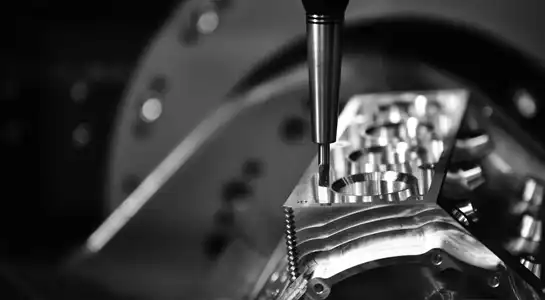
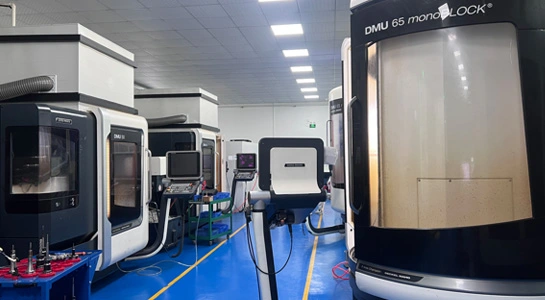
When it comes to manufacturing custom parts for robotics and automation equipment, a diverse ecosystem of suppliers serves the industry. Leading manufacturers span from established corporations like KUKA, ABB, and Fanuc that provide comprehensive component solutions, to specialized prototyping partners who excel in rapid iteration and small-batch production. Companies within the robotics sector depend on these manufacturers for precision-engineered structural components, end-effectors, housing assemblies, and functional prototypes that enable faster development cycles. BOEN Prototype represents this specialized category, offering rapid prototyping and low-volume manufacturing capabilities across CNC machining, 3D printing technologies, injection molding, and die casting to support robotics innovation from concept through production validation.
Introduction
Robotics and automation equipment advancements across industry sectors have become impossible without custom parts. These custom parts make it possible for better performance, operational flexibility, and smooth integration into automated systems that are getting more complicated. As businesses look for ways to gain a competitive edge through specialized automation solutions, the need for precision-engineered parts keeps growing.
This guide is for buying managers, design engineers, system integrators, and original equipment makers (OEMs) who need to find reliable producers of custom robotic parts. We give an in-depth look at source landscapes, important buying factors, and new manufacturing trends that are shaping the industry. When B2B procurement workers understand these factors, they can make strategic choices that boost business efficiency and encourage new ideas in automation projects. Finding the right parts from reliable manufacturers has a direct effect on project timelines, system reliability, and the overall return on investment.
Understanding Custom Parts in Robotics and Automation Equipment
What Defines Custom Components in Automation Systems?
Robotics custom parts include specialized parts like actuator mounts, sensor housings, gripper assemblies, control casings, and structure frames that are made to fit specific application needs. In contrast to standard off-the-shelf choices, these parts meet unique operating needs that generic parts can't do well.
The Critical Role of Tailored Solutions
Automation systems that can adapt to different production workflows are becoming more and more important in manufacturing environments. Custom parts give you this freedom by giving you exact limits on sizes, materials that work best in certain conditions, and ways to connect them to other parts of your system. When making AGV systems, robot manufacturers need chassis parts that are both light and durable. When making collaborative robots, developers need housings that are safe and comfortable.
Challenges with Standard Components
Most of the time, companies that only use stock parts run into big problems. Because generic parts don't always fit perfectly, they can make a system less efficient because engineers have to build around what parts are available instead of focusing on Automation performance. When stock parts don't have the right mounting points, connection ports, or dimensional compatibility, they can be hard to integrate. Concerns about reliability arise when off-the-shelf parts are used in ways that are not meant, causing them to fail early and cause expensive downtime.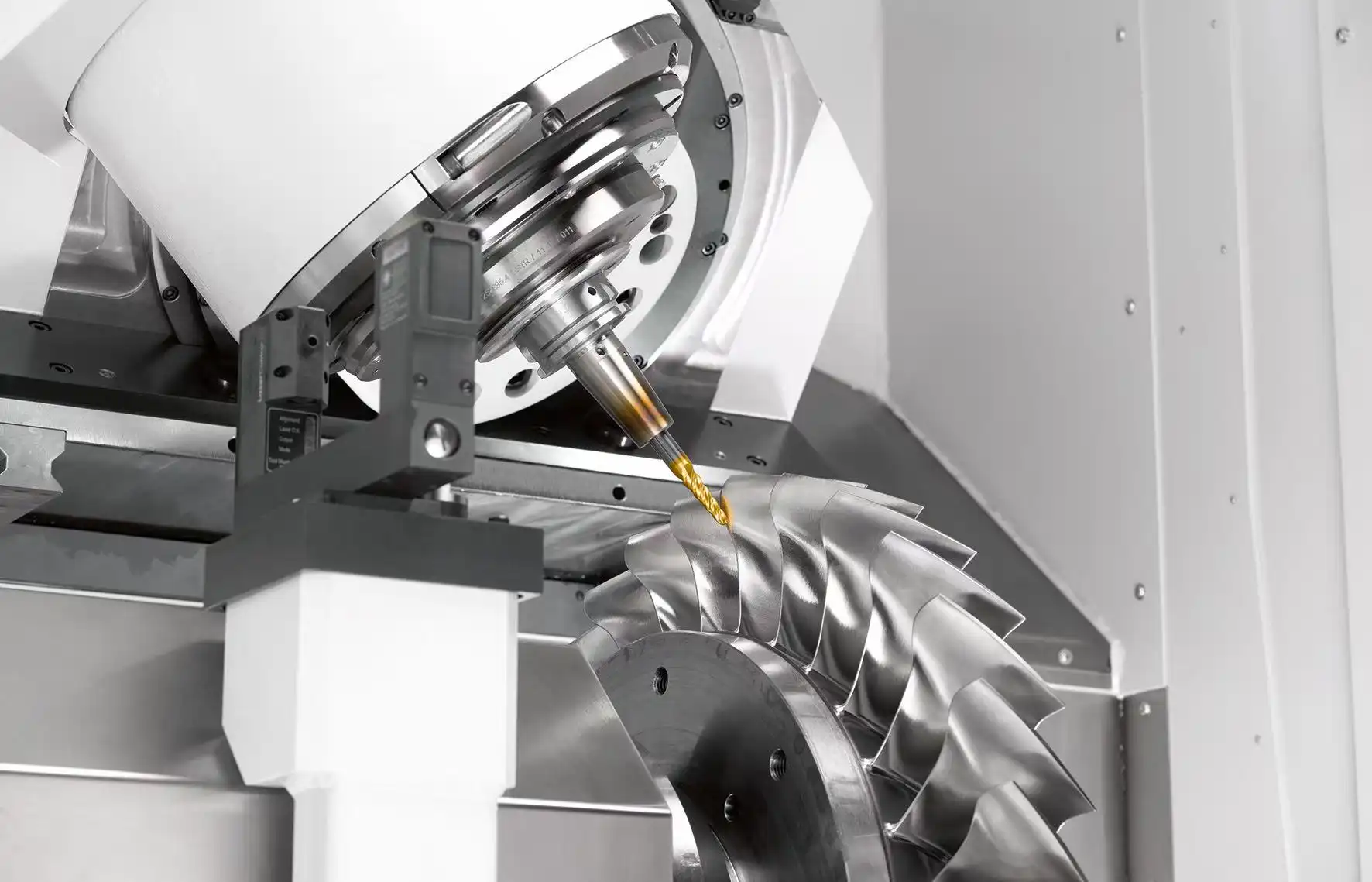
Key Manufacturers of Custom Robotics and Automation Parts
Global Industry Leaders and Their Capabilities
Through significant investments in research and development and a robust manufacturing infrastructure, a number of well-known companies control the custom Robotics component market. Fanuc makes motion control parts and precise mechanical assemblies, while Boston Dynamics created the first advanced mobility components for dynamic robotic systems. ABB makes custom electrical housings and control system cases, and KUKA makes custom end-of-arm tools and structural parts for industrial manipulators. Yaskawa specializes in high-precision turning systems and parts that are driven by servos.
Strong quality management systems, a wide range of certifications, including ISO 9001 and standards specific to Robotics, and global supply chain networks are all provided by these industry leaders. Because they can make a lot of things and keep an eye on quality, they're a good partner for companies that already have ideas that need to be made in larger quantities.
Specialized Prototyping and Low-Volume Manufacturers
There is a separate group of manufacturers that focus on low-volume production, rapid prototyping, and design iteration to help with the development stages of a product. These companies are great at using flexible production methods like CNC machining, additive manufacturing, vacuum casting, and rapid tooling, which speeds up the development process.
BOEN Prototype is a good example of this type of company because it does full development and small-batch production in both metal and plastic. We can use a lot of different technologies, such as CNC cutting for precise metal parts, SLA and SLS 3D printing for complicated shapes, fast injection molding for testing functionality, and die casting for long-lasting metal parts. Because we use a wide range of technologies, we can help with Robotics projects from the first concept models to pre-production validation runs.
Evaluating Manufacturer Capabilities
To choose the right providers, you need to look at a number of important factors. How well a maker can regularly meet tolerances, surface finishes, and material properties depends on how precise their engineering is. Innovation capacity shows how well they can solve difficult design problems and suggest new ways of doing things that make them easier to make. Production scaling tells them if they can go from small trial runs to bigger production runs as the projects get better. Following quality standards and safety certifications makes sure that parts meet the rules for certain markets and uses.
How to Choose the Right Manufacturer for Custom Robotics Parts?
Defining Technical Requirements Clearly
To successfully source components, you must first clearly define what you need. Dimensional tolerances, material needs, surface finish standards, mechanical property expectations, and needs for environmental resistance should all be part of the technical specifications. Volume needs have a big impact on the choice of manufacturer, since suppliers that are good at prototyping might not be able to offer competitive prices for high volumes, and big manufacturers don't always have the flexibility to work with small batches.
Essential Selection Criteria
Quality standards give customers faith in the way a product is made and how consistent the results are. Industry-specific certifications, such as AS9100 for aircraft or ISO 13485 for medical devices, show experience in regulated areas. ISO 9001 recognition shows that quality management systems have been in place for a long time. Safety standards, such as CE marking, UL certification, or regulations relevant to the business, may be necessary for Robotics uses.
Adopting new technologies has a direct effect on the quality of parts and lead times. Modern CAD/CAM systems, automated CNC equipment, and advanced metrology tools help manufacturers make more consistent products more quickly. Additive manufacturing can make complex geometries that aren't possible with traditional methods, and multi-axis machining centers can make precise mechanical assemblies with a lot of moving parts.
Comparing Value Propositions
Customization freedom is what sets truly capable makers apart from those who only let you change a few things about standard goods. The best suppliers work together with engineering teams to make designs that are easy to make, to offer different materials or methods that would improve performance or lower costs, and to be flexible when requirements change during the development process.
Different makers have very different ways of setting prices. Some give prices per part that work for small orders, while others offer investments in tools with lower costs per unit for bigger orders. The total cost of ownership includes more than just the unit price. It also includes the cost of depreciating tools, the cost of rework or rejection due to quality issues, the cost of shipping and logistics, and the chance that delays will affect project deadlines.
Value-added services help manufacturers stand out in markets where competition is high. Long-term ownership costs are lower when there is after-sales assistance, such as changing parts, fixing technical problems, and making new parts available. Some suppliers offer services like design optimization, help with choosing materials, and prototyping before they commit to full production. Logistics solutions like handling stockpiles, setting up planned deliveries, and combining shipping make it easier for buyers who are managing multiple sources of parts to buy things.
Trends Impacting Custom Parts Manufacturing in Robotics
Artificial Intelligence Integration
AI technologies are having a bigger impact on both designing robotic systems and making their parts. Machine learning programs find the best ways for robots to move, which means that structural parts need to be able to handle different types of loads than those used in traditional systems. Intelligent automation systems need places to connect sensors, ways to keep cables organized, and adjustable connections that let them be reconfigured easily.
AI-driven optimization is good for the manufacturing processes themselves. Machine learning models improve CNC toolpaths for better surface finish and shorter cycle times, and predictive maintenance algorithms cut down on production downtime. Because of these advances in technology, manufacturers can now deliver higher-quality parts with shorter lead times.
Advanced Materials and Additive Manufacturing
New discoveries in material science open up more design options for robotic parts. Carbon fiber materials have very high ratios of strength to weight, which is important for making manipulator arms and mobile robot frames that are light. For tough environments, engineering thermoplastics like PEEK and Ultem perform well at high temperatures and don't react with chemicals. Alloys made of metals, like aluminum 7075 and titanium types, offer strength levels that used to require heavier steel parts.
Additive manufacturing has changed from a tool for making prototypes to a way to make things for certain uses. Direct metal laser sintering makes titanium and aluminum parts for aircraft and high-performance uses, while selective laser sintering makes useful nylon parts with complicated geometries. With these methods, designs can include things that aren't possible with traditional manufacturing, like internal channels for cooling or weight loss, consolidated assemblies that cut down on the number of parts needed, and customized parts that can be made in small quantities at a low cost.
Sustainability and Regulatory Compliance
Environmental factors are becoming more and more important in all industrial businesses. Manufacturers of Robotics are under pressure to reduce their carbon footprint by choosing materials carefully, using energy-efficient production methods, and making sure that their products can be recycled when they are no longer useful. Companies that make parts and use sustainable methods have an edge over their competitors because customers care about the environment when they buy things.
Regulatory environments are always changing, especially when it comes to the safety of collaborative robots in the workplace, the electromagnetic compatibility of electronic enclosures, and material limits like the RoHS and REACH guidelines. When manufacturers stay on top of changes to regulations, their clients don't have to pay for expensive redesigns or wait for approval.
Case Studies: Successful Procurement of Custom Robotics Parts
Industrial Automation Production Upgrade
A medium-sized company that makes mobile robots that can move on their own needed custom aluminum chassis parts for a new line of products that will be used in warehouse logistics. Their old provider only had standard extrusion shapes, which meant that design choices had to be made that made the system heavier and more complicated to put together.
After looking at a number of specialized makers, they chose a partner that could do both CNC cutting and die casting. The engineering team at the manufacturer worked together to improve the design and suggested changes to the structure that cut the amount of material used by 18% while still meeting the required strength standards. The custom die-cast frame had mounting holes for drive motors, sensor brackets, and battery sections. This meant that fourteen different parts from the old design were no longer needed.
The benefits for production included 35% less time spent putting the parts together, stronger structures that could hold more weight, and lighter systems that could run for longer on a single charge. By spending in custom-designed parts instead of adopting standard parts, the project showed that performance can be improved and production costs can be cut.
Medical Robotics Precision Requirements
For a slightly invasive tool with strict biocompatibility, sterilization resistance, and dimensional accuracy standards, a surgical Robotics maker needed custom housings. For this application, the inside had to have complicated shapes for cable routing and moving parts for instruments, and the outside had to be smooth to meet standards for medical devices that look good.
The development team worked with a prototyping expert that could do both additive manufacturing to test the design and precise CNC machining to make the final parts. In the first rounds, SLA 3D printing was used to test the layouts and assembly interfaces. This made it possible to quickly improve the design over five rounds that lasted three weeks. Medical-grade PEEK polymer was CNC machined into production parts with tolerances of less than 0.05 mm and surface finishes that can be used with sterilization protocols.
When compared to their last project, which used a standard manufacturer and needed hard tooling before functional validation, the joint method cut development time by about eight weeks. The case shows how choosing makers with the right skills for each stage of development can speed up time to market while still meeting quality standards that are important for regulated businesses.
Conclusion
Choosing the right manufacturer for custom Robotics and Automation components has a big effect on the success of the project. It affects the time it takes to develop the system, how well it works, and how much it costs all together. There are many options for manufacturing, from large companies that do a lot of work to specialized partners who are great at rapid prototyping and small-scale production. To do buying right, you need to be very clear about the technical requirements, carefully look at what the manufacturers can do, and make sure that the strengths of the suppliers match the needs of the project. New technologies like improved materials, additive production, and AI integration are changing the ways that robotic parts can be designed. Companies that build strong partnerships with skilled manufacturers gain a competitive edge through faster development processes, better component performance, and adaptable production solutions that support new automation technologies.
FAQ
What factors matter most when evaluating custom robotics parts manufacturers?
When comparing custom Robotics parts manufacturers, what are the most important things to look for? Precision in manufacturing is the most important thing, making sure that parts meet the material and size requirements of your application. Quality certifications, like ISO 9001, show that process controls have been set up, and industry-specific certifications show that you know how to follow the rules. What designs are possible are based on technology like CNC machining, additive manufacturing, and different types of materials. Consistent lead times affect project schedules, so it's important to have reliable delivery. Engineering support helps make ideas better so they can be made and cost less.
How long does custom robotics component manufacturing typically take?
Lead times depend a lot on how complicated the item is, how many of them there are, and how they are made. When 3D printing or CNC machining are used for rapid development, the first models are usually ready in one to two weeks. When parts like injection molds or die casting dies need to be developed as tools, the lead time goes up to four to eight weeks before the first items are made. When direct manufacturing is used, production runs can last anywhere from a few days for small amounts to several weeks for bigger amounts. Setting realistic deadlines during discussions about procurement stops schedule conflicts.
Can custom components integrate with existing automation systems?
When properly built, custom parts work with existing automation tools without any problems. During the design phase, it is important to be very specific about mounting interfaces, electrical connections, communication protocols, and size limits so that the integration goes smoothly. Manufacturers with a lot of experience offer technical help to make sure that everything works together, and they often suggest standard interface features that make integration easier. Functional testing can happen during the prototyping phase before committing to production tools. This lowers the risks of integration.
Partner with BOEN Prototype for Your Custom Robotics Manufacturing Needs
Precision-engineered parts from BOEN Prototype support automation and Robotics innovation across sectors. We can make anything using CNC machining, rapid injection molding, die casting, and the latest 3D printing technologies. This means we can be your one-stop shop for prototyping and low-volume production. From lightweight structural requirements to intricate assembly integration, we are aware of the special difficulties Robotics manufacturers face. Our engineering team works directly with your designers to make sure that parts are optimized for speed and ease of production while still meeting tight deadlines for development. We can give your projects the freedom and quality assurance they need, whether they need working samples for validation testing, small batches of parts for pilot production, or custom parts for specific automation uses. Get in touch with seasoned Robotics Component Suppliers who care about you. Get in touch with BOEN Prototype right away at contact@boenrapid.com to talk about your needs and find out how our rapid prototyping skills can help you build your automation equipment more quickly.
References
1. International Federation of Robotics. (2023). World Robotics Report: Industrial Robots and Service Robots Market Analysis and Forecasts.
2. Society of Manufacturing Engineers. (2022). Custom Component Manufacturing for Advanced Robotics: Design Guidelines and Best Practices.
3. Robotics Industries Association. (2023). Standards and Certifications for Robotic Component Suppliers: A Comprehensive Guide for Procurement Professionals.
4. American Society of Mechanical Engineers. (2022). Additive Manufacturing Applications in Robotics: Materials, Processes, and Design Considerations.
5. National Institute of Standards and Technology. (2023). Precision Manufacturing Technologies for Robotic Systems: Measurement Standards and Quality Assurance Methods.
6. Industrial Automation Manufacturers Association. (2022). Supply Chain Management for Custom Automation Components: Procurement Strategies and Risk Mitigation.

How Can We Help?

Your Trusted Partner in Rapid Manufacturing.