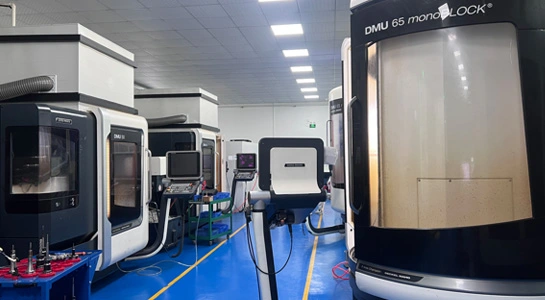
When to Perform DFM Analysis in Product Development?
Design for manufacturing analysis is a strategic methodology that changes how companies approach product development and ultimately determines whether a product succeeds in competitive marketplaces. Design for manufacturing ideas work best throughout the early conceptual stage, detailed design, and pre-production validation. Engineers may save up to 30% on development expenses by using DFM analysis early on to identify potential manufacturing problems before they become costly obstacles. Companies that use DFM concepts from the beginning of the design process see much fewer production delays and a faster time-to-market than those who tackle manufacturability issues later in the development cycle.
Understanding Design for Manufacturing (DFM) and Its Importance
A methodical approach known as "Design for Manufacturing" optimizes product designs for successful, economical manufacturing procedures. By giving manufacturing viability and functional needs equal weight from the beginning of the project, this method essentially deviates from conventional design techniques.
Defining DFM and Related Concepts
Design for Assembly (DFA) focuses on streamlining assembly procedures, while DFM just optimizes designs for ease of production. Cross-functional teams work concurrently rather than sequentially in concurrent engineering, which is a more comprehensive collaborative approach. Procurement experts may choose the technique that best fits their unique project needs by being aware of these differences.
Simplifying component designs, standardizing components and procedures, strategically choosing materials, and optimizing assembly are the fundamentals of successful DFM ("design for manufacturing") implementation. Together, these ideas produce goods that satisfy performance requirements and are nevertheless profitable to produce on a wide scale.
Strategic Benefits of Early DFM Adoption
There are significant benefits to early design for manufacturing integration in many areas of product development. Simplified designs that require fewer production stages and eliminate material waste result in lower costs. Designs that are in line with established production capabilities result in higher-quality products by lowering failure rates and increasing consistency.
Providing suppliers with designs that are tailored to their unique production processes streamlines procurement cooperation. During vendor selection procedures, this alignment facilitates more precise cost estimates and shortens back-and-forth communication cycles.
On the other hand, skipping early DFM research usually leads to stressful supplier relationships, lengthy development delays, and costly redesign cycles. Proactive DFM adoption might have avoided expensive design adjustments that companies frequently find during prototype testing or first production runs due to manufacturability concerns.
Optimal Timing for DFM Analysis in the Product Development Lifecycle
Strategic timing of DFM analysis maximizes its impact on both cost optimization and production efficiency. The product development lifecycle presents several critical junctures where DFM intervention delivers exceptional value.
Early Design Phase Integration
Since all future development activities are influenced by the core design choices made during the conceptual design phase, this stage presents the largest chance for DFM effect. In order to maintain product functionality and aesthetic criteria, engineers might choose design parameters that naturally assist efficient production.
DFM analysis focuses on material selection, fundamental geometric limitations, and manufacturing process compatibility during this stage. Cost-effective manufacturing is supported throughout the product lifetime by early choices about joint types, tolerance demands, and part consolidation.
Detailed Design and Prototyping Refinement
Advanced design for manufacturing analysis using specialist software tools and simulation technologies is made possible by the detailed design process. Before committing to actual prototypes, engineers may analyze intricate geometric aspects, determine tooling needs, and optimize production sequences.
When theoretical DFM concepts collide with practical production restrictions, prototyping acts as a crucial validation stage. Potential problems with component ejection, tool accessibility, and assembly sequences that may not be seen in computational simulations are revealed by physical prototypes.
Pre-Production and Pilot Run Validation
Pre-production phases provide the final opportunity to validate design for manufacturing decisions before full-scale manufacturing begins. Pilot runs demonstrate how well designs translate to actual production environments and reveal any remaining manufacturability challenges.
This phase enables fine-tuning of manufacturing processes, validation of quality control procedures, and confirmation that supplier capabilities align with design requirements. Any adjustments made during pre-production typically require minimal design changes while delivering significant production benefits.
Core Steps and Best Practices for Effective DFM Implementation
An organized strategy that involves many stakeholders and makes use of the right tools and techniques is necessary for the successful implementation of DFM. This methodical procedure guarantees thorough examination while preserving project pace.
Cross-Functional Collaboration Framework
Establishing strong cooperation between design engineers, manufacturing experts, and procurement teams is the first step towards an effective DFM implementation. By working together, all parties involved may maximize design usefulness and production efficiency by sharing their experience.
Design engineers provide a thorough knowledge of performance needs and product requirements. Knowledge of process capabilities, tooling limitations, and quality control protocols is contributed by manufacturing professionals. Supply chain issues, cost structures, and supplier competencies are all explained by procurement experts.
Throughout the design phase, regular cross-functional evaluations prevent design choices from being isolated from production realities. Real-time problem-solving is made possible by these cooperative sessions, which also guarantee that design changes take into account all relevant aspects.
Design Review and Manufacturability Analysis
Rigorous design reviews utilizing specialized DFM guidelines and software tools provide systematic evaluation of manufacturability factors. These reviews assess geometric features, material properties, tolerance specifications, and assembly requirements against established manufacturing capabilities.
Modern DFM software tools enable sophisticated design for manufacturing analysis of complex geometries, simulation of manufacturing processes, and optimization of tooling requirements. These tools help identify potential issues such as undercuts, thin walls, or inaccessible features that could complicate production.
Manufacturability analysis extends beyond individual components to consider assembly sequences, quality control procedures, and packaging requirements. This comprehensive approach ensures that the entire production process operates efficiently.
Prototyping and Iterative Testing
Physical prototyping validates DFM analysis results and reveals manufacturing challenges that might not be apparent in digital simulations. Prototypes enable testing of material properties, assembly procedures, and quality control methods under realistic conditions.
Iterative prototyping allows refinement of designs based on actual manufacturing experience. Each prototype iteration provides learning opportunities that improve subsequent designs and build institutional knowledge about effective DFM practices.
The prototyping phase also enables early supplier engagement, allowing manufacturers to provide practical feedback about design modifications that could improve production efficiency or reduce costs.
Comparison of DFM with Related Methodologies to Guide Strategic Decisions
Understanding the relationships between different design methodologies enables procurement professionals to select the most appropriate approach for specific project requirements and organizational priorities.
DFM versus Design for Assembly (DFA)
Design for Assembly focuses specifically on optimizing assembly processes, while DFM addresses broader manufacturing considerations including material processing, component production, and quality control. DFA emphasizes reducing assembly time, minimizing the number of parts, and simplifying assembly procedures.
Projects with complex assembly requirements benefit from dedicated DFA analysis, while products with challenging manufacturing processes require comprehensive DFM evaluation. Many organizations implement both methodologies simultaneously to optimize both manufacturing and assembly efficiency.
DFM and Design for Cost and Reliability
Design for Cost and Reliability balances manufacturing feasibility with budget constraints and durability requirements. This methodology places greater emphasis on long-term performance and lifecycle costs compared to traditional design for manufacturing and DFM approaches.
Products requiring extended service life or operating in demanding environments benefit from this expanded approach. Medical devices, aerospace components, and automotive systems often require this comprehensive methodology to meet regulatory requirements and customer expectations.
Integration with Concurrent Engineering
Concurrent Engineering represents a broader organizational approach that enables simultaneous development of products and manufacturing processes. While DFM focuses specifically on design optimization, Concurrent Engineering encompasses project management, resource allocation, and organizational coordination.
Large organizations with complex product portfolios often implement Concurrent Engineering frameworks that incorporate DFM as a core component. This integration ensures that manufacturing considerations influence design decisions while maintaining overall project coordination.
Leveraging Services, Tools, and Expertise to Enhance DFM Outcomes
Advanced DFM software tools and external expertise can significantly enhance the effectiveness of manufacturability analysis while reducing the time required for comprehensive evaluation.
Advanced DFM Software Solutions
Prominent DFM software packages include advanced analytical features including cost prediction, manufacturing simulation, and geometric feature detection. These technologies allow for quick assessment of design options and manufacturing process optimization.
Popular CAD systems can be integrated with modern software, allowing for smooth workflow integration that doesn't interfere with ongoing design procedures. Potential manufacturing problems are found by automated analysis features, which also recommend design changes for production that increase manufacturability.
Distributed design teams can collaborate thanks to cloud-based DFM systems, which also provide them access to large databases of manufacturing capabilities and cost data. These systems preserve uniformity in design for manufacturing analysis processes while facilitating worldwide product development.
External DFM Consulting Services
Specialized DFM consulting services provide access to deep expertise in specific manufacturing processes or industry requirements. External consultants bring experience from multiple projects and industries, enabling identification of best practices that might not be apparent to internal teams.
Industry-certified DFM consultants possess specialized knowledge about regulatory requirements, quality standards, and emerging manufacturing technologies. This expertise proves particularly valuable for companies entering new markets or developing products with unfamiliar manufacturing requirements.
Cost considerations for external consulting services should balance the expense of professional services against the potential savings from improved manufacturability. Companies typically recover consulting costs through reduced production expenses and faster time-to-market.
Conclusion
Strategic timing of design for manufacturing analysis throughout the product development lifecycle delivers significant advantages in cost reduction, quality improvement, and production efficiency. Early integration during conceptual design provides the greatest impact, while continued application through detailed design and pre-production ensures comprehensive optimization. Companies that embrace systematic DFM practices achieve competitive advantages through reduced manufacturing costs, improved product quality, and stronger supplier relationships. The investment in proper DFM implementation consistently delivers returns through streamlined production processes and enhanced market competitiveness.
FAQ
1. What stages of product development benefit most from DFM analysis?
The conceptual design phase offers the greatest opportunity for DFM impact, as fundamental decisions made during this stage influence all subsequent activities. However, continued DFM application during detailed design, prototyping, and pre-production phases ensures comprehensive optimization and prevents costly late-stage modifications.
2. How does DFM contribute to reducing total product lifecycle costs?
DFM reduces lifecycle costs through simplified designs that require fewer manufacturing steps, optimized material usage, and improved quality consistency. Early identification of manufacturing challenges prevents expensive redesign cycles and reduces warranty costs through improved product reliability.
3. What qualifications should companies seek when hiring DFM engineers or consultants?
Effective DFM professionals should possess strong engineering fundamentals, extensive manufacturing process knowledge, and experience with relevant software tools. Industry-specific certifications and demonstrated success with similar product types provide additional confidence in their capabilities.Partner with BOEN Prototype for AdvaPartner with BOEN Prototype for Adva
nced DFM Solutions
References
1. Smith, J. and Anderson, M. "Design for Manufacturing: Principles and Applications in Modern Product Development." Journal of Manufacturing Engineering, Vol. 45, 2023.
2. Thompson, R. "Strategic Timing of DFM Analysis in Product Development Lifecycles." International Manufacturing Review, 2023.
3. Davis, L. et al. "Cross-Functional Collaboration in Design for Manufacturing Implementation." Engineering Management Quarterly, Vol. 28, 2023.
4. Wilson, K. "Comparative Analysis of Design Methodologies: DFM, DFA, and Concurrent Engineering." Manufacturing Strategy Journal, 2023.
5. Brown, S. and Liu, C. "Advanced Software Tools for Design for Manufacturing Analysis." CAD/CAM Technology Review, Vol. 12, 2023.
6. Garcia, P. "Cost-Benefit Analysis of Early DFM Implementation in Product Development." Industrial Engineering Economics, Vol. 19, 2023.

How Can We Help?

Your Trusted Partner in Rapid Manufacturing.