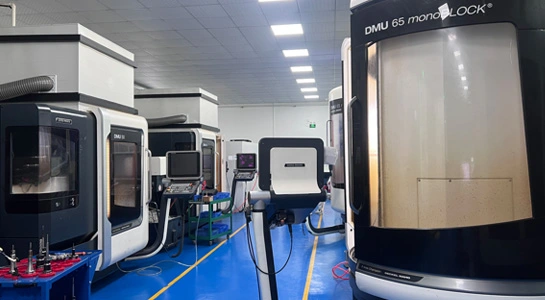
Australian Original Equipment Manufacturers (OEMs) depend on precise CNC turning parts for many fields, such as medical products, aerospace, and cars. Many companies get these important parts from specialized makers in the United States and other countries. Top providers use cutting-edge CNC technology, high-quality materials, and skilled workers to make their products. Precision, material choices, turnaround times, and cost-effectiveness are some of the most important things to look for in a CNC turning partner. OEMs are working with flexible suppliers more and more to get high-quality, unique CNC-turned parts that meet their exact needs as Australian manufacturing continues to change.
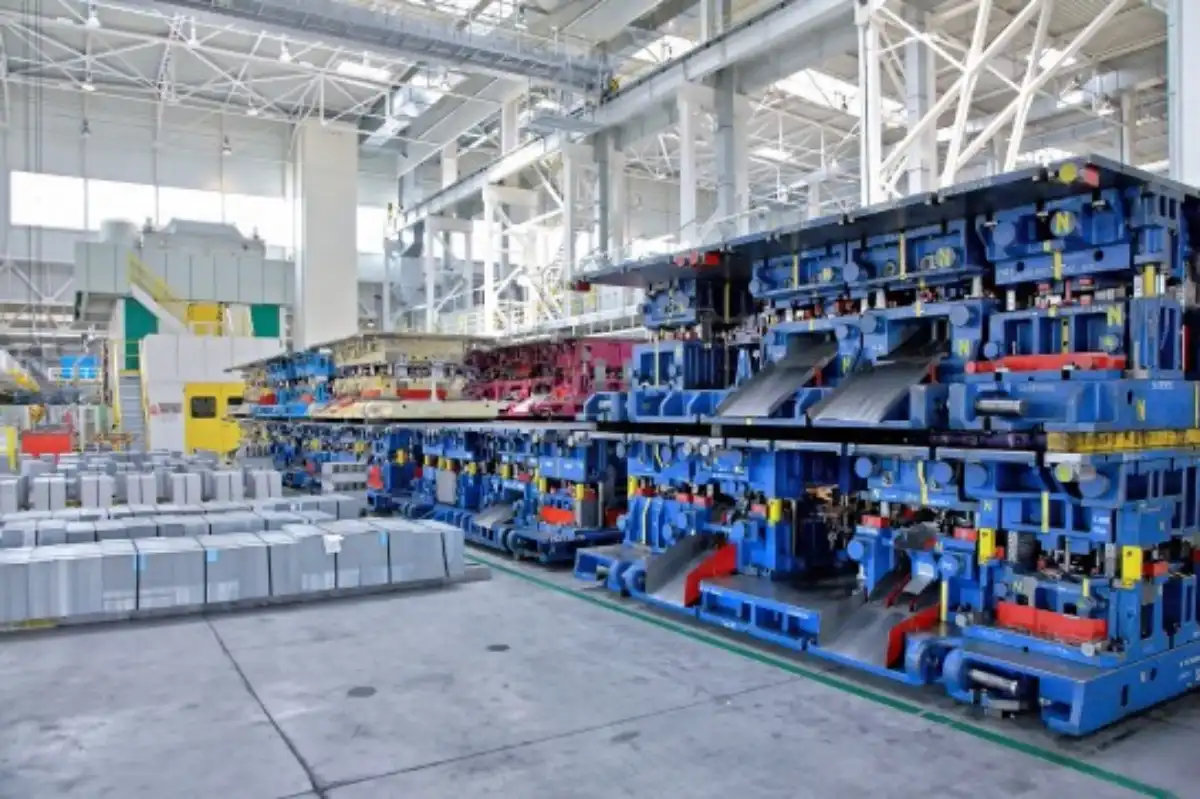
The Landscape of CNC Turning Services for Australian OEMs
Domestic vs. International Sourcing
When looking for precision CNC turning parts, Australian OEMs have to make a big choice: should they work with suppliers in their own country or look abroad? There are benefits to buying from local manufacturers, such as faster contact, easier site visits, and maybe even faster turnaround times. However, a lot of OEMs are looking to foreign suppliers, especially those in Asia, because they can often offer better prices and access to new technologies.
Key Factors in Supplier Selection
Australian OEMs look at a number of important factors when picking a CNC turning partner. Precision skills are at the top of the list because many businesses need parts with very tight tolerances. It's just as important for producers to know how to work with a variety of metals and plastics. OEMs also want quick turnaround times, especially when it comes to testing or making small batches. Even though cost-effectiveness is important, it is weighed against quality and dependability.
Emerging Trends in CNC Turning
New technologies and methods are being introduced quickly into the CNC turning business. More and more, Australian OEMs are looking for suppliers with advanced multi-axis turning capabilities, which let them make parts with more complicated shapes in a single setup. For complete part production, there is also a growing need for suppliers who can combine CNC turning with other manufacturing methods, like CNC cutting. Sustainability is another trend, and OEMs are looking for partners who make their manufacturing methods eco-friendly.
Benefits of Precision CNC Turning for Australian Manufacturers
Enhanced Product Quality and Consistency
Australian makers can get accuracy and consistency that can't be beat with precision CNC turning. Because of this technology, complicated parts can be made with very tight tolerances, and the quality stays the same over long production runs. When accuracy is very important, like in aircraft and medical devices, CNC turning gives you the level of accuracy you need to meet strict performance and regulatory standards.
Increased Production Efficiency
For Australian OEMs, CNC turning makes output a lot more efficient. Because CNC tools are automated, they make work faster and less likely to go wrong. Contemporary CNC lathes can work nonstop, allowing production to happen 24 hours a day, seven days a week. This speed is especially helpful for large sales or when rapid prototyping is needed. The versatility of production is also increased by the fact that different part designs can be switched quickly and with little setup time.
Cost-Effectiveness in Manufacturing
CNC turning equipment can be expensive to buy at first, but it saves Australian producers a lot of money in the long run. Precision cutting in CNC turning cuts down on material waste, and parts can often be made in a single setup, which saves money on work. CNC turning is very accurate, so fewer parts have to be thrown away. This saves even more money. OEMs can get these benefits without having to spend a lot of money on new equipment if they work with specialized CNC turning providers.
Choosing the Right CNC Turning Partner for Australian OEMs
Assessing Technical Capabilities
When looking for a CNC turning partner, Australian OEMs should carefully check out how technical the possible suppliers are. The different kinds of CNC machines the provider has, the materials they can work with, and their ability to work with complicated shapes should all be part of this evaluation. Also, you should check to see if the provider offers extra services like CNC milling or surface finishing that can make the production process go more quickly. OEMs should ask for specific information about how the supplier checks the quality of their products and any certifications that are needed in the industry.
Evaluating Supplier Reliability and Communication
Reliability is very important in any relationship that makes things. Australian OEMs should look for CNC turning providers that have met deadlines and kept quality standards in the past. Communication that works well is also very important, especially when working with providers from other countries. OEMs should find out how responsive the provider is, how often they can provide updates, and how willing they are to work with them to make design improvements. When looking at foreign partners, you should think about things like language barriers and different time zones.
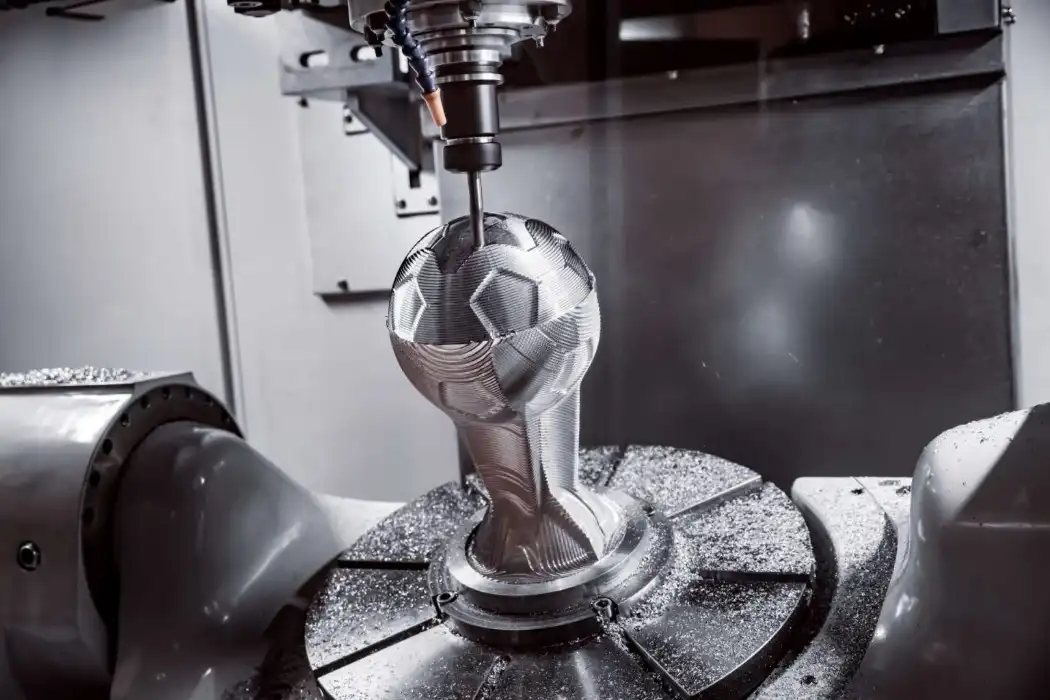
Considering Long-Term Partnership Potential
When Australian OEMs choose a CNC turning supplier, they should think about both their current needs and the possibility of building long-term relationships with that supplier. This means looking at how stable the supplier's finances are, how much they spend in new technologies, and how much they can produce. An OEM should be able to grow with their partner, who should be able to offer ongoing help and guidance. OEMs should also think about how the supplier treats new ideas and how willing they are to change with the needs of the business.
Conclusion
Australian OEMs can get quality CNC turning parts from a lot of different places, both in Australia and around the world. The key to success is carefully evaluating potential suppliers based on their technical skills, dependability, and ability to work with you in the long run. Australian manufacturers can keep their edge in the global market, improve the quality of their products, and make production more efficient by picking the right CNC turning partner. As manufacturing changes, Australian OEMs that want to stay ahead in their fields will need to work with CNC turning suppliers that are both creative and adaptable.
FAQs
What materials can be used in CNC turning?
CNC turning can be used on a lot of different materials, from metals like stainless steel, aluminum, and brass to plastics like ABS, nylon, and acrylic. What kind of material is used varies on what the part being made needs.
How is CNC turning different from other ways of making things?
When you need to make precise circular parts, CNC turning is the best way to go. When compared to turning by hand, it is more accurate and consistent. When making complicated parts, CNC turning can be used with other methods, such as CNC milling, to make a complete manufacturing answer.
Expert CNC Turning Services | BOEN
We at BOEN are experts at providing high-quality CNC turning services to Australian OEMs in a wide range of businesses. Our team's expertise and our state-of-the-art CNC machines guarantee that the parts we make are precise and meet all of your requirements. We offer fast turnaround times, low prices, and a wide range of materials because we are a top supplier, maker, and factory for CNC-turned parts. Discover the BOEN difference in high-quality CNC turning. Send us an email at contact@boenrapid.com to talk about the needs of your project.
References
Australian Manufacturing Technology Institute Limited. "The State of CNC Machining in Australia: 2023 Report."
Smith, J. (2022). "Global Trends in Precision Manufacturing for OEMs." Journal of Advanced Manufacturing Technologies, 15(3), 234-251.
Australian Industry Standards. "Manufacturing and Engineering Skills Outlook 2021-2026."
Johnson, R. & Williams, T. (2023). "Comparing Domestic and International Sourcing Strategies for Australian Manufacturers." International Journal of Supply Chain Management, 8(2), 112-128.
Australian Government Department of Industry, Science, Energy and Resources. "Australian Manufacturing: Opportunities and Challenges in a Global Economy."
Lee, K. (2022). "Advancements in CNC Turning Technologies: Implications for Precision Manufacturing." Robotics and Computer-Integrated Manufacturing, 42, 178-190.