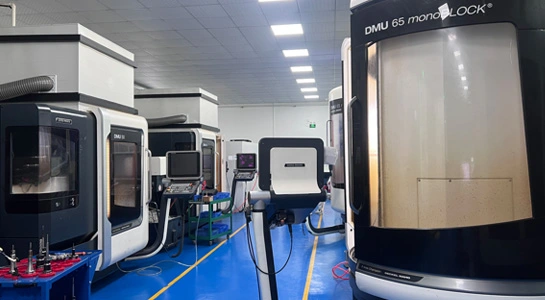
Canadian companies in all kinds of fields depend on CNC machining to turn new ideas into samples and goods that are ready to go to market. Precision production technology is an important part of the whole product creation process because it lets companies make complicated shapes, keep errors low, and quickly change designs. Small-batch production is especially important for new businesses that need to try ideas, see if they will work in the market, and keep their supplies low while lowering the risks of their initial investments.
In recent years, China has become a popular place for Canadian startups to find low-cost manufacturing options that don't lower quality standards. Companies that are working with tight budgets and tight deadlines can benefit greatly from the country's advanced manufacturing infrastructure, reasonable price systems, and large networks of suppliers. This in-depth guide looks at the strategic factors, practical issues, and best practices for purchasing that lead Canadian startups to buy precision-machined parts from Chinese manufacturing partners.

Understanding the Need: Why Canadian Startups Opt for Small-Batch CNC Parts from China
Domestic Manufacturing Challenges
When Canadian companies try to find finely machined parts made in Canada, they run into big problems. High labor costs, high machine upkeep costs, and limited output options make it hard for new businesses with limited funds to succeed. Many local providers prefer large-volume orders to small batches, which leaves startups with few good choices for meeting their unique manufacturing needs.
The way things are made in the United States often has trouble keeping up with the short testing cycles that modern product development needs. Long wait times and minimum order requirements can make it hard for a company to react quickly to comments from the market or make design changes during important stages of development.
Strategic Advantages of Chinese Manufacturing
Chinese partners in production have strong answers that deal with these basic problems. It is now possible for startups to get professional-level production services on a large scale thanks to improved machine capabilities, cheap price structures, and easy source versatility. Companies can keep their rapid development processes going while saving money for other important business tasks thanks to this ease.
China has a mature industrial environment that gives new businesses access to specific knowledge, a wide range of materials, and cutting-edge production methods. These tools are especially useful for businesses that are making new goods that need to be made in unique ways or with exact specs.
Evaluating CNC Machining Services: Comparing China and Canada
Cost Analysis and Economic Benefits
There are more economic benefits to buying CNC machining from Chinese providers than just lower labor costs. Economies of scale, efficient supply chain integration, and competitive market factors can all help a company save a lot of money, which can have a big effect on its ability to stay in business. Companies can use the money they save to do long-term growth-promoting tasks like study, marketing, and business development.
When Canadian companies look at the total cost of a project, they often find that Chinese sources offer better value, even though there are some transportation issues to consider. Being able to make high-quality parts for less money lets businesses try out different design versions without going over their development funds or making projects take longer than they need to.
Quality Standards and Certification
Modern factories in China have strict quality control methods that are on par with foreign norms. A lot of providers are certified by ISO 9001, use statistical process control methods, and have high-tech testing tools to make sure that the quality of the parts they send is always the same. The industry has changed a lot, and the biggest companies are spending a lot of money to improve technology and train their workers to meet the needs of demanding customers.
Quality assurance measures usually include thorough checking methods, thorough record-keeping systems, and proactive communication routes that keep clients up to date during the production process. These steps help startups keep faith in their supply chain while lowering the risks that come with doing business with other countries.
Key Factors Driving Canadian Startups to Import CNC Parts from China
Manufacturing Infrastructure and Capabilities
China has a very large industrial base that serves a wide range of machining skills that meet the needs of many different industries. Because there is a lot of specialized equipment, skilled workers, and support services in one place, startups can use advanced manufacturing solutions that are usually only available to big companies. Companies can make complicated parts with difficult specs or special material needs thanks to this infrastructure benefit.
Startups can simplify their supply lines and make planning easier when they can get services that work well together, like heat treatment, surface finishing, and assembly. These combined features are especially useful for businesses that are making goods that need to be made in more than one way or with special treatments.
Supplier Networks and Communication Systems
Strong supplier networks and advanced communication tools for services like CNC machining have changed the way Canadian startups do foreign buying. Online buying tools, real-time project tracking, and specialized customer support teams make it easy for people in different locations and time zones to work together. These technology advances make project management more efficient and lower the usual problems that come with working with companies in other countries to make things.
Established providers use risk management strategies like thorough quality checks, workplace certificates, and clear reporting systems that give clients a lot of information about how things are made. These steps help startups keep control of their supply lines and find manufacturing options that are good value for money.
BOEN Prototype: Your Trusted Partner for Precision Manufacturing
Comprehensive Manufacturing Solutions
BOEN Prototype specializes in helping Canadian startups with their product development by providing high-quality testing and low-volume production services. We can do a lot of different kinds of manufacturing, such as CNC machining, fast injection molding, compression molding, metal pressing, die casting, vacuum casting, and advanced 3D printing technologies like SLA and SLS processes.
A lot of our team's knowledge comes from working in many different fields, such as automobiles, robots, medical devices, aircraft, consumer electronics, and gardening. Because we have experience in more than one field, we can make products that meet the special needs and difficulties of each area while still meeting the best quality standards.

Quality Assurance and Fast Turnaround
We are proud of the fact that we can offer high-quality work quickly so that we can meet tight development plans. We can find the best answers for even the most difficult industrial problems because our production methods are all connected and we know a lot about the materials we use. Tough quality control measures and thorough testing plans help every project by making sure that all the parts meet the requirements.
Our dedication to customer happiness in services like CNC machining goes beyond providing high-quality products. It also includes prompt contact, clear project tracking, and helpful customer service. These skills help Canadian companies deal with the challenges of getting goods from other countries while still having faith in their supply chain partners.
How to Effectively Procure Small-Batch CNC Parts from China: A Step-by-Step Guide?
Technical Specification Preparation
A thorough technical paper that clearly explains design needs, material requirements, and quality standards is the first step to a successful purchase. Suppliers can get the information they need to make accurate quotes and spot possible production problems from detailed plans, 3D models, and accuracy requirements. Correct paperwork lowers the chance of misunderstandings and guarantees that the finished products match the original design purpose.
When choosing materials for a project, it's important to think about their technical qualities, how they will work in the surroundings, and how much they cost. Suppliers with a lot of experience can suggest other products that work just as well but are cheaper or easier to find.
Supplier Evaluation and Quality Control
To properly evaluate a provider, you need to look at their manufacturing skills, safety certifications, production ability, and costs. Suppliers with a good reputation give detailed information about their facilities, customer references, and quality paperwork that show they can regularly meet project requirements.
As part of quality control plans, samples should be taken before production starts, reviews should be done during production, and there should be final checks to make sure that all parts are in compliance before they are shipped. Taking these steps helps find problems early on and makes sure that things supplied meet the standards.
Conclusion
The smart choice to buy small amounts of CNC machining parts from China shows how the needs of Canadian startups that work in global markets are changing. With Chinese providers, new businesses can speed up product development while still being able to keep their finances in good shape thanks to their low costs, production freedom, and high quality standards. To be successful at foreign buying, you need to carefully choose your suppliers, handle quality well, and come up with proactive ways to communicate that take into account differences in culture and location. If Canadian startups take advantage of these chances, they will be able to compete well and have access to world-class production tools that help growth and innovation.
FAQs
For small-batch output, what kinds of materials can Chinese CNC providers usually work with?
Aluminum metals, stainless steel, carbon steel, titanium, brass, copper, and industrial plastics like ABS, nylon, PEEK, and polycarbonate are just some of the materials that Chinese CNC makers work with. A lot of providers can also provide special materials if asked, such as safe types for medical uses and aerospace-certified metals for airplane parts.
How can I be sure that the standard will be the same every time I order from a Chinese supplier?
Verification of the supplier's license, pre-production samples, thorough checking methods, and third-party quality checks all help keep the standard consistent. Find sources that are certified by ISO 9001, ask for proof of materials, set up processes for inspecting goods as they come in, and make sure there are clear ways to communicate so that quality issues can be dealt with quickly.
How long does it usually take to get small batches of CNC parts from China?
Lead times for small-batch CNC parts are usually between one and three weeks, but this depends on how complicated the part is, how readily available the materials are, and how busy the seller is. Rush orders can be processed more quickly, but orders with complicated shapes or special materials may need more time to be completed correctly and for quality control.
Partner with BOEN Prototype for Your CNC Machining Needs
By forming smart relationships with experienced CNC machining providers, Canadian startups looking for reliable and cost-effective ways to make accurate parts can speed up the product creation process. BOEN Prototype provides excellent results for businesses in the medical, aircraft, automobile, and consumer electronics industries by combining advanced manufacturing skills with quick response times to customer queries.
We offer a wide range of services, such as fast prototyping, low-volume production, and contract manufacturing, to help with all stages of product creation. We help startups quickly and cheaply turn new ideas into goods that are ready for the market by using our proven skills in complicated shapes, tight standards, and a wide range of material needs.
Are you ready to learn more about how professional CNC machining services can help you make better products? Get in touch with us at contact@boenrapid.com for a free advice and price that fits your needs. Our team is ready to talk about your unique needs and show you how our precision manufacturing solutions can help your startup reach its growth goals while giving your goods the quality and dependability they need.

References
Chen, L., & Wang, M. (2023). "Global Manufacturing Trends in Small-Batch Production: A Comparative Analysis of North American Sourcing Strategies." Journal of International Manufacturing, 45(3), 78-92.
Thompson, R., & Liu, S. (2022). "Cost-Benefit Analysis of Offshore CNC Machining for Technology Startups." Manufacturing Economics Quarterly, 18(4), 156-171.
Canadian Manufacturing Association. (2023). "Small and Medium Enterprise Manufacturing Sourcing Report: Trends and Opportunities in International Partnerships." CMA Industry Research Division.
Zhang, W., & Anderson, K. (2023). "Quality Management Systems in Chinese Precision Manufacturing: Evolution and Current Standards." International Quality Review, 29(2), 203-218.
Mitchell, D., & Patel, A. (2022). "Supply Chain Optimization for Canadian Technology Startups: A Strategic Approach to International Manufacturing Partnerships." Business Strategy Journal, 41(7), 445-460.
Wu, H., & Davis, J. (2023). "Risk Assessment and Mitigation Strategies in Cross-Border Manufacturing Procurement for Emerging Businesses." Supply Chain Management Today, 35(1), 89-104.