Most of the sheet metal welding kits that UK hardware brands buy come from specialized makers who use cutting edge welding technologies and strict quality control systems. To meet British and European safety standards, these assemblies must be put together with precise metal joining methods. They include structural frames, casings, and parts that were made just for the assembly. The sheet metal welding business works with many different fields, such as making cars, electronics, and industrial equipment. In these fields, dependability and accuracy in measurements are very important for integrating products well.
Understanding Sheet Metal Welding Assemblies in the UK Hardware Industry
Sheet metal welding kits are used in a huge range of hardware uses all over the UK. Some of these parts are simple fixing brackets, while others are complicated, multi-part casings that keep sensitive electronic equipment safe. Using different types of welding to join thin metal pieces together, the method makes useful products that meet specific engineering needs.
Common Types of Assemblies Ordered by UK Hardware Brands
The different types of sheet metal welding systems show how different UK producers' needs are. Structures for electronics are made up of chassis assemblies, and walls for industrial tools are made up of panel assemblies. Bracket systems can be used to place anything, from light fixtures to parts of heavy machinery. Custom shelters keep sensitive parts safe from external threats while still letting them be easily accessed for upkeep and operation.
Prevalent Welding Techniques and Their Applications
Because it is fast and consistent, MIG welding is the most popular method for high-volume production. This makes it perfect for making parts for cars and housings for electronics. When it comes to military uses where weld quality can't be ignored, TIG welding is the best way to go. Spot welding is great for making strong joints between pieces of overlapping sheet metal, especially when making car body panels and appliances. Depending on the thickness of the material, the amount being made, and the quality standards, each method has its own benefits.
British and European Standards Follow-up
Welded parts must meet strict quality and safety standards by following BS EN ISO guidelines. These guidelines set the rules for everything, from the depth of the weld to the surface finish. UK hardware brands depend on these approvals to make sure their products are reliable and stay competitive in global markets. Compliance is checked all the time with the help of tools that track materials and do regular quality checks.

Where Do UK Hardware Brands Source High-Quality Sheet Metal Welding Assemblies?
When looking for sheet metal welding kits in the UK, you can get them from both local and foreign sources. Each has its own benefits that can be useful in different situations. When procurement managers know about these choices, they can make smart choices that balance cost, quality, and service needs.
Domestic vs International Sourcing Comparison
Suppliers based in the UK for sheet metal welding have a lot of great benefits, such as faster lead times, better contact, and easy quality control. Local suppliers naturally know British standards and can make prototypes quickly for projects that need to be finished quickly. International providers, especially those with long-standing operations in Europe, can often offer lower prices for large orders while still meeting quality standards through approved production methods.
The following factors influence sourcing decisions for procurement managers:
- Systems for making sure of quality: Comprehensive testing procedures make sure that the dimensions are correct and the weld is strong enough to meet standards. Before an assembly is shipped, it is checked for quality with high-tech checking tools like coordinate measuring machines and non-destructive testing capabilities.
- Certifications for suppliers: ISO 9001 quality control systems and certifications relevant to the business show that a seller is qualified and dedicated to always getting better. These licenses give customers faith in the ways suppliers do business and the quality of the results.
- Dependability of delivery: Delivering on time all the time helps lean manufacturing efforts and lowers the cost of keeping supplies on hand. Reliable sellers keep extra stock on hand and can change their production schedules to meet pressing needs.
- Customization options: Advanced technical help and fast modeling options let you create your own answer. When suppliers have their own design teams, they can make sure that parts work best for specific uses while cutting down on development time.
With these skills, hardware brands can stay ahead of the competition thanks to reliable supply lines and creative product development partnerships.
Key Procurement Metrics and Supplier Selection Criteria
Good buying managers use a wide range of criteria to evaluate sellers, not just the price they quote at first. Quality prices, service performance, and long-term relationship value are all part of the total cost of ownership assessment. Suppliers whose finances are stable can keep supplying even when the market changes, and tests of their technical skills make sure they can meet changing product needs.
Selecting the Best Welding Processes and Equipment for Sheet Metal Assemblies
Choosing the right welding process has a big effect on how well a piece works, how quickly it can be made, and how much it costs altogether. Modern manufacturing shops use high-tech welding gear and robotic systems to keep things consistent while increasing the amount of work they do.
Comparative Analysis of MIG and TIG Welding Methods
Welding with MIG is very productive for medium to thick materials in sheet metal welding because it has fast travel speeds and deep penetration. The process works especially well for building parts where strength is more important than how they look. TIG welding gives you more control over thin materials and important jobs where the look and accuracy of the weld are very important. The process makes very little splatter and lets you precisely control the amount of heat that goes in.
Alternative Processes and Cost Considerations
When making a lot of overlapped parts, spot welding is a much more cost-effective option. The process can be done by anyone with little to no training, and automatic equipment makes sure that the products are always the same. Brazing is a great way to join different kinds of materials together because it keeps the heat input low, which keeps warping to a minimum. For jobs that need very precise results and very few areas touched by heat, laser welding is the best choice.
Automation and Precision Tools in Modern Fabrication
Robotic welding systems make sure that the same level of quality and accuracy is maintained throughout long production runs. These systems work with computer-aided production tools to automatically find the best settings for welding. During the welding process, advanced fixturing systems keep the part in the exact same place, and real-time tracking systems find and fix any changes in the process right away.
Ensuring Safety and Best Practices in Sheet Metal Welding Operations
During sheet metal welding, safety concerns include protecting workers, keeping the surroundings safe, and making sure the work is of high quality. A lot of safety rules keep workers safe and make sure that the standard of the assemblies is always high enough to meet the needs of even the most demanding applications.
Mandatory Safety Protocols and Equipment
Personal safety equipment (PPE) includes flame-resistant clothes, the right welding caps with auto-darkening features, and breathing protection systems. Ventilation systems that work right get rid of toxic fumes and keep the air quality within safe limits. Operator licensing programs make sure that workers know how to follow safety rules and meet the standards for welding techniques.
Quality Control Measures and Defect Prevention
Protocols for visual inspection in sheet metal welding find surface flaws like holes, undercuts, and too much support. Non-destructive testing methods, like dye penetrant inspection, find flaws that aren't obvious but could weaken an assembly. Statistical process control systems constantly check the factors of welding and let workers know about changes in the process before they cause problems.
Post-Weld Treatments and Finishing Operations
Treatments that relieve stress reduce the amount of leftover stresses that could cause confusion during service. Grinding and sanding are examples of surface finishing processes that improve the look and get rid of possible stress concentration points. Protective coats, like powder coating or metal, keep things from rusting and make them last longer.
BOEN Prototype: Your Trusted Partner for Sheet Metal Welding Solutions
BOEN Prototype specializes in making high-quality sheet metal welding systems that meet the strict needs of hardware names in the UK. Our wide range of manufacturing services includes fast development, low-volume production, and custom construction for use in automobile, consumer electronics, medical devices, and aircraft industries, among others.
Our Advanced Manufacturing Capabilities
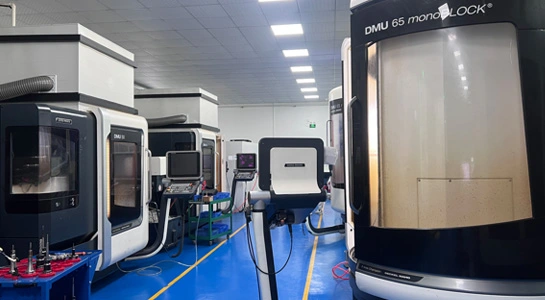
Our building uses both traditional welding skills and current technology to make sure that the standard of all projects is the same. Our CNC machining services make sure that parts are precisely prepared before they are welded, and our quick injection molding and metal pressing services help with full assembly solutions. Our experienced engineers work with clients from the first idea to making sure the production runs smoothly all the way through the development process.
Quality Assurance and Compliance
We have complete quality control systems that meet both worldwide standards and the needs of our business. To make sure that every piece meets the requirements, we can check the sizes, evaluate the quality of the welds, and certify the materials. Quick response times meet the needs of pressing projects without lowering the quality standards.
Industry Expertise and Custom Solutions
Because we have experience in many different industries, we can understand the specific needs of each application and suggest the best options. Our team uses the right materials and methods to get projects done quickly and well, whether they're making safe parts for medical devices or light structures for space purposes.

Conclusion
For sheet metal welding kits, UK hardware brands can get them from a variety of sources, from local experts to well-known foreign makers. To be successful in buying, you need to carefully evaluate suppliers, come up with clear specifications, and handle your partnerships on an ongoing basis. Advanced welding technologies, thorough quality control systems, and helpful customer service all work together to build trusting relationships in the supply chain. As manufacturing needs change, suppliers who show they are flexible, have technical knowledge, and are dedicated to always getting better will become the suppliers of choice for UK hardware brands that want to gain a competitive edge through better component quality and supply chain reliability.
FAQs
When buying managers choose sheet metal welding companies, what should they put first?
Purchasing managers should look at a supplier's quality certifications, production skills, track record of on-time deliveries, and expert support services. For long-term relationships, both financial security and the chance to grow are important. The supplier's ability to help with engineering and prototype development is often what sets great partners apart from basic manufacturing services.
What effects do different welding methods have on the cost and longevity of an assembly?
Most of the time, MIG welding is the best combination of price and ability for most uses. On the other hand, TIG welding is better for important uses but costs more. Spot welding is a very cost-effective way to make a lot of overlapping parts. Cost alone is not enough to make a decision. The choice also relies on the needs of the application, the amount of output, and the quality standards.
Can suppliers meet tight production plans in the UK when it comes to special welding assemblies?
Tight deadlines can be met by experienced suppliers who have enough capacity and flexible production systems. This is possible through priority ordering and faster processing. To be successful, you need to be able to clearly explain what you need, evaluate the capabilities of your suppliers, and set reasonable deadlines. Working together on prototype development and production plans can often lead to faster delivery than traditional ways of buying things.
Partner with BOEN Prototype for Superior Sheet Metal Welding Solutions
Hardware companies that need trusted sheet metal welding suppliers will find BOEN Prototype's wide range of manufacturing skills and industry knowledge to be very valuable. Because we care about quality, offer low prices, and provide quick service, we are the perfect partner for businesses that need precise parts that meet high performance standards. Our experienced team can meet your needs, whether you need fast design to help you build a product or scalable production to get it on the market.
Traditional artistry and modern technology are used together in our advanced facility to make consistently high-quality parts for a wide range of uses. We know the specific problems that UK hardware brands face and can offer custom solutions that improve both efficiency and cost-effectiveness. Email us at contact@boenrapid.com to talk about your unique needs and find out how our skills as a sheet metal welding company can help you with your next project.
References
British Standards Institution. "Welding - Quality Requirements for Fusion Welding of Metallic Materials - Part 2: Comprehensive Quality Requirements." BS EN ISO 3834-2:2021.
Manufacturing Technology Centre. "Advanced Welding Technologies for UK Manufacturing Industries." Annual Manufacturing Report, 2023.
UK Sheet Metal Fabricators Association. "Industry Standards and Best Practices for Sheet Metal Welding Assemblies." Technical Guidelines, 2023.
European Welding Federation. "Quality Assurance in Sheet Metal Welding: A Comprehensive Guide for Manufacturers." Industrial Publication, 2022.
Institution of Mechanical Engineers. "Modern Welding Techniques and Applications in UK Hardware Manufacturing." Engineering Journal, Volume 45, 2023.
Health and Safety Executive. "Safety in Welding Operations: Guidelines for UK Manufacturing Facilities." HSE Publication L113, 2023.