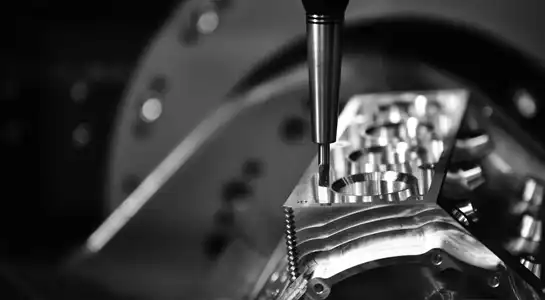
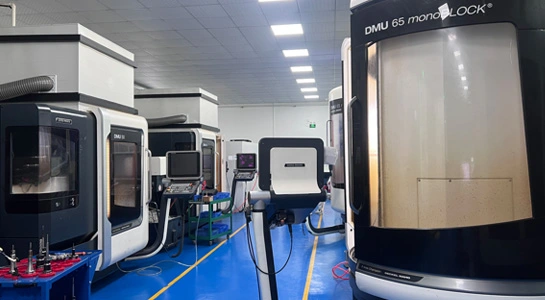
French MedTech labs are progressively turning to China for bringing in silicone casting parts, a trend driven by a few compelling factors. The essential reasons incorporate cost-effectiveness, progressed manufacturing capabilities, and the ability to create high-quality parts at scale. Chinese producers have contributed intensely to state-of-the-art silicone casting advances, permitting them to offer competitive costs without compromising on quality. Furthermore, the adaptability and fast turnaround times given by Chinese providers align well with the fast-paced nature of restorative innovation advancement. This key sourcing choice empowers French MedTech labs to optimize their assets, accelerate product development cycles, and maintain a competitive edge in the worldwide healthcare market.

The Growing Demand for Silicone Casting in French MedTech
Expanding Applications in Medical Devices
The French therapeutic innovation segment has seen a noteworthy surge in the utilize of silicone casting for different applications. This flexible fabrication permits the creation of complex, exact, and biocompatible components based on cutting-edge therapeutic gadgets. From complex surgical disobedient to patient-specific inserts, silicone casting offers unparalleled adaptability in planning and production.
Moreover, the biocompatibility of medical-grade silicone makes it a perfect fabric for components that come into coordinate contact with patients. This has led to its broad selection in gadgets such as prosthetics, hearing helps, and cardiovascular implants. The capacity to make custom shapes and surfaces through silicone casting has opened modern conceivable outcomes for inventive therapeutic arrangements, driving the demand for these specialized parts.
Cost Considerations in MedTech Manufacturing
In the competitive scene of restorative innovation, cost-effectiveness plays a pivotal part in deciding the practicality of unused items. French MedTech labs are under consistent pressure to improve while keeping generation costs in check. This financial reality has provoked numerous labs to investigate worldwide sourcing alternatives, with China developing as a driving choice for silicone casting parts.
The taken a toll preferences taken by Chinese producers are multifaceted. Lower labor costs, coupled with economies of scale and effective generation forms, permit Chinese providers to offer competitive estimating without compromising on quality. This cost-effectiveness empowers French MedTech labs to allocate more assets towards investigate and development, eventually benefiting patients through more reasonable and progressed therapeutic technologies.
Regulatory Compliance and Quality Standards
One might accept that bringing in restorative components from China might raise concerns around quality and administrative compliance. Be that as it may, legitimate Chinese producers have made noteworthy strides in assembly and frequently surpass global quality benchmarks. Numerous have gotten ISO 13485 certification, particularly for therapeutic device quality administration frameworks, guaranteeing that their products meet the rigorous requirements of the European medical device market.
French MedTech labs carefully vet their Chinese accomplices, frequently conducting on-site reviews and requiring broad documentation to guarantee compliance with EU controls. This thorough choice handle has driven the foundation of trusted organizations, where Chinese producers reliably provide silicone casting parts that meet or surpass the demanding standards of the French restorative industry.
Advantages of Chinese Silicone Casting Manufacturers
Advanced Manufacturing Capabilities
Chinese silicone casting producers have contributed intensely to cutting-edge innovations and hardware, situating themselves at the cutting edge of the industry. This innovative headway permits the generation of profoundly complex and exact silicone parts, assembly the demanding necessities of French MedTech labs. State-of-the-art offices prepared with progressive molding methods, such as fluid silicone elastic (LSR) infusion molding, empower the creation of complex geometries and fine points of interest that are significant in restorative applications.
Furthermore, numerous Chinese producers have grasped robotization and mechanical technology in their production lines, guaranteeing consistency and reducing the probability of human error. This level of advancement in fabricating forms contributes to the by and large quality and unwavering quality of the silicone casting parts, making Chinese providers an appealing choice for French MedTech labs looking for high-performance components.
Scalability and Production Capacity
One of the key preferences advertised by Chinese silicone casting producers is their capacity to scale production quickly to meet changing demand. This adaptability is especially important in the therapeutic innovation segment, where product lifecycles can be unusual and market demands can change altogether. Chinese providers frequently have the capacity to handle both small model runs and large-scale generation orders, giving French MedTech labs a flexible fabricating partner.
The endless generation capacity of Chinese producers also translates to shorter lead times, permitting French labs to bring their items to market quickly. This dexterity in generation is pivotal in the fast-paced world of therapeutic innovation, where being able to begin with to showcase can give a noteworthy competitive advantage.

Material Expertise and Innovation
Chinese silicone casting producers have created broad skills in working with a wide range of medical-grade silicones and other progressed materials. This information permits them to suggest ideal fabric choices for particular applications, guaranteeing that the final item meets both useful and administrative necessities. Numerous Chinese providers moreover contribute to investigate and development, collaborating with fabric researchers to create modern silicone details custom fitted to the advancing needs of the therapeutic industry.
This commitment to development contributes to the advancement of novel fabrication strategies that can upgrade the properties of silicone parts. For illustration, a few Chinese producers have spearheaded strategies for making silicone components with shifting durometers or joining antimicrobial properties, tending to particular challenges confronted by French MedTech labs in their product development efforts.
Challenges and Considerations in Importing from China
Quality Control and Assurance
While Chinese producers have made critical strides in quality administration, keeping up steady quality control remains a basic concern for French MedTech labs. To address this challenge, numerous labs execute thorough quality confirmation conventions, including customary provider reviews, batch testing, and comprehensive documentation requirements. A few French companies indeed station quality control faculty at their Chinese partners' offices to guarantee real-time oversight of generation processes.
Additionally, the utilize of progressed assessment innovations, such as 3D filtering and non-destructive testing, has ended up progressively common to confirm the dimensional precision and internal judgment of silicone casting parts. These measures offer assistance in moderating the risk of quality issues and guarantee that imported components meet the high standards required for restorative applications.
Intellectual Property Protection
Protecting mental property (IP) is a noteworthy concern when collaborating with abroad producers. French MedTech labs must carefully explore this scene to defend their developments. Numerous companies address this challenge by executing vigorous legally binding understandings, including non-disclosure and non-compete clauses, with their Chinese accomplices. A few labs select to compartmentalize their generation forms, fabricating basic or restrictive components in-house, whereas outsourcing less delicate parts to Chinese suppliers.
Furthermore, French companies are progressively leveraging China's progressing IP assurance laws and working closely with legal specialists familiar with both Chinese and European controls. This proactive approach makes a difference, guaranteeing that their intellectual property remains secure throughout the fabrication and prototyping process.
Supply Chain Management and Logistics
Managing a worldwide supply chain presents special challenges, especially in the setting of restorative gadget manufacturing. French MedTech labs must fight with longer lead times, potential shipping delays, and the complexities of worldwide traditions and directions. To moderate these challenges, numerous companies contribute to advanced supply chain administration frameworks and keep up near communication with their Chinese partners.
Some French MedTech labs have also adopted strategies such as maintaining buffer stocks of essential components and developing alternative sourcing options to ensure uninterrupted supply. Many companies are now placing greater emphasis on supply chain flexibility and risk diversification, reassessing their sourcing models while continuing to strengthen long-term partnerships with reliable Chinese manufacturers.
Conclusion
The choice by French MedTech labs to source silicone casting parts from China is driven by a combination of factors, including cost-effectiveness, progressed manufacturing capabilities, and the ability to meet rigid quality benchmarks. Whereas challenges exist, especially in areas of quality control, intellectual property assurance, and supply chain management, numerous French companies have found ways to effectively explore these issues. As the worldwide restorative innovation scene proceeds to advance, the association between French advancement and Chinese fabricating mastery is likely to play an increasingly critical part in bringing cutting-edge restorative gadgets to market effectively and affordably.

FAQs
Are Chinese-made silicone casting parts safe for medical use?
Yes, when sourced from reputable manufacturers, Chinese-made silicone parts meet international safety standards and are suitable for medical applications.
How do French MedTech labs ensure quality control?
They implement rigorous quality assurance protocols, including supplier audits, batch testing, and on-site inspections.
What are the main advantages of importing from China?
Cost-effectiveness, advanced manufacturing capabilities, and scalability are the primary benefits.
How is intellectual property protected when working with Chinese manufacturers?
Through robust contractual agreements, compartmentalized production, and leveraging improved Chinese IP protection laws.
Expert Silicone Casting Solutions for MedTech | BOEN
At BOEN Prototype, we specialize in high-quality silicone casting for the medical technology sector. As a leading supplier and manufacturer, we offer advanced prototyping and low-volume production services tailored to the unique needs of MedTech labs. Our state-of-the-art facilities and experienced team ensure precision, quality, and compliance with international standards. Whether you need complex medical device components or custom silicone parts, BOEN is your trusted partner for innovative solutions. Contact us at contact@boenrapid.com to discuss your project requirements.
References
Deloitte. (2021). "Global MedTech Market Trends: Navigating the New Normal"
European Commission. (2022). "Medical Devices - Sector"
Journal of Medical Devices. (2020). "Advancements in Silicone Casting for Medical Applications"
McKinsey & Company. (2021). "The Future of MedTech: Strategic Imperatives"
Plastics Today. (2022). "Silicone Innovations Driving Medical Device Design"
World Health Organization. (2021). "Global Atlas of Medical Devices"