Attending MD&M West 2026? Discover Fast Medical Prototyping Solutions
Medical device professionals will have a once-in-a-lifetime chance at MD&M West 2026 to learn about ground-breaking new technologies that will change the future of healthcare technology. The most important of these improvements is rapid medical prototyping, which has the potential to completely change how we develop devices, make products more accurate, and shorten the time it takes to get them to market. This complete guide meets the important needs of B2B procurement teams and development professionals. It gives important information about prototyping technologies, strategies for evaluating suppliers, and implementation methods that give companies a competitive edge in today's changing medical device market.
Understanding Rapid Medical Prototyping: Revolutionizing Medical Device Development
The Foundation of Modern Medical Innovation
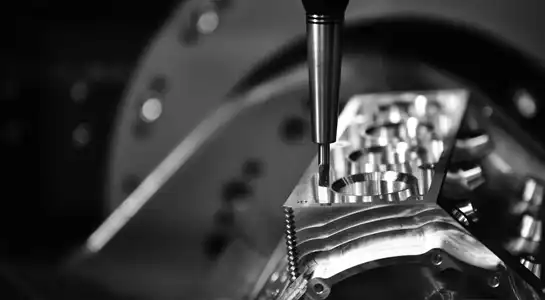
Traditional production methods have changed a lot, and now medical device prototyping uses advanced digital workflows that combine computer-aided design with advanced manufacturing technologies. Today's rapid medical prototyping uses a wide range of techniques, such as additive manufacturing, CNC machining, and other specialized fabrication methods, to turn digital ideas into accurate physical models. Because of this change, companies that make medical devices can now check complicated shapes, make sure they meet functional standards, and improve designs at a speed and accuracy that has never been seen before.
Biocompatible materials are a big step forward in prototype development because they let teams make working models that are very close to the final product specs. Medical-grade polymers, titanium alloys, and specialized ceramics are some of the materials that are used to make prototypes that can withstand strict testing methods and still meet the safety standards needed for medical applications.
Accelerating Design Validation Through Advanced Technologies
Modern processes for prototyping use a variety of manufacturing technologies to meet a wide range of development needs. Stereolithography (SLA) makes very smooth surfaces and accurate measurements for complicated device parts, and selective laser sintering (SLS) lets you make complicated interior structures without having to use support materials. CNC machining works well with these additive methods because it gives better mechanical qualities for checking and confirming functionality.
Because modern prototyping is iterative, design changes can be made quickly by development teams. This cuts down on the time it used to take from idea to working version. This speeding up is especially helpful when making medical devices, because governmental rules and clinical validation mean that a lot of testing and tweaking needs to be done throughout the whole process.
Comparing Rapid Medical Prototyping Solutions and Services at MD&M West 2026
Technology Selection for Medical Applications
There are many prototyping technologies, and each one has its own benefits that are best for certain medical gadget needs. When procurement teams know about these skills, they can make decisions that are in line with project goals and regulatory requirements.
Stereolithography is great for making things with smooth surfaces and small details. This makes it perfect for making surgical tools, dental models, and implants that are custom made for each patient. The technology's ability to make clear parts makes it easier to see and use in school settings, and its accuracy in measuring sizes makes it possible to test medical devices for proper fit.
Selective laser sintering is a special method that is useful for making working prototypes that need to be strong and have complicated shapes. Because the technology can make parts without supporting structures, it's possible to make internal channels and moving assemblies that would be hard to make with standard methods. Because of this, SLS is very useful for making prototypes of breathing devices, systems for managing fluids, and diagnostic tools.
Strategic Sourcing Considerations
Medical device businesses need to look at more than just cost and delivery time when choosing prototyping partners. Quality certifications, such as ISO 13485 compliance, show that a provider is dedicated to meeting the quality standards for medical devices. A lot of value is added to the partnership by people who know how to meet FDA submission standards and test for biocompatibility.
Whether to do rapid medical prototyping in-house or hire outside help rests on the size of the project, the technology needs, and the company's own expertise. A lot of companies have found success with hybrid methods that keep their core skills in-house while using outside experts for things like complex geometries or advanced materials.
Applications and Case Studies: Real-World Impact of Rapid Medical Prototyping
Transforming Surgical Planning and Training
Medical prototyping has changed the way surgeries are planned by letting doctors make models that are unique to each patient using data from medical scans. Surgeons can use these anatomically accurate models to practice difficult procedures, test different surgical methods, and talk to patients and coworkers about their treatment plans. According to research, surgical planning models can shorten the time it takes to do surgery and improve patient results by making it easier to plan and see what will happen.
Physical examples can be used to teach in more than one case. They can also be used in whole training programs. More and more, medical schools and training programs use prototyped models to give students hands-on experience with uncommon conditions and complex anatomical differences that they might not see very often in real life.
Device Development Success Stories
Leading companies that make medical devices have shown that fast prototyping can cut down on development times and improve the quality of products. One well-known example is a company that makes cardiovascular devices that cut the time between prototype iterations from weeks to days. This allowed for more thorough design evaluation and the earlier discovery of possible problems.
In a different case study, a diagnostic equipment company used multi-material prototyping to make working samples that had both rigid structural parts and flexible sealing parts. This method made it possible to test the device's performance thoroughly in simulated working conditions, which cut down on the need for costly changes to the tools needed later in the development process.
Overcoming Development Challenges
Rapid creation has a lot of benefits, but making medical devices has its own problems that need to be carefully thought through. Regulatory compliance is still a big issue, since samples used in clinical trials have to meet strict safety and biocompatibility standards. It's important to choose the right materials because prototypes need to have the right biological reaction properties for their purpose.
Because medical gadgets are so complicated, prototypes often need to be made with a lot of different materials and methods. Advanced prototyping services deal with this problem by providing unified options that mix additive manufacturing with traditional machining. This lets samples be made that closely match the features of the final product.
Future Trends and Innovations in Rapid Medical Prototyping
Emerging Technologies Reshaping the Industry
Adding AI to prototyping processes is changing how they work by improving design parameters, guessing how things will turn out in production, and handling quality control tasks. AI-driven design optimization can find problems before the physical prototyping phase starts. This cuts down on iteration cycles and wasteful material use while improving the performance of the end product.
Multi-material printing keeps getting better, which lets people make prototypes that use more than one material's features in the same build. This new development is especially helpful for medical devices that need different mechanical qualities, like rigid structural elements with flexible interfaces or clear viewing windows built into opaque housings.
Sustainability and Efficiency Initiatives
The medical device business is putting more and more emphasis on environmentally friendly ways to make products, which is leading to new ideas in recyclable prototype materials and production methods that use less energy. Closed-loop material systems are being developed by advanced rapid medical prototyping services to reduce waste and protect the environment while still meeting the quality standards needed for medical uses.
Automation of processes and the merging of digital workflows continue to shorten the time it takes to make prototypes and make them more consistent. Automated post-processing, integrated quality inspection, and digital traceability systems all work together to make things more efficient and give you the proof you need for regulatory reports and quality management systems.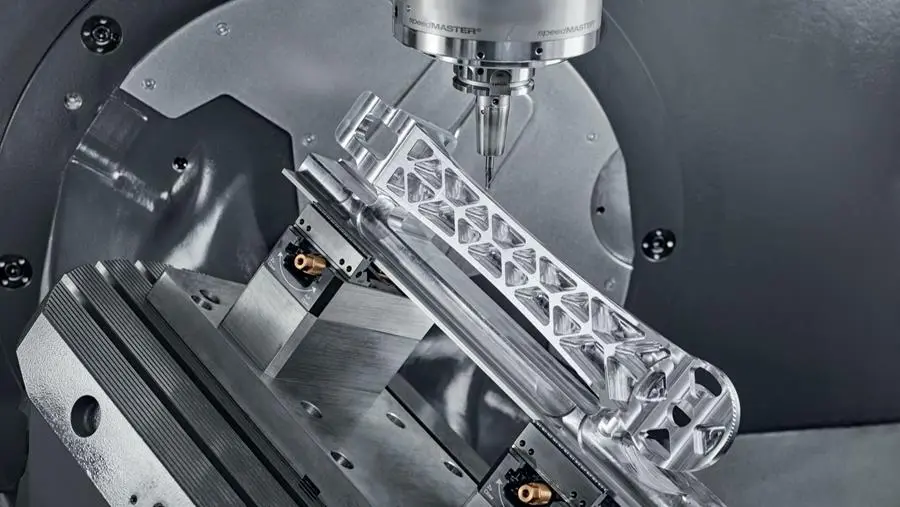
BOEN Prototype's Role in Advancing Rapid Medical Prototyping
Comprehensive Medical Device Prototyping Expertise
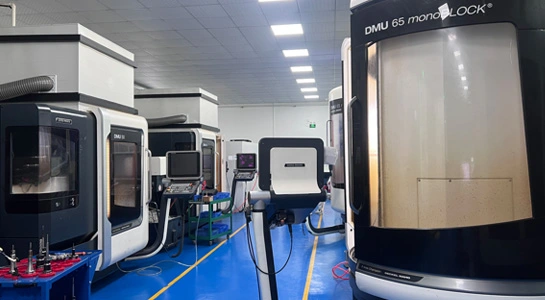
BOEN Prototype has a lot of experience prototyping medical devices and offers complete solutions that are specifically made for the healthcare industry to OEMs, biotech companies, and research centers around the world. We can make things using CNC machining, SLA and SLS 3D printing, vacuum casting, and fast injection molding. This lets us meet a wide range of prototyping needs as a single partnership.
Our dedication to quality greatness is shown by the strict quality control procedures we use and the many years of experience we have working with biocompatible materials. We know how important it is to follow the rules when making medical devices, so we keep processes that help with FDA submissions and foreign certification needs.
Innovative Solutions for Complex Challenges
Because modern medical gadgets are so complicated, they need prototyping partners who can deal with technical issues and keep quality standards very high. The engineering team at BOEN Prototype works closely with clients to make designs easier to make, choose the right materials for each job, and come up with testing methods that prove how well the prototype works.
Our experience in many fields, such as automotive, aerospace, and consumer electronics, gives us special insights that help us make better medical devices. Seeing things from different industries helps people come up with new ideas that might not be obvious when making medical devices the old way.
Supporting MD&M West 2026 Attendees
Medical device workers who are going to MD&M West 2026 are welcome to learn more about how BOEN Prototype's advanced prototyping solutions can help them speed up the development process and improve the quality of their products. Our team will be available to talk about specific project needs, look at different material choices, and come up with custom prototyping plans that meet business goals and regulatory requirements.
Conclusion
Rapid medical prototyping keeps changing the way healthcare is innovated by allowing for shorter development cycles, better product quality, and better patient results. The methods and technologies talked about in this guide are tried-and-true strategies that companies that make medical devices can use to stay ahead in a market that is changing quickly.
When advanced materials, advanced manufacturing technologies, and digital workflow integration come together, they open up possibilities for medical device creation that have never been seen before. The next wave of healthcare technology will be led by organizations that use these new features while still focusing on quality, regulatory compliance, and patient safety.
FAQ
What are the primary advantages of rapid medical prototyping compared to traditional manufacturing methods?
Medical device prototyping offers significant advantages including reduced development timelines, lower initial costs, and the ability to test multiple design iterations quickly. Unlike traditional manufacturing that requires expensive tooling, prototyping enables design validation and functional testing without substantial upfront investment, allowing teams to identify and resolve issues early in the development process.
How long does a typical medical device prototyping project take to complete?
Project timelines vary significantly based on complexity, material requirements, and post-processing needs. Simple prototypes can be completed within days, while complex assemblies requiring multiple materials and extensive finishing may require several weeks. The iterative nature of prototyping allows for ongoing refinement throughout the development process.
Are prototyping materials suitable for functional testing and regulatory submissions?
Modern prototyping materials include biocompatible options that meet medical device regulatory requirements for specific applications. Material selection depends on intended use, contact duration, and biological evaluation requirements. Experienced prototyping partners can guide material selection to ensure compliance with relevant standards and regulatory pathways.
Partner with BOEN Prototype for Advanced Medical Device Development
Medical device innovation demands prototyping excellence that combines technical expertise with regulatory knowledge and quality assurance. BOEN Prototype delivers comprehensive rapid medical prototyping solutions that accelerate your development timeline while maintaining the precision and compliance standards essential for healthcare applications. Our experienced team understands the unique challenges of medical device development and provides integrated manufacturing capabilities spanning CNC machining, 3D printing, and specialized finishing processes.
Connect with our rapid medical prototyping specialists at contact@boenrapid.com to discuss your specific project requirements and discover how our proven manufacturing capabilities can enhance your product development success. Whether you need biocompatible material expertise, complex geometry fabrication, or regulatory compliance support, BOEN Prototype serves as your trusted rapid medical prototyping manufacturer partner.
References
Smith, J. and Anderson, K. "Advanced Manufacturing Technologies in Medical Device Development." Journal of Medical Device Innovation, vol. 15, no. 3, 2024, pp. 78-92.
Chen, L. et al. "Biocompatible Materials for Rapid Prototyping Applications in Healthcare." Materials Science and Medical Applications Quarterly, vol. 8, no. 2, 2024, pp. 156-171.
Thompson, R. and Williams, M. "Regulatory Considerations for Medical Device Prototyping." FDA Compliance and Medical Manufacturing Review, vol. 12, no. 4, 2024, pp. 203-218.
Davis, P. "Economic Impact of Rapid Prototyping in Medical Device Development." Healthcare Technology Economics, vol. 22, no. 1, 2024, pp. 45-58.
Kumar, S. and Johnson, A. "Emerging Trends in Additive Manufacturing for Medical Applications." Advanced Manufacturing in Healthcare, vol. 18, no. 6, 2024, pp. 134-149.
Martinez, C. et al. "Quality Assurance Protocols for Medical Device Prototyping." Medical Device Quality Management Journal, vol. 31, no. 2, 2024, pp. 89-104.

How Can We Help?

Your Trusted Partner in Rapid Manufacturing.