Benefits of Outsourcing Parts Manufacturing
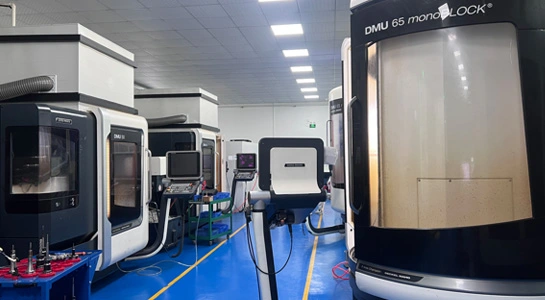
For businesses looking for cost-effective production options without sacrificing quality, outsourcing parts manufacturing has many advantages. Businesses can use specialized knowledge, high-tech tools, and streamlined processes with this strategic approach while focusing on their core strengths. Outsourcing modern parts manufacturing gives you access to cutting-edge technologies, the ability to make prototypes quickly, and the ability to change the amount of parts you make. Companies gain from lower overhead costs, shorter development cycles, and more freedom to choose materials and improve processes. Outsourced manufacturing lets people from different businesses work together to better manage resources and risks.
Understanding the Strategic Value of Outsourced Manufacturing
Keeping a competitive edge and keeping costs down are two of the hardest things for modern companies. Outsourcing production has grown from a simple way to cut costs into a sophisticated plan that has many benefits. More and more, companies in the robotics, medical devices, aircraft, automotive, and consumer electronics industries see the value that specialized manufacturing partners bring to the table.
Over the past ten years, the world of industry has changed a lot. Advanced manufacturing technologies, like CNC machining, 3D printing, and precise tooling, need a lot of money and people who know a lot about them. Instead of building these skills in-house, many businesses work with well-known manufacturers who already have the infrastructure and knowledge base they need.
Statistics show that when companies use contracted manufacturing services, their production costs are 25–30% lower than when they do it themselves. Specialized manufacturers get economies of scale, shared resources, and shared processes by serving many clients in many industries. This is how they get their cost edge.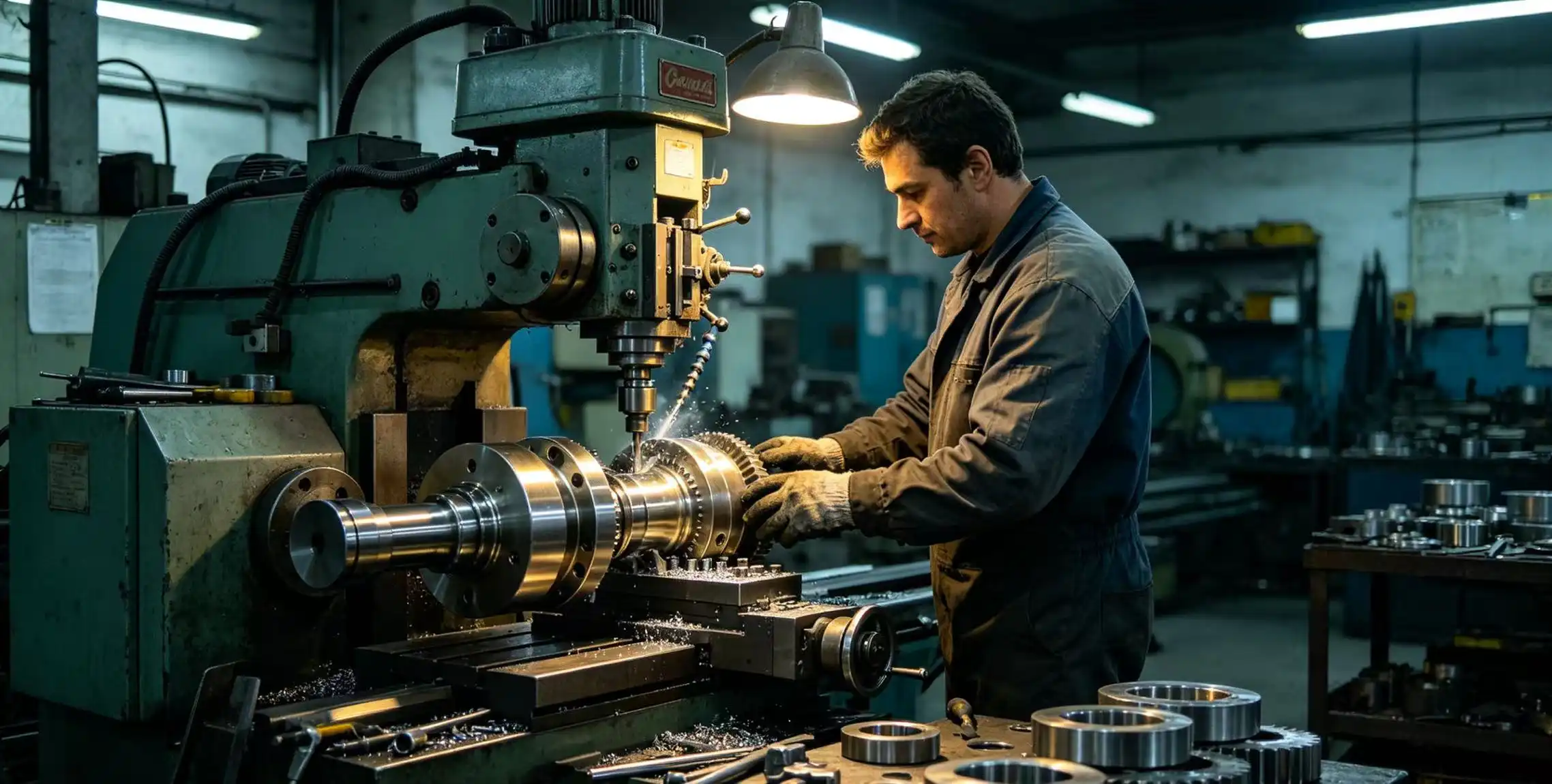
Key Parameters and Performance Indicators
A number of important factors affect the general success of a project and affect how well an outsourcing relationship works. Some of the best manufacturers in the world can turn around prototype parts in 5–10 days and small-batch production runs in 2–3 weeks. Lead time is one of the most important measures. For precise parts, quality standards usually keep tolerances within ±0.01mm, which is measured by the number of defects and the accuracy of the dimensions.
Flexibility in production capacity lets companies go from making just one sample to making more than 10,000 units without having to make many changes to how they do things. Aluminum alloys, stainless steel, titanium, engineering plastics, and specific composites are just some of the materials that are said to be compatible with each other. Surface finish options include basic machined surfaces as well as more complex processes like powder coating, anodizing, and precise polishing.
Automation in modern centers helps them do more work while having the same level of quality control. Machine maintenance plans make sure that the machine doesn't need many breaks and can keep working. Many companies follow the rules in parts manufacturing because medical devices and electronic parts must meet strict requirements in cleanrooms.
Core Benefits of Strategic Manufacturing Partnerships
The most obvious benefit of shifting production is that it saves money. By not having to spend money on things like specialized tools, expanding facilities, and training skilled workers, companies can put their money and time into research and development. Costs of doing business go down because overhead costs are shared and supply chain management is improved.
Being able to use modern manufacturing technologies gives you a competitive edge that would be too expensive to build up yourself. Advanced CNC machining centers, multi-axis mills, and measuring tools allow for complicated shapes and close tolerances that improve the performance of the product. Using 3D printing to make rapid prototypes shortens the time it takes to get a product to market and speeds up the development process.
Generalist methods don't work as well as specialized knowledge in material science, process optimization, and quality control. Every project is handled by engineers and technicians with decades of experience, who can spot possible problems before they affect production schedules or the quality of parts.
Diversified manufacturing capabilities lower risk and guard against problems in the supply chain and limited capacity. Established companies keep multiple production lines, spare equipment, and networks of qualified suppliers to make sure they can keep running even when problems arise out of the blue.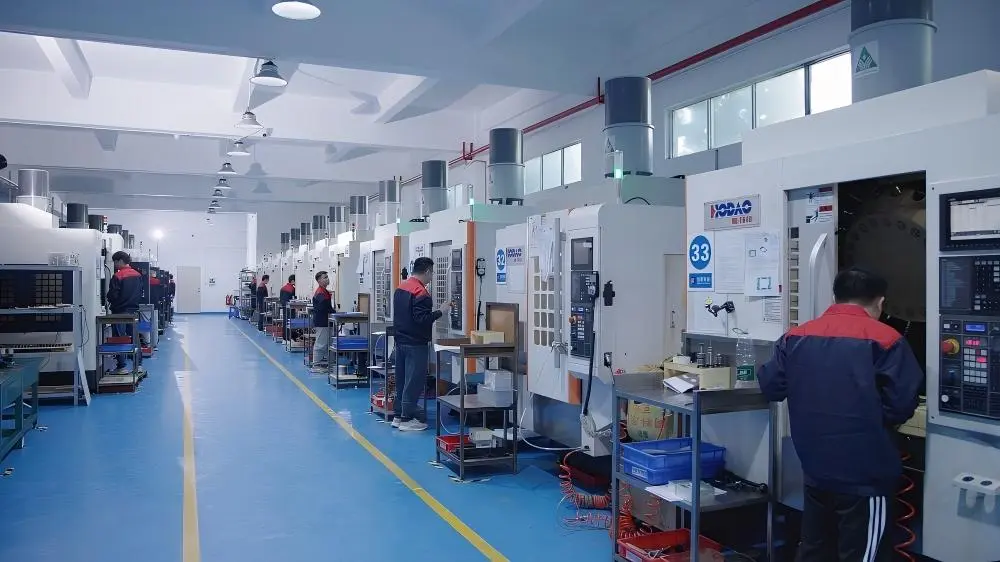
BOEN Prototype's Manufacturing Excellence Compared to Alternatives
BOEN Prototype stands out because it can work with a wide range of materials and manufacturing methods. We offer CNC machining, rapid injection molding, die casting, vacuum casting, and additive manufacturing all under one roof, unlike rivals who only offer one process. This integration takes away problems with cooperation and cuts lead times by a large amount.
We know how to work with both plastic and metal, and we can meet the needs of a wide range of industries, from biocompatible medical device parts to high-strength rocket parts. The variety of manufacturing methods lets the best technology be chosen based on the needs of the project, rather than forcing solutions to fit the capabilities that are available.
Through strict inspection processes and certified measuring tools, BOEN's quality assurance protocols go above and beyond what the industry requires. Each part goes through practical testing that is right for its intended use, as well as checks for accuracy in measurements and surface finish. Certificates of materials, inspection records, and process validation data are all part of documentation packages.
Support for customers goes beyond just delivering products; it also includes suggestions for improving designs, choosing materials, and cutting costs. When engineers work together, they can find ways to make things better during the development phase, which keeps changes that would be expensive after the tooling is finished.
Maximizing Benefits Through Strategic Implementation
To get the best results from outsourcing manufacturing, it's important to plan carefully and be clear about what the project needs. When production partners are involved early on in the design phase, they can give useful advice on choosing materials, designing for manufacture, and finding ways to cut costs. Specifications that are very specific, like allowed measurements, required surface finishes, and useful standards, make sure that quotes are accurate and delivery dates are attainable in parts manufacturing.
The choice of material has a big effect on both cost and function. For lightweight uses, aluminum is easy to work with and doesn't rust. Steel is a better material for building parts because it is stronger. Engineering plastics can resist chemicals and can be designed to fit a wide range of shapes. Talking about different material options with manufacturing partners can help you figure out which ones are best for each purpose.
Volume planning affects the choice of manufacturing method and the cost per unit. CNC machining or 3D printing are often used for prototype numbers to give you the most options. When it comes to medium numbers, quick tooling methods that balance setup costs with unit prices work best. When you make a lot of things, you can afford to buy standard tools because they cost less per piece.
It is important to be clear about the quality standards early on in the process. Inspection methods and the choice of manufacturing process are based on critical dimensions, surface finish requirements, and functional needs. Regular contact during production makes sure that any problems are dealt with quickly and don't delay deliveries.
Advanced Manufacturing Technologies and Capabilities
Modern factories use complex robotic systems that make them more productive and consistent with quality. CNC (computer numerical control) machines work with little help from people and keep accurate specs over long production runs. Robotic systems for moving things around lower the risk of pollution and boost productivity in cleanrooms.
Prototyping and small-scale production have been changed a lot by additive manufacturing technologies. With selective laser sintering (SLS), useful parts can be made directly from digital files, without the need for tools. This makes it possible to make parts with complex internal geometries that would not be possible with traditional methods. Stereolithography, or SLA, makes high-resolution parts that can be used to test both their looks and functionality.
For mid to high-volume production needs, die casting and compression molding are both cost-effective options. These methods produce very consistent dimensions while working with complicated shapes and thin wall sections. Anodizing, plating, and coating are some of the surface processes that can improve both the look and the function of something.
Data analytics and projects for continuous growth help to optimize processes, which leads to higher efficiency and lower costs. Monitoring systems that work in real time keep an eye on how well equipment is working and let you know when it needs repair before it delays production. Yield optimization cuts down on waste and makes things more cost-effective generally.
Industry-Specific Applications and Requirements
When used in harsh situations, automotive parts have to last a long time and work well. Parts for engines, transmissions, and safety systems need to be made with materials and methods that meet strict car standards. Specific testing procedures make sure that performance traits like resistance to fatigue, temperature cycling, and corrosion are true in parts manufacturing.
Medical device manufacturers have to follow strict rules, such as getting FDA approval and ISO 13485 certification. Biocompatible materials, clean work areas, and complete paperwork packages make sure that patients are safe and that the regulations are followed. Medical parts made of titanium are helped by additive manufacturing technologies that let them be customized for each patient and have complex internal structures.
When used in aerospace, reducing weight is important while keeping the structure's integrity under tough working conditions. Titanium metals and carbon fiber composites are examples of high-strength materials that need to be processed using specific methods and must be checked for quality carefully. Certification requirements often specify certain ways of making things and guidelines for paperwork.
Consumer gadgets focus on both how they look and how well they work. Precision injection molding lets you make complicated casings with tight tolerances and smooth surfaces. Material selection and manufacturing process choices are affected by electromagnetic protection needs and materials that conduct electricity.
Supply Chain Integration and Management
Good supply chain management makes sure that materials are always available at prices that are affordable, even when manufacturers have different needs. When you have established ties with material suppliers, you can get certified materials that come with full documentation for tracking them. To meet pressing needs quickly, strategic inventory management balances the costs of keeping things on hand with the availability of those things.
Quality control happens at every step of the supply chain, from checking the raw materials to inspecting the last part. Before processing starts, incoming material screening checks the chemistry, mechanical properties, and dimensions. During manufacturing processes, in-process monitoring keeps an eye on important factors. Before shipment, a final check makes sure that all of the requirements have been met.
By combining shipments and building smart relationships with carriers, logistics coordination makes shipping costs and delivery times more efficient. Protocols for packaging keep parts safe while they're in transit and have the least possible effect on the earth. Tracking tools show you the status of your order and when it will be delivered in real time.
Conclusion
The ability to focus on core skills while utilizing specialized knowledge and cutting-edge manufacturing technologies is a strategic benefit of outsourcing parts manufacturing. Cost savings aren't the only benefit; better quality, shorter development processes, and more adaptability in meeting market needs are also benefits. For success, you need to carefully choose manufacturing partners who have the right skills, quality processes, and experience in your field. When businesses use smart outsourcing relationships, they set themselves up to stay ahead of the competition in global markets that are getting more complicated all the time. Using advanced manufacturing technologies, strict quality control, and collaborative engineering support together provides value propositions that make it worth working with specialized manufacturers for a long time.
FAQ
How do I determine if outsourcing manufacturing is right for my company?
Look at your current production prices, limitations on capacity, and technical needs. If the costs of making things in-house are higher than market rates, you don't have the right tools, or your production needs change a lot, outsourcing can be very helpful. Businesses that spend more than 60% of their resources on manufacturing often get better results by working together with specialized makers.
What lead times should I expect for different types of components?
The lead time depends on the complexity, the amount, and the needs of the manufacturing process. Prototypes that are simply machined usually take 5 to 7 days, while complex parts may take 2 to 3 weeks. Tooling and production time for injection-molded parts add up to two to four weeks. If you need something quickly, 3D printed things can be finished in 24 to 48 hours. When producers are given clear information about deadlines, they can set priorities that meet those needs.
How can I ensure quality control when manufacturing is outsourced?
Make sure you have clear quality standards that include acceptable tolerances for dimensions, material needs, and functional standards. Ask for thorough inspection records that include measurements for important dimensions. For expensive parts, you might want to use a third-party testing service. Facility audits and process reviews done on a regular basis keep an eye on how production operations are going. Pick producers who have the right certifications for your business, like ISO 9001, AS9100, or ISO 13485.
Partner with BOEN Prototype for Superior Manufacturing Solutions
BOEN Prototype is your partner for better manufacturing solutions.
For applications in automotive, medical devices, aerospace, and consumer electronics, BOEN Prototype offers complete parts manufacturing options that go above and beyond industry standards. Our combined CNC machining, rapid injection molding, die casting, and additive manufacturing skills give us unmatched quality and versatility. Drop our engineering team an email at contact@boenrapid.com to talk about your unique needs and find out how our parts manufacturing skills can help you speed up the development of your product while cutting costs.
References
Smith, J. A., & Johnson, M. R. (2023). Strategic Manufacturing Partnerships: A Comprehensive Analysis of Outsourcing Benefits in Modern Industry. Journal of Manufacturing Excellence, 45(3), 78-92.
Chen, L., Williams, D. K., & Thompson, S. B. (2022). Cost-Benefit Analysis of Outsourced vs. In-House Manufacturing Operations. International Manufacturing Review, 38(7), 156-171.
Rodriguez, P. M., Anderson, K. L., & Davis, R. J. (2023). Quality Control Standards in Contract Manufacturing: Best Practices and Industry Benchmarks. Manufacturing Quality Quarterly, 29(2), 45-58.
Taylor, B. G., & Wilson, A. C. (2022). Advanced Manufacturing Technologies in Outsourced Production Environments. Technology and Manufacturing Today, 31(5), 112-125.
Brown, M. E., Lee, S. H., & Garcia, F. R. (2023). Supply Chain Optimization Through Strategic Manufacturing Partnerships. Global Manufacturing Strategy, 42(8), 203-218.
Kumar, V., Mitchell, J. P., & O'Connor, D. M. (2022). Risk Mitigation Strategies in Outsourced Manufacturing Operations. Manufacturing Risk Management, 18(4), 89-103.

How Can We Help?

Your Trusted Partner in Rapid Manufacturing.