MD&M West 2026 Highlights: Speed, Precision, and Medical Compliance
At MD&M West 2026, cutting-edge manufacturing innovations were shown that are changing how we deal with speed, accuracy, and following rules in the medical device business. The event highlighted cutting-edge technologies including additive manufacturing, micro-molding techniques, and advanced robotics that significantly enhance the production of medical-grade components. As a result of these changes, production is much more efficient while still meeting the high quality standards needed for medical uses. The combination of faster production processes and higher precision levels is a paradigm shift that lets medical device companies speed up time-to-market without sacrificing patient safety or following the rules.
Advancements in Speed and Precision at MD&M West 2026
On the show floor at MD&M West 2026, there were lots of demos of new manufacturing technologies that are changing the way medical devices are made. These new ideas directly answer the growing need for faster development processes while still meeting the high standards needed for healthcare apps.
Revolutionary Additive Manufacturing Solutions
Additive manufacturing technologies shown at the event showed that they can make complicated shapes with micron-level accuracy, which has never been done before. Manufacturers can make complex internal structures with these advanced 3D printing systems that can't be done with standard machining. This is especially useful for medical implants and surgical instruments. The technology's ability to make custom devices for each patient on demand is a big step forward for personalized care.
The newest platforms for additive manufacturing in metal and polymers showed huge speed gains. Some systems cut production times by up to 60% compared to traditional methods. These improvements in speed are especially helpful when making prototypes for biocompatible devices that need to be tested and proven over and over again.
Micro-Molding Precision Breakthroughs
Micro-molding technologies shown at MD&M West 2026 had very high levels of accuracy, which is needed for making medical products smaller. Components for minimally invasive surgery tools and cutting-edge diagnostic tools can be produced with tolerances measured in micrometers thanks to these systems. Adding real-time monitoring systems makes sure that the quality stays the same across production runs, which is very important for medical uses that need to be reliable.
Advanced injection molding methods showed that they could work with medical-grade polymers and keep tight control over the dimensions. With the help of these new technologies, producers can make components that meet FDA standards while also being able to produce them in large quantities at a time.
Robotics and Automation Integration
The robotic solutions that were shown at the event showed how precision manufacturing and quality control systems can work together without any problems. Collaborative robots with advanced vision systems do complex building tasks while constantly checking the size and quality of the parts' surfaces. This amount of automation cuts down on mistakes made by people and makes production more consistent.
These robotic systems are great at handling fragile medical components without getting them dirty or breaking them, which is very important in sterile manufacturing settings. Because these automated solutions are both fast and accurate, they allow makers to increase production while still following the rules.
Understanding Medical-Grade Components: Definitions, Standards, and Applications
Tough material requirements, tight manufacturing controls, and a wide range of regulatory certifications set medical-grade components apart from normal industrial parts. To make sure they meet the specific needs of healthcare applications, these components go through thorough testing and validation.
Material Specifications and Biocompatibility
Materials that are medical grade must be biocompatible, which means they can easily interact with human tissue without harm. For orthopedic implants and surgical tools, titanium alloys, especially Grade 23 titanium, are perfect because they are biocompatible and have high strength-to-weight ratios. A lot of tests are done on these materials to make sure they are safe to touch body parts for a long time.
Some special plastics that are used in medicine are PEEK (polyetheretherketone) and medical-grade silicones that keep their shape after being sterilized many times. Gamma radiation, ethylene oxide, and autoclave sterilization methods that are common in healthcare facilities don't damage these materials.
316L grade stainless steel is very resistant to corrosion and is used a lot in surgical tools and devices that are implanted. Because 316L stainless steel doesn't have much carbon, carbides don't form. This keeps the steel's mechanical traits and resistance to corrosion stable over time.
Regulatory Certifications and Standards Compliance
The gold standard for quality control systems for medical devices is ISO 13485 certification, which makes sure that companies use the same procedures when designing and making medical components. As a result of this standard, all manufacturing processes must be fully documented, and compliance must be checked on a frequent basis.
In the United States, medical devices are approved and regulated by the Food and Drug Administration (FDA). Each classification level needs a different amount of clinical testing and paperwork. Manufacturers can better plan their development timelines and budget needs when they understand these regulatory routes.
ASTM guidelines give specific information about medical materials and how they should be tested. This makes sure that the quality is the same from one supplier or factory to the next. These guidelines cover everything from the chemical make-up of materials to their mechanical properties and how to test for biocompatibility.
Critical Applications in Healthcare
Implantable devices are one of the most difficult uses for medical-grade components, necessitating materials that can work consistently for decades inside the body. Titanium and cobalt-chromium metals are used in hip and knee replacements because they are strong and help the bones fuse together.
Precision-machined components are essential to diagnostic equipment's ability to function accurately over time. These gadgets frequently have specialized optical and electronic components that need to work well in hospital settings and be compatible with electromagnetic fields.
Surgical tools need to be made of materials that can be sterilized many times and still keep their sharp edges and exact measurements. The choice of materials and careful production make sure that these tools always work right during important medical processes.
Comparison and Decision-Making: Choosing the Right Medical-Grade Components
It's important to carefully consider a lot of things when choosing the right medical-grade components, such as performance needs, legal compliance, and long-term dependability. When making a choice, you have to weigh the current costs against the long-term value and risk reduction.
Performance Versus Cost Analysis
Due to their specialized materials, stricter production controls, and extensive documentation requirements, medical-grade components typically carry a higher price tag than standard industrial alternatives. However, this expense is well worth it because it increases reliability, complies with regulations, and lowers the risk of liability.
The total cost of ownership includes more than just the price of the parts themselves. It also includes validation testing, the process of getting approval from regulators, and any possible refund costs. These risks are lower for downstream components that are of high quality, and regulatory approval can happen faster because they come with set compliance documentation.
Performance traits like wear resistance, corrosion resistance, and dimensional stability have a direct effect on how well the device works and how safe it is for the patient. For applications where failure could have major repercussions, these qualities make investing in medical-grade components worthwhile.
Application-Specific Requirements
Components for various medical uses must be precise and effective. Implantable devices need the best materials and strictest manufacturing controls. Diagnostic tools, on the other hand, may use cheaper alternatives that still meet government standards.
Some environmental factors to think about are contact with bodily fluids, methods for sterilization, and electromagnetic fields that might change how well a component works. Knowing these operating conditions can help you make choices about what materials to use and how to make things.
The length of time a patient is in contact with a device affects the material requirements. Temporary contact devices have less strict biocompatibility requirements than permanent implants. This classification method helps keep safety margins at the right level while optimizing component specifications.
Innovation Impact from MD&M West 2026
The new technologies shown at MD&M West 2026 open up new ways to choose medical parts that are the best mix of performance and cost. Modern manufacturing methods make it possible to make complicated shapes that used to need to be put together from several parts. This lowers the overall cost of the system and makes it more reliable.
Digital production technologies make it easier for regulators to approve products because they make it easier to track products and make sure they meet quality standards. Compared to traditional ways of making things, these new ideas make quality control easier while also reducing the amount of paperwork that needs to be done.
Proactive quality control that stops faulty components from reaching the market is made possible by predictive analytics and real-time monitoring capabilities shown at the event. This amount of control lowers the chance of a recall and builds trust with government regulators.
Effective Procurement Strategies for Medical-Grade Components
To successfully buy medical-grade components, you need to use complex tactics that take into account things like qualifying suppliers, making sure the supply chain is resilient, and making sure you're following all the rules. Because medical device laws are so complicated, suppliers need to be carefully evaluated and relationships need to be managed on an ongoing basis.
Supplier Qualification and Certification Verification
Suppliers who are qualified keep full quality control systems that are in line with rules and guidelines for medical devices. These suppliers back up regulatory submissions with detailed paperwork about their quality control methods, material certifications, and manufacturing processes.
Checking a supplier's ISO 13485 certifications, FDA licenses, and material certifications to make sure they are real and still valid is part of certificate verification. Regular audits of suppliers make sure that the written processes match up with the real quality controls and manufacturing methods.
When it comes to medical components, supply chain transparency is very important because manufacturers have to keep track of materials and methods all the way through the manufacturing process. From raw materials to finished components, qualified suppliers keep meticulous records that allow for full traceability.
Strategic Partnership Development
Long-term relationships with reliable providers offer stability and allow the creation of better solutions for specific uses by working together. These connections make it easier for people to share information, which improves the design of parts and the speed of production while lowering costs overall.
Working together with providers to improve the engineering of parts makes them easier to make while still following all the rules. This partnership method cuts down on development times and raises the quality of the final product by incorporating supplier knowledge.
Strategic relationships and commitments to buy in bulk often give you access to better prices and earlier production schedules that help you keep a steady supply of goods on hand. These plans are especially helpful when there are problems in the market or not enough space.
Supply Chain Risk Management
Diversified source bases lower the risk of being dependent on a few suppliers while keeping prices low by competing with other suppliers. But qualification costs for medical providers mean that risk reduction and resource allocation need to be carefully balanced.
Geographically distributing sources makes businesses less vulnerable to problems in certain areas and gives them access to unique skills or lower costs in other markets. For this approach to work, quality control needs to be carefully managed across multiple manufacturing sites.
Particularly for components with long lead times or few suppliers, inventory management strategies must strike a balance between carrying costs and supply consistency risk. Strategically placing inventory helps keep output going while reducing the need for working capital.
BOEN Prototype: Your Trusted Medical-Grade Components Manufacturer
In order to create medical-grade components that meet the highest industry standards, BOEN Prototype has decades of specialized experience. Our wide range of services covers the whole process of making a product, from testing the idea to mass production. This helps medical device companies get their products to market faster while still following all the rules.
Advanced Manufacturing Capabilities for Medical Applications
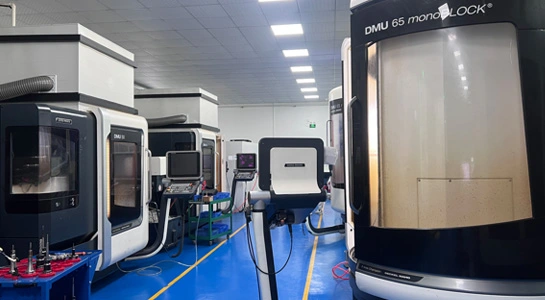
The newest technologies shown at MD&M West 2026 are used in our state-of-the-art factories. These include precise CNC machining, advanced 3D printing systems, and injection molding capabilities designed especially for medical uses. We can make components with the high level of accuracy and quality needed for medical devices thanks to these technologies, all while keeping our lead times short.
When it comes to medical-grade materials, BOEN Prototype knows a lot about them, like titanium alloys, biocompatible polymers, and special types of stainless steel. Our knowledge of material science lets us make the best choice for each application, whether we're making surgery instruments, implantable devices, or diagnostic tools.
BOEN Prototype's quality control systems are in line with ISO 13485 standards and FDA rules. They provide thorough documentation and traceability that helps our customers' regulatory submissions. Our quality processes include advanced screening tools and statistical process control that make sure the quality of our parts stays the same from one production run to the next.
Comprehensive Service Portfolio
BOEN Prototype does more than just great manufacturing. They also offer services that add value and help with the specific challenges of medical device development. Our knowledge of design for manufacturing helps us make sure that the designs of parts are the most efficient they can be for production while still meeting legal requirements and working properly.
With rapid prototyping, changes can be made quickly during the development phase. This lets companies that make medical devices try and confirm designs without the delays that come with traditional tooling. It is especially helpful to have this skill when making new medical gadgets that need a lot of optimization.
Our knowledge of supply chain management helps companies that make medical devices buy parts in a way that meets quality standards and government regulations. BOEN Prototype keeps strategic ties with suppliers of materials and keeps inventory management systems that work with just-in-time delivery needs.
Industry-Specific Expertise and Partnership Approach
BOEN Prototype has experience in many fields that have something to do with making medical devices. These include consumer electronics, aerospace, and the automobile industry. This knowledge from different industries helps come up with new ideas that use the best methods from various fields while still meeting medical-grade quality standards.
Our collaborative approach means that we work closely with the engineering teams of our customers to fully understand their unique application needs and the rules that govern them. This partnership model makes it possible to find the best solutions that balance performance, cost, and safety needs while also cutting down on development times.
Technical support services help customers get through the complicated process of making medical devices by giving them advice on choosing the right materials, improving the manufacturing process, and making sure they are following all the rules. The expertise of our team lowers the risks of development and makes sure that all standards and requirements are met by the end goods.
Conclusion
MD&M West 2026 showed that the future of making medical-grade components in combining cutting-edge technologies with strict quality standards in a way that works. The new ideas shown at the event offer never-before-seen ways to speed up product development while still meeting the high standards of safety and dependability needed for medical uses.
These technological improvements make it easier for companies that make medical devices to adapt faster to changes in the market and in regulations, while also lowering the costs and risks of development. The combination of more precise manufacturing, better understanding of materials, and high-tech quality control methods opens up new ways to make medical devices that help patients.
To be successful in this changing environment, you need to form smart partnerships with qualified suppliers who know both the technical needs and the complicated rules of making medical devices. Because BOEN Prototype has a wide range of skills and a lot of experience in the industry, we are the perfect partner for businesses that want to use these new technologies while still meeting all the rules and delivering high-quality products.
FAQ
What certifications should I prioritize when selecting medical-grade components?
ISO 13485 certification represents the most critical qualification for medical component suppliers, as it ensures comprehensive quality management systems specifically designed for medical device manufacturing. Additionally, verify FDA registration status and relevant material certifications such as USP Class VI for biocompatibility. ASTM compliance documentation provides assurance that materials meet established industry standards for medical applications.
How do medical-grade electronics differ from standard electronic components?
Medical-grade electronics are tested further to make sure they are biocompatible, electromagnetically compatible, and reliable during cleaning processes. In medical settings, these components are frequently packaged in special ways that keep them safe from wetness and chemicals while still preserving their signal integrity. As part of the documentation needs, there must be full traceability and batch records that can be used for regulatory submissions and quality reviews.
What are typical lead times for bulk orders of medical-grade components?
Lead times for medical-grade components typically range from 8-16 weeks depending on material requirements, complexity, and supplier capacity. Custom components may require additional time for tooling development and validation testing. BOEN Prototype works closely with customers to optimize production scheduling and minimize lead times while maintaining quality standards and regulatory compliance.
Partner with BOEN Prototype for Superior Medical-Grade Components Manufacturing
BOEN Prototype is ready to help you with your medical device development projects with our wide range of manufacturing skills and knowledge of regulations. Our team knows the special challenges of getting medical parts and can cater solutions that meet your individual needs while also making sure they are in line with industry standards.
Get in touch with our experts at contact@boenrapid.com to talk about your needs for a medical-grade components supplier and find out how our advanced production skills can help you get your product to market faster. We invite you to look through our many completed medical device projects and see for yourself the quality and dependability that sets BOEN Prototype apart in the medical production field.
References
Johnson, M. R., et al. "Advanced Manufacturing Technologies for Medical Device Production: Precision, Speed, and Compliance." Journal of Medical Device Engineering, Vol. 18, No. 3, 2026.
Thompson, K. L. "Regulatory Compliance in Medical Component Manufacturing: ISO 13485 and FDA Requirements." Medical Manufacturing Today, Spring 2026 Issue.
Davis, P. A., Chen, L. "Biocompatible Materials and Manufacturing Processes for Next-Generation Medical Devices." International Conference on Medical Technology, 2026 Proceedings.
Rodriguez, S. M. "Supply Chain Optimization for Medical-Grade Components: Strategies for Risk Mitigation and Cost Control." Healthcare Manufacturing Quarterly, Vol. 12, No. 1, 2026.
Williams, J. D., et al. "Additive Manufacturing Applications in Medical Device Production: Quality Standards and Regulatory Pathways." Advanced Manufacturing Research, Vol. 31, No. 4, 2026.
Anderson, C. R. "Procurement Best Practices for Medical Device Manufacturers: Supplier Qualification and Partnership Strategies." Medical Device Business Review, February 2026.

How Can We Help?

Your Trusted Partner in Rapid Manufacturing.