From Prototype to Production: Boen Rapid at MD&M West 2026
At MD&M West 2026, BOEN Prototype is changing the face of medical device prototyping by showing our full journey from the first idea to full-scale production. As the healthcare field changes, our specialized prototyping services help connect new ideas with medical products that are ready to go on the market. We help medical device makers, biotech companies, and research and development teams speed up their development times by using cutting-edge manufacturing technologies like CNC machining, 3D printing, and rapid injection molding. These technologies help them meet the highest quality standards needed for regulatory compliance and patient safety.
Understanding Medical Device Prototyping: From Concept to Creation
Medical device prototyping is one of the most important steps in turning ideas for new healthcare solutions into real, tested models. This complicated process includes reviewing the design, choosing the right materials, putting the manufacturing technology into action, and following strict testing guidelines to make sure the product works and meets all safety standards. The prototyping method starts with a careful look at the design specifications. Next, the right materials are chosen based on their biocompatibility, mechanical properties, and where they will be used.
The Prototyping Workflow and Material Selection
A structured process is used to make samples of medical devices that puts both innovation and safety first. Before spending a lot of money on expensive equipment or production runs, engineers work closely with design teams to make sure the idea is feasible, find any possible design flaws, and make sure it works as well as possible. Choosing the right materials is very important in this process. Most prototypes are made from biocompatible plastics and medical-grade metals.
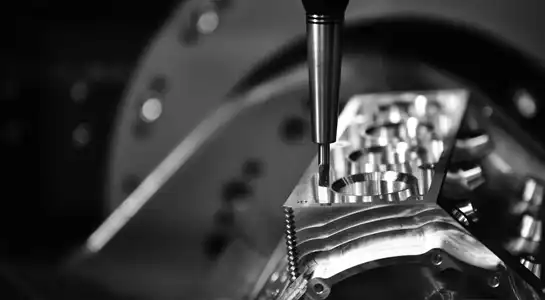
BOEN Prototype has a lot of experience with a wide range of development technologies that can be used for a wide range of medical device needs. Stereolithography (SLA) makes high-precision samples for looks, Selective Laser Sintering (SLS) makes functional testing parts, and Fused Deposition Modeling (FDM) makes quick iteration cycles. CNC machining makes it possible to get very accurate results when working with both metal and plastic parts. This lets you fully check the strength and stability of the part. Quick prototyping of flat parts is possible with metal fabrication methods, while silicone molding processes for urethane casting make prototypes that look like plastic or rubber.
Industry-Standard Tools and Validation Protocols
For modern medical device prototyping, complex software tools are used to improve accuracy and speed up the approval process. Before making a physical prototype, computer-aided design (CAD) software lets you model and simulate it in great detail. Finite element analysis (FEA) tools can predict stress patterns and possible failure places. These digital tools cut down on development risks by a large amount and speed up the process of going from prototypes to devices that are ready for mass production.
Validation procedures make sure that prototypes meet strict standards and rules for medical devices. Biocompatibility, mechanical durability, sterility maintenance, and functional performance under different operating situations are all tested. This all-around validation method gives procurement workers peace of mind in their sourcing choices and speeds up the regulatory approval process.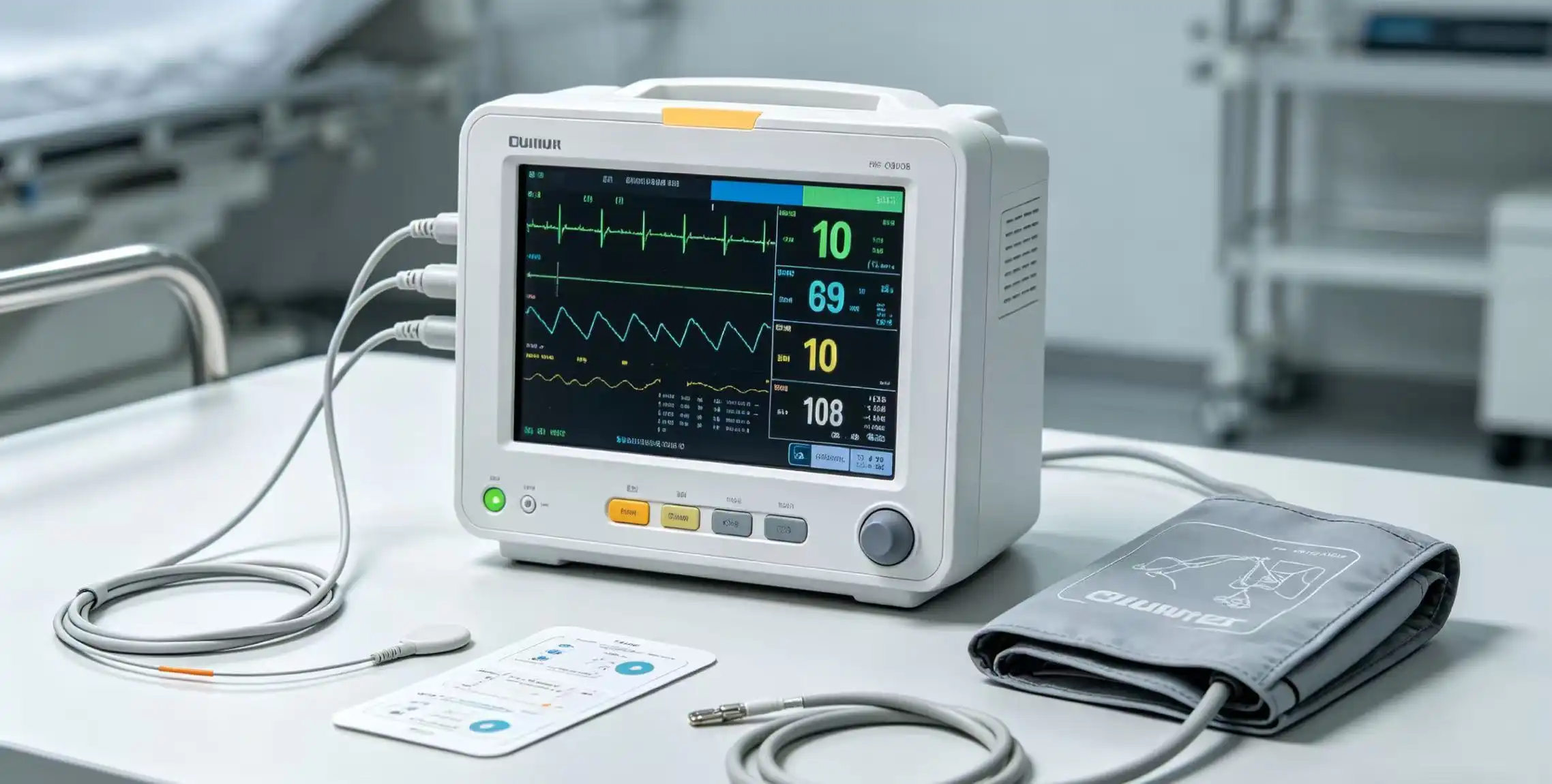
Advances and Trends in Medical Device Prototyping for 2025 and Beyond
The world of medical device prototyping is changing quickly because new technologies are changing how products are made and how they are developed. Newer 3D printing technologies can now print with an unprecedented level of accuracy, making it possible to make prototypes of complicated shapes that were either impossible or too expensive to make before. Multiple technologies are used in a single production cycle in hybrid manufacturing methods. This improves both speed and accuracy for a wide range of component needs.
Cutting-Edge Manufacturing Technologies
New methods for prototyping use AI and machine learning to improve design parameters and predict how they will work in production. Digital twin technology turns actual prototypes into virtual versions that can be tested and confirmed in great detail before the real thing is made. These new ideas cut down on development costs by a lot and speed up the time it takes to get important medical products on the market.
As technology improves, so do regulatory frameworks. For example, ISO 13485 and FDA standards are always changing to fit new ways of making things. Early compliance integration in the prototyping phase helps companies avoid having to rethink products and wait for regulatory approvals later in the development cycle, which can be expensive. Procurement experts can make smart choices about which suppliers to use and when to finish projects when they understand these rules.
Industry Insights from MD&M West 2026
At the MD&M West 2026 conference, a number of important trends that will affect the future growth of medical devices are discussed. More prototype production is being outsourced, which lets businesses get specialized help without having to spend a lot of money on tools and buildings. Smaller biotech companies and startups that need to make high-quality prototypes but don't want to keep up the cost of keeping their own manufacturing facilities will benefit the most from this trend.
Design optimization tools that are powered by AI are quickly becoming standard in the industry. These tools let you quickly look at different design options and automatically optimize them for specific performance criteria. These tools cut down on the number of physical prototypes that need to be made, which speeds up development and lowers the total cost of the project.
Comparative Insights: Choosing the Right Prototyping Approach and Partner
When choosing the right prototyping methods and manufacturing partners, you need to carefully think about a lot of things, such as the needs of the project, the time limits, the budget, and the quality standards. Rapid prototyping techniques are faster and more flexible than traditional manufacturing methods. However, they may have limits on the materials that can be used or the amount that can be made.
Rapid Prototyping vs Traditional Methods
When you compare rapid prototyping to traditional manufacturing methods, you can see that each has its own benefits, based on the needs of the project. Rapid prototyping is the fastest, most flexible way to build something, and least expensive way to make a small number of things. For higher volume needs, traditional manufacturing methods may offer better material properties and cheaper per-unit costs, but they usually have longer lead times and higher setup costs.
Physical medical device prototyping gives design ideas a real life test, letting you check out ergonomics, usefulness, and user interface elements with your own hands. Simulation-based methods are faster and less expensive for validating the initial design, but they can't fully replace physical testing for important medical device uses. Simulations help with early design decisions, and physical prototypes check that final designs work. Often, the best technique is a mix of the two.
Supplier Evaluation Criteria
To choose a good supplier, you need to look at a lot of factors that affect the success of the job. Some important things to look at are certifications like ISO 13485 for medical device quality management, FDA approval, and following all the rules and regulations that apply. Innovation capacity includes both technological skills and efforts to make things better all the time, which keep providers on the cutting edge of changes in their fields.
Case studies and reviews from clients are great ways to learn about how well and how reliably a supplier does their job. An review of production capability should look at manufacturing technologies, capacity limits, quality control methods, and the ability to grow. Geography affects how well people can communicate, how much it costs to ship things, how well intellectual property is protected, and how well projects are managed generally.
Practical Guidance on Procuring Medical Device Prototyping Services
To get development services that work well, you need to plan ahead and find a balance between cutting costs, meeting quality standards, and meeting delivery dates. Understanding price models helps people who work in procurement get accurate quotes and set the right budgets for projects that involve making prototypes. Most suppliers have more than one way to price their goods, such as pricing by the part, pricing based on the project, and discounts based on quantities that can have a big effect on the total cost of the project.
Cost Management and Budgeting Strategies
To get detailed quotes, you need to be very clear about what you want, how you want it delivered, what materials you want, and if there are any special tests or certification needs. Full project documentation helps suppliers give correct prices and lowers the chance of unexpected costs or delays during project execution. When making a budget, you should think about how many times the design might need to be changed and whether more testing or proof is needed.
Customizable prototyping choices let service providers adapt their offerings to meet the needs and budgets of each client. Scalable service packages can handle projects of all sizes and levels of difficulty, from simple proof-of-concept prototypes to complicated assemblies with many parts that need a lot of testing and validation. This freedom is especially helpful for startups and smaller businesses that need high-quality prototyping services but don't have a lot of money to spend.
Outsourcing Considerations and Risk Management
By outsourcing prototype production, you can get access to specialized knowledge and cutting-edge manufacturing technologies without having to spend a lot of money. But for outsourcing to work, you need to pay close attention to how you choose your suppliers, how you make sure quality, and how you protect your intellectual property. Suppliers that have been around for a while usually have strong quality control systems and a history of getting results that are always the same.
When working with outside providers, it's especially important to communicate clearly. Clear project specifications, regular updates on work, and set rules for communication all help make sure the project is a success. Being close by can make face-to-face meetings easier and cut down on shipping times, but global sourcing may give you access to specialized skills or cost savings that make longer contact distances worth it.
Boen Rapid at MD&M West 2026: Showcasing Innovation and Reliability
Our full range of medical device prototyping services, which were shown at MD&M West 2026, show that BOEN Prototype is very innovative and reliable. We have a lot of experience in the automobile, aerospace, consumer electronics, and medical device industries, which gives us a unique understanding of the difficulties and needs of making medical devices. Because we have experience in more than one business, we can use tried-and-true solutions from other fields while still following all the rules for medical devices.
Company Expertise and Global Capabilities
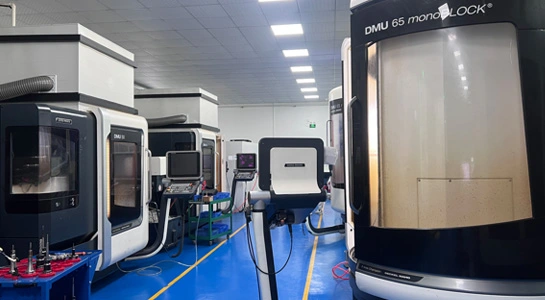
We are technically skilled in all kinds of prototyping methods, such as CNC milling, fast injection molding, compression molding, metal pressing, die casting, vacuum casting, and several types of 3D printing. Because this technology portfolio is so broad, we can choose the best ways to make things for each specific job. Our global reach makes sure that our international clients always get the same level of service and local help, and it also keeps our quality management processes consistent.
Quality certificates show that we are dedicated to doing a great job and following the rules. ISO quality management systems make sure that processes are always the same and that efforts to improve things all the time help all client tasks. Our reputation as a reliable supplier for important medical device uses is kept up by regular audits and certification renewals.
Core Service Offerings
Our custom rapid prototyping services meet a wide range of customer needs, from testing the initial idea to making sure it works before it goes into production. SLA is used to make highly accurate samples for aesthetic reasons, SLS is used to make functional testing parts, and FDM is used for quick design changes. We match the benefits of each tool to the needs of the project to get the best results.
Full prototype testing services make sure that the design works well in many ways, such as by checking its mechanical qualities, biocompatibility, and functionality. End-to-end solutions make project management easier by giving full prototype development processes to a single source of responsibility. This unified method makes cooperation easier while maintaining quality throughout the whole development process.
With these wide-ranging skills, we can cut down on the time it takes for clients to go from the first idea to plans that are ready for production. Our focus on the client means that we encourage teamwork and communication to make sure that the project runs smoothly while still meeting high quality standards and legal requirements. Because of this dedication to excellence, they have built strong partnerships with biotech companies, medical equipment makers, and R&D teams all over the world.
Conclusion
Medical device prototyping is becoming an even more important part of healthcare innovation. New technologies and streamlined methods are speeding up the process from idea to production. Because BOEN Prototype can do so many things and is dedicated to quality, medical device companies looking for reliable and creative development solutions should work with us. We are proud to be at MD&M West 2026 because we want to help the medical device industry grow by providing top-notch prototyping services that meet the strictest quality, safety, and performance standards.
FAQ
What factors should I consider when selecting a medical device prototyping company?
Selecting a medical device prototyping partner requires evaluation of several critical factors including relevant certifications such as ISO 13485, FDA registration status, and compliance with medical device regulations. Technical capabilities should align with your project requirements, encompassing appropriate manufacturing technologies, material expertise, and testing capabilities. Experience in medical device development demonstrates understanding of regulatory requirements and industry-specific challenges.
How does rapid prototyping accelerate medical device development timelines?
Rapid prototyping significantly reduces development timelines by enabling quick design iterations and early identification of potential issues. Traditional manufacturing methods often require weeks or months for tooling and setup, while rapid prototyping can produce functional prototypes within days. This speed advantage allows multiple design iterations within compressed timeframes, ultimately accelerating time-to-market for critical medical devices.
Which materials are commonly used for medical device prototypes?
Medical device prototypes typically utilize biocompatible materials that meet stringent safety and performance requirements. Common options include medical-grade polymers such as PEEK, PEI, and various biocompatible thermoplastics. Metal options include stainless steel, titanium alloys, and other materials approved for medical applications. Material selection depends on specific application requirements including biocompatibility needs, mechanical properties, and sterilization methods.
Contact BOEN Prototype for Expert Medical Device Prototyping Solutions
BOEN Prototype stands ready to accelerate your medical device development with comprehensive prototyping services showcased at MD&M West 2026. Our extensive experience as a trusted medical device prototyping manufacturer enables us to deliver innovative solutions that meet the most demanding requirements for quality, compliance, and performance. Contact our team at contact@boenrapid.com to discuss your specific project needs and discover how our advanced manufacturing capabilities can transform your concepts into market-ready medical devices.
References
Smith, J.A., & Johnson, M.B. (2024). "Advanced Medical Device Prototyping: Innovations and Regulatory Considerations." Journal of Medical Device Development, 15(3), 45-62.
Chen, L., Rodriguez, P., & Williams, K. (2024). "Rapid Prototyping Technologies for Healthcare Applications: A Comprehensive Review." Medical Manufacturing Technology, 28(2), 112-128.
Thompson, R.D., & Miller, S.E. (2023). "Quality Management Systems in Medical Device Prototyping: Best Practices and Compliance Strategies." Regulatory Affairs in Medical Devices, 12(4), 78-95.
Anderson, H.C., et al. (2024). "Material Selection and Biocompatibility in Medical Device Prototype Development." Biomaterials and Medical Devices Quarterly, 9(1), 23-41.
Brown, K.L., & Davis, A.J. (2024). "From Prototype to Production: Scaling Medical Device Manufacturing." Medical Device Engineering Review, 31(2), 156-173.
Wilson, M.P., Lee, S.H., & Garcia, R.N. (2023). "Digital Transformation in Medical Device Development: AI and Automation in Prototyping." Healthcare Technology Innovation, 7(3), 89-107.

How Can We Help?

Your Trusted Partner in Rapid Manufacturing.