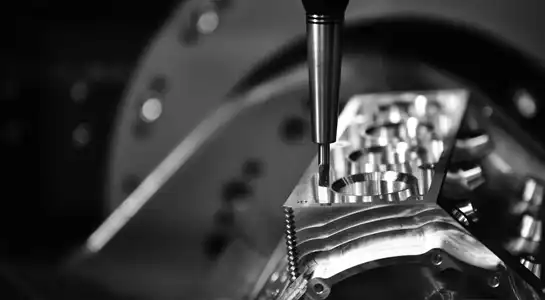
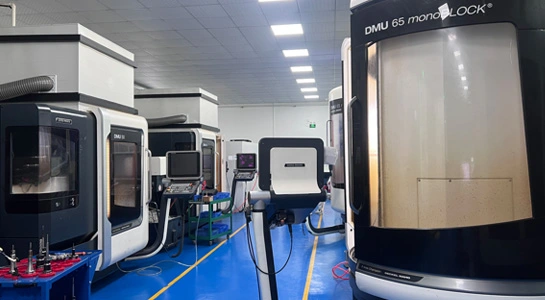
Partnering with makers who have advanced technology, strict quality controls, and years of experience in the car industry is the best way to find the best China die casting factories for US automotive projects. Top-notch Chinese die casting factories, such as BOEN Prototype, provide complete metal casting services that meet strict car standards and offer cost-effective production for both samples and small-scale production needs.
Why Chinese Die Casting Dominates USA Automotive Supply Chains?
By making smart investments in advanced die casting technology and robotic systems, Chinese manufacturers have changed the way car parts are made. Chinese suppliers are becoming more and more important to the car industry because they can handle large orders, offer reasonable prices, and make high-tech products.
China's mature supply chain ecosystem helps US automakers because it has specialized tool steel production, advanced mold design skills, and quality control systems that work together. Because of these benefits, Chinese companies are very appealing for car projects that need precision-cast parts like engine blocks and transmission housings.
The move toward electric cars has made this relationship even stronger. Chinese manufacturers have a lot of experience using aluminum die casting to make lightweight car parts. This makes them perfect partners for EV startups and standard OEMs that are switching to electric powertrains.
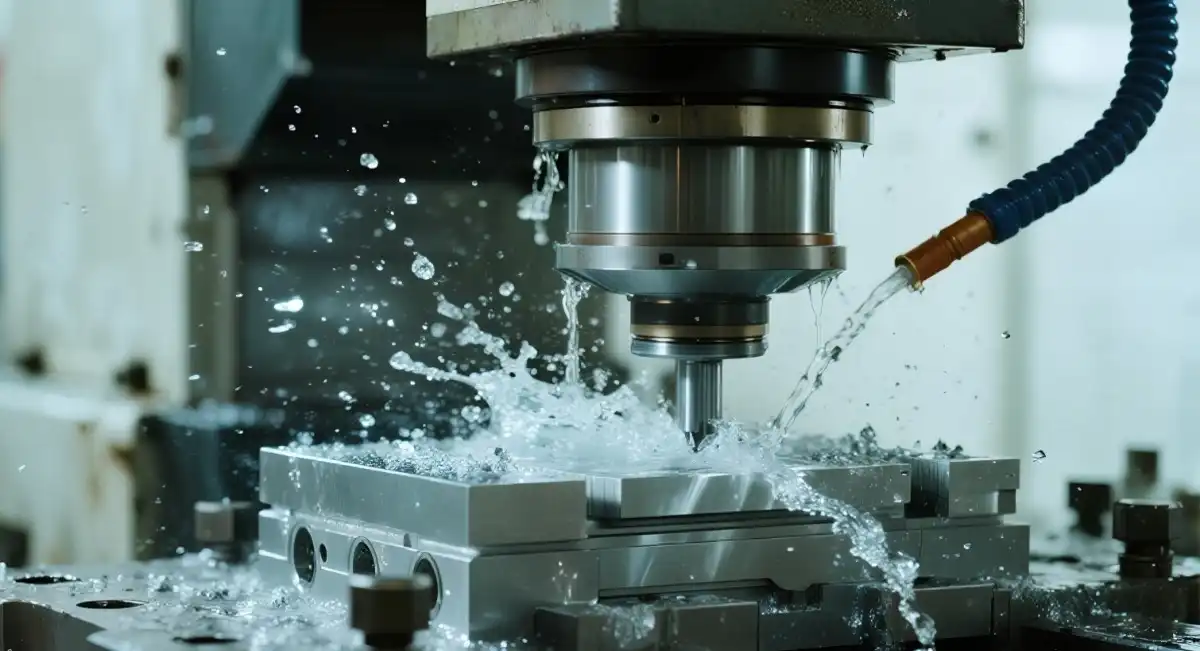
Essential Selection Criteria for Automotive Die Casting Partners
To choose the right die casting maker, you need to carefully consider a number of factors that have a direct effect on the success of the project. For a partnership to be effective, both parties must have quality certifications. ISO/TS 16949 automotive quality control systems are a must.
The difference between great companies and average suppliers is their manufacturing ability and level of technological skill. Look for places that have high pressure casting tools that can hold between 200 and 4,000 tons, computer-controlled injection molding systems, and equipment that automatically checks the quality of the casting.
For complicated car projects, being able to integrate the supply chain is essential. The best makers offer a full range of services all under one roof, such as mold design, testing, surface finish treatments, and assembly. This combination cuts down on wait times and makes sure that quality stays high throughout the whole production process.
You can't forget about the communication system and project management skills. Top-level Chinese companies hire engineers who speak English and use advanced project tracking systems to keep working together with US car teams smoothly.
Leading Chinese Die Casting Manufacturers for Automotive Applications
Boen Prototype: Full Prototyping and Low Volume Production
BOEN Prototype is the best company for US car projects that need custom die casting solutions. They are very good at many types of manufacturing, like high pressure casting, CNC machining, and fast injection molding. This makes them the only ones who can handle complicated needs for car parts.
The company makes parts for both gas and electric cars, including engine components, internal parts, lighting housings, and structural elements. Their advanced aluminum die casting skills help with efforts to make designs lighter while still meeting the strength and durability needs of car uses.
BOEN's integrated method mixes prototyping with low-volume manufacturing. This makes it easy for car clients to go from testing an idea to mass production. As part of their quality control systems, they test for heat conductivity, look for casting flaws, and make sure the dimensions are correct using high-tech measuring tools.
What makes BOEN unique is that they really understand the deadlines and quality standards in the car business. During the design phase, they do thorough casting simulation analysis that helps find problems before the tool steel manufacturing starts. This proactive method cuts development costs by a lot and speeds up the time it takes to get a car project to market.
Their building has cutting-edge cooling systems that are meant to shorten the casting cycle time while keeping the quality of the parts constant. Advanced die repair routines make sure that tools last longer, which lowers the cost of each part for production runs with a medium to high volume.
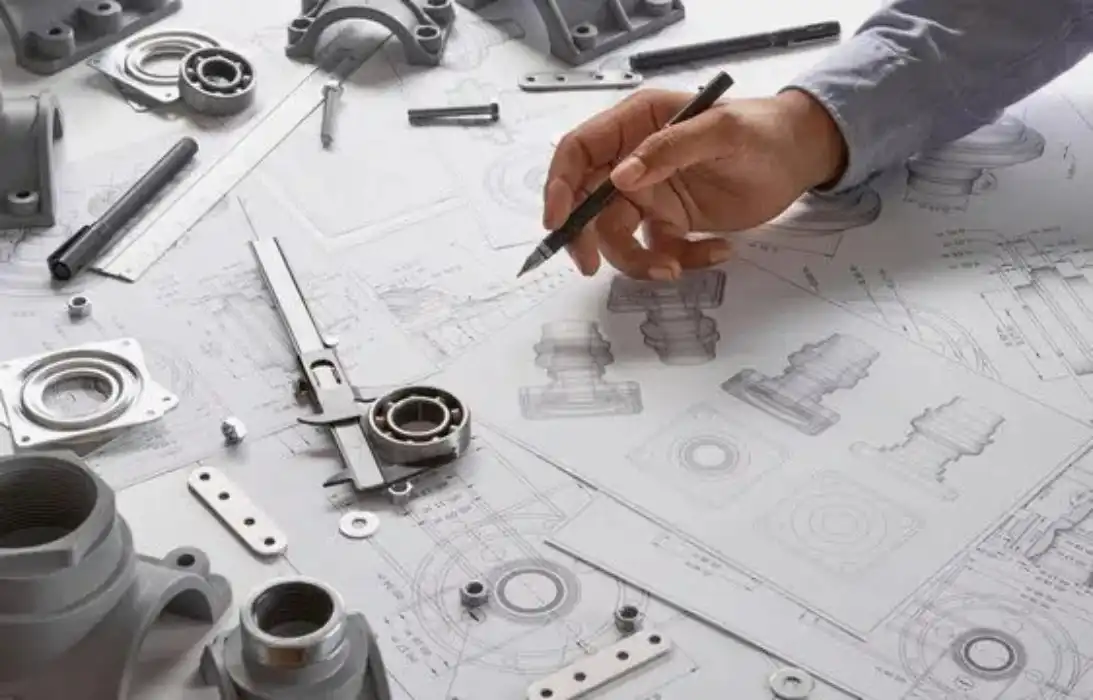
Guangdong Hongtu Technology - Large Scale Aluminum Casting
The main thing that Guangdong Hongtu Technology does is large-scale metal die casting for engine blocks and structural parts for cars. Some of China's biggest casting machines are in their factory. These machines can make complex car parts that weigh up to 50 kilograms with very high casting tolerance accuracy.
Because the company is so good at casting zinc alloys, they are very useful for making housings for electronics in cars and ornamental parts. Their high-tech surface finishing options include powder coating, anodizing, and chrome plating, so they don't have to use outside sources for extra processing.
X-ray image technology is used in Hongtu's quality control tools to find porosity in real time. This feature makes sure that important car parts meet safety standards while also keeping up with the style standards needed for modern cars.
Their engineering team does full mold design work, using high-tech modeling tools to find the best places for gates, cooling channels, and ejection systems. This knowledge is very helpful for complicated shapes in the car industry that need precise measurements and high-quality surfaces.
The facility's casting robotic systems cut down on mistakes made by people and make output more consistent. Robotic part handling and automated trimming processes make sure that final parts meet the standards of the car industry without any changes being made by hand.
Ningbo Zhenhai Bolang Metal Products - Precision Automotive Components
Precision die casting for car electrical parts and sensor housings is what Ningbo Zhenhai Bolang does best. Their production process focuses on controlling ultra-tight casting tolerances, which makes them perfect for uses that need to be accurate within 0.05mm of the dimensions given.
Small to medium-sized car parts are where the company does its best work, where surface finish quality and measurement accuracy are more important than production volume. As part of their knowledge, they can cast magnesium alloys for use in electric car battery housings and control unit enclosures where weight is important.
Bolang's quality management method includes full material traceability, which means that every car part can be traced back to the batch of metal it came from. This skill is very important for quality reviews and recalls of cars.
Their choice of tool steel and heat treatment methods make dies last a lot longer than the average in the business. This knowledge means that long-term contracts for making cars will have lower tooling costs while part quality stays the same throughout the tool's useful life.
Monitoring tools for the casting process keep an eye on important factors like input pressure, temperature profiles, and cooling rates. This data collection lets you keep improving the process and plan repair ahead of time, which cuts down on unexpected downtime during busy times for making cars.
Global Market Dynamics and Regulatory Landscape
The global car industry has to deal with more and more complicated rules that have a direct effect on choosing a die casting provider. Chinese companies that make cars for the US market have to follow a lot of rules, such as REACH rules about the materials they use and conflict mining rules about where they get their raw materials.
Environmental laws are still affecting how things are made, and big Chinese companies are spending a lot in melting systems that use less energy and technologies that cut down on waste. These changes are in line with the car industry's goals for sustainability and will lower long-term production costs.
Trade policies and tariff systems affect how suppliers are chosen, so it's important to work with makers who know how to comply with international trade rules. The best Chinese providers keep thorough records that make it easy for customs clearing and government inspections.
Different markets have different cultural tastes that affect the specs of automobile parts, especially those that are used inside the car and look nice. Chinese companies that have worked all over the world know about these differences and can change their casting methods to fit them.
Strategic Purchasing Recommendations and Key Considerations
For vehicle die casting partnerships to work, more than just the starting cost needs to be carefully thought through. It's important to choose manufacturers with a variety of raw material sources and backup output skills because supply chain resilience is becoming more and more important.
Quality agreements should include specific rules about the minimum amount of casting defects, the allowed sizes, and the required surface finish. These deals must also cover who owns the tools, how to protect intellectual property, and how to limit the spread of technology.
For long-term cost efficiency, you need to know the total cost of ownership, which includes the costs of shipping, quality control, tooling debt, and possible insurance claims. In automotive uses, the lowest original price isn't always the best deal.
Communication methods and project management tools should be carefully looked at when choosing a supplier. Regular information on progress, quality, and the ability to solve problems before they happen set great providers apart from average ones.
Industry Trends and Future Outlook
The automotive die casting business is moving toward smarter production methods and more automation. Leading Chinese makers are starting to offer AI apps that can be used to improve the casting process and predict quality problems before they happen.
The growing number of electric vehicles increases the need for special aluminum alloys and new ways to make them. When Chinese suppliers invest in these technologies, they place themselves as the best partners for projects that will make cars of the future.
Sustainability efforts have a bigger impact on choosing suppliers. For example, automakers give more weight to firms that can show real changes in the environment and circular economy practices.
Conclusion
To find the best Chinese die casting partner for US car projects, you have to weigh a lot of things, such as their professional skills, quality systems, and communication systems. The companies that were analyzed in this report are the best in their fields, and each has its own strengths that make it ideal for different projects.
BOEN Prototype is a great partner for businesses looking for reliable, high-quality die casting options because they make automotive parts in a wide range of ways and have a track record in many different industries. Their dedication to new ideas and customer satisfaction makes sure that vehicle projects get the care and attention they need to have the best results.
The future of car die casting is still moving toward more accuracy, sustainability, and automation. In a global market that is becoming more and more competitive, long-term success depends on working with makers who are ahead of the curve and invest in these skills.
FAQs
What quality certificates should I ask Chinese makers of die castings for cars to have?
Some important certificates are IATF 16949 for car quality systems, ISO 14001 for environmental management, and ISO/TS 16949 for automotive quality management. For aerospace uses, extra approvals like AS9100 may be needed. Medical device projects, on the other hand, need to comply with ISO 13485.
How can I be sure that the quality will stay the same when I work with Chinese die casting manufacturers?
Set up clear quality agreements with specific requirements, do regular on-site checks, make sure statistical process control paperwork is kept up to date, and keep lines of communication open with engineering teams. Third-party testing services for important car parts are a part of many successful partnerships.
In general, how long does it take to get a car die casting job from China?
Lead times depend on how complicated the job is and how much you need. After the tool is finished, prototype parts usually need two to four weeks, while production making takes six to twelve weeks, based on the size and complexity of the part. Once processes are set up, shipping times for high-volume runs are generally between two and four weeks.
Partner with BOEN Prototype for Superior Automotive Die Casting Solutions
When it comes to die casting manufacturers, BOEN Prototype has the best tools for the most demanding car uses. Our wide range of manufacturing skills includes everything from making the first sample to low-volume production, so we can make sure that your project goes smoothly from the idea stage to delivery.
Our experience in the car industry includes working for OEMs, Tier-1 suppliers, and EV startups. This gives us the deep understanding we need to handle complicated project requirements and short delivery schedules. Advanced controls for the casting process and strict quality management systems make sure that every part meets the strict requirements for the car industry.
Having a lot of different production methods under one roof makes it easier to coordinate and speeds up the whole project. Whether you need parts made of zinc alloy for electronics or aluminum die casting for lightweight parts, our team can help you through the whole development process.
Are you ready to talk about your die casting needs for cars? Get in touch with us at contact@boenrapid.com to find out how our skills can speed up your next car job while still ensuring high quality and low prices.