Best Surface Treatment Methods for Industrial Metal Components
It's not enough to just shape the metal when we talk about manufacturing and prototyping. What happens later is also important, especially surface treatment. When you treat the surface of raw metal, you make a part that can last for years, look good, and work efficiently in hard conditions. Choosing the right finishing method has a direct effect on how long your product lasts, how well it works, and how ready it is for the market, whether you're making samples for cars, airplane parts, or medical device parts. We've spent years at BOEN Prototype perfecting how metal surfaces can be used best in a wide range of industrial settings, and we're ready to share what we've learned.
Understanding Surface Treatment for Industrial Metals
Surface treatment is any method used to change the top layer of a metal part in order to improve its qualities. These changes don't just look different; they actually change how the metal reacts with its surroundings. By using mechanical, chemical, or heat methods, we can make a part look like it's ready for production, make it harder, make it more conductive, or make it more resistant to rust.
Why Surface Finishing Matters in Modern Manufacturing
Metal parts that are used in car engines, robot structures, or UAV housings are always under stress. Aluminum oxidizes, steel rusts, and even stainless steel can break down in some situations if it is not properly finished. Surface treatments make barriers that protect, make parts less likely to wear out, and make them last longer. All of these things directly lower warranty claims and servicing costs for OEMs and Tier-1 providers.
At BOEN Prototype, we often use different finishing methods on CNC-machined parts, die-cast parts, and 3D-printed metal samples. Our clients in the consumer products industry often need cases that not only do their job but also look good and show that the brand is reliable. Biocompatible materials that meet strict legal standards are needed by companies that make medical devices. For each purpose, a different method is needed.
Basic Categories of Metal Surface Treatments
Knowing the big groups helps you figure out what your choices are. Surface modification methods, such as bead blasting and polishing, change the appearance of a material without changing its chemistry. Surface alloying techniques, like nitriding, add elements to the metal's top layer, making a zone that is harder. Anodizing and other conversion coatings change the surface chemically into a protective metal layer. Surface patterning methods add a completely new layer of material to the base. Examples include electroplating and powder coating.
The process usually starts with cleaning and inspecting the part to make sure it is free of any contaminants. Before the process, the surface is cleaned thoroughly to get rid of any oils, residues, or rust. After the preparation, the treatment can happen through chemical baths, electrical processes, heat exposure, or the application of a finish. After treatment, the coating may need to cure or dry, and then it must go through strict quality control to make sure it is thick enough, sticks well, and looks good.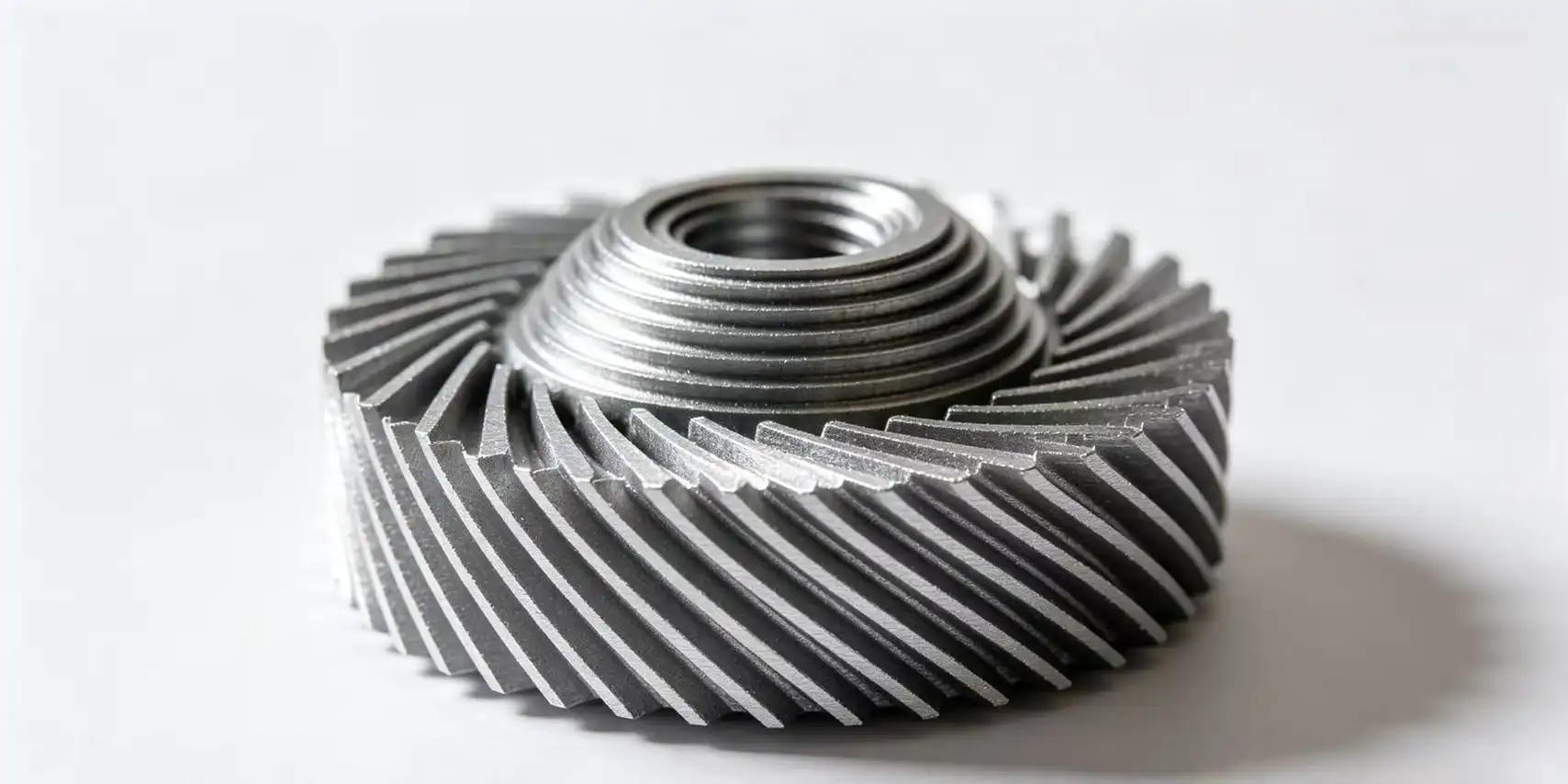
Top 5 Surface Treatment Methods for Industrial Metal Components
It can be hard to decide which of the dozens of methods to use. Five surface treatment methods have been chosen because they regularly work across all businesses. Depending on the material, performance needs, and output rate, each has its own benefits.
Electroplating: Precision Coating Through Electrolysis
Using electricity, electroplating puts a thin layer of metal—often nickel, chrome, zinc, or gold—on top of a surface that can carry electricity. In an electrolytic bath, the part turns into the cathode and draws in metal ions that form a smooth layer. This method does a great job of protecting against rust, improving electrical flow, and making things look better.
Electroplating is often used to make the sides of automotive lighting housings shiny enough to meet photometric standards. Nickel-chrome treatment is used by companies that make consumer electronics for plugs and switches that need to be highly conductive and resistant to wear. The process lets you precisely control the thickness, which can be anywhere from a few microns to several hundred. This means it can be used for both useful and artistic purposes.
Managing the waste streams from coating baths can be hard, but more and more modern facilities are using closed-loop systems. When your project needs tight dimensional standards and a smooth surface, especially for smaller parts where coating consistency is important, we suggest electroplating.
Anodizing: Creating Durable Oxide Layers on Aluminum
Anodizing is the best way to treat aluminum parts because it changes the metal's surface into a thick, porous layer of aluminum oxide through electrolytic oxidation. This layer isn't put on; it grows from the base material, which makes it stick very well. The metal's open structure lets dyes soak in easily, so it can be made in a wide range of colors while keeping its natural roughness.
We've anodized a huge number of military bolts, UAV frames, and robotic arm parts that need to be strong while being light. The process makes the surface much harder (up to about 70 on the Rockwell C scale) and protects against rust. It also insulates against electricity flow. Type II sulfuric anodizing makes coatings that are 10 to 25 microns thick, which are good for most uses. Type III hardcoat anodizing, on the other hand, can make coatings that are more than 50 microns thick for harsh settings with a lot of wear.
Anodized finishes are popular with medical equipment makers because they are safe, biocompatible, and simple to clean. This method only works with aluminum and its alloys. However, titanium and magnesium can also be used in similar ways. Anodizing doesn't leave behind heavy metals, so it doesn't have a big effect on the environment. This is making it a more popular choice as worries about sustainability grow.
Powder Coating: Versatile Electrostatic Application
Powder coating uses static electricity to stick dry pigment particles to a surface and then heats them to cure them into a smooth film. Powder finishing doesn't have any solvents like liquid paint does, which greatly lowers the release of toxic organic compounds. The end result is a thick, even finish (usually 50 to 100 microns) that is very resistant to damage and keeps its color.
This method works best for bigger parts where coating thickness and toughness are more important than worrying about very small details. Powder coating is something we do all the time for industrial equipment housings, AGV structural parts, and car internal brackets. The finish is better than most at resisting chipping, scratching, and chemical contact, so it's perfect for parts that will be handled roughly or used outside.
You can choose from almost infinite colors, and special formulas let you choose from finishing with a high gloss, a matte look, or wrinkles. For the curing process to work, ovens must be able to keep temperatures between 180°C and 200°C for 10 to 20 minutes. This means that temperature-sensitive parts can't be used. Powder coating, on the other hand, is the best way to protect metal parts that stand alone and need to look good.
Chemical Conversion Coatings: Phosphating and Chromate Treatments
For chemical conversion coatings, parts are soaked in reactive solutions that change the metal surface into a protective material. Phosphating adds a layer of solid zinc or manganese phosphate to steel, which protects it from rust and makes it a great surface for painting. Chromate conversion coatings put on aluminum, zinc, and cadmium to make thin, iridescent plates that keep them from oxidizing and keep their ability to conduct electricity.
OEMs often ask for phosphate treatments to be used as a prep step before painting powertrain components and chassis parts. Phosphate crystals make a micro-rough surface that physically interlocks with paint layers. This makes bonding much better and stops delamination. We've found this to be especially helpful for protecting against rust and painting EV battery enclosures, which are both very important.
Because hexavalent chromium is controlled by environmental laws, chromate treatments aren't used as much as they used to be. However, trivalent chromium options now offer the same safety with less toxicity. These coatings are usually only 0.5 to 2 microns thick, which means they don't add much to the size of the item but make it work much better. Chemical conversion methods are good for large-scale production runs because they work quickly and cheaply.
Laser Surface Treatment: Precision Hardening and Texturing
Laser surface treatment is the newest and best way to finish things. It uses directed energy beams to change the qualities of materials in only certain places. Laser hardening quickly raises the surface temperature above the transformation temperature. This lets the material self-quench, which forms a hard layer without changing the toughness of the base. With laser texturing, tiny designs are made that precisely control friction, wear, and the way something looks.
We use laser hardening for robotics companies that need gear teeth and bearing surfaces that won't wear down easily without the size changes that come with standard heat treatment. The process makes harder zones that are 0.5 to 2.0 mm deep and have hardness levels above 60 HRC. Because heating happens quickly and locally, even on precision-machined parts, deformation stays very low.
Laser ablation can also be used to remove material from metal surfaces to make identification lines, designs for decoration, or useful textures. Customers who buy medical devices really like this feature because it lets them permanently mark parts that can survive cleaning rounds. The technology needs a lot of money and specialist knowledge, but it can change surfaces in ways that aren't possible with other methods, especially for complex shapes and selective area treatment.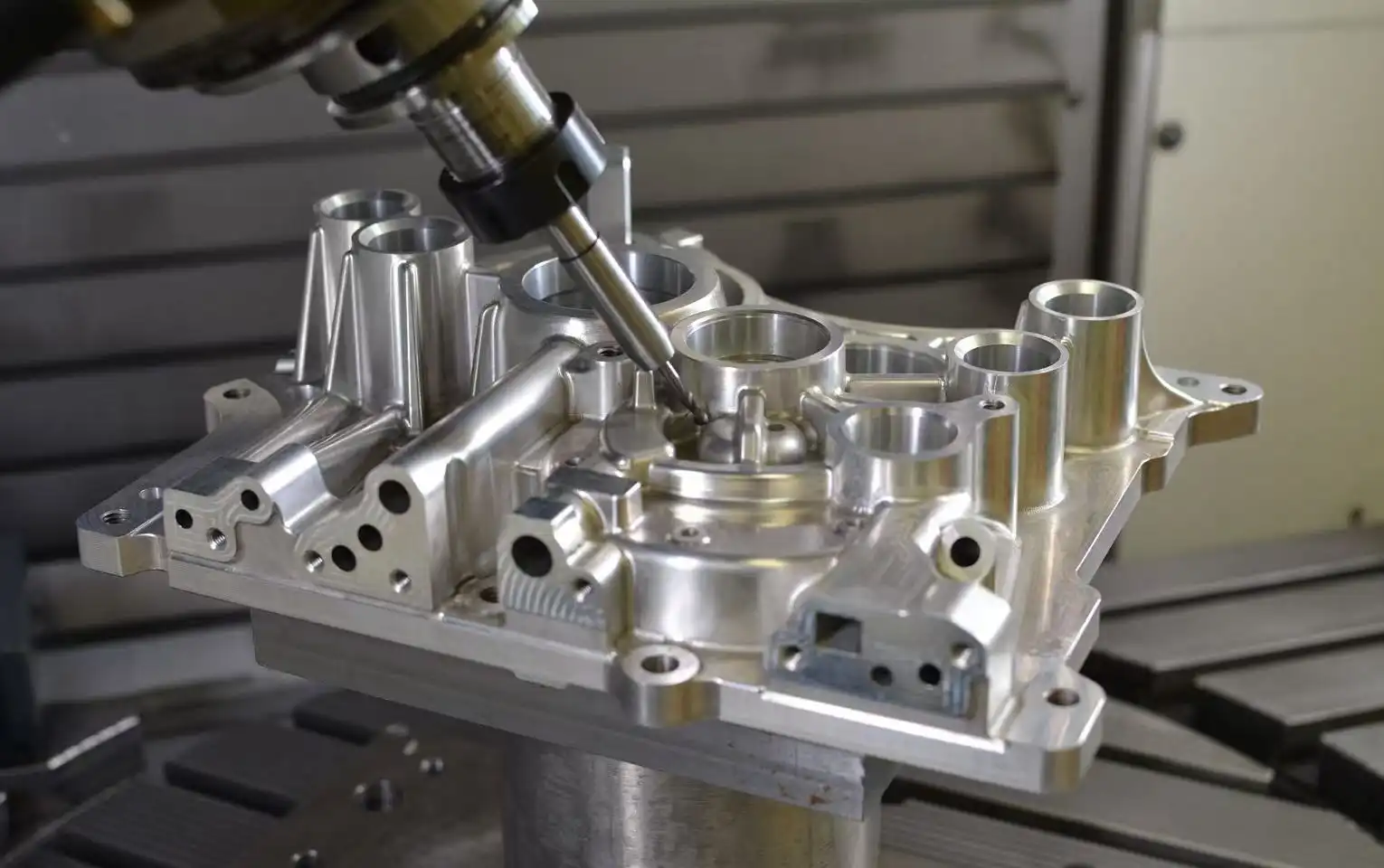
How to Choose the Best Surface Treatment Method for Your Metal Components
There are a lot of things to think about when choosing the best surface treatment process. We often help our customers do this kind of research, and there are some rules that always help narrow down the choices.
Evaluating Material Compatibility and Performance Requirements
Different methods have different effects on different metals. Anodizing aluminum looks great, but electroplating aluminum needs to be done in a certain way first. Most conversion coatings don't stick to stainless steel, but it's easy to laser harden and powder coat. Before making a choice, you should know the nature of your base material and how it might react with different processes.
Your choice should be based more on performance needs than on looks alone, though both are important. For parts that will be in marine settings, the best rust protection is achieved through hot-dip galvanizing, special powder coatings, or hardcoat anodizing. Parts that will be moving against each other need a hard surface. Nitriding, laser hardening, or hard chrome finishing are all good options. Biomedical uses need certificates that show biocompatibility and sterilization resistance, which makes choices a lot smaller.
Usually, we start by describing the worst situation your part will be in. Will it be able to handle constant vibration? Why thermal cycling? Exposure to chemicals? Getting in touch with food or medicine? In each situation, some choices are ruled out while others are made more clear. Testing labs and R&D teams can benefit from our knowledge across many industries. We've probably faced problems similar to theirs and can suggest tried-and-true answers.
Balancing Cost, Lead Time, and Quality Expectations
There are real budget issues, but only looking at the current costs of handling often doesn't help. Failure of a cheaper finish too soon leads to warranty costs, unhappy customers, and possible safety issues that are much greater than the savings. We tell our clients to figure out the total lifecycle costs of a product, which should include maintenance schedules, planned replacement dates, and the cost to the business if a part fails.
For fast prototyping and small production runs, lead time is very important to think about. Some treatments need a lot of work before they can be used, as well as many steps in the processing process and a long time to cure. Anodizing and powder finishing can be done in a few days, but some specialized plating processes can take weeks, especially if they need to meet strict standards or get certifications. At BOEN Prototype, our integrated process makes it easy to organize finishing and machining, which cuts down on project timelines without lowering quality.
Expectations for quality must match up with how things work in practice. A working prototype going through validation testing might be okay with Class III cosmetic standards, but a sample for production that needs to be perfect in order for the customer to approve it needs to be Class I. Clearly stating the requirements for acceptance before the work starts keeps everyone on the same page about what success means.
Working with Certified Surface Treatment Suppliers
When cleaning surfaces, the skills of the supplier are very important. Certifications such as ISO 9001, NADCAP for aerospace uses, or FDA registration for medical equipment show that quality systems are in place and that regulations are being followed. We have relationships with approved finishing experts in a wide range of fields, which lets us match your part with the best provider for your purposes.
When looking at possible providers, you need to look at their process controls, inspection skills, and how they handle materials. Find out how serious they are about consistency by looking at their process specs, control plans, and inspection records. Ask for examples of past work that is similar to the work you are applying for. Check them carefully for even covering, good bonding, and attention to detail.
Specifications, inspection standards, and ways to fix parts that don't meet the requirements should be made clear during contract talks. When you can, use industry standards like MIL-SPEC documents, ASTM standards, or ISO specifications instead of general terms like "good quality" or "acceptable finish." This is more specific and protects everyone while setting clear goals for success.
Emerging Trends and Innovations in Surface Treatment
Environmental laws, the ability to automate tasks, and the need for high quality keep pushing the surface treatment business to change. Keeping up with these changes can help your design and manufacturing plans work in the future.
Sustainable and Eco-friendly methods of doing things
Surface treatment choices are changing as a result of regulations and business environmental goals. Traditional hexavalent chromium treatment is becoming more limited, which is speeding up the use of trivalent chromium replacements and chrome-free conversion coatings. Solvent-based cleaners are being replaced by water-based pretreatment treatments, which lowers VOC pollution and the risk of worker exposure. Customers are asking for finishing methods with recorded environmental profiles and third-party sustainability standards more and more.
Low-temperature curing powder coatings can now fully cross-link at temperatures 30–50°C lower than traditional versions. This saves energy and makes it possible to apply the coating to materials that are sensitive to temperature. Closed-loop systems reuse and return treatment chemicals, which cuts down on waste and the need to buy new materials. These new ideas don't have to mean sacrificing performance—in fact, they often make it better while still meeting environmental goals.
At BOEN Prototype, we give more weight to partners who show they care about the environment by running energy-efficient businesses, reducing waste, and being open about their findings. This pledge is especially important to our clients in the EU and California as they deal with stricter environmental safety rules.
Automation and Digital Process Control
Surface treatment is going from being an art form to a precise science thanks to robotics and AI. Automated plating lines keep the chemistry in the bath within strict limits by constantly checking and adjusting them. This gets rid of the variation that comes from controlling them by hand. Robotic powder coating systems use uniform film builds on complicated shapes, which cuts down on waste and raises quality.
Computer vision systems can check final parts faster and more accurately than humans can. They can see flaws in the coating, changes in thickness, or contamination that the human eye can't see. Machine learning algorithms look at process data to figure out what repairs need to be done on equipment before it breaks down and to find the best settings for new part shapes based on how they worked in the past.
Digital tracking systems have been set up to connect each finished part to its exact processing factors, operator actions, and inspection results. This skill is very useful for looking into problems in the field or making sure that the process can be used correctly for regulatory reports. When IoT devices are used in finishing processes, they allow real-time monitoring of the state of the process, which allows for proactive management instead of reactive problem-solving.
Advanced Materials and Nano-Coatings
Nanotechnology is making surface treatments possible that couldn't be done before. Nano-ceramic coatings, which are only a few microns thick, make things very hard and stable at high temperatures. Hydrophobic nano-treatments create self-cleaning surfaces that repel water, oils, and other contaminants without thick coating build-up. These high-tech materials are especially useful in medical and aerospace fields where performance needs push standard ways to their limits.
Treatments that use more than one technology are becoming more popular. Plasma nitriding can be used to strengthen parts, and then PVD coating can be used to make them more lubricious. This makes surface systems that work best in certain tribological situations. Adhesion layers, barrier layers, and wear-resistant top coats are some of the different functional zones that make up multi-layer coatings. These coatings work better than single-process treatments.
We keep a close eye on these new ideas and decide if they are ready to be used in production. Many potential technologies work great in the lab but have trouble being mass-produced or being cost-effective. Our job is to figure out which new methods will really help your application and which ones are just nice-to-haves.
Conclusion
Surface treatment turns metal parts from shapes into useful, long-lasting goods that can handle real-world needs. Electroplating, anodizing, powder coating, chemical conversion, and laser treatment are some of the ways we've looked at. Each has its own benefits when used correctly. To be successful, you need to know your base material, operating environment, performance requirements, and quality standards. Then you need to choose methods and partners that can consistently give results.
Sustainable chemicals, automated processes, and new materials are all making progress in the finishing world. Keeping up with these changes helps you make choices that meet current needs and set your goods up to be competitive for years to come. Working with people who have a lot of experience and who understand both the science and the real world of surface treatment will speed up the process of going from an idea to parts that are ready for production.
FAQ
What is the difference between surface treatment and coating?
Surface treatment includes all methods used to change the look of metal surfaces, such as mechanical methods like grinding, chemical methods like anodizing, and heat methods like hardening. Putting a layer of material on top of something, like paint, powder, or metal, is what coating means. Not all surface treatments are coatings, but all coatings are surface treatments. Anodizing is a surface treatment, but it's not really a coating because it makes an oxide layer from the base metal.
How long does typical surface treatment take?
Processing time is very different depending on the method used. Bead blasting or finishing might only take hours, but electroplating usually takes one to three days, which includes getting ready and making sure the quality is good. Powder coating takes about the same amount of time as anodizing, which is two to four days. Complex requirements that need special preparation, multiple coats, or a lot of tests can make the time frame 1-2 weeks longer. We make sure that BOEN Prototype's closing plans work with your project's schedule to avoid delays as much as possible.
Can surface treatment improve both appearance and functionality?
Of course. A lot of methods have two benefits. Anodizing makes metal harder and more resistant to corrosion, and it also lets you choose different colors to make your name stand out. Powder coating is great for protecting against weather damage and contact, and it also lets you choose from almost endless aesthetic options. Electropolishing makes surfaces more resistant to rust and easier to clean. It also makes surfaces reflect light. The key is to choose methods whose functional and aesthetic benefits match your needs instead of causing you to make choices between them.
Partner with BOEN Prototype for Expert Surface Treatment Solutions
BOEN Prototype has decades of experience matching surface treatment to tough jobs in the aerospace, medical, robotics, consumer electronics, and automotive industries. Our unified production method combines accurate CNC machining, fast injection molding, die casting, 3D printing, and a wide range of finishing options. This shortens the time it takes to develop your product and makes sure that the machining and coating processes can work together without any issues. Our engineering team works with certified surface treatment suppliers to make sure you get exactly what you want, whether you need biocompatible surfaces for medical devices, corrosion-resistant finishes for auto parts, or wear-resistant treatments for industrial equipment.
We know how important it is to get prototypes and small batches of products made quickly. Our established processes and partnerships with suppliers let us do this without losing quality. Get in touch with our team at contact@boenrapid.com to talk about your component needs and find out how working with a skilled surface treatment provider can help your product work better and get to market faster.
References
Davis, J.R. (2004). Handbook of Thermal Spray Technology. ASM International Materials Park.
Runge, J.M. (2018). The Metallurgy of Anodizing Aluminum: Connecting Science to Practice. Springer International Publishing.
Schlesinger, M. & Paunovic, M. (2010). Modern Electroplating, Fifth Edition. John Wiley & Sons.
Talbert, R. (2007). Paint Technology Handbook. CRC Press Taylor & Francis Group.
ASM International Handbook Committee (1994). ASM Handbook Volume 5: Surface Engineering. ASM International.
Bhushan, B. & Gupta, B.K. (2017). Handbook of Tribology: Materials, Coatings, and Surface Treatments. Krieger Publishing Company.

How Can We Help?

Your Trusted Partner in Rapid Manufacturing.