SLS 3D Printing Advantages for Low-Volume End-Use Parts
Selective Laser Sintering is a game-changing option for procurement managers who need to deliver working parts quickly without having to spend a lot of money on tools. This powder-based additive manufacturing method uses precise laser energy to join material pieces together one layer at a time, making long-lasting parts that meet the needs of the end use. SLS technology lets companies use flexible manufacturing strategies that work great for low-volume runs in the medical, aerospace, automotive, and industrial sectors. This is in contrast to traditional methods that force companies to stick to strict production volumes.
Understanding the Challenges of Low-Volume End-Use Parts Production
Making low-volume parts for end use has always been a tough problem for engineers and buying teams. With traditional production methods like injection casting, you have to spend a lot of money on tools, which can be as much as tens of thousands of dollars per mold. This upfront cost is too high for an automotive Tier-1 source that only needs 200 custom lighting housings to test a new EV model. When set costs are spread out over small amounts, the financial model just doesn't work.
Aside from economics, time limits add to the problems. With traditional casting, it takes 6 to 12 weeks for the first part to come out of production. EV startups and companies that make consumer goods need to be able to make changes quickly in order to stay competitive. This schedule goes against that. When a robotics company finds a design flaw while testing an AGV, having to wait three months for new parts can throw off whole project plans.
These problems are made worse by design limits. When using traditional production methods, shapes that are simple are favored, and features that are too complicated are limited. Manufacturers of medical devices that want to make their products more ergonomic and flight engineers that want to make their products lighter are limited by what CNC cutting and molding can do. The gap between what designers want and what can be made gets bigger, causing decisions that hurt the performance of the product.
The timeliness of the supply system also goes down. Keeping low-volume specialty parts in stock takes up warehouse room and operating cash. When a testing lab orders custom fixturing parts, they have to decide whether to pay more for inventory than they need to or risk running out of stock, which would stop validation work. Neither choice is good for the business, but traditional industry doesn't give them many other options.
The Tooling Cost Barrier
Making molds or cutting tools costs money that standard makers have to get back through volume. When production levels drop below certain levels, costs per unit go up by a lot. In the past, this fact of the economy has pushed businesses to either accept higher prices or commit to bigger amounts than their actual needs allow.
Lead Time Pressures in Fast-Moving Industries
In many businesses, the time it takes to make a new product has shrunk. Ten years ago, it took 18 months to finish what now needs to be done in six. Traditional manufacturing timelines haven't shrunk as much as they should have, which slows down innovation. Businesses that need to compete in fast-paced markets can't afford these delays.
Design Restrictions That Limit Innovation
Traditionally done things have grown around certain math skills. Undercuts, thin walls, complicated internal structures, and organic forms make it hard to make things and can make them more expensive or impossible to do. A lot of the time, engineering teams "design for manufacturability" instead of "designing for performance," which means they make concessions that make the final goods less strong.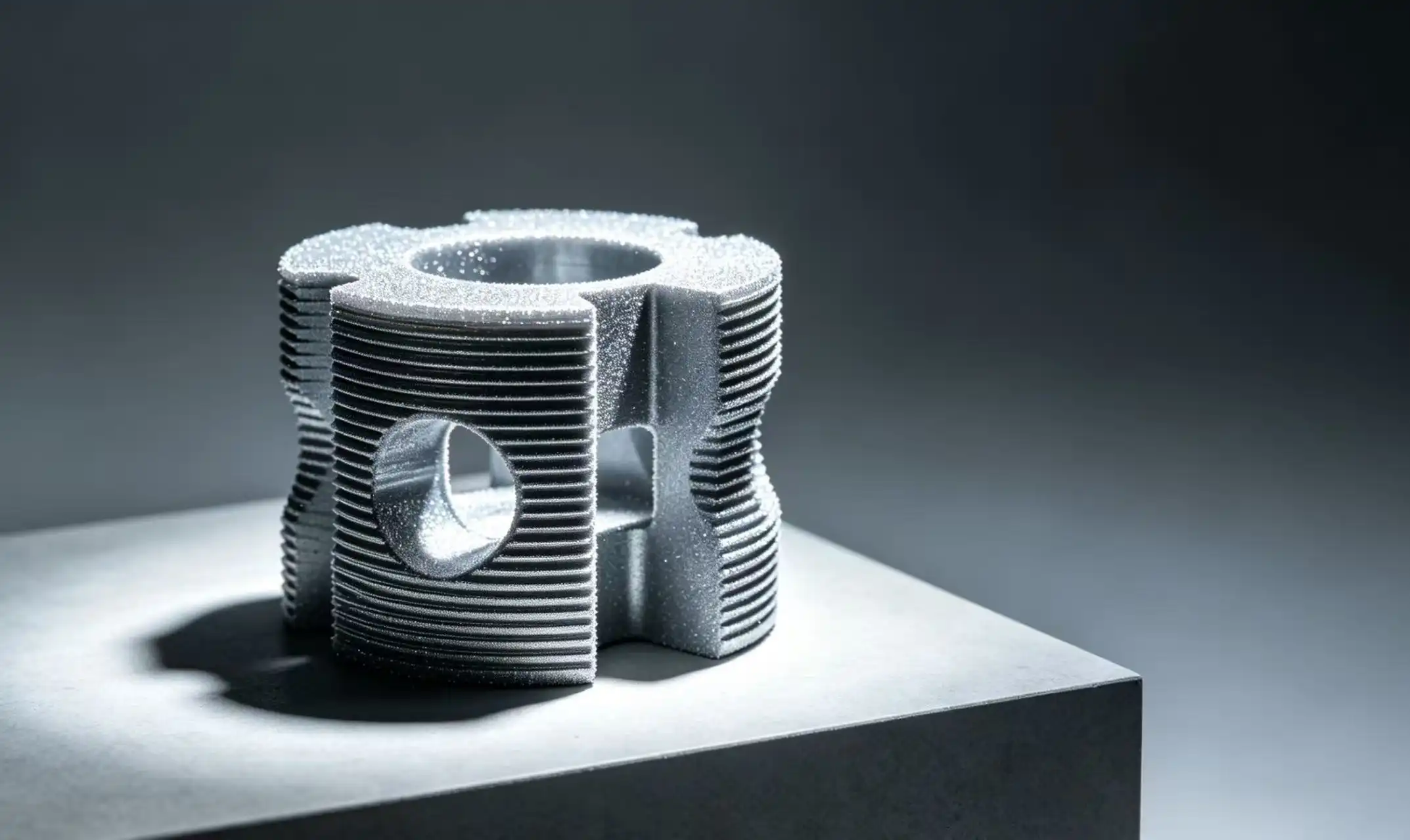
How SLS 3D Printing Addresses These Challenges
Selective Laser Sintering uses a completely different way of making things that gets rid of many of the problems that come with standard methods. A small layer of polymer powder is spread out on a build base to start the process. A strong laser only goes along the cross-section of the part, burning the powder particles until they stick together. The platform is then slowly lowered, a new layer of powder covers the surface, and the process starts all over again. This method of adding layers keeps going until the whole shape shows up buried in powder that hasn't been fused.
Because it doesn't need special tools, this technology is great for making small amounts of things. Since the laser path comes straight from CAD data, any changes to the design only need to be made to the files and not the actual tool. A company that makes industrial equipment can make changes to a custom housing design on Monday and have the new parts built by Tuesday. This cuts down on iteration processes from months to days.
The technology has a number of useful benefits that help buying teams deal with the main problems they face when they need to find low-volume end-use parts:
Elimination of Tooling Costs and Delays: Since SLS doesn't need molds or cutting tools to make things, it gets rid of the biggest fixed cost part of low-volume production. A biotech company that orders 50 specialized lab parts only pays for the materials, machine time, and processing. They don't have to pay for expensive tools that don't make sense for small orders. This changes the cost structure from having high set costs and low changeable costs to one where prices go up or down based on how much is bought.
Complex Geometry Without Cost Penalties: The laser sintering process makes geometry by adding pieces together, no matter how complicated it is. Lattice structures inside that make things lighter, organic ergonomic shapes, built-in snap-fits, and combined parts all cost the same to build as simple forms. A company that makes drones can add stiffening internal shaping that is adjusted without having to pay more for undercuts and complicated features that happen when machines or molds are used.
Material Properties Suitable for Functional Use: New materials have dynamic qualities that meet the needs of real-life applications. Powders made from nylon, like PA12, are very strong, don't react with chemicals, and last a long time. Isotropic strength means that a part's mechanical traits stay the same no matter how it was built or where the stress is applied. This is not the same as some added technologies where layer joining makes weak spots. This consistency is important for companies that make medical devices because they have to make parts that are inspected by regulators and work well in clinical settings.
Rapid Turnaround Supporting Agile Development: Depending on the difficulty of the geometry and the place in the queue, wait times are usually between 5 and 10 business days. This responsiveness makes it possible to grow in ways that would not be possible with standard manufacturing. Automotive engineers can try more than one version of a design in the same development sprint. This lets them collect proof data that helps them make further improvements without having to wait longer for the project to finish.
The Powder Bed Fusion Advantage
Because unsintered powder can stand on its own, it doesn't need the support frameworks that some other additive technologies do. Parts fit well inside the build volume, and complicated shapes with overhangs can be made without adding more material or using post-processing to get rid of supports. This directly leads to lower prices and faster supply of parts.
Material Versatility Across Applications
In addition to normal nylons, SLS can also be used to make glass-filled composites that are stiffer, flame-resistant materials for electronics cases, and special grades that meet biocompatibility standards. At BOEN Prototype, we keep a large library of materials so that buying teams can fit the properties of materials to the needs of applications without having to sacrifice performance because they don't have enough choices.
Production Scalability and Flexibility
SLS can handle production numbers ranging from a single prototype to several thousand parts without a big change in the cost per unit until bigger quantities make traditional methods more cost-effective. This adaptability is very helpful when there isn't enough information about how much of a product people will want or when providing both research and initial production from a single manufacturing source makes managing the supply chain easier.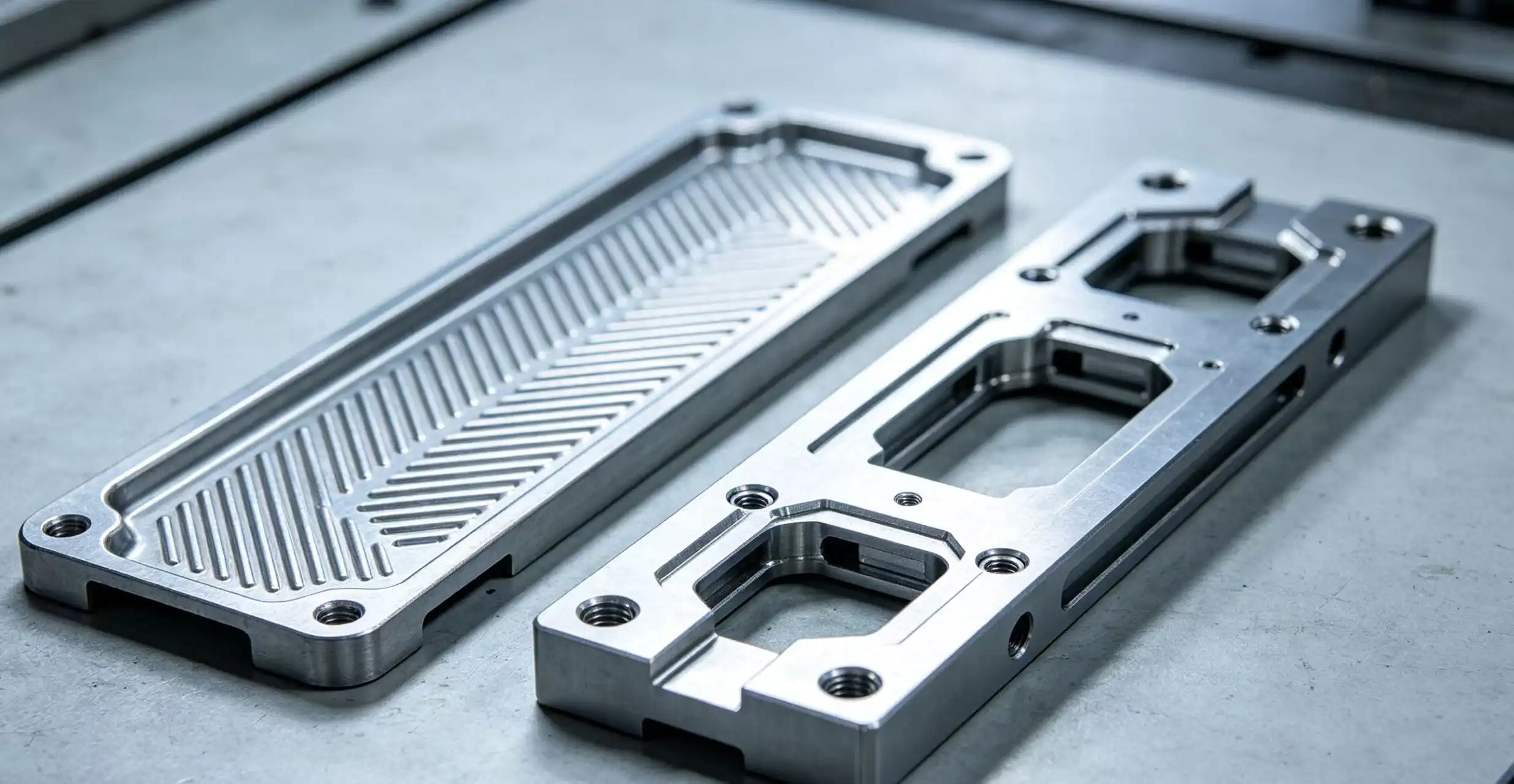
Key Use Cases and Industry Applications for SLS Low-Volume Parts
Laser sintering has real-world benefits that can be used in a wide range of business settings. Procurement teams can find chances in their own processes by looking at how other companies in the same industry use this technology.
Automotive and EV Development
Automotive OEMs and Tier-1 suppliers use SLS a lot to make sure that parts work properly while vehicles are being developed. Material qualities that can handle changing temperatures and mechanical stress are needed for interior trim pieces, HVAC ducts, sensor housings, and parts under the hood. Traditional testing methods don't always work to copy how production materials behave, which makes it hard to predict how well they will work in the real world. SLS fills in this gap by making test parts whose qualities are very close to those of final production parts.
The freedom of the technology is especially helpful for EV companies. As methods for managing heat change, battery enclosure parts, charge port assemblies, and engine housings can be improved over and over again. Being able to make 50 to 200 units of custom parts lets you build and test trial vehicles without having to commit to production tools before the plans are finalized.
Consumer Electronics and Smart Home Devices
Device makers are under a lot of pressure to get their goods to market as quickly as possible while also making them stand out through industrial design. SLS helps with this competitive environment by letting enclosure designs be changed quickly and by using real models that stakeholders can touch and evaluate to check for looks and ergonomics. Light bead blasting, coloring, and sealing are just a few of the post-processing methods that can be used to improve surface finishes.
Beyond aesthetics, practical needs are important. Electronics casings need to block electromagnetic interference (EMI), let heat escape properly, and have safe ways to connect parts. When smart home products were first introduced, design teams needed 100 to 500 housings for the first production runs while injection molding tools were being built. This parallel road approach cut the time it took to get into the market by months.
Medical Devices and Healthcare Applications
Biocompatibility, tracking, and quality control are very important in the medical field. When they are treated and finished correctly, SLS materials like PA12 can meet the biocompatibility standards of ISO 10993. Common uses include surgical tool handles, diagnostic device housings, lab equipment parts, and anatomical models that are special to each patient.
The economics of medical devices easily fit with low-volume production, since specialized equipment is usually only used by a small group of patients or for a narrow range of clinical purposes. A company that makes lab instruments might only need 300 unique sample holders a year. SLS can get these amounts to you quickly and cheaply while still meeting the legal requirements for accuracy in measurements and consistency in materials.
Robotics, AGV, and Automation Systems
Robot makers and system designers need structure parts that are strong, light, and have a lot of different shapes and angles. SLS can combine kits and improve shapes for performance rather than manufacturing ease, which helps AGV chassis parts, sensor mounting brackets, end-effector parts, and wire management systems.
Because robotics development is cyclical, it needs to be able to turn around quickly. Mechanical designs change to keep up with changes in control methods or sensor sets. Having a manufacturing partner that can deliver updated parts in days instead of months keeps the project moving forward and stops mechanical design from becoming the project's bottleneck.
Aerospace and UAV Components
Aerospace design choices are based on minimizing weight. Every gram that is taken away from a UAV's body makes it fly longer or hold more cargo. SLS lets you optimize the shape and make lattice structures that keep the structure's stability while reducing weight. This is used by drone makers to get parts for the airframe, the gimbal, and special attachment gear.
Small-batch production helps with tests for approval and making only a few items for specific uses. A company that makes aircraft parts and is trying new UAV landing gear designs can make 20 units to drop test and make sure they will last before starting to make more. This step-by-step method lowers both technical and financial risk.
Industrial Equipment and Custom Tooling
Manufacturers of specialized industrial tools often have to make unique parts in small enough amounts that they can't afford to make them in the usual way. Fixtures for production lines, special gauges, protective covers for machinery with unusual shapes, and replacement parts for old machines are all good uses for SLS.
Product design companies keep clients by giving them prototypes that are true to the end product's design. When the same manufacturing technology is used for both stages, the change from pilot to low-volume production usually goes smoothly. We've worked with design teams where SLS parts from the first round of idea testing were used as production parts for the first 18 months of a product's life.
Selecting the Right SLS 3D Printing Partner for Your Business Needs
There's more to picking a factory partner than just comparing prices. The way buying teams work with their sources has a big effect on how well projects turn out. This is especially true for technologies like additive manufacturing where process knowledge affects the quality of parts and how well they work in applications.
Technical Capabilities and Equipment Quality
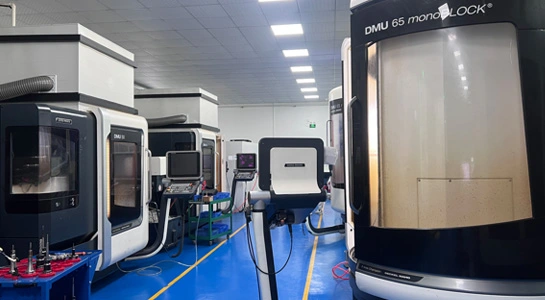
Not every SLS method gives the same effects. When compared to entry-level systems, industrial-grade equipment from well-known brands offers better temperature control, laser precision, and build stability. When procurement teams look at possible partners, they should ask about specific types of tools, how to maintain them, and how to calibrate them. At BOEN Prototype, we use industrial SLS systems that are kept up to maker standards. This makes sure that the quality of the parts is the same from one production run to the next.
Material Selection and Certification
There are big differences in how well materials work between powder sources and even between production lots. Reliable manufacturing partners get their materials from reliable providers and store them in a way that keeps powder from breaking down and absorbing moisture. There should be easy access to material certificates and data sheets that list the material's mechanical properties, thermal properties, and chemical protection. We keep detailed records on all of our materials and can offer certification packages that meet the needs of your quality management system.
Quality Management and Process Controls
Getting ISO 9001 approval shows that you follow the rules of quality management, but specific process controls are more important for real-world results. How well parts are documented, how they are inspected for dimensions, and how they are fixed all affect how often they meet standards. The people in charge of buying things should find out what kind of checking tools are used, where quality checks are done during production, and what happens when something doesn't meet standards.
Industry Experience and Application Knowledge
A factory partner with knowledge in the same field can add value beyond just being able to make things. Collaboration works better when people know how validation testing for cars works, what rules medical devices have to follow, and which material qualities are most important for robots uses. We've helped develop products in the industrial, medical, aircraft, consumer electronics, and automobile sectors, gathering information that helps engineering teams avoid common mistakes and make designs that work best.
Communication and Project Management
Responding quickly and being honest are two things that set great production partners apart from good ones. Partnerships, not just transactional vendor relationships, are formed when there is clear communication about wait times, early warning of possible problems, and working together to solve them. During the quote process, procurement teams should look at the quality of contact as a sign of the quality of ongoing project support.
Pricing Structure and Value Proposition
While cost matters, the lowest quote rarely delivers the best value. Understanding the different parts of prices helps buying teams compare prices in a smart way. The total price includes the cost of materials, the time it takes to run the machine, the time needed for post-processing, and the cost of shipping. As batch efficiency goes up, volume savings usually start to apply at certain levels. Below are the clear breakdowns of our prices at BOEN Prototype. We also work with buying teams to find ways to save money by improving designs or combining orders.
Conclusion
Chosen Laser Sintering has grown up and become a technique that can be used in mass production. This changes the costs and possibilities of making things in small quantities. SLS solves the main problems procurement teams face when they need to find small amounts of end-use parts: it doesn't need any tools, it can handle complicated geometries, and it can deliver useful material qualities quickly. The technology's wide range of uses in robotics, consumer goods, aircraft, automotive, and other industries shows how useful it is for solving modern manufacturing problems. When companies carefully add SLS to their supply chains, they gain a competitive edge through faster development processes, lower inventory costs, and better design tools.
FAQ
What materials are available for SLS production, and how do they compare to injection-molded plastics?
Different nylon-based polymers, such as PA12 and PA11, are standard SLS materials. They have great mechanical properties, chemical protection, and longevity. Glass-filled versions are stiffer and more stable in their dimensions, and flame-resistant versions meet UL94 standards for use in electronics. The strength and longevity of these materials are about the same as those of many injection-molded thermoplastics. However, they have isotropic qualities and don't have any mold lines or gate witnesses. At BOEN Prototype, we keep a wide range of materials on hand to meet the needs of any purpose.
How does SLS compare to other additive technologies like SLA or FDM for functional parts?
SLS makes parts that are stronger than most FDM parts and doesn't need support frameworks like SLA does, which cuts down on the time needed for post-processing. The powder bed supports itself while it's being built, which makes it possible to build complicated shapes quickly. SLS is better for useful end-use applications because the materials last longer than normal photopolymer resins used in SLA. While FDM can work with some industrial thermoplastics, it usually has uneven qualities and noticeable layer lines that SLS gets rid of.
What lead times should we expect for low-volume SLS production runs?
Typical lead times range from 5 to 10 business days depending on the complexity of the part, the amount, and the current production queue. When needed, rush services can sometimes work with shorter deadlines. Because no tools need to be made, production can start as soon as the plan is approved, instead of waiting 6 to 12 weeks for the tools to be made using traditional methods.
Transform Your Low-Volume Production with Expert SLS Manufacturing
BOEN Prototype can help you with your low-volume end-use part needs because they have decades of experience in precision production and additive manufacturing. Our industrial-grade tools, wide range of materials, and years of experience in the medical, aircraft, robotics, and consumer electronics industries make sure that your project gets the professional support and care it needs. Our team gives your supply chain the quality, speed, and dependability it needs, whether you need 50 working samples for validation testing or 500 production parts to get to higher-volume production.
Connect with our engineering team at contact@boenrapid.com to talk about the needs of your particular application. We'll look at your designs, tell you what materials and methods will work best, and give you clear pricing that shows how SLS technology can help your buying strategy. As a reliable SLS maker that works with top companies all over North America, we know the challenges that procurement managers face and can help you stay competitive by reducing costs, speeding up time-to-market, and improving design skills.
References
Gibson, I., Rosen, D., & Stucker, B. (2021). Additive Manufacturing Technologies: 3D Printing, Rapid Prototyping, and Direct Digital Manufacturing (3rd ed.). Springer International Publishing.
Schmid, M., & Wegener, K. (2016). Additive Manufacturing: Polymers Applicable for Laser Sintering. Procedia Engineering, 149, 457-464.
Goodridge, R. D., Tuck, C. J., & Hague, R. J. M. (2012). Laser Sintering of Polyamides and Other Polymers. Progress in Materials Science, 57(2), 229-267.
Wohlers, T., & Gornet, T. (2022). Wohlers Report 2022: 3D Printing and Additive Manufacturing Global State of the Industry. Wohlers Associates.
Kruth, J. P., Levy, G., Klocke, F., & Childs, T. H. C. (2007). Consolidation Phenomena in Laser and Powder-Bed Based Layered Manufacturing. CIRP Annals - Manufacturing Technology, 56(2), 730-759.
Berman, B. (2012). 3-D Printing: The New Industrial Revolution. Business Horizons, 55(2), 155-162

How Can We Help?

Your Trusted Partner in Rapid Manufacturing.