Metal Stamping Solutions for Low-Volume and Short-Run Production
Metal stamping is a flexible cold forming method that uses controlled force and special dies to turn flat pieces of metal into exact parts. This way of making things is very flexible for low-volume and short-run production, and it doesn't require huge expenses up front in tools infrastructure. Auto prototyping teams, medical device makers, and robotics manufacturers are all looking for cheaper ways to make a lot of things, and we're seeing that demand grow. If you know how to use current stamping methods, you can cut the time it takes to make a product by a huge amount while still keeping tight standards and quality across smaller batches. This method works perfectly with the flexible manufacturing needs of today's innovation hubs that move quickly.
Understanding Metal Stamping for Low-Volume Production
What Makes Metal Stamping Ideal for Smaller Batches
Metal stamping uses precise dies and presses to firmly make sheets of metal into the forms that are needed without melting the metal itself. The process includes different methods, such as cutting, blanking, bending, and embossing, and each one meets different artistic needs. When we work with sourcing teams to make prototypes or small batches, we stress that the cold-forming process of stamping keeps the integrity of the material while making complex shapes. This way of making things is especially helpful for EV startups that want to try out new part designs or for consumer electronics companies that want to make multiple samples of enclosures before committing to making mass production tools.
Common Techniques Used in Short-Run Applications
Blanking is the process of cutting precise forms out of sheet stock. This sets the basic structure for further processing. When you bend something, you make angles and internal ribs that make the part more stiff. Embossing makes designs that are raised or sunken and can be used for function or style reasons without taking away any material. Progressive die stamping is usually done in large quantities, but flexible tooling methods that lower setup costs can make it work for shorter runs. When it comes to speed, accuracy, and edge quality, these methods can handle a wide range of materials, from aluminum and stainless steel to brass and copper alloys, in a way that laser cutting or waterjet processes can't.
Material Selection Considerations
Material choice has a direct effect on both how easy it is to make the part and how well it works in the end. Aluminum is often used for aircraft prototypes and lightweight robotics structures because it is easy to shape and doesn't rust. Stainless steel types are biocompatible, which is important for medical device uses, but they need stronger tools and higher making forces. Brass is a great material for electronic casings and contact parts because it conducts electricity very well. In addition to mechanical traits, we also look at how thick the material is in relation to how complicated the part is. Thinner gauges can handle smaller bend radii but may not be as stiff structurally, while thicker sheets make parts last longer but require more tool wear and forming force.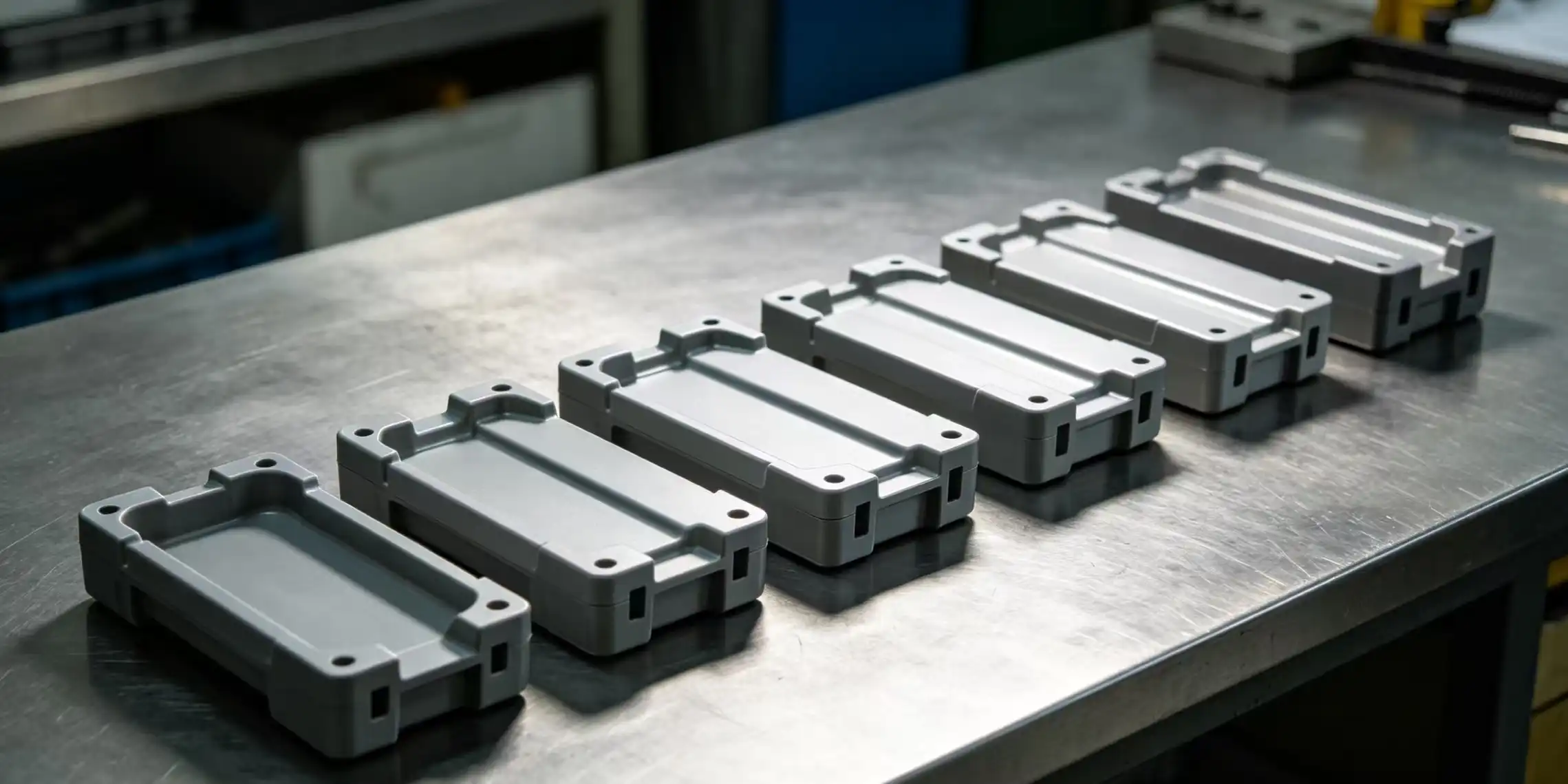
Challenges & Solutions in Low-Volume Metal Stamping Production
Addressing Tooling Cost Concerns
Traditional hard tooling is a big problem for low-volume projects because the cost of the dies can't be spread out over thousands of pieces. We deal with this problem by using flexible tooling methods that strike a balance between cost-effectiveness and longevity. Soft casting with polyurethane or composite materials works well for prototype proof runs of less than 500 pieces. This lets the design be improved without having to spend a lot of money on new equipment. With modular die systems and inserts that can be switched out, configurations can be changed between production runs. This way, the same base infrastructure can be used for more than one project. New developments in additive manufacturing have made it possible to make 3D tool inserts for very small-scale custom jobs where traditional machining would be too expensive.
Managing Lead Time Expectations
Timelines for short-run production are often tight and don't allow for long plans for making tools. We've used a number of methods to speed up job performance. Computer-aided design merging lets engineers work on both parts and tools at the same time, so there are no delays between them. With our CNC milling skills, we can quickly make dies with complicated shapes that can't be done quickly by hand. Keeping a stock of standard die bases and parts lowers the need for special fabrication to features that are unique to the project. These methods often shorten development processes from weeks to days. This is especially helpful for testing labs that need to make sure the functionality of a product or for R&D teams that are looking at different design versions at the same time.
Ensuring Quality Consistency
Smaller production numbers don't have the statistical process control benefits that come with mass production, where differences between thousands of pieces are spread out and become less noticeable. As a way to make up for it, we've improved our inspection procedures and process tracking. Coordinate measure equipment is used to check all the dimensions of every small batch. This way, any errors are found before they spread through production. Each shipment comes with material approval paperwork, which is very important for medical and aircraft uses that need to be able to track things very precisely. When we help drone or AGV makers, we know that even small batches may contain mission-critical parts where failures of a single part can have big effects, which is why we take strict quality control measures.
Real-World Application: Automotive Lighting Housing Development
An electric vehicle (EV) company came to us and asked for 300 sample lighting housings to be tested for safety. In the past, quotes for stamping needed minimum orders of more than 5,000 units and wait times of eight weeks. We came up with a hybrid solution that kept the design purpose while making the tooling simpler. It included CNC-machined metal dies with reduced shape. Within 12 days, the project provided working prototypes at a cost that was about 40% less than what was offered for other options. After testing, changes to the design only needed insert replacements instead of a full die refabrication. This allowed for two more iteration rounds that were still within the client's certification schedule. This adaptability turned a possible program block into an edge in competitive growth.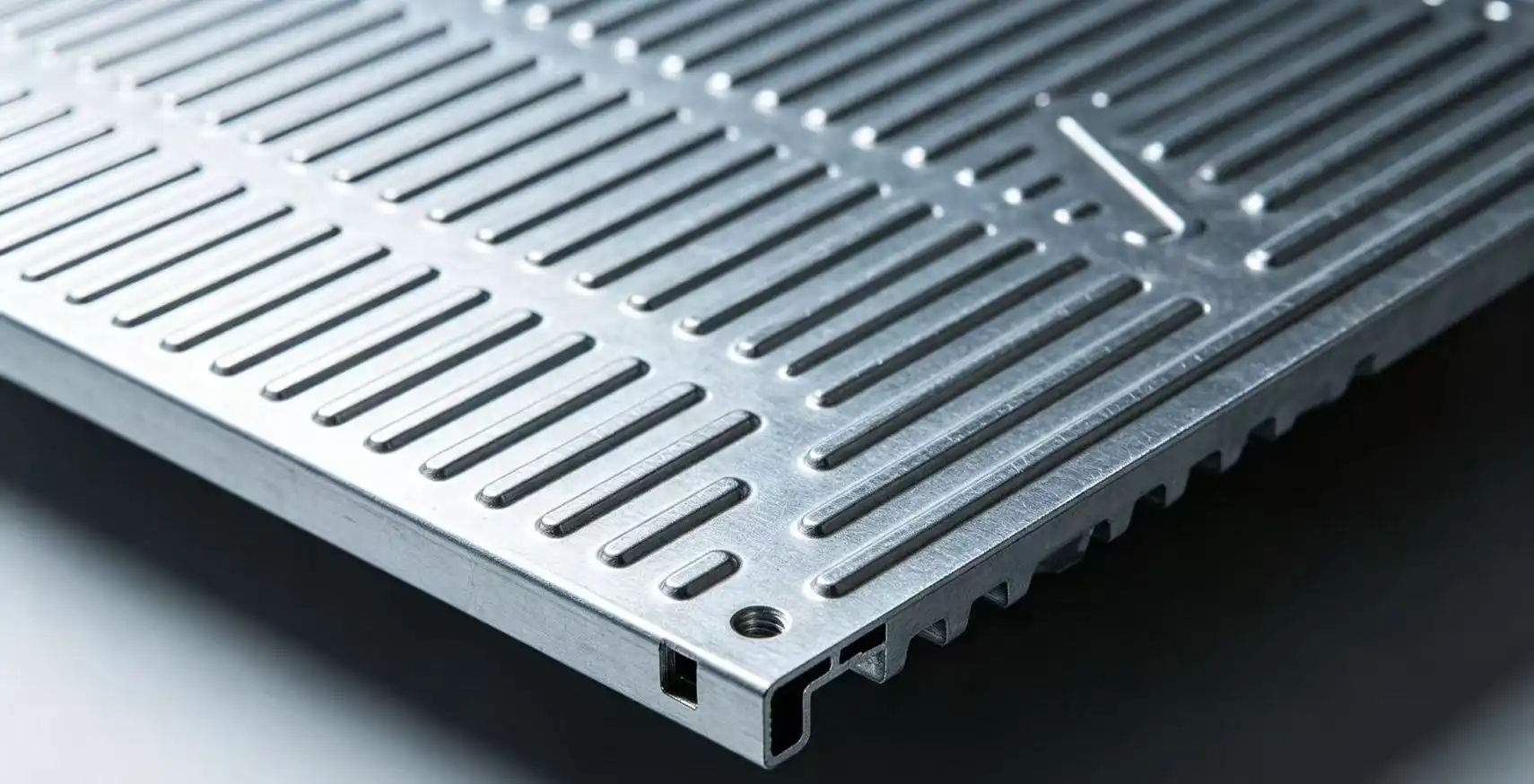
Comparing Metal Stamping Solutions for Short-Run Production
Metal Stamping Versus CNC Machining
CNC cutting removes material from solid billets to make parts. It gives you a lot of physical freedom without the need for special tools. But this subtractive method makes a lot of waste, which is a big problem when working with expensive materials like titanium or special metals. When you machine something, you can also make directional grain patterns that can lead to stress collection places. Metal stamping makes parts that follow the natural grain patterns of the material, which improves structural stability and makes better use of sheet stock. For companies that make medical devices that need ergonomic handles or biotech companies that need to make sample cases, stamping offers better material return rates that lower costs and damage to the environment for batches of 50 to 5,000 units.
Advantages Over Laser Cutting and Fabrication
Laser cutting is great for making flat patterns with complicated curves, but it needs extra steps to make three-dimensional shapes. Metal stamping combines the steps of shaping and cutting, which cuts down on the costs of handling and labor. Edge quality varies a lot. Laser-cut parts have heat-affected areas that need to be deburred, but stamping dies that are properly made make clean chopped edges that don't need much finishing. When industrial design companies need to make cases for consumer goods that have both nice-looking surfaces and useful mounting options, combined stamping operations get rid of the alignment mistakes that come with using more than one process to make the case. We think this is especially helpful for smart-home product designers who have to balance how the products look with how quickly they can be put together.
Comparison with Casting and Forging Methods
Die casting is good for complicated shapes with inside holes, but you have to order a lot of it in order to cover the cost of the mold and the time it takes to set up. Forging is very strong, but it doesn't have the precise standards that can be achieved with metal stamping without expensive extra machining. Sheet metal forming usually keeps tolerances within ±0.005 inches for most shapes, which is good enough for robotics structure parts and automation system frames that don't need any extra work. System integrators like cast parts because they come ready to put together, which makes the supply chain simpler. Investment casting could make similar shapes, but it takes weeks to make the patterns and set up the schedule for the foundry, which doesn't work with the flexible development schedules used in the robotics and UAV industries.
How to Choose the Best Metal Stamping Partner for Low-Volume Runs
Essential Certification and Quality Standards
Getting ISO 9001 approval shows that you follow the structured quality management practices that are needed for consistent results. Manufacturers of medical parts should make sure that any possible partners follow the rules set by ISO 13485 for healthcare uses. This is to make sure that there is proper paperwork for material traceability and process validation. For aerospace jobs, you need to have AS9100 certification, which shows that you know how to meet strict quality standards and follow special inspection procedures. In addition to certifications, you should look at real quality paperwork from past projects. Dimensional reports, material certifications, and process capability studies are better ways to find out how well a project can be carried out in real life than certificates alone. Aviation component makers who are trying to get FAA approval need partners who know how to deal with the requirements for compliance paperwork during the certification process.
Evaluating Technical Capabilities and Equipment
Servo presses that can be programmed and offer exact tonnage control and position monitoring should be used in modern metal stamping processes. This technology lets complex forming processes happen that aren't possible with regular mechanical presses. This opens up more design options for robot makers who need parts that are both lightweight and structurally sound. CNC-controlled casting makes sure that the same thing is done in production runs that are spaced out by weeks or months, which is very important for supporting stepwise prototype development. The ability to do both die casting and vacuum casting in the same building gives manufacturers more options as projects move from prototypes to production. This keeps quality risks and planning costs to a minimum and eliminates the need to switch vendors. We combined these two methods that work well together so that we can help clients through the whole development journey.
Design Support and Engineering Collaboration
The most successful ties go beyond just selling goods to each other and include working together on tech projects. Before going into production, experienced stamping partners look for design flaws that make it harder to make the tools or make the metal less flexible. Early input during the CAD development phase stops expensive redesigns that are found while the tools are being made. When working with product design firms that are making consumer gadgets, we give them design-for-manufacturability advice that strikes a mix between how the product should look and how it can be made. Rapid development with 3D printing or soft casting lets designers test ideas before they spend money on production dies. This lowers the technical risk for Tier-1 suppliers who are putting out new car interior parts. This consultative method speeds up progress while avoiding delays that could have been avoided.
Value-Added Services That Enhance Outcomes
Having all of the post-stamping processes in one place makes planning and quality control easier. Surface processes like powder coating, anodizing, or electroplating protect parts while making them look better, which is especially important for consumer products that people will see. Services like threading, hardware placement, and sub-assembly make parts that are ready to be installed instead of free parts that need to be handled more. Functional validation testing labs like getting fully finished prototypes that correctly show how the product will be used in the end. Integrating secondary operations gets rid of gaps in traceability and simplifies the supply chain, which is very important for drone companies and aircraft engineering teams that need to meet approval paperwork standards.
Best Practices and Design Tips for Low-Volume Metal Stamping Projects
Simplifying Geometry for Cost Efficiency
Tooling costs and production time go up a lot when the shape of the part is complicated and needs more than one stage of making or features that need to be very precise. We help our customers simplify their designs in a way that meets their useful needs and makes them easier to make. Large bend angles lower material stress and make springback less unpredictable, which improves stability in dimensions across batches. Uneven wall thickness stops troublesome material flow during forming, which stops flaws like thinning or wrinkles. When people working on AGVs need structural frame parts, we suggest adding fastening features using formed tabs instead of extra machining. This cuts down on the number of steps needed to make the product and keeps the positional accuracy. These improvements are especially useful when funds for tools need to cover more than one trial version.
Material Thickness and Tolerance Specifications
When choosing a sheet thickness, you have to weigh the needs of the structure against the limitations of the form and the cost of the material. Thinner gauges (less than 0.040 inches) can handle tighter bend angles and more complex shapes, but they might not be stiff enough for load-bearing uses. Materials that are thicker than 0.125 inches are very strong, but they cost more because they need higher volume presses and stronger tools. Instead of defaulting to too tight of values, tolerance standards should be based on real functional needs. We've seen that lowering non-critical dimensions from ±0.005 inches to ±0.010 inches can make tools much simpler without affecting how well they put together. This is especially useful for companies that make industrial equipment where durability is more important than precise surface finishes.
Leveraging Rapid Prototyping for Validation
Before investing in production tools, physical samples are used to test design ideas. As soon as we get your CAD files, our SLA and SLS 3D printers make working models that you can use to test fit, comfort, and assembly processes. Medical device companies that are making ergonomic handheld tools can use physician feedback early on so that they can make changes without spending a lot of money. Using simple dies and soft tooling methods, real metal prototypes are made, proving material behavior and surface finish characteristics that can't be copied by plastic prints. This repeated validation process is especially helpful for biotech R&D teams that need to test the biocompatibility and cleaning compatibility of parts with real production materials before committing to expensive hard tools.
Collaborative Engineering from Concept Through Production
Including production partners in the early stages of planning avoids problems later on that cause delays and cost overruns. We often go through design reviews with car OEMs and Tier-1 suppliers to find ways to improve the selection of materials or the combination of parts. Early teamwork shows when different methods, such as compression molding or die casting, might work better for certain tasks. This makes sure that clients get fair advice instead of recommendations that are biased by the process. This collaborative relationship lasts through multiple test versions, increased production, and eventually moving to higher numbers if the market demands it. Device makers and industrial design companies like this relationship style because it can change based on the needs of the project over the course of the product's existence.
Conclusion
When combined with the right tooling methods and industrial know-how, metal stamping offers strong benefits for small-scale and short-run production. The process blends accuracy, efficient use of materials, and structural integrity in a way that other ways of making things are hard to match within the same time and price limits. To be successful, you need to find partners who understand the unique challenges of small-batch production, such as balancing the costs of tools with the economics of the project, keeping quality consistent without high-volume statistical advantages, and working together with engineers to make designs that are easy to make. Modern stamping solutions turn rigid high-volume processes into adaptable tools that enable quick market reaction and innovation, whether they are used to make prototypes for car validation, medical device parts, or aerospace test articles.
FAQ
How do tooling costs scale with order quantities in short-run production?
Tooling has a set cost that is spread out over all the parts that are made. Soft tools or simpler dies require less money up front, but they might limit the number of products that can be made before they run out and need to be replaced. Hard tooling has higher start-up costs but can make thousands of pieces. It starts to make economic sense after about 1,000 units, but this depends on how complicated the design is. We help our clients guess how many items will be needed over the course of a product's life. Based on realistic volume predictions instead of hopeful ones, we suggest tooling methods that keep combined tooling and per-piece costs as low as possible.
What lead times should I expect for prototype metal stamping projects?
After the design is approved, simple parts made with soft tools can be shipped in 7–10 business days. For complicated shapes that need CNC-machined hard dies, it usually takes 3–4 weeks to make the tools and then production time. When a job needs to be done quickly because of its importance, rush services can cut down on schedules by about 40%. During quoting, it's important to be clear about tolerance requirements, material specs, and finishing needs. This keeps finding delays from happening, which can suddenly push back delivery dates.
Are metal stamping processes environmentally sustainable?
Compared to subtractive machining, stamping produces very little waste, with scrap rates usually below 15% thanks to smart nesting and material utilization strategies. Since it hasn't been mixed with other materials or soiled with cutting fluids, stamping scrap can still be recycled easily. Modern automatic presses use a lot less energy than hydraulic systems, which is better for the earth. Choices of materials also affect ecology. For example, metal and steel both have a lot of recycled content and can be recycled over and over again without losing any of their properties.
Partner with BOEN Prototype for Your Metal Stamping Requirements
At BOEN Prototype, we recognize that low-volume production demands flexibility without compromising quality or delivery commitments. Our integrated production skills include metal stamping, CNC machining, rapid injection molding, and die casting. This lets us suggest the best solutions for your project needs instead of pushing applications to work with just one process. As part of hundreds of successful projects, we've helped automakers validate engine components, medical device makers get biocompatibility certification, and robotics developers go from an idea to a working prototype faster.
Our engineering team works with you throughout the whole development process and offers design-for-manufacturability advice that keeps you from having to make expensive changes and improves both the performance of the parts and the efficiency of production. Whether you need 50 prototype enclosures for testing consumer electronics or 500 precise brackets for flight certification, we can provide the same high quality with all the inspection records and material tracking that demanding uses need.
Connect with our specialists at contact@boenrapid.com to discuss your project requirements. We'll provide transparent guidance on process selection, realistic timeline expectations, and comprehensive proposals that help you make informed procurement decisions. As a seasoned metal stamping company that works with a wide range of industries across the US, we know that your success depends on partners who do what they say they will do, when they say they will do it, and without any surprises that throw off carefully planned development plans.
References
Kalpakjian, S. and Schmid, S. (2014). Manufacturing Engineering and Technology. Pearson Education Limited, 7th Edition.
American Society of Metals International. (2006). Metalworking: Sheet Forming (ASM Handbook, Volume 14B). ASM International Handbook Committee.
Schuler GmbH. (1998). Metal Forming Handbook. Springer-Verlag Berlin Heidelberg.
Boljanovic, V. (2004). Sheet Metal Forming Processes and Die Design. Industrial Press Inc.
Lange, K. (1985). Handbook of Metal Forming. Society of Manufacturing Engineers.
Altan, T. and Tekkaya, A. (2012). Sheet Metal Forming: Processes and Applications. ASM International Materials Park.

How Can We Help?

Your Trusted Partner in Rapid Manufacturing.