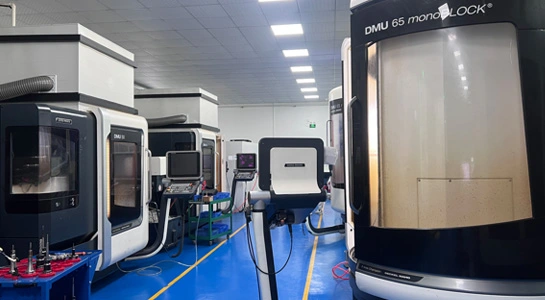
CNC Machining vs 3D Printing: Cost Comparison
When evaluating manufacturing options for prototyping and low-volume production, understanding the cost dynamics between CNC machining and 3D printing becomes crucial for procurement professionals. CNC machining, a subtractive manufacturing process, removes material from solid blocks using computer-controlled cutting tools, while 3D printing builds parts layer by layer through additive manufacturing. Both technologies offer distinct advantages depending on your specific requirements, material choices, and production volumes. The cost comparison between these methods involves multiple variables including setup expenses, material costs, labor requirements, and post-processing needs that directly impact your project budget.
Understanding CNC Machining and 3D Printing Technologies
The Fundamentals of CNC Machining
That's what CNC stands for: computer numerical control. CNC means that cutting tools used in manufacturing are run by computers. Software and G-code directions that have already been programmed into these complex tools control exact movements and cutting operations without any help from a person. Different subtractive methods, such as milling, turning, and cutting, are used to turn solid blocks or pieces of material into finished parts.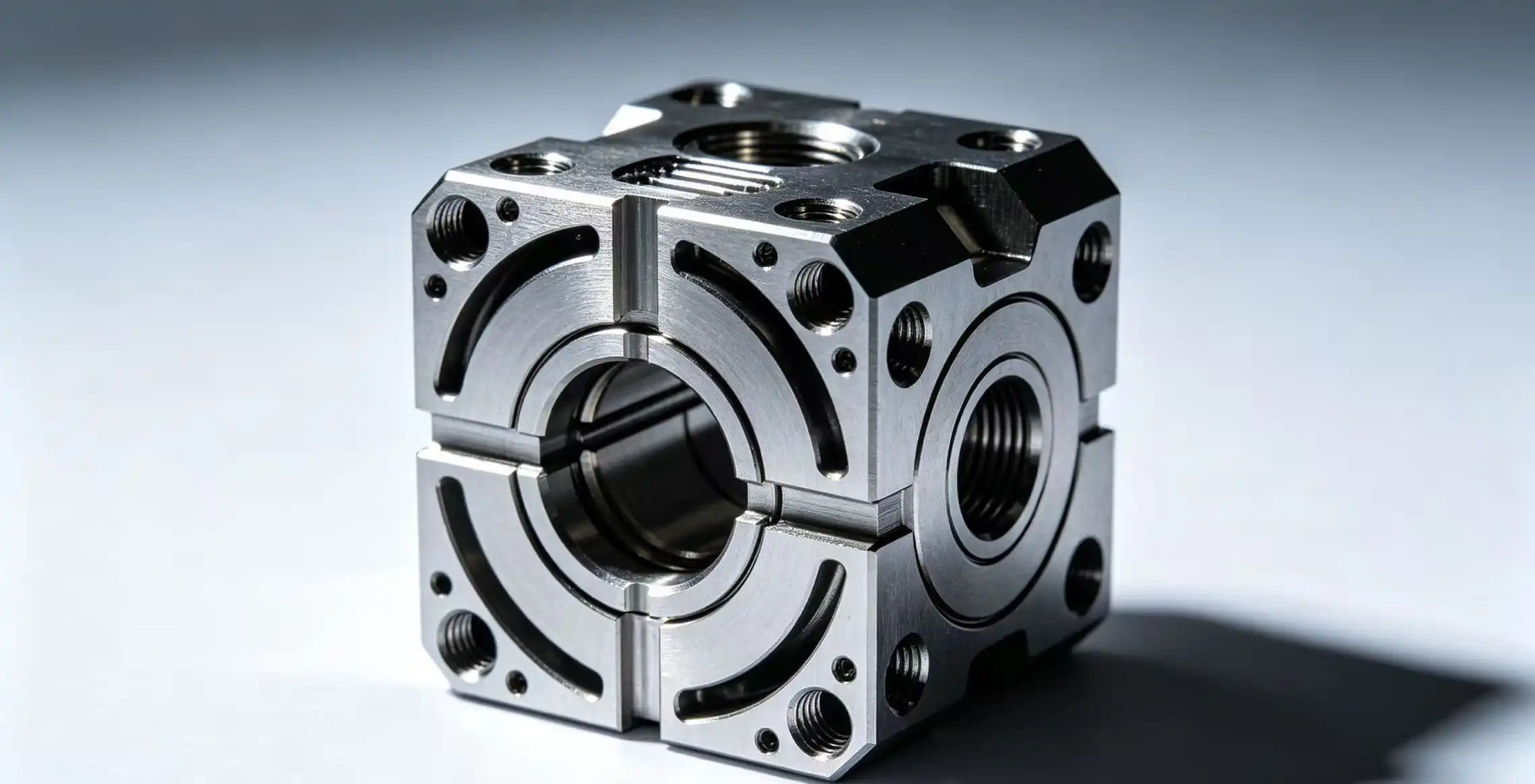
CNC machining is perfect for businesses that need sturdy, high-tolerance parts because it is very accurate and consistent across production runs. It works really well with metals like titanium, steel, and aluminum, as well as industrial plastics like PEEK and Delrin. CNC machines today can make tolerances as small as ±0.001 inches, which makes them essential for medical devices, aircraft parts, and precise car parts.
3D Printing Technology Overview
3D printing, which is also called additive manufacturing, uses thermoplastics, photopolymers, metal powders, and mixed materials to build parts layer by layer. This technology is great at making complicated shapes that would be hard or impossible to make with normal cutting methods. With the layer-by-layer method, you can make internal pathways, lattice structures, and organic forms without having to pay extra for tools.
Many of the geometric limits that come with subtractive manufacturing are not present in the additive process. This lets engineers create parts with fully integrated systems and better material distribution. Different technologies, such as Selective Laser Sintering (SLS) and Stereolithography (SLA), offer different surface finishing and material qualities. This makes 3D printing especially useful for making quick prototypes and small batches of products.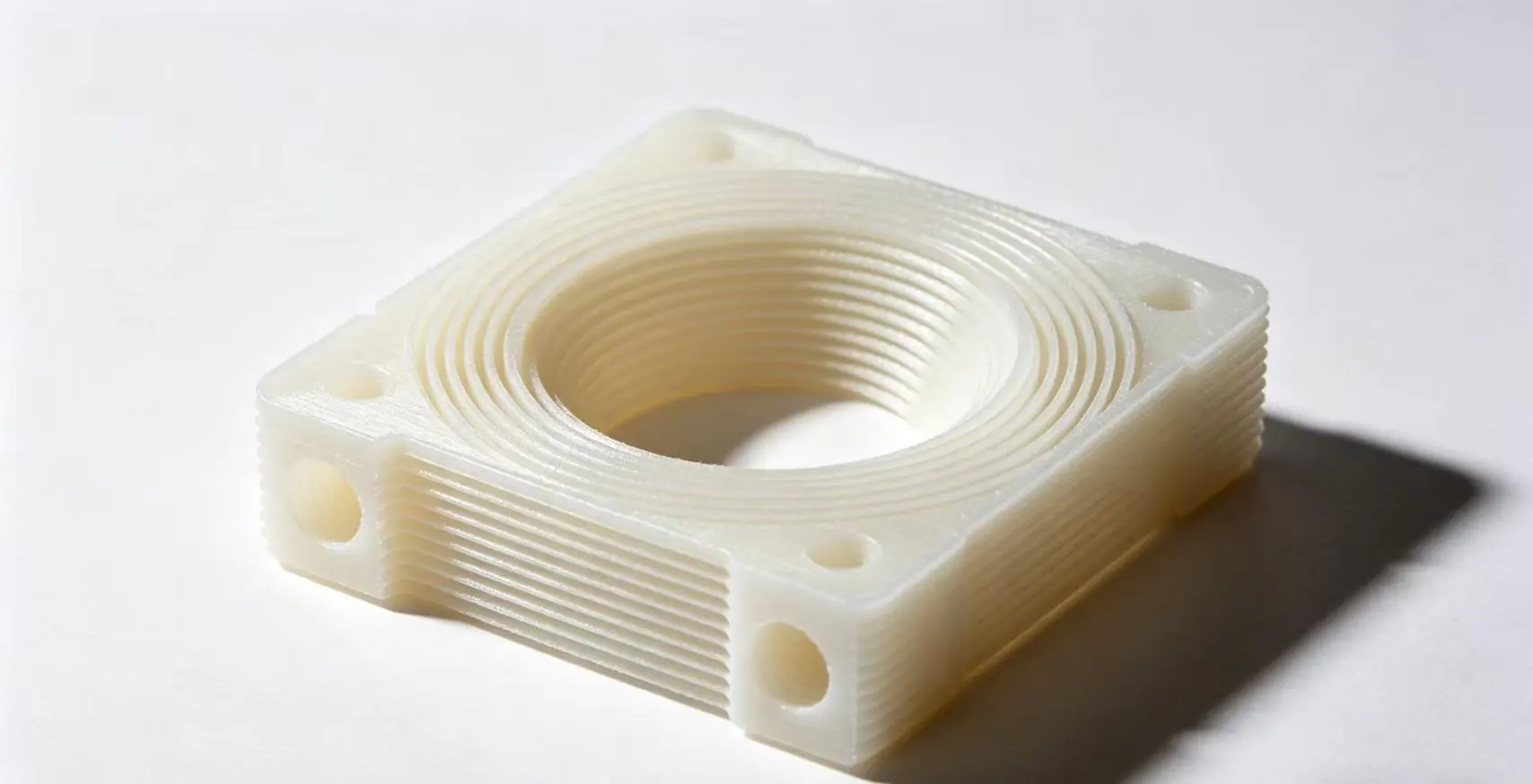
Key Technological Distinctions
These technologies are fundamentally different in more ways than just how they are made. For complicated shapes, CNC machining usually takes a long time to set up, prepare the tools, and create the fixtures. But once they are set up, these tools can make similar parts very quickly and consistently. When chips and pieces are taken away from the original stock, they become material trash.
On the other hand, 3D printing reduces waste by only using the material needed for the end part and any support structures that are needed. Setup times are usually faster because all that needs to be done is prepare the digital file and calibrate the machine. But layer adhesion, print direction, and support removal can change the qualities and dimensions of the final part.
Cost Factors in CNC Machining and 3D Printing
CNC Machining Cost Components
Procurement workers can make better budget choices when they know how CNC machining costs are structured. A big chunk of the total cost is made up of setup costs, especially for complicated items that need special fittings and tools. Some of these one-time costs are workholding devices, cutting tools, and programming time. Depending on the complexity of the part, these costs can run from a few hundred dollars to several thousand dollars.
Machine time is directly related to how complicated the part is and how much material needs to be removed. Cutting harder materials like titanium or stainless steel needs to be done more slowly and tools need to be changed more often, which increases the cost of both the machine time and the tools. Skilled machinists are needed for setup, tracking, and quality control, and their wages are higher for specific tasks.
The price of materials changes a lot depending on the type, size, and quantity of the stock. Standard materials, such as aluminum 6061 and steel 1018, are priced fairly. However, rare alloys and approved materials used in aircraft or medicine are more expensive. How well you use materials depends on how you nest your parts and how you optimize your stock.
3D Printing Cost Structure
When it comes to costs, 3D printing is very different from standard machining. The most changeable cost is the cost of materials. Specialty plastics, metal powders, and biocompatible resins are much more expensive than standard materials. Multiple parts can often be made at the same time within the build volume, but how the print bed is used affects cost efficiency.
A part's volume, layer height, and filling density choices affect how much it costs to run the machine. Print times are relatively longer for parts that are taller, and solid parts use more material and time than hollow forms. The support removal, surface cleaning, and curing steps that are needed after processing add to the costs.
Choosing the right technology has an effect on the total cost. For example, industrial-grade systems offer better accuracy and material choices, but they cost more to run. Desktop units are a cheap way to make simple prototypes, but they might not be accurate enough or compatible with all materials for useful testing.
Hidden Cost Considerations
The total cost of ownership for both ways of making things is affected by a number of secondary costs. Maintenance, testing, and downtime for equipment are constant costs that vary by technology. On a regular basis, CNC machines need new tools, spindle upkeep, and precision checks. On the other hand, 3D printers need new consumables, bed leveling, and print head service.
When tolerances get tighter, the prices of quality control and testing go up. Parts that are CNC made usually meet the requirements of the drawing right out of the machine, while parts that are 3D printed might need extra finishing to get the same surface quality and accuracy in size. Iteration costs for design changes usually favor 3D printing because it is digital-first and doesn't need much setup.
In-Depth Cost Comparison: CNC Machining vs 3D Printing
Production Volume Impact on Costs
For each technology, the link between the number of parts made and the cost of each one shows different trends. With CNC machining, setup costs are spread out over longer production runs, which leads to big savings. Individual parts are very pricey because single samples have to pay for all of the code, tooling, and setup costs. But once production starts, marginal costs go down a lot because of the high rate of material removal and the fact that the whole process is mechanized.
3D printing has a more straight cost structure, which means that the cost of material and machine time for each part is the same no matter how many are made. Because of this, additive manufacturing is a very cheap way to make prototypes and small amounts of products. Between 50 and 500 parts, based on the complexity of the part, the choice of material, and the size needs, the break-even point usually happens.
Batch production methods have another effect on how costs change over time. Fixture tuning and tool path efficiency improvements help CNC machining work better on many parts. 3D printing can use build volume optimization to print multiple parts at once, which cuts down on the time and energy needed to make each part.
Material Selection and Cost Implications
Choosing the right materials has a big effect on how much different ways of making things cost. When it comes to 3D printing, standard industrial plastics like ABS and PLA offer reasonable prices compared to cutting the same plastic parts from solid stock. Metal 3D printing materials, on the other hand, often cost more than made options, especially for popular alloys like steel and aluminum.
CNC machining lets you use a wider range of approved materials that have known qualities and can be tracked. Standard stock amounts of aerospace-grade aluminum, medical-grade stainless steel, and FDA-approved plastics are easy to find. The loss of materials that comes with subtractive manufacturing isn't as big of a deal when the number of parts makes efficient nesting techniques unnecessary.
When it comes to costs, specialty materials show how different methods work. You can use high-performance plastics like PEEK and PEI for both CNC machining and 3D printing. However, the total costs are different depending on how the materials are processed and the shape of the parts. For machining these materials, you need special tools and slower cutting speeds. For 3D printing, you might need hot rooms and controlled atmospheres.
Lead Time and Budget Impact Analysis
Through potential costs and development costs, time-to-market has a direct effect on project funds. When design changes are made often during fast development, 3D printing works very well. With digital files, you can make changes and get new parts within hours or days. This is very useful for projects with tight deadlines.
Lead times for CNC machining depend a lot on how hard it is to set up and how many machines are available. Most of the time, simple parts can be made within days, but complicated parts that need special tools may take weeks to give. CNC machining, on the other hand, can make a lot of things much faster than 3D printing once the production tools are set up.
Different technologies have different costs for rush orders and faster shipping choices. Most of the time, 3D printing services can meet urgent needs by prioritizing print lines. On the other hand, CNC machining may need extra workers and faster equipment acquisition, which can lead to big price increases.
Making the Right Choice for Your Procurement Needs
Critical Decision Factors
To make good choices about buying, you need to carefully consider a lot of technical and economic factors. Part complexity is a key factor in choosing a technology. For example, CNC machining works best with simple forms, while 3D printing can handle complex internal features and organic shapes. Because CNC machining regularly gets tighter dimensional control than most additive manufacturing methods, tolerance requirements often determine whether or not something is possible.
The economic success of each method depends on how much production is expected to grow. 3D printing is often better for low-volume development and unique parts because it requires less setup time and gives you more digital options. CNC machining is often worth the money for medium to large production runs because the material qualities and production rates are better.
Material approval and tracking rules that are popular in the medical, aircraft, and car industries may make it harder to use certain technologies. CNC machining gives you easier access to approved materials that come from well-established supply lines. On the other hand, 3D printing materials are still growing, but they might not be able to meet all of your specific needs.
Optimal Application Scenarios
When very precise measurements, a smooth surface, and the right material qualities are needed, CNC machining clearly shines. The natural steadiness and precision of subtractive manufacturing make it a good choice for making precise parts for measuring tools, surgical tools, and aerospace gear. CNC machining is needed to make samples and production parts that work because it can work with many different types of metals and industrial plastics.
CNC machining is used in the car industry to make parts for the engine, the suspension, and testing stands that need to be strong and accurate. OEMs and Tier-1 suppliers use machined samples to make sure that plans work before they buy expensive production tools. The quality and repeatability of CNC techniques are exactly what is needed for high standards in the car industry.
3D printing is great for tasks that need to be changed quickly, have complicated shapes, or only need a small amount of products. Additive manufacturing gives designers more freedom when making consumer electronics cases, so they can include snap-fits, living hinges, and wire management inside. Product development processes are sped up a great deal when working prototypes can be made straight from CAD files.
Makers of medical devices are great candidates for 3D printing technology. Additive manufacturing is great for making products that are biocompatible, have unique shapes for each patient, and can make prototypes quickly. Complex internal pathways for fluid handling or lightweight lattice structures for implants can be made with this method, which is clearly better than standard machining.
Hybrid Manufacturing Strategies
More and more, forward-thinking producers are using hybrid methods that blend CNC machining and 3D printing to get the best results at the lowest cost. 3D printing is often used for fast design proof during the early stages of prototyping. CNC machining is used for material accuracy and surface finish standards during final samples and parts that will be used in production.
This step-by-step method makes the most of the best features of each technology while reducing their worst flaws. 3D printing lets design teams try out complicated shapes, and as production rates rise, they can tweak the designs to make them more efficient for CNC production. This approach works especially well in fields where regulations change often and product development takes a long time.
Sourcing CNC Machining and 3D Printing Services: What to Look For
Evaluating Service Providers
To find trusted manufacturing partners, you need to carefully look at their professional skills, quality systems, and business practices. The tools a provider has, the materials they use, their quality control systems, and their experience in the business should all be taken into account. Companies that have been around for a while usually keep up with ISO certifications, AS9100 aircraft compliance, or ISO 13485 medical device standards that demonstrate commitment to quality and process control.
Technical capability review includes more than just a list of tools. It also looks at process experience, help with design optimization, and material knowledge. Providers with a lot of experience can suggest changes to the design that keep the usefulness but lower the cost. Their knowledge of the material's qualities, its working limits, and its finishing needs can have a big effect on the success of the project and how well the budget is managed.
Lead times, the ease of contact, and the cost of operations are all affected by where something is located. When it comes to communication, protecting intellectual property, and shipping costs, domestic suppliers are better, while foreign suppliers may offer better prices for bigger orders. The best choice relies on the needs of the project, the time limits, and the amount of risk that is acceptable.
Practical Procurement Guidelines
For quote requests to work, they need to include specifics that let the cost be estimated correctly. For accurate cost comparisons, you need full plans that show all the measurements, surface finish needs, material requirements, and expected quantities. Giving information about the planned use helps providers suggest the right products and methods.
Inspection reports, badges of conformance, and the need for tracking documents should make it clear what quality standards are needed. For medical and aircraft uses, extra paperwork is often needed, which changes prices and wait times. Knowing these needs ahead of time will help you avoid costly surprises and plan slip-ups.
Long-term relationships with suppliers are good for both parties because they lead to better communication, better price, and priority scheduling. Consistent quality feedback, on-time payments, and working together to solve problems build relationships that give you a competitive edge during times of high demand or pressing project needs.
Conclusion
When you compare the costs of CNC machining and 3D printing, you can see that each has its own benefits that depend on the needs of the application. CNC machining is better for medium to high-volume production, tight tolerances, and well-known material specs. 3D printing, on the other hand, is better for fast development, complex shapes, and low-volume custom uses. To make good buying choices, you need to look at output numbers, material needs, tolerance requirements, and time constraints in detail. A new movement toward hybrid manufacturing strategies lets companies use the best parts of both technologies during the creation and production stages of a product, cutting costs while still meeting technical goals.
FAQ
Which technology offers better cost-effectiveness for small batch production?
3D printing is usually more cost-effective for small amounts because it doesn't need as much setup time and doesn't need to buy tools. Because the costs are constant, each extra part has the same costs, so it is possible to make low amounts. For small amounts, CNC machining needs big setup costs that are hard to explain unless very tight tolerances or specific material qualities are needed.
How does material selection influence overall project costs?
When choosing materials, the prices, processing needs, and supply of those materials have a big effect on the total cost of the job. Standard materials like metal and common plastics are priced similarly for both technologies. However, unique alloys and high-performance resins may be better for one method than the other. CNC machining makes it easier to get approved materials, but it makes waste. 3D printing, on the other hand, makes less waste but may need higher-quality materials.
Can combining both technologies provide cost benefits?
Combining CNC machining and 3D printing can help keep costs low during both the creation and production stages of a product. For the first prototype, 3D printing allows for quick changes and low-cost design confirmation. Moving to CNC machining for production gives better material properties and better costs at higher numbers. This mixed method makes the most of the good things about each technology while minimizing their bad points.
Partner with BOEN Prototype for Optimal Manufacturing Solutions
When it comes to your project, BOEN Prototype knows how hard it can be to choose between CNC machining and 3D printing. We have a lot of experience with both technologies, so we can help you choose the most cost-effective way to do testing and low-volume production. We have a lot of experience working with the car, medical device, aerospace, and consumer goods industries. We can help you choose the right materials, improve your processes, and keep your costs down.
Modern CNC machining tools and advanced 3D printing technologies, such as SLA and SLS systems, are both part of our integrated production method. Because we are so flexible, we can be your one-stop CNC machining shop, providing everything from initial samples to parts that are ready for production. You can talk to our engineering team about your project needs and get a thorough cost breakdown that fits your needs by emailing contact@boenrapid.com.
References
Gibson, I., Rosen, D., Stucker, B., & Khorasani, M. (2021). Additive Manufacturing Technologies: 3D Printing, Rapid Prototyping, and Direct Digital Manufacturing. New York: Springer.
Kalpakjian, S., & Schmid, S. R. (2020). Manufacturing Engineering and Technology. Boston: Pearson Education.
Thompson, M. K., & Moroni, G. (2019). The design for additive manufacturing: guidelines and case studies for cost-effective production. Journal of Manufacturing Science and Engineering, 141(6), 061014.
Wohlers, T., Campbell, I., Diegel, O., Huff, R., & Kowen, J. (2022). Wohlers Report 2022: 3D Printing and Additive Manufacturing Global State of the Industry. Fort Collins: Wohlers Associates.
Groover, M. P. (2020). Fundamentals of Modern Manufacturing: Materials, Processes, and Systems. Hoboken: John Wiley & Sons.
Huang, R., Riddle, M., Graziano, D., Warren, J., Das, S., Nimbalkar, S., ... & Masanet, E. (2016). Energy and emissions saving potential of additive manufacturing: the case of lightweight aircraft components. Journal of Cleaner Production, 135, 1559-1570.

How Can We Help?

Your Trusted Partner in Rapid Manufacturing.