Custom Mechanical Parts Manufacturing for Specialized Applications
Custom mechanical parts are the most important part of modern engineering. They are individually made parts that are made to meet strict standards in a wide range of industry settings. Unlike normal options, these precision-engineered parts are made using advanced production techniques and special materials to provide the best compatibility, longer service life, and better useful performance. Whether you're working on next-generation electric cars, life-saving medical devices, or self-driving robots, the success of your project and the speed of your operations depend on how well you understand how custom component manufacturing can help you solve your specific problems.
Understanding Custom Mechanical Parts in Specialized Applications
What Makes Custom Components Essential for Advanced Industries
When we look at machines at BOEN Prototype, we see that designed parts are the basic structure that lets them turn input forces into useful results. These parts, like precise bearings that lower operational friction and complex gear systems that transfer torque, were carefully made to change speed ratios and provide reliable control. In 2023, the world market for these manufactured mechanical parts was worth more than $400 billion. This shows how important they are to automation and industry progress.
Custom fabrication is very different from mass production because it focuses on meeting the needs of a particular purpose. Off-the-shelf solutions have standard features, but customized parts use advanced metalworking, exact measurements, and material choices that work best in your particular setting. This method works really well in areas like medical device ergonomic studies, aircraft certification processes, and car validation testing where standard parts just can't meet the strict performance requirements.
Design Principles Driving Performance and Longevity
Comprehensive CAD models and iterative testing are the first steps in making custom solutions that work well. These digital tools help us finetune standards before they are put into production. This cuts down on design mistakes and material waste by a huge amount. The process is based on three main ideas: precise measurements that make sure the new parts fit perfectly with the old ones, materials that can handle harsh conditions like high or low temperatures or chemical exposure, and long-lasting structures that don't need to be replaced too often.
Professionals in procurement can gain a lot from knowing these basics. When you give producers clear information about your practical requirements, like the amount of weight that needs to be carried, the operating temperature, and the need to comply with regulations, they can suggest the right materials and production methods. Through fewer failures and longer repair intervals, this collaborative method directly improves business results while lowering the total cost of ownership.
Industry-Specific Applications Across Sectors
Precision parts are very important for industries like manufacturing, automobile, aerospace, and building to stay ahead of the competition. In the car industry, OEMs and Tier-1 suppliers use custom samples to make sure that engine assemblies and internal trim parts work properly. EV companies gain a lot from being able to make changes quickly when they are making battery housings and thermal control systems that need special material properties.
Consumer electronics companies count on making samples that look good and building enclosures quickly so they can get new products on the market. Smart-home designers need to be able to test user interfaces and placement options quickly. Medical device makers have to deal with extra challenges because they have to use biocompatible materials that meet FDA standards for surgery instruments and monitoring tools. Aerospace engineering teams need structures for UAV parts and electronics housings that are strong but light and can weather conditions at very high altitudes.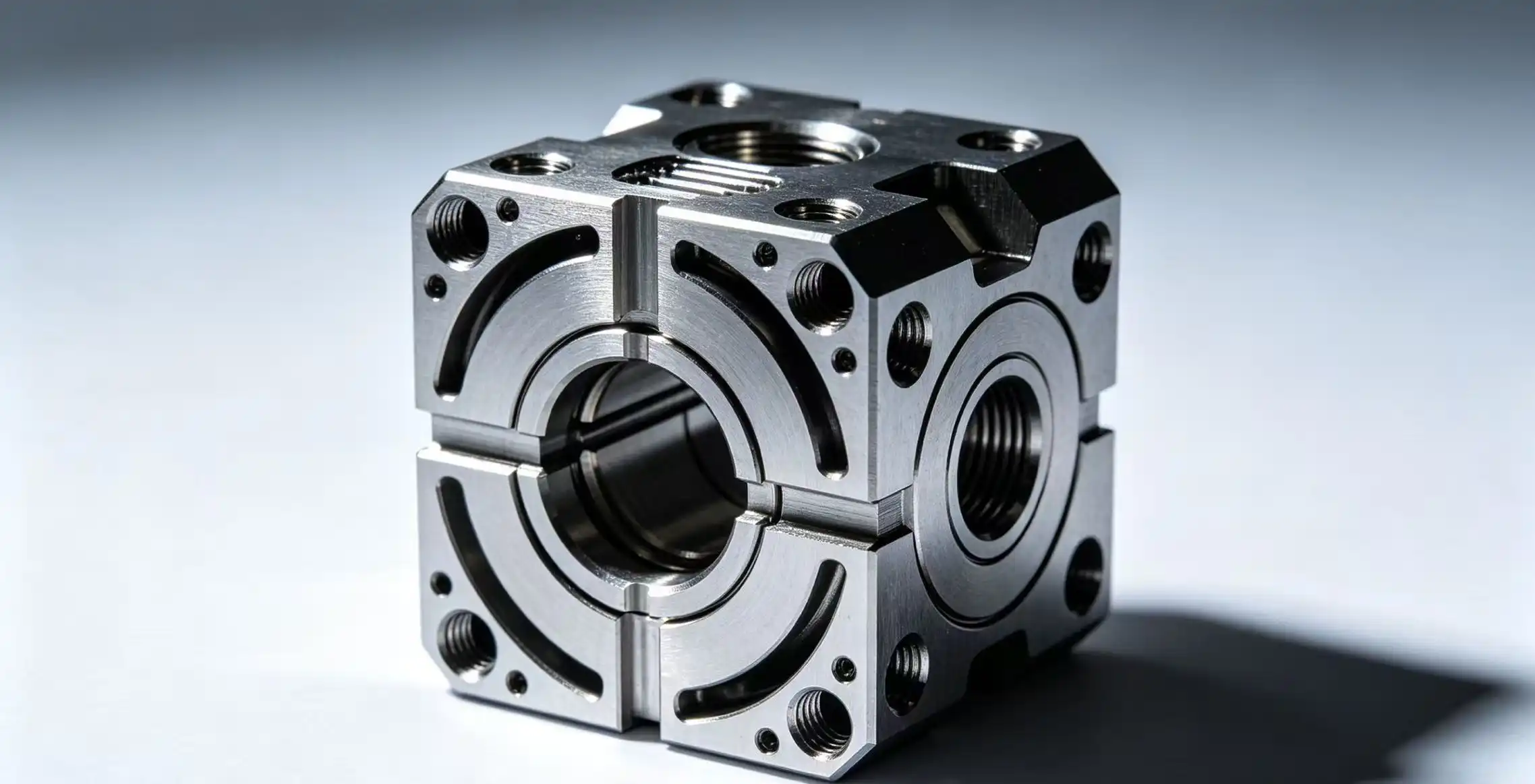
Challenges and Solutions in Custom Mechanical Parts Manufacturing
Limitations of Traditional Mass Production Methods
When dealing with unique needs, traditional ways of making mechanical parts often don't work well. Mass production puts quantity over customizing, which leads to standards that aren't always accurate, which makes it harder for the parts to fit together. The only materials that can be used are standard metals and polymers, which limits performance in challenging situations. Tooling made for high-volume runs doesn't work well for prototypes or small batches, so lead times get longer than they need to be.
Traditional ways have slowed down a lot of projects we've worked on. Testing labs that needed functionally validated parts couldn't wait months for injection mold tools to be made. Engineers working on robots needed structural parts that had to be both strong and light, which wasn't possible with standard casting methods. In these situations, different ways of making things were needed that were more flexible without losing accuracy.
Advanced Manufacturing Techniques Addressing Modern Demands
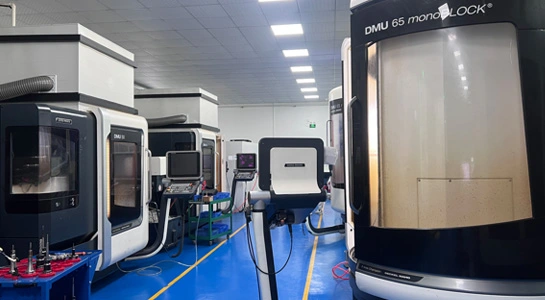
CNC machining is now the standard way to do special work because it can be used on both metal and plastic materials with great precision. This subtractive process is great at making complicated shapes while keeping limits very close, which makes it perfect for checking the strength and mechanical stability of parts. We use multi-axis CNC centers that can make complex shapes in a single setting. This cuts down on mistakes and speeds up the response time.
By making parts layer by layer from digital models, additive manufacturing, also called 3D printing, changes the way fast prototyping is done. The process of stereolithography (SLA) creates smooth surfaces that can be used to test fit and aesthetics. With Selective Laser Sintering (SLS), engineering-grade nylons can be used to make working samples that don't need any support structures. Fused Deposition Modeling (FDM) lets you make idea models and form studies over and over again at a low cost. During the product creation lifecycle, each tool meets a different set of needs.
Sheet metal manufacturing is another useful method for making flat or shaped parts that need to be checked against final material specs. We usually send prototypes within a week, which lets you try multiple versions of the idea at the same time. Urethane casting works with these methods to make parts that look like plastic or rubber from silicone models. It's great for small production runs that are in between testing and full manufacturing.
Real-World Problem Solving Through Tailored Strategies
Take a look at a recent job that involved making a high-performance clutch for a company that makes AGVs. Because of the way their automatic material handling system was loaded, the client had trouble with gear sets that were already on the market wearing out too quickly. Traditional providers only had a few types of materials to choose from, and they couldn't change the tooth shapes to fit the job cycle.
Our engineering team worked closely with their designers and used modeling tools to look at how stress was distributed in real-world situations. We suggested a custom gear design that would be made using CNC machining and a special steel material that would be more resistant to wear. The better performance was proven by testing prototypes, and we used the same manufacturing process to move smoothly to low-volume production. The answer stopped parts from breaking down too soon, cut repair downtime by 60%, and made the parts last longer than the client had expected.
How to Choose the Right Custom Mechanical Parts Supplier
Defining Your Technical and Application Requirements
Complete recording of requirements is the first step in building a good supplier relationship. We suggest making thorough specs that include allowed tolerances for size, required surface finish, preferred materials, and quality standards that apply. Include details about the temperature ranges, chemical exposures, and load cycles that affect the choice of materials and the methods used for production.
The application environment is very important. A prototype that is only going to be looked at needs different features than a working test piece that is going to be destroyed for validation. Suppliers can help you choose the best manufacturing strategies and give you accurate lead time figures if you let them know if you need single mechanical parts samples, a small batch for certification testing, or ongoing low-volume production.
Evaluating Manufacturing Capabilities and Quality Certifications
Quality certificates are an objective way to show that a company is committed to using consistent methods. ISO 9001 certification shows that quality control systems have been in place for a long time and cover everything from checking incoming materials to making sure the end product works. Industry-specific standards, such as ISO 13485 for medical devices or AS9100 for aircraft parts, show that you have the right skills and knowledge to follow the rules.
Manufacturing skills include more than just a list of tools. They also include academic knowledge and integrating processes. During the quote process, can the seller give feedback on design for manufacture? Do they keep testing tools in-house that are up to national standards? Can they help you with the testing of your materials or put you in touch with approved labs? These skills set partners apart from simple sellers.
Comparing Supplier Strengths and Service Models
Well-known companies like Bosch, SKF, Timken, and NSK are great at making standard goods in large quantities and have large distribution networks and lots of expert support. But for custom uses, expert prototyping and low-volume producers are clear winners. We only work on short development cycles and keep different types of industrial technologies under one roof to speed up iteration and make teamwork easier.
Think about both the range of technologies available and the level of specialization when weighing your choices. If a provider offers CNC machining, additive manufacturing, urethane casting, and fast injection molding, it gives you more options for making each part work best for your needs. Geographic closeness affects how well people can communicate and how quickly packages can be sent. This is especially helpful when time constraints require people to work together in person or make quick changes to prototypes.
Support after the sale is what sets great partners apart from good sellers. Does the maker send material approvals and records of dimensional inspections with every shipment? Will they allow changes to the plan based on test results? Can they increase or decrease the number of products they make as your idea moves from research to commercialization? These things decide whether a relationship with a seller is valuable in the long run or frustrating over and over again.
Procurement Strategies for Custom Mechanical Parts
Balancing Cost, Volume, and Lead Time Considerations
To do good buying, you need to know what makes custom production profitable. The prices of materials change based on the world markets for commodities, especially for industrial polymers and unique alloys. Machine time and writing effort are directly affected by geometric complexity. Tolerances that are closer together need more advanced tools and more checking steps. Being able to see through your sellers helps you understand these connections, which lets you make smart choices about where to put your resources for mechanical parts and where standard specs are enough.
Ordering in bulk can save you money, but it also holds up your capital in inventory and could become useless if patterns change. On-demand manufacturing cuts down on the costs of keeping supplies while still allowing for changes. We've helped a lot of clients use hybrid methods, which involve buying important long-lead parts in groups while keeping just-in-time production for things that are likely to change designs. This balanced method makes the best use of operating capital and protects against problems with supplies.
Navigating the Ordering Process and Setting Realistic Expectations
Communication is the first step in the buying process. Instead of rough sketches, send in precise CAD models, lists of materials, and quality standards. Include the accepted ranges of errors and the important dimensions that need extra care. Make sure everyone knows ahead of time what paperwork and inspections are needed so there are no mistakes during final acceptance.
Lead time standards need to match how things are made. While simple CNC parts might be delivered in a few days, complicated systems that need to go through several steps can take weeks. Additive manufacturing speeds up the creation of samples, but the surface finish may need to be improved afterward. For urethane casting, making the mold takes time before making the parts. Suppliers with a good reputation give reasonable schedules that include reviewing the design, getting materials, production, checking, and shipping.
Logistics Strategies for Global Supply Chains
Just-in-time delivery cuts down on stocking costs, but it needs suppliers to be very reliable and communicate well. We've set up vendor-managed inventory plans for clients whose needs are predictable, so we can keep a ready supply of approved parts that can be shipped right away if asked. This method makes sure that materials are available while reducing the routine work of buying.
Geographic factors affect the total cost of delivery and how well the plan can be predicted. Shipping from domestic providers is faster, customs steps are easier, and it's easier to talk to people in different time zones. But there may be specific skills that can only be found with foreign partners. Instead of just looking at unit prices, you should look at the total landed cost, which includes taxes, freight, and the cost of keeping goods. Think about using two different sourcing methods for important parts, balancing your ties with your main source with other qualified options to lower supply chain risks.
Maintenance and Quality Assurance of Custom Mechanical Parts
Identifying Common Failure Modes and Preventive Measures
Understanding operating stressors and taking the right preventative steps are very important for mechanical parts longevity. The most common ways things break are wear and material stress. When grease wears off or when contaminants introduce rough particles, bearings stop working. When there are too many contact loads on gear teeth, they can pit or break. Fasteners come loose when they are vibrated or break when stress builds up around the thread roots.
Design changes stop a lot of problems from happening in the first place. Having the right edge sizes lowers stress concentrations. Surface treatments like carbonitriding or nitriding make things less likely to break down. When picking the right material, you need to think about things like working temperatures, chemical exposures, and repetitive loading patterns. During the design review process, we work with customers to find possible problems and suggest tried-and-true solutions based on our decades of experience making things.
Implementing Inspection Protocols and Compliance Verification
Quality control starts with certifying the materials that come in and ends with the final check. Conformance to engineering plans is confirmed by using precise measuring tools to check the dimensions. Coordinate measuring machines (CMMs) can measure complicated shapes with accuracy down to the micron level. Optical comparators check profiles and edge conditions fast. Surface roughness tests measure the quality of the finish, which affects how well it seals and how much contact it has.
Material certifications show the composition of alloys and their mechanical qualities by testing typical samples destructively. Tensile tests show how strong and flexible something is. Measurements of hardness show that heat treatment works. Chemical research makes sure that the makeup meets the requirements. These certifications make it possible to track products and show that they meet industry standards. This is especially important for industries that are controlled, like aircraft and medical devices.
Establishing Maintenance Schedules and Service Protocols
Preventative maintenance makes parts last longer and stops catastrophic breakdowns from stopping activities. Set up review times based on what the maker says and how the system is actually being used. More frequent care is needed in harsher settings. Keep an eye on signs of wear, such as backlash in gear sets or play in bearing systems. Fix problems that are starting to show up before they cause more damage to the parts that fit together.
For proper service, use only the lubricants, cleaning solvents, and reassembly torques that the maker recommends. Using materials that don't work well together or going against tried-and-true methods often causes more problems than they fixes. With every project, we include detailed paperwork that makes sure support teams have all the information they need for long-term success.
Conclusion
Custom mechanical parts manufacturing is more than just making things. It involves the technical knowledge, manufacturing flexibility, and teamwork that are needed to bring new goods to market. During this investigation, we looked at how customized parts can work around the problems with standard options, giving specific uses the accuracy, material qualities, and performance they need. Advanced manufacturing methods like CNC machining, additive manufacturing, and precise casting have made custom solutions more accessible to everyone by cutting down on wait times and improving accuracy. To do procurement right, you need to be clear about what you need, carefully evaluate suppliers, and use strategic methods that balance cost with business needs. Quality control and preventative maintenance make sure that these precision parts work as expected for as long as they're supposed to, protecting your investment and keeping operations running smoothly.
FAQ
What distinguishes custom mechanical parts from standard off-the-shelf components?
By choosing the right materials, making them in the right way, and using special techniques, custom components are designed to meet the particular needs of each application. Standard parts have basic features that work for most uses, but they don't have the efficiency that is needed for more demanding specialized uses. Standardized options can't meet certain performance requirements, environmental conditions, or integration limits that can be met by custom production.
How do I determine which manufacturing process best suits my project?
Choosing the right process relies on a lot of things, like the materials needed, the complexity of the geometry, the amount that needs to be made, and the time limits. For tight accuracy and a wide range of materials, CNC machining is the best method. With additive printing, testing can be done faster and with more complicated shapes. Urethane casting is good for making small amounts of plastic-like parts. Formed parts can be made quickly with sheet metal casting. Manufacturers with a lot of experience will look at your unique mechanical parts needs and suggest the best ways to meet them while also taking cost, time, and performance into account.
What quality certifications should I require from custom parts suppliers?
ISO 9001 approval shows that quality management systems have been used for a long time and can be used in any industry. Sector-specific standards, such as ISO 13485 for medical equipment, AS9100 for aerospace, or IATF 16949 for cars, show that a company has the knowledge and skills to follow the rules. Check that sources keep inspection equipment that is calibrated and can be traced back to national standards. They should also give you material approvals that show what the material is made of and its mechanical features for important uses.
Partner with BOEN Prototype for Your Custom Manufacturing Needs
Through our extensive skills in CNC machining, fast injection molding, vacuum casting, and cutting-edge 3D printing technologies, BOEN Prototype turns difficult engineering problems into precisely made solutions. We are experts at making mechanical parts that are reliable for your specific needs, including parts for testing cars, medical device samples, aircraft structures, consumer electronics enclosures, and robots assemblies. We've helped build products in many fields, such as agriculture, medical devices, aerospace, cars, and consumer goods, and we've done so quickly without sacrificing quality. When your project needs a reliable provider of mechanical parts that combines technical know-how with a range of manufacturing options, our team is ready to work with you to find solutions that meet your exact needs. Get in touch with us at contact@boenrapid.com to talk about how our knowledge of combined production processes and materials can help you speed up the development of your product and make sure that each component performs better than expected.
References
Anderson, M.J. and Roberts, K.L. (2022). Advanced Manufacturing Techniques for Precision Components. Industrial Engineering Press.
Chen, Y. and Martinez, R.P. (2023). "Material Selection Strategies for Custom Mechanical Applications." Journal of Manufacturing Science and Engineering, 145(8), pp. 081002-1-081002-12.
Davis, P.T. (2021). Quality Assurance in Custom Parts Manufacturing: Standards and Best Practices. Technical Publications International.
Global Industry Analysts, Inc. (2023). Mechanical Components: Global Market Analysis and Forecasts. Strategic Market Research Report.
Thompson, J.R., Williams, A.S., and Kumar, V. (2022). "Comparative Analysis of Rapid Prototyping Technologies for Industrial Applications." International Journal of Advanced Manufacturing Technology, 118(5-6), pp. 1847-1863.
Wilson, D.E. and Foster, L.M. (2023). Procurement Strategies for Specialized Manufacturing: A Guide for Engineering Professionals. Engineering Management Publishers.

How Can We Help?

Your Trusted Partner in Rapid Manufacturing.