Small Batch Production Best Practices for Cost and Quality Control
Small batch production is a smart way of making things that makes only a few of each part, usually between 50 and 5,000 units. It gives industrial buyers the best balance between customizing and controlling costs. Unlike mass production's set quantities or one-off prototyping, this method lets businesses try ideas to make sure they work, see how the market reacts, and lower inventory risks while keeping quality standards at the same level as full-scale manufacturing. We've seen how car OEMs, medical device developers, and aircraft engineers use limited-run manufacturing to get their products to market faster without losing quality or performance between the first prototypes and the final sold products.
Understanding Small Batch Production: Process and Benefits
Making small amounts has changed how businesses come up with new products and get into new markets. Companies no longer spend a lot of time and money on large production runs. Instead, they make exactly what the market wants when they need it.
What Defines Small Batch Manufacturing
Small batch production is a good way to find a middle ground in the production range. With this method, goods are made in controlled quantities that let makers keep an eye on quality while meeting specific customer needs. At BOEN Prototype, we often make runs for EV companies that are building powertrain components. Batch sizes of 200 to 500 units allow for functional testing across multiple vehicle platforms before investing in tooling that could cost over six figures.
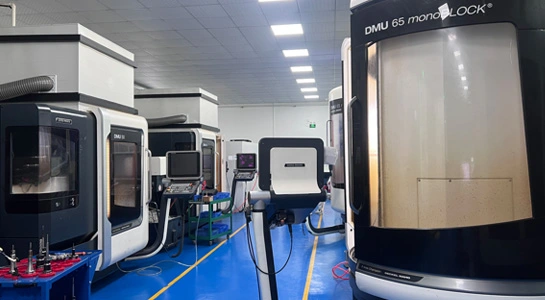
The process is very different from the precision of mass production's assembly lines. With our CNC machining centers and fast injection molding, we can switch between projects in hours instead of days. This lets us accommodate the design changes that car Tier-1 suppliers often ask for during the proof phase. This adaptability is very helpful for companies that make medical devices that need to make safe samples that follow FDA rules but need to be changed based on feedback from patients.
Core Advantages for Industrial Applications
Limited-run manufacturing gives you real benefits that have an immediate effect on your bottom line and your place in the market. When you look at real-world uses in the different areas we work with every day, these benefits become even more clear.
One of the best things about these perks is that they allow for flexible production. When a smart-home product creator comes to us with enclosure designs that might need to be changed based on what customers say about how they look, we can change the tooling settings or the materials without having to retool mass production lines, which would be very expensive. This flexibility goes all the way to robotics companies that make parts for AGVs. Based on the results of stress tests, engineering teams often make structure parts better. These changes can be made quickly thanks to our vacuum casting and SLS printing methods.
Strategic resource management makes cost savings possible. A drone company recently reduced waste by 34% by working with us to make carbon fiber parts in lots of 150 instead of keeping thousands of parts that might become useless as flight controller technology improved. Keeping costs for inventory went down in the same way, which freed up money for investments in R&D. This method works especially well for people who are making aircraft parts out of rare materials, where the raw stock itself is very expensive.
Controlled market entry makes it possible to measure how much risk is reduced. We worked with a company that makes industrial tools to test a new design for a sensor box by making 300 units for beta testing in various industrial settings. Based on what customers said, there was a growing interaction problem that would have cost a lot to fix if they had committed to making 10,000 units. The small batch method let design changes be made before the product was available to more people. This protected the brand's image and saved money.
Industry-Specific Applications and Considerations
Limited-run production is used in different fields to solve their own problems. Automotive testing labs need functional proof parts that use the same materials and methods as production, but don't commit to full tooling. Our compression molding skills let us make inner trim pieces and lighting housings with surface finishes that match the final production specs. This lets us test them for crashworthiness and make sure they meet regulatory requirements.
Manufacturers of medical devices have to follow strict rules that require pre-production parts to show that they are biocompatible and work well with the body. We've helped biotech companies make surgery tools in small batches of 75 to 200 units, using medical-grade PEEK and stainless steel that meets ISO 13485 standards. These runs give you enough for sterilization tests, clinical studies, and paperwork to send to the FDA.
Consumer tech brands find a mix between how their products look and how well they work. With our rapid tooling services, device makers can make 500-unit batches of smartphone cases with different surface treatments, such as anodized aluminum, powder-coated finishes, or textured polymers. This lets them test the market before committing to high-volume tooling that locks in specific looks.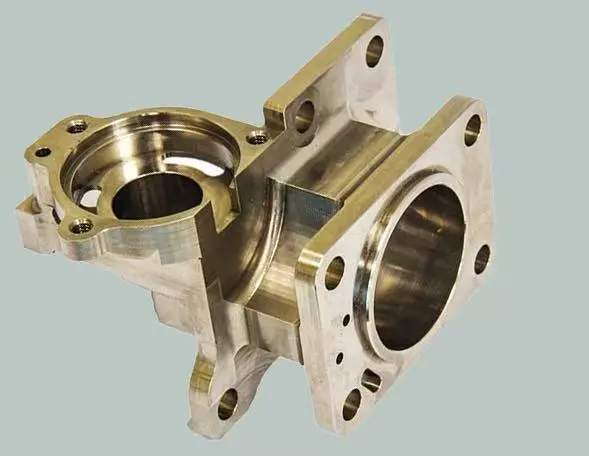
Best Practices for Cost Control in Small Batch Production
It takes well-thought-out plans that address the economic problems of producing fewer items while still getting the most value out of them in order to keep costs down in small batch production in Limited-Run Manufacturing.
Optimizing Batch Sizes Through Data-Driven Analysis
To find the best production amounts, you have to look at a lot of different factors that affect unit costs. We help our clients figure out how much it costs to set up, keep inventory, amortize tools, and figure out how much materials are being used. A company that makes robots recently teamed up with us to figure out the best batch sizes for metal structure parts. By making the most of CNC machines and reducing the number of times they had to be set up, making 250 units every three months instead of 100 units every month cut costs per unit by 18%.
Optimizing material output is a key part of managing costs. Through nesting algorithms that place parts on sheet stock to reduce waste, our metal pressing processes for car brackets get 87% of the material they start with. This efficiency has a direct effect on the project's costs, especially given the current price of metal commodities when 400-unit batches of stainless steel brackets for EV battery casings are being made.
Strategic Supplier Partnerships and Procurement
When looking for manufacturing partners who can offer uniform quality across limited runs, you need to look at more than just price quotes. BOEN Prototype has ties with material suppliers that let us buy in smaller amounts without charging too much. This lets us get engineering-grade resins, metal alloys, and specialty polymers at prices that are competitive.
Closeness to other places affects the total cost of ownership. Because of where our plant is located, we can quickly ship to customers all over North America, which cuts down on freight costs and travel times. A group of aerospace engineers working on UAV parts recently cut the time it took to make the parts by three weeks by working with us instead of manufacturers in other countries. This helped them meet strict regulatory dates for approval faster.
Putting all of the industrial processes under one partner cuts down on the work that needs to be done to coordinate them and the chance of quality problems. Instead of dealing with different companies for CNC machining, surface finishing, and assembly, industrial design teams can use our all-in-one services, which take care of the whole process from raw materials to finished parts.
Lean Manufacturing Principles for Limited Runs
Using lean methods for small batch production means making changes from how they are usually used for large amounts of production. We use just-in-time material buying for projects where storing costs would eat away at saves, like when we need to buy bulky materials or temperature-sensitive polymers for medical uses.
Cutting down on setup time is very important when making different kinds of parts. Our CNC programming team keeps a lot of fastener sets and tried-and-true toolpaths that cut down on the time it takes to change tools. When switching from aluminum car sensor housings to titanium aircraft brackets, the time spent on setup is cut down to less than 45 minutes, which keeps costs low.
Continuous process analysis finds problems that only happen in small batch production. For a medical device project, we recently changed the order of our quality checks so that in-process checks were done instead of final batch review. By finding measurement errors during machining instead of after all processes were done, this change cut rejection waste by 23%.
Ensuring Quality Control in Small Batch Production
To keep quality standards the same across small batch production runs, strict processes are needed that are at least as good as those used for mass production, but also take into account the unique problems that come up with smaller numbers.
Implementing Recognized Quality Standards
Our quality management system is based on ISO 9001 certification, which makes sure that paperwork, process control, and ongoing growth are all done in a structured way. When we make parts for companies that make medical devices, we follow ISO 13485 rules that are specific to healthcare uses. This way, we can keep track of everything, from the certification of the raw materials to the records of the final review.
Our efforts to cut down on errors are guided by Six Sigma methods. A recent project that made 350 polycarbonate cases for consumer goods got a 99.7% first-pass yield by controlling the injection molding settings with statistical process control. Profiling of temperature, tracking of pressure, and study of cycle time helped find the best processing windows that got rid of flash and sink marks.
For automotive clients who need PPAP paperwork, we provide full measurement reports, material approvals, and process capability studies. Our coordinate measure machine gives us inspection data that shows that the geometric dimensions and tolerances are met, which meets the quality standards of a Tier-1 provider.
Advanced Inspection Technologies and Automation
Modern measuring tools allow for thorough evaluations without delaying production schedules. Our optical comparators quickly check the sizes of sheet metal parts by comparing enlarged part profiles to CAD-generated images that can see differences as small as 0.001 inches. This feature is very important when making 200-unit amounts of precision brackets, since error buildup could affect how well the parts fit together.
Human error in judging quality is lessened by automated checking systems. Vision tools on our die casting machines check the surface finish and completion of features in real time, flagging any problems before the parts move on to the next step in the process. This technology helped a company that makes industrial equipment when they were making zinc alloy housings. The automatic inspection made sure that the quality of all 500 units in the run was the same.
Material testing equipment checks the mechanical qualities that are important for how well a part works. Tensile testing, measuring strength, and checking for impact resistance all show that materials meet the requirements. These approvals are used by people who make aerospace parts to make sure that parts are safe enough to be used in flight, where the performance of the materials directly affects safety.
Continuous Improvement Through Feedback Integration
Gradual improvements in quality are driven by collecting customer feedback in a planned way. After sending out the first batches, we do organized reviews with tech teams to find out how well the software works in real-world situations. Because a robotics maker told us that the surface of some aluminum AGV parts was too rough, we improved the way we finish them, which makes them more resistant to wear in high-cycle uses.
Internal auditing methods find ways to make processes better. When nonconformance reports are looked at once a month, trends are found that help lead corrective actions. When different projects showed that injection-molded parts had similar changes in size, an analysis found that a temperature controller's setting was drifting. By doing tuning checks more often, future problems were stopped before they happened.
Our standards go further upstream with supplier quality control. Material sellers get performance scorecards that rate how well they deliver, how full their certifications are, and how consistent their materials are. This responsibility makes sure that the raw materials that come to our building meet our standards, which stops quality problems that come from outside our control.
How to Start Small Batch Production: A Practical Guide
To successfully start limited-run manufacturing, you need to plan in a way that takes into account technical needs, choosing the right partner, and optimizing the process to meet cost and quality goals.
Assessing Product Requirements and Market Demand
To do a full needs assessment, you need to start with thorough product specifications that list the size and shape limits, material needs, expected surface finishes, and functional performance standards. When people who make aerospace parts come to BOEN Prototype with UAV structural parts, we talk about the weight limits, load-bearing needs, and weather exposure conditions that affect the choice of materials and the manufacturing methods.
Forecasting market demand helps figure out the best batch size. Being cautious with beginning numbers lowers risk while still giving customers enough to test. A testing lab that was making custom fixtures found that making a batch of 100 units first met their immediate needs and gave them the freedom to change the designs based on user feedback before committing to bigger numbers.
Production planning timelines are affected by rules and regulations. Parts of medical devices that need to be biocompatible need enough time to go through material approval and proof studies. We work with lab clients to plan the production schedule so that parts are ready when testing space comes up. This keeps total project schedules as tight as possible.
Selecting Manufacturing Partners
When looking at possible manufacturing partners, you need to look at their technical skills, quality processes, ability to communicate clearly, and culture fit. Because BOEN Prototype can do many different processes, such as CNC machining, injection molding, die casting, and additive manufacturing, we can suggest the best way to make a part based on its shape, the properties of the material, and the volume that needs to be made, including small batch production. This way, we don't limit projects to a few process options.
Geographic factors affect the total cost and time frame of a job. Domestic production partners can help with communication, protecting intellectual property, and making operations easier. System integrators that are making their own robotics parts like working with partners who know how to keep sites safe and respect privacy standards.
Partners can meet your deadline standards if they have the production capacity and scheduling freedom to do so. Because our building keeps extra space for limited-run projects, we don't have to deal with the schedule problems that come up when a company only makes a lot of things. This specialized capacity let a car supplier shorten their development timeline when they needed to get into the market faster because of competition.
Optimizing Production Workflow
Efficient workflows combine speed, quality, and cost-effectiveness by planning the order of processes and integrating checkpoints. We make quality plans for each project that include how often to check, how to measure, and what the acceptance standards are. These plans are based on how important the parts are and what the customer wants.
Communication methods keep everyone in the production line on the same page. Regular updates on progress, digital inspection reports, and early warnings of possible problems make it possible for everyone to work together to solve them. When we make complex pieces for companies that make industrial equipment, we plan mid-production reviews so that engineering teams can look over the first parts before the whole batch is finished. This way, we can find any problems between the design and the manufacturing process early on.
Documentation management makes it possible to find things and helps with ongoing growth. Full records that keep track of material certificates, process parameters, inspection data, and how nonconformances were fixed allow for root cause analysis and prove that regulations were followed. When aerospace clients are trying to get parts certified or when medical device makers put together detailed files for regulatory applications, these records are very helpful.
Conclusion
Strategic planning, skilled manufacturing partnerships, and focused process execution are all parts of small batch production that work well to balance cost-effectiveness with quality excellence. Companies in the automotive, medical, aerospace, consumer electronics, and industrial sectors can successfully develop new products and bring them to market by following these tips: optimizing batch economics, implementing strict quality systems, choosing the right production methods, and forming collaborative partnerships. By following these rules, procurement managers and engineering teams can keep financial risk to a minimum while still having the freedom to react to technical needs and market feedback. This speeds up the time it takes for new goods to reach the market.
FAQ
How cost-effective is small batch production compared to mass manufacturing?
Because fixed costs are spread out over fewer parts, limited-run production usually has higher per-unit costs. However, for some uses, it has a lower total cost of ownership. When making 500 units, the cost of the tools for each part is higher than in mass production cases. But the benefits of not having to pay for inventory, lowering the risk of obsolescence, and not having to pay for a warehouse often outweigh the unit cost fees. This is especially true for goods whose demand is unclear or whose designs are changing.
What lead times should we expect for small batch projects?
Production times depend on how complicated the part is, how readily available the materials are, and the process that is chosen. For simple shapes, CNC made parts usually take 7–14 days to ship from the time the order is confirmed. For rapid injection molding jobs, making the aluminum tools takes two to three weeks, and output and inspection take three to five days. It takes 3–4 weeks to make die-cast parts, which includes preparing the tools. For these deadlines, standard supplies and clear instructions are assumed, and there are no needs for regulatory documentation.
Can small batch production match mass production quality standards?
When done right, limited-run manufacturing can reach quality levels that are on par with or better than mass production. This is made possible by strict process control, advanced testing technologies, and organized quality management. ISO-certified factories like BOEN Prototype use the same procedures for checking dimensions, testing materials, and keeping records that are used in high-volume production. This makes sure that all of the parts meet the standards for medical device traceability, aerospace certification, and automotive PPAP requirements, no matter how many are made.
Partner with a Trusted Small Batch Production Manufacturer
BOEN Prototype offers specialized limited-run manufacturing services to automakers, medical device developers, aircraft engineers, robots manufacturers, and consumer electronics brands that need precision parts but don't want to commit to mass production. Our combined skills in CNC machining, fast injection molding, die casting, metal pressing, and additive production let you choose the best process for your needs. We are a reliable small batch production supplier that is committed to quality, speed, and working together with you. We have ISO 9001 certification, advanced quality systems, and a lot of experience working with a wide range of materials, such as engineering plastics, aluminum alloys, stainless steel, and biocompatible polymers. Get in touch with our engineering team at contact@boenrapid.com to talk about your project needs and get full technical reports that help you find the best way to make your product for both the prototype validation and limited production phases.
References
Kalpakjian, S., & Schmid, S. R. (2014). Manufacturing Engineering and Technology (7th ed.). Pearson Education, Upper Saddle River, NJ.
Womack, J. P., & Jones, D. T. (2003). Lean Thinking: Banish Waste and Create Wealth in Your Corporation (Revised ed.). Free Press, New York, NY.
Montgomery, D. C. (2012). Statistical Quality Control: A Modern Introduction (7th ed.). John Wiley & Sons, Hoboken, NJ.
Boothroyd, G., Dewhurst, P., & Knight, W. A. (2011). Product Design for Manufacture and Assembly (3rd ed.). CRC Press, Boca Raton, FL.
Gibson, I., Rosen, D., & Stucker, B. (2015). Additive Manufacturing Technologies: 3D Printing, Rapid Prototyping, and Direct Digital Manufacturing (2nd ed.). Springer, New York, NY.
Pyzdek, T., & Keller, P. (2014). The Six Sigma Handbook (4th ed.). McGraw-Hill Education, New York, NY.

How Can We Help?

Your Trusted Partner in Rapid Manufacturing.