Top 3D Printing Technologies Compared for Industrial Manufacturing
Three 3D printing technologies are most commonly used in industrial manufacturing: Selective Laser Sintering (SLS), Stereolithography (SLA), and Fused Deposition Modeling (FDM). Each has its own special skills that can be used for different kinds of production. SLS is great at making durable, useful parts without the need for support structures. SLA offers the best accuracy and surface quality for complex designs, and FDM offers low-cost choices for strong prototyping and tooling uses in a wide range of materials.
Overview of Industrial 3D Printing Technologies
When it comes to making, industrial additive manufacturing uses advanced methods made for tough conditions where accuracy, material performance, and consistency are musts.
What Defines Industrial-Grade Additive Systems
Industrial systems, on the other hand, have advanced thermal management, precise motion control, and confirmed material profiles that make sure the mechanical features stay the same from one production run to the next. These tools work with quality control systems, allow batch tracking, and can handle materials that need to meet industry-specific certifications like biocompatibility or flame-retardant standards.
Stable temperatures in build rooms have a direct effect on the accuracy and finish of parts. Industrial equipment keeps conditions under control, which reduces problems like layer bonding and warping that happen in less advanced systems. Closed-loop feedback systems keep an eye on things like laser power, resin viscosity, or production rates and change the settings right away to account for changes in the surroundings.
Key Comparison Criteria for Technology Selection
To choose the right additive technology, you need to look at a lot of different performance factors. Dimensional precision tells us if printed parts meet the tight limits needed for testing or putting them together. The dynamic qualities, chemical resistance, and temperature performance of finished parts are all affected by how well the materials work together.
The costs of a project are affected by production throughput, especially when making many versions or small amounts. Maximum component sizes are limited by the build volume, and post-processing steps add work and time to the total production processes. The quality of the surface finish affects how samples and parts that don't need many secondary processes look.
Cost patterns are very different between platforms. Total ownership costs include the initial cash investment, the cost of materials for each part, the frequency of machine upkeep, and the cost of running the machine. When thinking about the environment, you should think about things like how much energy is used, how to handle waste, and how much air is needed to control emissions.
Top 3D Printing Technologies Used in Industrial Manufacturing
In industrial settings, 3D printing includes three main additive methods that are used. Each has its own benefits for different types of uses and material needs.
Selective Laser Sintering (SLS)
High-powered lasers are used in SLS to fuse polymer powder particles together layer by layer, making rigid shapes that don't need any support material. During the building process, the surrounding unfused powder works as natural support, making it possible to make internal channels, undercuts, and nested assemblies that would not be possible with standard manufacturing.
Nylon materials are most often used in SLS because they have good strength-to-weight ratios, chemical protection, and wear performance. Glass-filled versions make structural parts stiffer and more stable in their shape, while flame-retardant versions meet safety standards in electronics and aircraft uses. Powder recycling cuts down on waste, but refresh rates make sure that the mechanical qualities of all builds are the same.
Preheating the build room reduces the differences in temperature that cause big parts to warp. Compared to resin-based methods, this technology can handle fairly high production rates, as multiple parts can be nestled easily within powder beds. SLS is used in automotive testing labs to make intake manifolds and mounting brackets, and it is also used to make lightweight structure frames that need to be very stiff.
Stereolithography (SLA)
SLA was the first way of additive production. It uses UV lasers or projectors to selectively harden liquid photopolymer resins. This method gets very high resolution and surface smoothness, making parts with fine features and detailed details that are just as good as those made by injection molding.
The libraries of resin materials have grown a lot, and now they include engineering-grade formulas with better mechanical qualities, resistance to temperature changes, and long-term stability. Medical device prototyping and surgery guide making are made easier with biocompatible resins, and optical component validation and fluid flow viewing are made easier with clear materials.
This technology works really well in situations where tight specs and smooth surfaces are needed. When the surface roughness affects the user experience, consumer electronics companies use SLA to make samples that look good and models that test how well they fit the body. Surgical guides and orthodontic models are made in dental laboratories by using the accuracy. The clean burnout and ability to reproduce small details make it better for casting patterns for jewelry and aircraft parts.
In post-processing processes, uncured resin is washed off of part surfaces, and UV post-curing is used to get the final mechanical qualities. Support structures need to be carefully taken off and the surface finished, which takes more work than SLS builds that don't need support. However, the better surface quality usually gets rid of the need for heavy coating or grinding.
Fused Deposition Modeling (FDM)
In FDM, thermoplastic filaments are heated until they are almost liquid, and then the material is deposited through fine needles. Parts are built layer by layer on hot platforms. The technology works with a wide range of materials, from common polymers to engineering-grade thermoplastics that are very strong and don't react with chemicals.
You can use ABS for samples that can withstand impact, polycarbonate for high-temperature uses, or specialty composites with carbon fiber or glass support. Production-grade polymers, such as ULTEM and PEEK, are used in medical and aerospace uses that need strict material approvals and paperwork for tracking.
Because of anisotropic layer bonding, the build direction has a big effect on the mechanical qualities. Parts that are loaded perpendicular to the build layers are weaker than parts that are loaded along the layer lines, so it's important to plan how to place parts strategically during the build planning process. Layer height selection strikes a balance between surface finish and production speed. For example, smaller layers make prints last longer while also looking better.
A lot of manufacturing companies use FDM to make jigs, fixtures, and assembly aids that make production more efficient without having to spend a lot of money on casting or cutting. Rapid tools for vacuum forming and low-volume casting is possible with this technology. EV companies make prototypes of battery cases and attaching brackets so they can make changes to their designs quickly before investing in metal tools.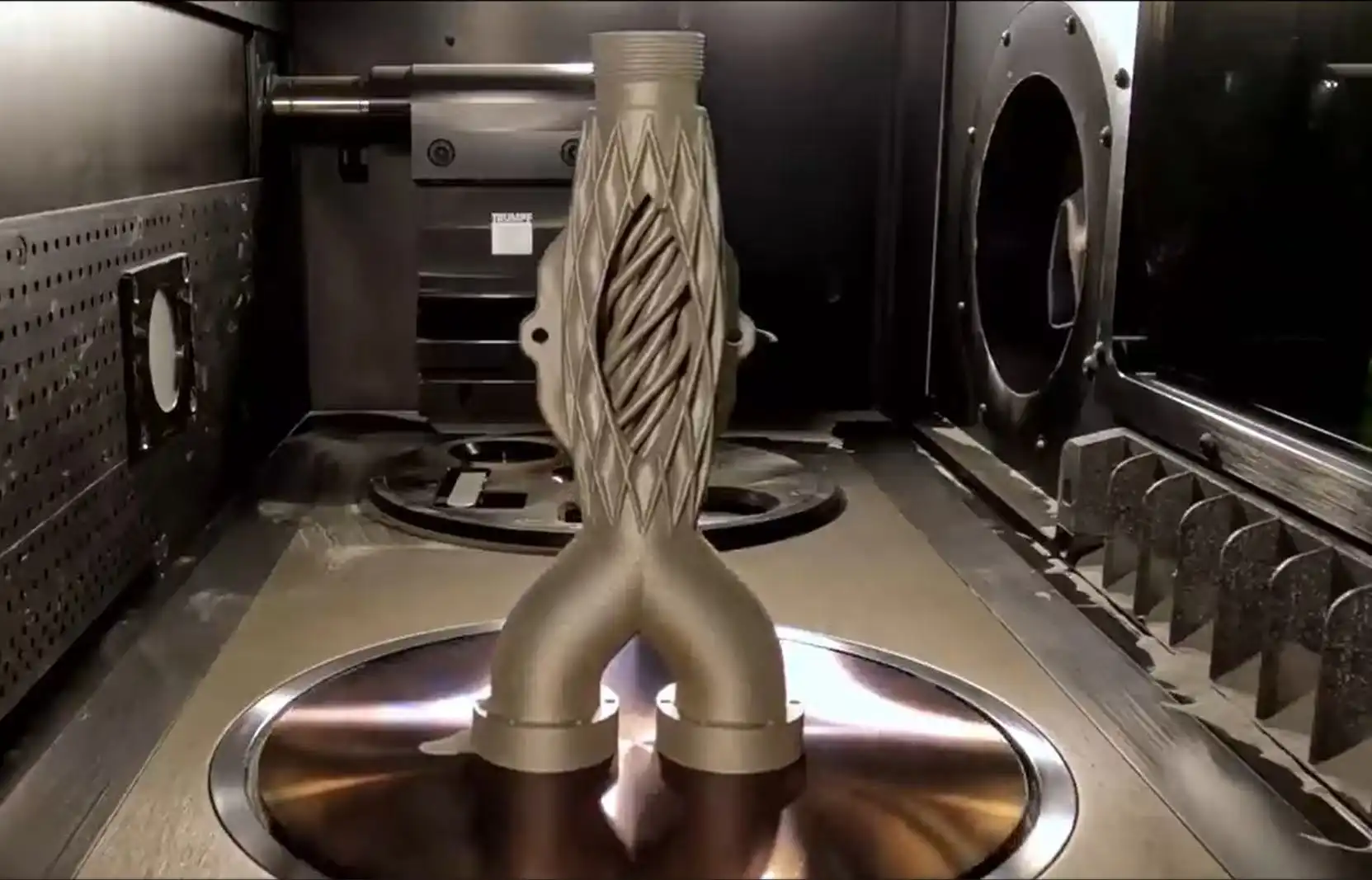
Comparative Analysis of 3D Printing Technologies for Industrial Manufacturing
Understanding the differences in performance between additive methods lets you choose a technology that fits the needs of your project and your business's limitations.
Accuracy and Resolution Comparison
Dimensional precision changes a lot between systems. Layer resolutions for SLA systems range from 25 to 100 microns, and XY accuracy is often within 50 to 100 microns. This lets them make parts with very fine details and tight limits. This level of accuracy is good for situations where the fit of a unit or its ability to do its job depends on it.
The accuracy of SLS is usually between 100 and 150 microns, depending on the size of the powder particles and how well the heat is managed during sintering. The accuracy isn't as good as SLA, but it's good enough for working prototypes and final parts where errors are more than 0.2mm. Because it is self-supporting, it doesn't have the surface flaws that other ways do because of support.
The resolution of FDM in 3D printing varies a lot depending on the choice of nozzle width and layer height. Standard setups get layers between 100 and 300 microns thick and positional accuracy of about 200 microns. FDM surfaces have visible layer lines, so they need to be processed afterward for visual purposes. However, the technology is accurate enough for tools, fixtures, and working prototypes where mechanical performance is more important than surface roughness.
Material Flexibility and Performance
Material choice has a big impact on how well a part works and what kinds of uses it can be used for. SLS nylon products have good chemical protection and can handle temperatures up to 100°C without changing much. These traits make it possible for parts under the hood of cars, parts that handle fluids, and structure systems that are put under mechanical stress to work.
Different types of SLA resin are available, such as hard industrial materials, bendable elastomers, and tough, impact-resistant ones. New developments include high-temperature resins that keep their qualities above 150°C and ceramic-filled alloys that can be used in casting. Photopolymers, on the other hand, aren't as strong against impacts and UV light as thermoplastics, so they can't be used outside without protection coats.
The variety of FDM thermoplastics makes it possible to precisely match materials to the needs of an application. Engineering plastics like nylon, polycarbonate, and ABS have qualities that have been known for decades thanks to decades of experience with injection molding. Medical devices and aircraft parts that need to be biocompatible or flame resistant can be made from high-performance materials like PEEK and PEI.
Production Speed and Scalability
Build speed affects how much a project costs and whether it can be made. Powder bed packing density is what makes SLS group efficiency possible; multiple parts can be made at the same time in a single build. Large format systems can handle large build numbers, but the longer cooling steps make the whole production process take longer. The technology works well for small amounts, like a single sample, or large amounts, like hundreds of parts.
Rates of SLA build depend on the cross-sectional area and the time that each layer is exposed. Large, solid parts need longer print times, while flow is best for thin structures or lots of small parts. Point-scanning lasers take a lot longer to make things than modern digital light processing (DLP) models that project whole layers at once.
FDM speed is directly related to the size of the component and the layer height that is chosen. The deposition method with a single nozzle can't handle big batches, but systems with multiple nozzles work better. The technology works great for making single big parts or small amounts where easy setup is more important than fast production rates per part.
Cost Structure Analysis
The total costs of ownership include more than just buying the tools. They also include things like materials, repairs, space needs, and work. With their specialized powder handling and recycling tools, SLS systems require a large amount of cash. Due to high packing efficiency and powder reuse, material costs per component stay competitive. However, powder that hasn't been used in a while ages and needs to be refreshed every so often.
There is a wide range of SLA tools, from easy-to-use desktop computers to large production systems. The cost of resin materials is usually higher than the cost of thermoplastic filaments, especially for special technical formulas. Support structure material use and work for post-processing both add to the cost of each part.
Industrial-grade FDM systems are priced similarly to other technologies, making it easy for people to start using it. The costs of thermoplastic filament materials are good, especially for common plastics. However, longer build times for big parts can make operations more expensive when the use of equipment limits output capacity.
Environmental and Safety Considerations
Operational needs affect how facilities are planned and how well they follow the rules. Handling SLS powder needs the right ventilation and cleaning methods to keep flying particles under control. Powder recycling cuts down on material waste by a large amount, which helps make industry more environmentally friendly.
Handling SLA resin needs the right safety gear and a well-ventilated area because of the volatile organic compound fumes and skin sensitivity that can happen during printing and after the resin has dried. Following the right steps for getting rid of uncured resin and dirty wash solvents protects the environment.
FDM thermoplastic making doesn't make a lot of dangerous trash, but during extrusion, some materials do release tiny particles and volatile substances. Having enough air flow keeps workplaces healthy, especially when working with engineering-grade plastics at high temperatures.
How to Choose the Right 3D Printing Technology for Industrial Procurement
To choose the right strategic technology, you need to carefully compare the needs of the project with the pros and cons of each method.
Assessing Part Requirements and Application Needs
Start by writing down the exact requirements for each part for 3D printing, such as any required limits for size or shape, as well as any environmental or legal requirements. Find out if prototypes are only used for visual testing or if they also need to be functionally tested under real-world loads.
Initial technology screening is based on material property needs. Applications that need biocompatibility limit the choices to approved SLA resins or certain FDM thermoplastics. Standard photopolymers can't be used when exposed to high temperatures, so tests must focus on engineering-grade FDM materials or specialized SLS formulas.
The geometric complexity affects the amount of support structure and post-processing work that needs to be done. Self-supporting SLS builds are best for parts with a lot of overhangs or internal channels. Simple shapes can be used with FDM or SLA with little support material use.
Budget Considerations and ROI Analysis
Access to tools, material use, post-processing work, and lost opportunities due to lead times are all included in the total project costs. Organizations need to figure out if their own skills are good enough to support buying capital tools or if working with expert service providers would be more cost-effective.
The cost of materials for each part varies a lot. When making many versions or small batches, the cost of materials per part has a big effect on project budgets. Recycling SLS powder is good for the environment for batch production, but using more SLA plastic means making more parts with more support structures.
Cutting down on lead time has real benefits that go beyond simple cost differences. Accelerated design validation processes allow for more changes within the project plan, which usually leads to better final designs. Getting prototypes to customers faster helps integrate customer feedback earlier and gives you a competitive edge in time to market.
In-House Production Versus External Manufacturing Partners
Building up your own additive manufacturing powers requires spending money, learning new skills, and keeping your tools in good shape. If a company needs to make prototypes often and has room on the floor, they may want to buy the necessary tools to protect intellectual property or keep design secrets.
Having manufacturing partners outside of your company gives you access to a wide range of tools and materials without having to invest cash. Specialized service providers keep up with the latest generations of equipment, have large collections of materials, and hire skilled techs who know how to make the best builds for each purpose. This method works well for businesses that have varying production rates or are looking into the benefits of additive manufacturing before making a big investment.
Hybrid methods use both internal resources to quickly test an idea and outside relationships to make production-level parts that need special materials or post-processing skills. We saw that this model did a good job of combining responsiveness with technical skill access.
Future-Proofing and Scalability Considerations
Technology roadmaps keep moving forward, with advances in materials science opening up new uses and improvements in tools making it easier to work with and more accurate. When making a purchase choice, you should think about how to improve and how committed the seller is to continuing material development.
It's getting more and more important to integrate with digital production processes. As design tools and production needs change, equipment that supports open material systems and standard file types gives you more options. Software that prepares builds in the cloud and the ability to watch them from afar make operations more efficient across distributed production networks.
Scalability needs affect the choice of tools. Companies that expect their production volume to grow should look into technologies that can help them improve batch efficiency through bigger build volumes or multi-unit installations that keep quality the same across multiple processes running at the same time.
Conclusion
When choosing between SLS, SLA, and FDM technologies in 3D printing, you have to weigh the strengths and weaknesses of each method based on your needs for accuracy, material performance, output volume, and budget. SLS gives you practical durability and complex geometry freedom, SLA gives you unmatched detail and surface quality, and FDM gives you a wide range of materials and easy application.
Adopting technology successfully involves more than just choosing the right tools. It also involves integrating workflows, building up team skills, and making smart partnerships that guarantee consistent quality. Companies that get the most out of additive manufacturing match the technology's powers with the needs of each application instead of trying to find solutions that work for all situations.
The world of industrial manufacturing is always changing as new discoveries in materials science open up new uses and improvements in tools make things cheaper. If you keep up with changes in technology, your company will be able to use additive manufacturing to its advantage when developing new products and making them.
FAQ
What are the main differences between SLS, SLA, and FDM technologies?
SLS uses laser energy to join powder particles together without any support structures. This makes strong parts out of nylon. SLA uses UV light to fix liquid resins one layer at a time, which gives the finished product a better surface finish and better clarity for small details. FDM uses precise needles to push hot thermoplastic out of a machine. It can work with a wide range of materials, from common polymers to engineering-grade thermoplastics. The cost structures, surface quality, and qualities of the materials used in these methods are very different.
Which technology offers the best cost-effectiveness for industrial production?
Cost-effectiveness isn't just based on technology; it also depends on the needs of the program. Because powder bed packing works so well and materials can be used more than once, SLS is great for batch production. When using common thermoplastics, FDM is a good way to make big parts or uses more cost-effective. When accuracy and good surface quality get rid of the need for expensive extra finishing steps, SLA is a good choice. Look at the total costs of the project, such as the products, workers for post-processing, and the effects of lead times on development plans.
How can we ensure quality and reliability when adopting additive manufacturing?
Quality control starts with choosing approved materials that meet industry standards and needs for traceability. Work with well-known service providers or equipment makers that offer proven process factors and the ability to integrate with quality management systems. Set up procedures for dimensional checking that check important features against the design specs. Certifications of the materials, methods for calibrating the equipment, and written down build factors all help to make sure that the same thing is done in each production batch. Trusted providers offer expert help during the acceptance of new technologies, which speeds up the development of skills while keeping quality standards.
Partner With BOEN Prototype for Expert 3D Printing Solutions
BOEN Prototype gives you full additive manufacturing options that help you reach your industrial production goals from the idea stage to small-scale production. Our cutting-edge SLS and SLA systems make precise parts for testing medical devices, making cars, testing spacecraft, and making consumer electronics.
We know how hard it is for tech teams to buy things when they need them quickly without sacrificing quality. Our technical knowledge includes helping you choose the right materials, making sure your designs work best for additive processes, and providing post-processing services that turn your parts into ones that are ready for production. We can make solutions that fit your needs, whether you need working samples for validation testing or small-batch manufacturing to get from development to production tooling.
Email our tech team at contact@boenrapid.com to talk about the needs of your project. We offer free design reviews and the production of model parts to show how our 3D printing provider can speed up your development cycles while still meeting strict quality standards. Find out how working with experienced additive manufacturing experts can help your business be more competitive by letting you come up with new ideas faster and improve the way you do your production.
References
Gibson, I., Rosen, D., & Stucker, B. (2021). Additive Manufacturing Technologies: 3D Printing, Rapid Prototyping, and Direct Digital Manufacturing (3rd ed.). Springer International Publishing.
Ngo, T. D., Kashani, A., Imbalzano, G., Nguyen, K. T., & Hui, D. (2018). Additive manufacturing for industrial applications: A comprehensive review. Composites Part B: Engineering, 143, 172-196.
Wohlers, T., & Gornet, T. (2022). Wohlers Report 2022: 3D Printing and Additive Manufacturing Global State of the Industry. Wohlers Associates.
Schmid, M., & Levy, G. (2020). Quality Management in Additive Manufacturing: Standards, Process Control, and Industrial Implementation. Hanser Publications.
Bourell, D. L., Leu, M. C., & Rosen, D. W. (2019). Roadmap for additive manufacturing: Identifying research needs and opportunities. Journal of Manufacturing Science and Engineering, 141(3), 031001.
Campbell, I., Bourell, D., & Gibson, I. (2020). Additive manufacturing: Rapid prototyping comes of age. Rapid Prototyping Journal, 26(2), 361-373.

How Can We Help?

Your Trusted Partner in Rapid Manufacturing.