Why Precision Machining Is Critical for Mechanical Component Quality?
Precision machining is the most important part of modern industrial quality. It gives parts the tight specs and regular accuracy that make them stand out from the rest. This way of making things uses advanced CNC technologies and computer-controlled processes to get dimensions that are accurate to within microns. This has a direct effect on how well assemblies fit together, how well they work, and how long products last in the medical, consumer electronics, and aerospace industries. Often, the difference between standard and precision methods is what makes a part pass strict industry certifications or fail in high-stakes situations. Precision machining turns raw materials into parts that work exactly how engineers meant when mechanical systems are under pressure and require dependability.
Understanding Precision Machining and Its Impact on Quality
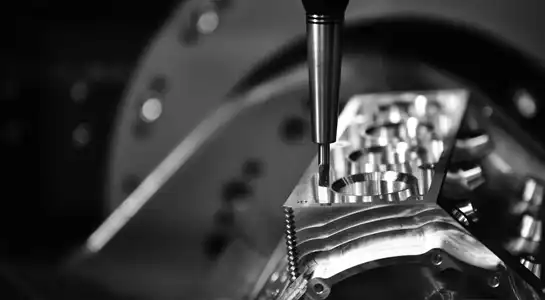
Precision machining is an advanced way to make things, using computer-controlled tools to carefully remove material from workpieces. CAM software turns digital plans into machine-readable directions. This is different from traditional methods that depend on the operator's skill. The change starts with the CAD models that artists make, which include all the necessary dimensions and surface details. These digital plans are turned into G-code and M-code directions that tell cutting tools exactly where to go and how to move. They also control other functions, like adding coolant.
The Technology Behind Precision Manufacturing
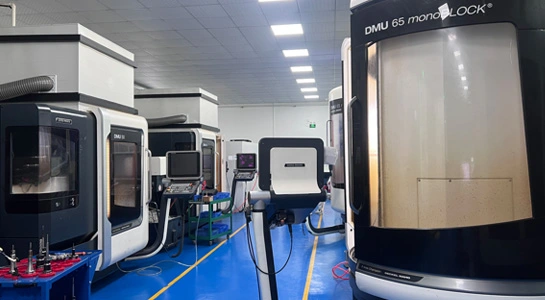
Several new technologies are used in modern precision processes that work together to get better results. Most precise shops are built around CNC turning and milling centers, which can hold tolerances of ±0.005mm or better based on the material and geometry. Electrical Discharge Machining adds a new layer by using electrical sparks to wear away at materials. This is especially useful for harder metals or parts inside the metal that are too small for cutting tools to reach. Multi-axis machining centers, especially those with five axes, can make complicated shapes in a single setup, which cuts down on mistakes caused by repositioning and improves the regularity of dimensions.
How Tolerances Define Component Quality
Tolerance standards say how much each measurement of a manufactured part can vary from the norm. Standard machining usually gets limits of about ±0.1mm, which is fine for many uses but not when parts need to fit together perfectly or keep working well in tough circumstances. Tolerances are usually ten times tighter when precision work is done. This lets parts fit together without gaps, keep the right amount of space between parts in spinning units, and work reliably even when temperatures change. Tight physical controls make sure that the fitting works well and that blow-by doesn't happen too much when we make Grade 5 titanium pistons for high-performance engines.
Surface Finish Requirements Across Industries
Surface quality affects more than just how it looks; it also affects how it slips, how well it wears, and how long it lasts before wearing out. Surface finishing in precision machining are measured in microinches, or Ra values. They can be as rough as Ra 125 or as smooth as a mirror below Ra 8. Parts of an automobile's engine work better with smooth bearing surfaces that cut down on friction losses. On the other hand, medical device housings need fine finishes that make sterilization easier and stop germs from growing. Controlled surface textures that don't crack when loaded and unloaded over and over again are needed in the aircraft industry, especially on landing gear and engine parts.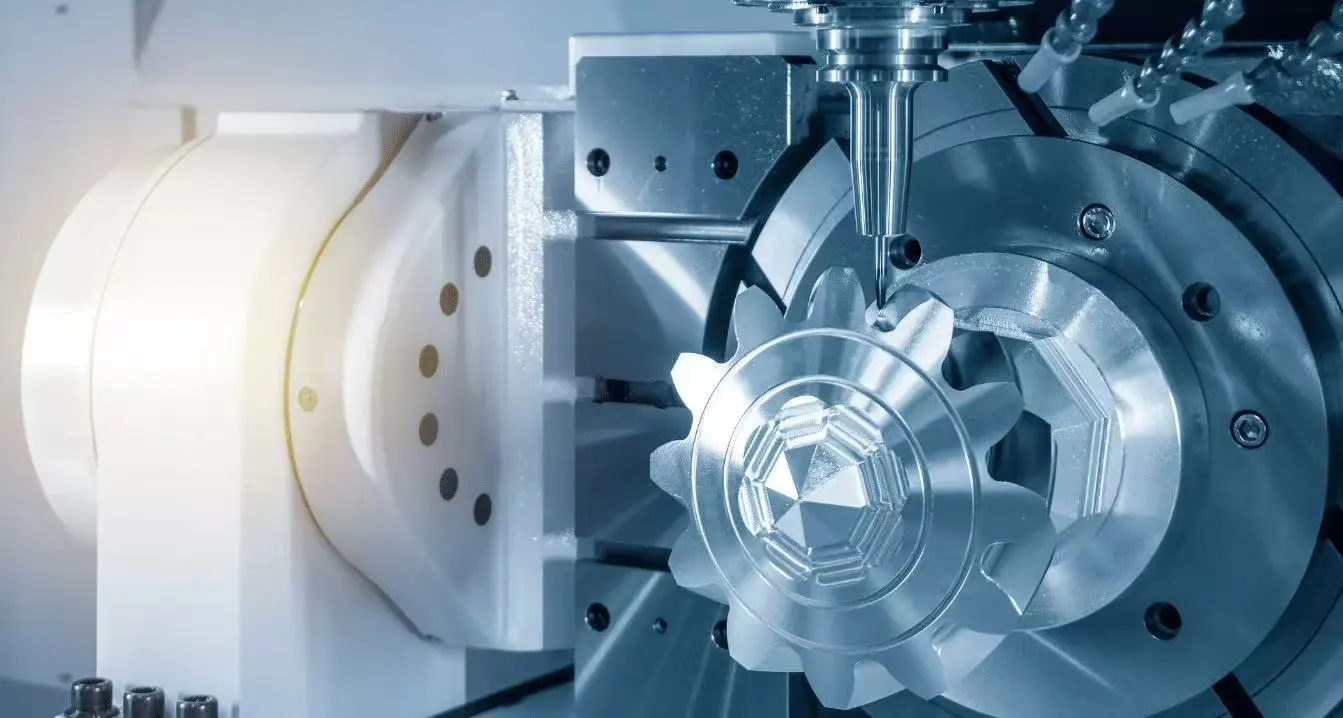
Key Benefits of Precision Machining for Mechanical Component Quality
Precision machining has benefits that go far beyond just being accurate in terms of dimensions. These benefits affect every part of how well a product works and how efficiently it is made. These benefits get better as the product goes through its entire lifetime, from the first prototype to large-scale production.
Superior Accuracy Enables Complex Assemblies
It is necessary for parts to be the same size and shape when they are put together in systems. There are dozens of carefully placed bores and mounting faces in the housings of automotive transmissions that line up shafts, gears, and actuators to within a thousandth of an inch. To keep temperatures under control and keep water out, EV battery casings need flat sealing surfaces and precise fastener designs. In robotics, too, different parts of a robot arm have to line up properly so that the arm can stay in the same place for millions of moving cycles.
Repeatability Supports Scalable Production
When making hundreds or thousands of similar parts, production consistency is just as important as original correctness. This level of precision is made possible by digital control systems that run the exact same toolpaths on each piece of work. Statistical process control data from aerospace sources shows capability scores above 1.67 for key dimensions. This means that production differences are well within the limits of what was specified. This regularity cuts down on assembly time, gets rid of the need for selective fitting, and makes sure that new parts work properly for the life of the product.
Material Efficiency Reduces Waste and Cost
Optimized toolpaths and precise cuts reduce the amount of waste produced while increasing the amount of material used. Cutting down on trash has a direct effect on the project's costs when expensive materials like titanium alloys or medical-grade plastics are being machined. Accurate planning lets you stack multiple parts inside raw material blanks, and accurate cutting cuts down on the extra stock that is usually added as a safety cushion. A recent aircraft case study found that switching from traditional to precision machining methods for structural brackets saved 23% of the material used, which meant big cost savings across all production levels.
Meeting Industry-Specific Quality Standards
Industries that are regulated have strict quality standards that precision machining helps meet. Medical device makers have to show that they follow ISO 13485 standards. This means that they have to keep track of recorded processes and verified measurement systems, which is something that precision shops do all the time. Aerospace manufacturers have to follow AS9100 certification rules, which include strict traceability and first-article inspection procedures that can be made easier by precise equipment's ability to measure things as they are being made. Automotive Tier-1 manufacturers have to follow IATF 16949 rules that stress preventing defects and always making things better. These are goals that are directly supported by precision manufacturing methods.
The aircraft industry is strong proof of the value of precision machining. When a commercial airplane maker switched to precision-machined titanium parts with better surface finishes and tighter dimensional controls, the number of landing gear component failures dropped by 40%. The improved fatigue resistance made it possible for parts to last longer between service intervals while also lowering the cost of upkeep. This shows that the quality of manufacturing directly affects working performance and safety margins in tough situations.
How to Procure Reliable Precision Machining Services
To find high-quality made parts, you need to carefully evaluate suppliers and communicate clearly throughout the whole procurement cycle. For partnerships to work, buyers and producers must agree on what is needed, what is possible, and what level of quality is expected for precision machining services.
Evaluating Supplier Credentials and Capabilities
Quality certificates are the first thing that possible partners are screened for. Basic quality management systems are shown by ISO 9001 certification, while industry-specific standards like AS9100 for aircraft or ISO 13485 for medical products show that the company has specialized knowledge. In addition to licenses, checking the skills of shops' equipment shows if they have the tools you need. The presence of five-axis machine centers, CMM inspection systems, and climate-controlled production areas suggests that the company is serious about accuracy rather than just doing general job-shop work.
Understanding Cost Drivers and Lead Time Factors
The main factors that affect the cost of precision machining are the type of material used, how complicated the job is, the tolerances that need to be met, and the amount of work that needs to be done. Tighter margins mean that cutting speeds have to be slower, there have to be more checking steps, and the tools may need to be more expensive. All of these things make the price go up. Lead times rely on how much work the shop can do, how much material is available, and how many inspections are needed. Usually, it takes two to four weeks from the time of order to delivery for precision work. In a hurry, faster plans may be possible by charging more or improving the process, especially if you're working with a trusted manufacturing partner.
Crafting Effective RFQs for Precision Components
Requests for quotes that are easy to understand speed up the buying process and make sure that bids are correct. Full RFQs have full CAD files in native or universal formats, detailed drawings with GD&T callouts, material specifications with grade requirements, delivery dates for number needs and quality paperwork requirements. Setting clear inspection guidelines and acceptance standards keeps people from getting confused about how to measure things and how to read tolerances. When asking for quotes on prototype parts for cars or test samples for medical devices, giving manufacturers background information about the application helps them suggest process improvements or material options that make the products work better or cost less.
Maintaining Quality Control During Production
Problems can be avoided and standards are met by communicating clearly throughout the making process. Asking for first-article inspection reports makes sure that the first production meets the requirements before committing to full-volume production. In-process changes let you see where a project is at and give you a chance to fix problems quickly if they happen. Setting clear acceptance standards, inspection methods, and paperwork needs provides objective quality gates that everyone can understand. We keep in clear contact with clients throughout the production process, sending them measurement data and inspection records that show the product meets the required limits and surface finish standards.
Building long-term ties with suppliers pays off for more than just one job. Preferred partners know exactly what you need, keep track of your part history so that reordering is easy, and put your projects at the top of the list when capacity is low. Regular performance reviews that include quality measurements, on-time delivery, and response help people keep getting better and show them what needs their attention. A lot of OEMs and design teams that do well treat their precision machining providers as extension partners in product development rather than just vendors they buy things from.
Future Trends Enhancing Precision Machining Quality
As time goes on, manufacturing technology keeps changing quickly. Several new trends are set to improve precision machining even more and open up new uses. Knowing about these changes helps procurement workers and engineers look for ways to improve the quality of parts and the speed of operations.
Industry 4.0 Integration and Smart Manufacturing
Machines that are connected to the internet and systems that use artificial intelligence are turning precise shops into data-driven businesses. Real-time tracking measures things like cutting forces, spindle vibration, and tool wear. This lets repair experts plan ahead and avoid surprises during production runs. Machine learning systems look at past data to automatically find the best cutting settings. This shortens cycle times while keeping quality high. These smart manufacturing features lower variation, improve traceability, and provide thorough production paperwork that meets the stricter quality standards in regulated industries.
Advanced Materials and Exotic Alloys
New metals and composites with better qualities are always being made possible by advances in material science. However, they can be hard to machine. Titanium aluminide intermetallics are being used more and more in aerospace uses because they have great strength-to-weight ratios at high temperatures but need special cutting techniques. Medical device makers use tantalum and niobium metals because they are biocompatible and help bones fuse together. These alloys require precise machining even though they behave badly. Advanced tooling materials, improved cutting settings, and mixed processes that keep dimensional control even when the material is hard to work with are some of the ways that precision machining methods can work with these materials.
Enhanced Surface Treatment Technologies
Surface finishing methods keep getting better than just cutting and sanding. Electrochemical machining makes surfaces that are very smooth and don't have any mechanical stress, which makes it perfect for aircraft parts that need to last a long time. Transmission gears in cars are less likely to wear out after being frozen and then carefully ground. Micro-texturing makes controlled patterns on surfaces that help hydraulic parts keep their oil or reduce friction. These new finishing techniques make parts last longer and work better, which goes well with the exact measurements that precision machining gives you.
Sustainability and Green Manufacturing Practices
As more global OEMs commit to carbon reduction and circular economy principles, environmental concerns are becoming more important in industrial choices. Precision machining naturally supports sustainability because it wastes less material than methods that aren't as accurate. More and more shops are using minimum amount lubrication systems, which keep tools lasting longer while using a lot less water. Metal chips are collected by recycling programs so that valuable materials like titanium and stainless steel can be reused. Energy-efficient machine tools use less power per part, which lowers prices and helps companies meet their environmental goals. These environmentally friendly ways of making things make precision machining part of larger efforts to be more environmentally friendly, without lowering the quality or accuracy of the process, which is what makes it useful.
Conclusion
Precision machining gives modern mechanical parts the accuracy in size, quality of the surface, and regularity in production that are needed across all industries. This way of making things uses advanced CNC technologies, strict process control, and constant innovation to make parts that work reliably in tough conditions and meet high quality standards. The benefits last from the first prototype to large-scale production, helping the automobile, aircraft, medical, robotics, and consumer electronics industries speed up the development of new products. As industrial technologies change with the help of Industry 4.0 and new materials, precision machining skills keep growing. This means that there are even more chances to improve the quality of parts and how well they work. OEMs, design teams, and product creators can use these skills to gain a competitive edge by forming strategic relationships with qualified providers.
FAQ
Which industries benefit most from precision machining services?
Precision machining is very important for industries like aerospace, automobiles, medical devices, robots, and consumer electronics that need parts with tight tolerances and smooth surfaces. Precision methods are useful in any situation where the correctness of the dimensions has a direct effect on how well an assembly fits together, how well it works, or how safe it is.
How can buyers verify supplier quality and capabilities?
Check for industry-specific certifications like AS9100 or ISO 13485, look at lists of advanced CNC machines and inspection systems, ask for sample parts or case studies that show similar work, and do facility audits to directly check the quality management and process controls.
What lead times should buyers expect for precision machined components?
From order to delivery, most precision jobs take two to four weeks, but this depends on how complicated they are, how much material is available, and how much space is in the shop. Simple parts made of standard materials may be delivered faster, but complicated parts that need to be made in multiple steps and inspected carefully naturally take longer. When you have a relationship with a seller, you can often be more flexible with your schedule.
Partner with BOEN Prototype for Expert Precision Machining Solutions
BOEN Prototype offers precision machining services that are ISO-certified and designed to meet the needs of demanding uses in the medical, robotics, aircraft, automobile, and consumer electronics industries. Our high-tech CNC equipment, such as five-axis machining machines and full inspection systems, make sure that your parts meet the strictest quality standards and smallest tolerances. Whether you need quick samples to make sure they work, small batches for testing, or precise parts made from unusual materials, our experienced team has the technical know-how and industrial flexibility that your projects need. Contact our precision machining experts at contact@boenrapid.com to talk about your unique needs and get detailed quotes from a reliable production partner that is dedicated to providing high-quality parts and dependable service.
References
Kalpakjian, S. and Schmid, S.R. "Manufacturing Processes for Engineering Materials: Precision Machining and Surface Integrity." Pearson Education, 2016.
Society of Manufacturing Engineers. "Fundamentals of Tool Design: Computer Numerical Control and Precision Machining Applications." SME Technical Publications, 2018.
American Society of Mechanical Engineers. "Dimensioning and Tolerancing: Engineering Standards for Precision Component Manufacturing." ASME Y14.5-2018 Standard.
International Organization for Standardization. "Quality Management Systems: Requirements for Precision Manufacturing in Regulated Industries." ISO 9001:2015 and ISO 13485:2016.
Zhang, H. and Liu, W. "Advanced Manufacturing Technology: CNC Machining Accuracy and Surface Quality Control." Journal of Manufacturing Science and Engineering, 2020.
Aerospace Industries Association. "AS9100 Quality Management Systems: Precision Machining Requirements for Aerospace Components." AIA Standards, 2021.

How Can We Help?

Your Trusted Partner in Rapid Manufacturing.