From CAD Model to Functional Prototype: How Professional Manufacturers Support Product Development
Transforming a digital design into a tangible, working prototype is no longer a luxury—it's a competitive necessity. Rapid prototyping bridges the gap between concept and reality, enabling engineering teams to validate functionality, test materials, and refine designs before committing to mass production. Professional manufacturers leverage advanced technologies like CNC machining, SLA, SLS, and injection molding to convert CAD files into precise physical parts within days. This accelerated workflow reduces development risk, shortens time-to-market, and empowers industries from automotive to aerospace to innovate faster than ever before.
Understanding Rapid Prototyping in Modern Product Development
The change from a CAD model to a real prototype is an important step in the development of any product. With modern Rapid Prototyping methods that prioritize speed without sacrificing accuracy, what used to take weeks or months with old-fashioned tools can now be done in days.
Comparing Additive and Subtractive Prototyping Methods
Today, two different methods are most common in modeling. Several types of additive manufacturing, such as Stereolithography (SLA), Selective Laser Sintering (SLS), Fused Deposition Modeling (FDM), and PolyJet, use photopolymers, thermoplastics, or powdered materials to build parts layer by layer. These methods are great for making organic forms, internal channels, and complicated geometries that would be hard or impossible to machine in the usual way. SLA makes surfaces that are smooth, which is great for testing how they look, and SLS makes useful nylon parts that are strong. PolyJet is unique because it can work with multiple materials. This means that prototypes can be made that look like they were overmolded or that have both rigid and flexible parts in the same build.
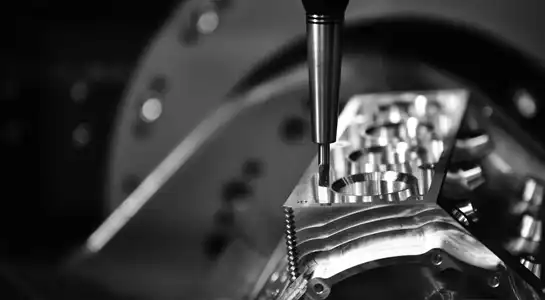
CNC milling and turning are subtractive processes that cut things out of solid blocks of materials like Aluminum 6061, Stainless Steel 316, Titanium Grade 5, or industrial plastics like PEEK and POM that are strong enough for end use. This method makes sure that the mechanical properties and material certifications are the same everyplace and match the final production runs. Tolerances for Rapid CNC Prototyping Parts are as low as ±0.005mm, which makes them essential for tasks that need exact fitting, high load-bearing capacity, or heat stability. Which method to use—additive or subtractive—depends on the complexity of the design, the volume, the materials needed, and the need for functional testing.
Key Benefits Driving Industry Adoption
Most people can see that speed is a benefit. Once taking several weeks, prototyping processes now only take three to ten business days, which lets designers try out different versions of their ideas during the same product development phase. This speed directly lowers R&D costs because engineers can find and fix design flaws quickly, which keeps expensive equipment changes from happening later on.
Value is increased even more by the material's versatility. Modern prototyping services give you access to a huge range of engineering-grade metals and plastics, so you can test how well your product works in real-world situations. Aluminum metals that carry heat well can be used to make battery housings for electric cars, medical tools can be made from biocompatible stainless steel, and drone frames can be made from light carbon-filled nylon. Before investing in tools, design teams make sure that not only the shape is correct, but also the weight, how well it handles heat, and how well it holds together structurally.
Customization features let manufacturers support both one-off prototypes and low-volume production runs. This adaptability is very helpful for medical device startups that need biocompatible samples to send to regulators or for aerospace companies that need to make small amounts of approved parts for flight testing. Being able to quickly switch between materials and processes in the same building makes project management easier and cuts down on the cost of coordinating.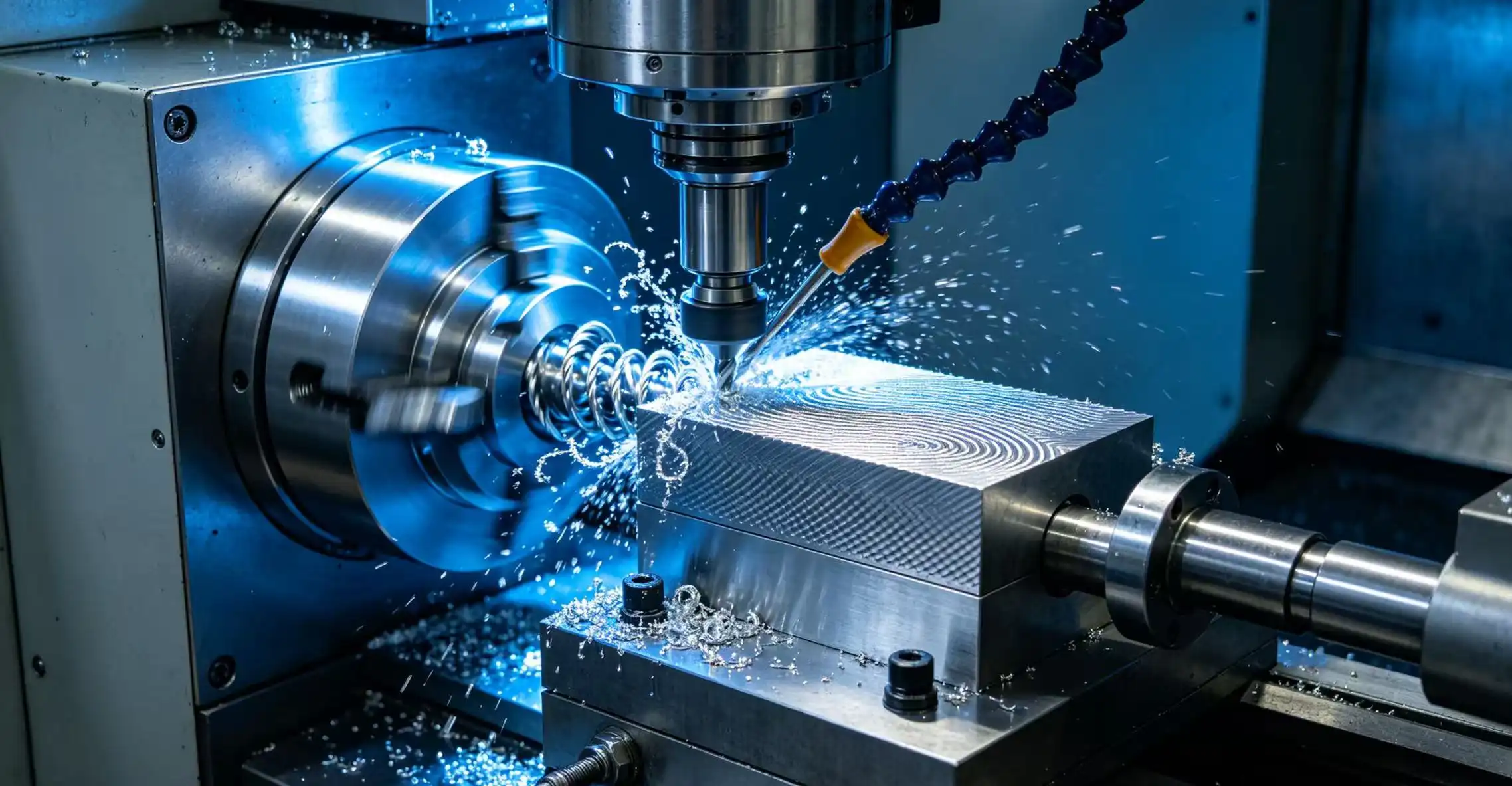
From CAD Model to Prototype: Step-by-Step Process with Professional Manufacturers
Professional manufacturers have a set process for turning digital files into hardware that works. Knowing how this process works helps procurement teams set realistic goals and work together with suppliers more effectively.
CAD File Preparation and Design for Manufacturability Review
Accurate CAD data is the first step in any Rapid Prototyping Product Development project. We get files in STEP, IGES, STL, or native SolidWorks and Creo forms. Then, we do a full Design for Manufacturability (DFM) study. This review finds possible problems like undercuts that make machining harder, wall thicknesses that are too thin for structural integrity, or features that would work better with different orientations during additive builds. Engineers bring up these issues and suggest improvements that stay true to the design purpose while making it easier to make and cheaper.
File checking makes sure that the dimensions are correct and looks for broken shapes or missing surfaces that could mess up 3D print slicing or machining toolpaths. This careful review up front avoids expensive delays and rework, laying the groundwork for manufacturing. Teams that are pressed for time like how this proactive communication makes sure everyone knows what is expected of them and speeds up the approval process.
Material Selection and Technology Matching
Expertise in production is very helpful when it comes to choosing the right material and method for a project. To get the right strength-to-weight ratio, a drone part prototype might need SLS on carbon-fiber-reinforced nylon. On the other hand, a medical device case might need SLA in a biocompatible plastic that is safe for skin contact. Rapid CNC Prototyping Parts in Aluminum 7075 are good for high-stress car uses like motor mounts, where the size must stay the same even when the temperature and pressure change.
Manufacturers keep huge libraries of materials and know-how about how to process them. This lets them suggest alternatives when lead times or budget constraints come up. This consultative approach helps clients find the right balance between performance needs and practical concerns. This way, prototypes deliver useful validation data without spending too much money.
Quality Control and Functional Testing Protocols
Finish samples are checked carefully to make sure they meet tolerances and material qualities. Coordinate Measuring Machines (CMM) take three-dimensional profiles of complicated shapes and make thorough reports that show how the actual measurements compare to the ones in the CAD model. Optical Measuring Machines (OMM) check delicate features without touching them, and thread gages make sure that parts that fit together properly. Mill Test Reports (MTR) and Certificates of Conformance (CoC) are examples of material certifications that list the chemical make-up and mechanical properties of a product.
Advanced testing is more than just checking the sizes. ASTM B117 salt spray testing checks how resistant parts are to rust that will be used in harsh settings. Surface roughness profilometry checks that friction coefficients are in line with design requirements by measuring Ra values. Using Rockwell or Brinell scales to measure hardness proves that heat treatment works. These protocols give engineering teams the proof they need to make sure they know whether a design is ready to go or not.
Post-Processing and Iterative Refinement
Surface finishing turns rough prototypes into samples that are ready for a presentation or test articles that work. Parts that are CNC-machined can be deburred, bead-blasted, anodized, or powder-coated, depending on how they look and what they need to do. To get the surface qualities you want, 3D-printed parts are sanded, vapor smoothed, painted, or metalized. Assembling services put together different parts, put in inserts, or use gaskets and seals to make full subassemblies that are ready to be tested.
Feedback lines between the design and manufacturing teams speed up the process of getting better. When functional testing shows places where things could be better, like changing the size, the material, or adding features, manufacturers can quickly make new versions. Overall development times are cut down by this agile teamwork, and final designs are fully tested before moving on to mass production tools.
Choosing the Right Rapid Prototyping Solution for Your Business Needs
There's more to choosing a development partner than just comparing prices and wait times. Product quality, IP security, and, in the end, market success are all affected by the choice.
Evaluating Technology Capabilities and Certifications
A full-service provider keeps a lot of different manufacturing technologies under one roof. This makes it easier to coordinate and lowers the risk of the project. You should look for places that have SLA and SLS systems, vacuum casting for silicone models, multi-axis CNC machining tools, and low-volume Rapid Prototyping capabilities. This range lets you quickly change your mind if the initial assumptions about the design change, or if you want to go from testing the idea to making pre-production amounts.
Certifications show that quality control is done right. ISO 9001 certification shows that quality control is done in a planned way, and AS9100 is needed for aerospace applications. Conformity with ISO 13485 is required for medical device development, which ensures tracking and contamination control during production. These standards aren't just pieces of paper; they're a reflection of operational discipline that has a direct effect on the consistency and reliability of prototypes.
Balancing Lead Time, Cost, and Geographic Considerations
Prototyping usually takes three to ten work days, but this can change depending on how complicated the design is. Multi-material products that need a lot of post-processing take longer to ship than simple CNC parts with basic finishes. Clear communication about achievable plans stops planning mistakes and helps buying teams organize tasks effectively.
At different stages of a project, geographical closeness is important in different ways. Concept models in their early stages may be able to be shipped internationally without any problems, but local suppliers who can help with on-site collaboration and quick iteration cycles are often better for functional testing. People who search for "rapid prototyping companies near me" want to be able to get expert help quickly during the important proof stages. Professional makers with well-established logistics networks and clear communication methods can successfully cross geographical boundaries and provide prompt service anywhere.
Securing Customized Quotes and Scalable Partnerships
Answers to RFQs that are very detailed help to separate capable suppliers from transactional vendors. Good makers give detailed quotes that include the costs of materials, labor, finishing, and shipping. This lets you see what factors affect costs and helps you make smart trade-off choices. They ask detailed questions about the planned use, testing needs, and expected traffic, showing that they are genuinely interested in the success of the project and not just following orders.
Potential for scalability is also very important. As products move from being designed to being sold, partnerships that start with prototyping often turn into low-volume production partnerships. Bridge tooling, rapid injection molding, and production CNC machining suppliers can help with this transition without any problems, keeping the knowledge that has been built up about the past of parts, how well materials work, and quality standards. This consistency lowers risk and speeds up time-to-market during the most important stages of marketing.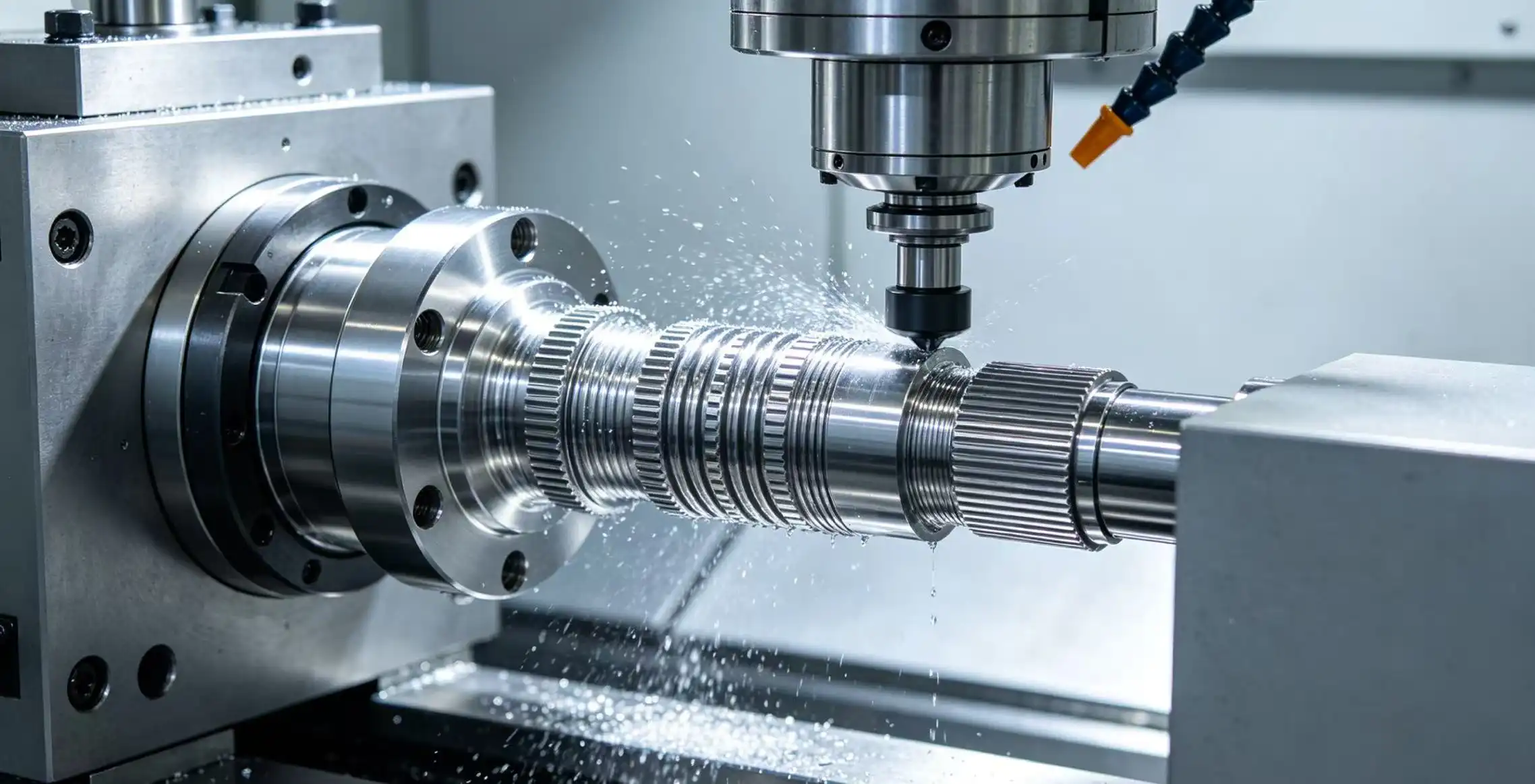
Industry-Leading Rapid Prototyping Technologies and Suppliers
Successful development services depend on the right tools and knowledge to get the job done quickly and well. To stay ahead of the competition, top makers keep investing in cutting-edge technology.
Advanced Additive Manufacturing Systems
Stratasys systems are the best for jobs that need to work with multiple materials and have very fine detail. Their PolyJet technology makes samples with smooth surfaces and intricate color patterns that are perfect for testing the ergonomics of medical devices and housings for consumer electronics. 3D Systems was one of the first companies to use SLA technology, and their printers are very accurate for making dentist models, jewelry masters, and complex aircraft parts. EOS commercial SLS machines work with engineering thermoplastics like PA 12 and glass-filled composites to make useful parts that are similar in strength to injection-molded parts. Carbon's Digital Light Synthesis technology uses photopolymer resins that can be either flexible or rigid. This makes them useful for a wide range of applications, from car interior trim to athletic shoe midsoles.
Precision CNC Machining Infrastructure
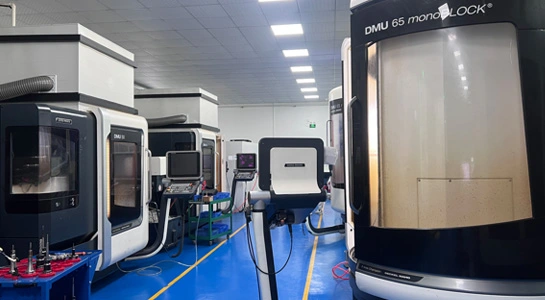
Haas, DMG Mori, and Makino all make multi-axis CNC machining tools that can quickly and easily make complex Rapid CNC Prototyping Parts. Five-axis simultaneous machining can make undercuts and compound angles in a single operation, which saves time and improves accuracy. Swiss-style turning centers are great at making shafts, pins, and connectors with small diameters that need to be very closely centered. Electrical Discharge Machining (EDM) can work on internal features and hardened materials that are hard to cut with regular tools. This makes it possible to build more injection mold tools and aircraft brackets.
Real-World Application Across Diverse Industries
Before committing to high-volume tooling, automotive OEMs and EV companies use Rapid Prototyping to make sure the battery case works well and to test things like temperature management and crash performance. Using SLA samples with accurate colors and textures, interior trim parts are looked at and felt to make sure they look good. For lighting housings, clear materials with certain optical properties are needed. These can be made with clear resins or polycarbonate that has been CNC-machined.
Biocompatible prototypes are important for medical device makers to use when they send their products to the FDA and for clinical trials. Surgical tools made from Stainless Steel 17-4 PH are sterilized in a very strict way to make sure the material is stable. Orthopedic implants need surface finishing that help them fuse with bone. This has been proven by CNC-machined titanium samples with controlled roughness profiles.
Robotics and automation system integrators need AGV chassis and robotic arm parts that are stiff for their weight and don't weigh too much. These needs can be met with carbon-filled nylon using SLS or aluminum metals using CNC machining. These materials also have built-in mounting holes and wire handling channels.
High-strength prototypes are used for flight testing and certification by aerospace and UAV makers who want to push the edges of what materials can do. In propulsion systems, Inconel manifold blocks can handle high temperatures, and titanium brackets are lighter without lowering their load-bearing capacity. Limited flying test efforts can be helped by small-batch production of certified parts, which is done between validating prototypes and mass production.
Maximizing the Value of Rapid Prototyping in Global B2B Procurement
Strategic use of prototyping services goes beyond Rapid Prototyping technical validation to improve the flexibility of an organization and the resilience of its supply chain.
Accelerating Cross-Functional Collaboration
Design reviews go from being vague CAD talks to real-world evaluations when people can quickly see physical examples of their ideas. The mechanical fitment and thermal performance are looked at by engineering teams. Esthetics and usability are two things that industrial designers look at. Purchasing departments figure out if a product can be made and how much it will cost. Marketing teams make interesting product demos so that customers can give early feedback. This parallel validation shortens the time it takes to develop a product and finds problems that might not have been found until much later, when it costs a lot more to make changes.
Managing IP Protection and Communication Challenges
Concerns about intellectual property security are reasonable when hiring outside makers. As common practice, trustworthy suppliers use Non-Disclosure Agreements (NDAs) and keep up with secure file sharing methods. Separated production workflows make sure that each technician can only see the information they need to do their job. Regular communication updates thru email, video calls, and project management platforms keep everyone involved in the project informed without giving away too many private design details.
Language and time zone barriers don't have to get in the way of working together when companies hire customer service teams that know about tech. Visual aids like annotated CAD photos, marked-up drawings, and video walkthroughs help people who don't speak the same language understand each other better in technical talks. Scheduling freedom works for global teams, and reaction times are set up to keep the project moving forward in both hemispheres.
Emerging Trends Shaping Future Prototyping
Using AI to improve build orientation, support structure generation, and machining toolpath planning is starting to happen. Machine learning algorithms look at old project data to suggest process settings that cut down on errors and cycle times. These features are still being worked on, but they should make things a lot more efficient as datasets grow and models get better.
As buying choices are affected by environmental concerns, sustainable materials are becoming more popular. Bio-based photopolymer resins, recycled thermoplastics, and low-carbon aluminum alloys are all better for the environment without compromising performance. When manufacturers buy these materials, they show that they are forward-thinking partners who share their companies' goals for sustainability.
Digital manufacturing platforms make it easier to quote, buy, and track output by giving all of these tasks a single interface. Instant pricing systems give rough figures in a matter of seconds. For more complicated jobs, full engineering reviews come next. Automated milestone alerts and real-time updates on the state of production make things easier for administrators and make the supply chain more clear.
Conclusion
The process of going from a CAD model to a working prototype shows how design goals and manufacturing realities meet. Professional makers have the technology, knowledge, and quality systems to turn digital ideas into real-world tools for testing. This lets people make smart choices that lower the risk of product development. Rapid Prototyping provides practical insights that traditional development methods cannot match, such as proving the heat performance of a battery case, verifying the ergonomics of a surgical tool, or trying the vibration resistance of a drone frame. Businesses are under more and more pressure to come up with new ideas faster while keeping costs and risks low. Working together with skilled prototyping suppliers can help them stay ahead of the competition and be successful in the market.
FAQ
What is the typical lead time for rapid prototyping projects?
Lead times are usually between three and ten business days, but they can be longer or shorter depending on the part's complexity, the material chosen, and the finishing needs. It may be possible to ship simple CNC-machined parts with basic deburring within three days. However, it takes longer to ship multi-material kits that need a lot of post-processing and quality paperwork. By being clear about expected timelines from the start, manufacturers can make sure they allocate resources correctly and meet important project milestones.
Can prototypes achieve the same tolerances as production parts?
Yes, Rapid CNC Prototyping Parts use the same machining tools as mass production. In fact, because short runs cause less tool wear, tolerances are often tighter. Standard CNC limits are ±0.01mm to ±0.05mm, and important features can be made with a level of accuracy up to ±0.005mm. Most additive technologies, like SLA and SLS, can hold limits of ±0.1mm to ±0.2mm, which is good enough for most functional proof and fit-checking tasks. Talking about tolerance standards during quotes makes sure that the right process is chosen.
Which materials are best for high-stress prototyping applications?
Metals like Titanium Grade 5, Aluminum 7075, and Stainless Steel 17-4 PH have great strength-to-weight ratios that make them perfect for places with a lot of stress. Aluminum 6061 is cheaper and easy to work with. It also doesn't rust. Engineering plastics, like PEEK, are very good at resisting chemicals and staying stable at high temperatures. This makes them useful in harsh chemical or thermal environments where metals wouldn't work.
Partner with BOEN Prototype for Your Next Development Project
Modern product development is very complicated, so you need a Rapid Prototyping supplier that knows the specific needs of your business and always provides high quality. BOEN Prototype has advanced skills in CNC machining, SLA, SLS, injection molding, and die casting. They also have a lot of experience in the medical, aircraft, robotics, consumer electronics, and automobile industries. Our ISO 9001-certified center makes sure that every prototype meets strict quality standards. This includes idea proof models and pre-production assemblies. We offer clear communication, quick turnaround times, and solutions that can be scaled up or down to fit your project's needs, from prototypes to low-volume production. Get in touch with us right away at contact@boenrapid.com to talk about how our team can help you get your product to market faster and with less risk.
References
1. Gibson, I., Rosen, D., & Stucker, B. (2015). Additive Manufacturing Technologies: 3D Printing, Rapid Prototyping, and Direct Digital Manufacturing. Springer.
2. Kalpakjian, S., & Schmid, S. R. (2014). Manufacturing Engineering and Technology (7th ed.). Pearson Education.
3. Campbell, T., Williams, C., Ivanova, O., & Garrett, B. (2011). Could 3D Printing Change the World? Technologies, Potential, and Implications of Additive Manufacturing. Atlantic Council.
4. Groover, M. P. (2016). Fundamentals of Modern Manufacturing: Materials, Processes, and Systems (6th ed.). Wiley.
5. Gebhardt, A. (2012). Understanding Additive Manufacturing: Rapid Prototyping, Rapid Tooling, Rapid Manufacturing. Hanser Publications.
6. Pham, D. T., & Dimov, S. S. (2001). Rapid Manufacturing: The Technologies and Applications of Rapid Prototyping and Rapid Tooling. Springer-Verlag London.

How Can We Help?

Your Trusted Partner in Rapid Manufacturing.