How Accurate Are Rapid Prototyping Services?
Depending on the technology and materials used, rapid prototyping services can get measurements as close as ±0.1mm to as close as ±0.5mm. Modern additive manufacturing methods, such as SLA, can make small parts with accuracy as close to ±0.05mm, while FDM methods usually keep their accuracy at ±0.2mm. The real accuracy relies on things like the shape of the part, the qualities of the material, how the machine is calibrated, and the post-processing methods used. When procurement workers know about these quality factors, they can make smart choices when choosing development partners for important uses in the electronics, aircraft, medical, and automobile industries.
Understanding Accuracy in Rapid Prototyping Services
In rapid prototyping, accuracy includes both measurement precision and geometric fidelity, which show how closely a sample fits the design specs that were meant for it. The difference between the planned and real readings is called dimensional accuracy. Geometric accuracy, on the other hand, looks at things like shape conformity, surface quality, and feature definition. These parameters work together to determine overall prototype quality and functional validity.
Dimensional Tolerance Standards Across Industries
Because of useful needs and safety concerns, different businesses have different tolerance standards. Tolerances of ±0.05mm to ±0.1mm are common for important parts in aerospace and medical device development. Tolerances of ±0.1mm to ±0.2mm are common for household electronics. For automotive uses, the range is usually between ±0.1mm and ±0.3mm, but this depends on the function of the part and how it needs to be put together.
The limits that can be reached depend a lot on the testing technology that is used. Stereolithography (SLA) and PolyJet technologies are great at reproducing small details; on features bigger than 10mm, they can usually get an accuracy of ±0.1mm. When it comes to mechanical features, Selective Laser Sintering (SLS) usually keeps tolerances of ±0.15mm, while Fused Deposition Modeling (FDM) can keep tolerances of ±0.2mm to ±0.3mm, based on the layer height and material choice.
Factors Influencing Prototype Accuracy
The final accuracy of fast prototypes depends on a number of important factors. Machine calibration is the basis of precise production, and it needs to be checked and maintained regularly to keep working at its best. The heat expansion coefficients and shrinking rates of the material have a direct effect on the security of the dimensions during and after the printing process.
The direction of the part and the design of the support structure can also affect the accuracy, especially for features that extend and have complex shapes. Depending on how they are used, post-processing methods like sealing, heat treatment, or cutting can either make the dimensions more accurate or less accurate. Skill and knowledge of the operator are very important for getting reliable, high-quality results by adjusting these factors.

Types of Rapid Prototyping Services and Their Accuracy Profiles
Modern rapid prototyping services uses a number of different additive manufacturing technologies, each with its own accuracy benefits that are best for certain uses. By understanding these technology features, you can make smart choices about which development methods will work best for your project.
Stereolithography (SLA) Technology
SLA technology uses liquid photopolymer resins that are hardened by laser light, which gives the final product a very smooth surface and precise measurements. Tolerances for features bigger than 25mm are usually between ±0.05mm and ±0.1mm, and layer resolutions can be as low as 0.025mm. This technology is great at making smooth surfaces and fine details, which makes it perfect for visual samples, master designs, and precision parts that need to be made with very tight tolerances.
How accurate SLA parts are depends a lot on the glue used and how it is cured. When it comes to physical stability, standard resins are good, but specialty resins may cause small changes because they shrink in different ways. Post-curing steps can change the final measurements by 0.1% to 0.3%, which needs to be taken into account when planning the design.
Selective Laser Sintering (SLS) Technology
Using laser energy, SLS technology joins powdered materials together to make samples that work well and have good mechanical features. Dimensional accuracy is usually between ±0.1mm and ±0.2mm, and tolerances can be kept the same even in complicated shapes without the need for support structures. Because it supports itself, there are no accurate issues with removing supports, and complex interior features can be made.
The choice of material has a big effect on the precision of SLS. Powders made from nylon have the best physical stability. When dealing with heat stress and shrinking, metal powders need extra attention. To get the best precision and surface quality, the laser settings and the temperature control for the powder bed must be carefully adjusted.

Fused Deposition Modeling (FDM) Technology
FDM technology creates layers of flexible materials, making modeling cheap and accurate to a modest degree. Standard deviations are between ±0.2mm and ±0.5mm, and they change based on the material, the tip width, and the layer height. Even though FDM might not be as precise as SLA or SLS, it has a huge range of materials and can be used for practical tests.
When printing settings are adjusted and layer heights are lowered, the accuracy of FDM samples goes up. In touch areas, support structures can change the quality of the surface and the accuracy of the dimensions, so they need to be carefully thought out during design. Advanced FDM systems with hot tanks and precise motion control can make things with tolerances as close as ±0.1mm.
Comparing Rapid Prototyping Accuracy vs Traditional Manufacturing Methods
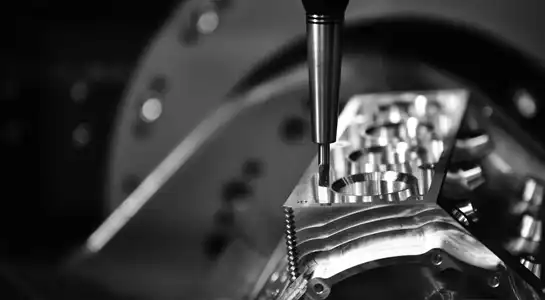
When compared to additive manufacturing methods, traditional development methods like CNC cutting from solid blocks and traditional casting often have longer lead times and higher setup costs. CNC cutting can be very accurate (±0.025mm or better), but it takes a long time to program, make tools, and remove material, which makes it less useful for testing designs over and over again.
Speed and Iteration Advantages
Rapid modeling technologies are great for making it possible to make quick changes to designs while keeping the level of accuracy high. With traditional methods, every change to the design needs new tools or code, which slows down the creation process. With additive manufacturing, designers can make changes and get new samples made in hours instead of days or weeks.
One of the biggest benefits of rapid prototyping over traditional methods is that it can make complex internal shapes. You can make a precise copy of features like internal cooling lines, grid structures, or connecting parts without having to put them together or use special tools. This feature lets you test functionality in a wider range of ways during the early stages of development.
Cost Considerations and Accuracy Trade-offs
For simple shapes, standard cutting may give you a better surface finish and more accurate measurements, but the total cost, which includes setup, tools, and labor, is usually higher than rapid prototyping costs for small prototypes. Depending on how complicated the part is and how accurate it needs to be, the break-even point is usually between 10 and 50 pieces.
With rapid prototyping, the quality is the same across multiple units, and there are no worries about tool wear like there are with standard production. This consistency makes it easier to use statistics to look at how well the plan works and gives more accurate confirmation results. Getting rid of the human mistake that comes with hand cutting makes the process even more repeatable.
How to Evaluate and Choose the Most Accurate Rapid Prototyping Service?
To find the best rapid prototyping services partners, you need to carefully look at their professional skills, quality systems, and knowledge of your business. Professionals in procurement have to find the right mix between the need for accuracy and the limitations of cost, wait time, and materials, all while making sure that the relationship can last for a long time.
Technical Capability Assessment
Before you can judge a modeling service provider, you need to know what technologies they offer and how accurate they need to be. For more information on what you can do, like the largest parts you can make and the closest limits that can be reached by each technology, ask for full capability statements. Check these claims with model parts or case studies that are important to your business.
Quality approval standards like ISO 9001, AS9100 for aircraft, or ISO 13485 for medical products show organized ways to keep things accurate and trackable. Advanced service providers often keep statistical process control data that shows long-term trends in accuracy and capability ratings for various technologies and materials.
Material Expertise and Application Knowledge
The provider's level of skill can be seen in the range of materials they offer and the accurate data that goes with them. Prototyping partners with a lot of experience know how different materials react to being processed and can suggest the best ones for your unique accuracy needs. They should give you shrinking adjustment data and post-processing instructions to make sure the dimensions stay the same.
When looking for development partners for specific uses, knowledge in the industry becomes very important. Aerospace engineers know how temperature stress affects the stability of dimensions, and medical device engineers know how biocompatibility standards can affect the choice of material and the need for accuracy. This specific knowledge has a direct effect on the quality of the sample and on following the rules.
Quality Control and Validation Processes
Strong quality control systems make sure that projects and time periods are completed correctly every time. Check out the measuring tools available, such as the accuracy of the coordinate measuring machine (CMM), the plans for testing, and the forms for inspection reports. Advanced service providers offer inspection results for the first item and documents for statistical process control.
Certification of materials, records of machine accuracy, and proof of operator training should all be part of the validation process. Regular checks by a third party and measures of customer happiness give people even more faith in the quality system's success. Being open about how quality is checked shows that you are a mature worker who is dedicated to accuracy standards.
BOEN Prototype: Advanced Rapid Prototyping Solutions
BOEN Prototype is an expert in high-precision development and low-volume production. They use cutting-edge manufacturing technologies to help a wide range of businesses. CNC cutting, 3D printing (SLA and SLS), fast injection molding, vacuum casting, and metal processing methods like die casting and compression molding are just some of the many things we can do.
Technology Portfolio and Accuracy Capabilities
For important features, our advanced SLA systems can hold dimensions within ±0.05mm, and SLS technology can keep accuracy within ±0.1mm even for complex shapes. It is possible to get even tighter limits with CNC cutting, up to ±0.025mm for precision parts. This variety of technologies makes it possible to choose the best process based on specific accuracy and functionality needs.
The materials they know how to work with include industrial plastics, safe resins, high-temperature polymers, and different metal alloys. There are recorded shrinking traits and suggested adjustment factors for each material group to make sure that the measurements are correct. Our engineering team gives application-specific advice on how to choose the best materials for samples that need to be accurate.
Industry-Specific Expertise
Automotive OEMs, Tier-1 suppliers, EV startups, and testing labs that need functional proof prototypes, interior components, lighting housings, and engine parts can get them from BOEN Prototype. Biocompatible prototypes, ergonomic testing samples, and pre-production parts that meet FDA and ISO 13485 standards are some of the medical devices we have worked on before.
Our high-strength materials and accurate production help drone businesses, aerospace engineering teams, and flight part makers make parts for UAVs and aerospace uses. Our fast development and beautiful prototype production are relied on by clients in the consumer electronics industry, such as gadget makers, smart-home product developers, and industrial design companies.
Robotics and automation depend on our ability to make accurate, strong, and light structure parts for robot makers, AGV/AMR developers, and system designers. Our production method is very fluid, so it can handle both single samples and small production runs with high standards of accuracy.
Conclusion
The level of accuracy in rapid prototyping services changes a lot based on the technology, material, and use. These days, current systems can reach limits of ±0.05mm to ±0.5mm, depending on the need. By knowing about these features, you can make smart choices when picking testing partners and tools for important product development projects.
Technical skills, quality systems, business knowledge, and the possibility of a long-term relationship should all be taken into account during the review process. For development relationships to work, they need to combine accurate production with quick service, knowledge of the material, and knowledge of the application. When you spend money on good modeling services, you get shorter development processes, better design proof, and better quality products.

FAQ
What accuracy levels can I expect from different rapid prototyping technologies?
For features bigger than 25mm, SLA technology can usually handle a range of ±0.05mm to ±0.1mm, which makes it good for making master designs and high-precision visual samples. The accuracy of SLS is ±0.1mm to ±0.2mm, and it has great engineering qualities. The accuracy of FDM is usually ±0.2mm to ±0.5mm, but it depends on the layer height and the material chosen. PolyJet technology is as precise as SLA, but it can work with more than one material.
How does material selection affect prototype accuracy?
The temperature expansion, shrinking rates, and flexibility of a material all have a direct effect on its physical stability during and after the modeling process. When compared to normal materials, engineering plastics that shrink less accurately keep their shapes better. Metal powders need to be compensated for temperature stress, while bendable materials may change size when they are under mechanical stress. Providers with a lot of experience offer material-specific advice to improve accuracy.
What factors should I consider when evaluating prototyping service providers?
Key factors used for review are the range of technologies offered, the tightest tolerances that can be reached for each process, quality standards, measurement tools, and knowledge in the specific business. Check statements of accuracy by looking at example parts, case studies, and quality paperwork. Think about the possibility of a long-term relationship, the level of technical knowledge, and how quickly you can meet technical needs. Third-party certificates and customer references are two more ways to prove that a service is good.
Can rapid prototyping meet aerospace and medical device accuracy requirements?
When used correctly, modern rapid prototyping technologies can meet strict standards for medical devices and aircraft products. Tolerances that are good enough for many important uses can be reached with SLA and precision SLS systems. When needed, CNC cutting can achieve even better accuracy. When choosing a provider, you should look for ones that have industry-specific licenses, quality processes, and proof that they follow all the rules.
How do I specify accuracy requirements for my prototyping project?
When starting a project, make sure that useful needs, key measurements, and accepted error ranges are all communicated clearly. When it applies, give thorough drawings with geometric dimensioning and tolerancing (GD&T) instructions. Talk about the material needs, post-processing needs, and approval standards right away. Expert service providers will suggest the best technologies and methods to meet your accuracy needs while staying within your budget and time frame.
Partner with BOEN Prototype for Precision Rapid Prototyping Services
Engineering teams and procurement managers looking for a reliable rapid prototyping services provider can benefit from BOEN Prototype's wide range of technologies and years of experience in the field. Our dedication to precise measurements, high-quality systems, and quick service helps make new products for the car, aircraft, medical device, electronics, and robots industries.
Get in touch with our expert team at contact@boenrapid.com to talk about your accuracy needs and get full project quotes. For your important development needs, our experienced engineers give you advice based on the application to help you choose the best technology, materials, and processing settings. Find out how BOEN Prototype's precision production can help you get your product to market faster while still meeting the best quality standards.
References
Gibson, Ian, David Rosen, and Brent Stucker. "Additive Manufacturing Technologies: 3D Printing, Rapid Prototyping, and Direct Digital Manufacturing." Springer Science & Business Media, 2015.
Chua, Chee Kai, and Kah Fai Leong. "3D Printing and Additive Manufacturing: Principles and Applications." World Scientific Publishing Company, 2017.
Pham, Duc Truong, and Ralph Sebastian Gault. "A comparison of rapid prototyping technologies." International Journal of Machine Tools and Manufacture, Vol. 38, No. 10-11, 1998.
Kruth, Jean-Pierre, et al. "Progress in additive manufacturing and rapid prototyping." CIRP Annals - Manufacturing Technology, Vol. 47, No. 2, 1998.
Hopkinson, Neil, Richard Hague, and Philip Dickens. "Rapid Manufacturing: An Industrial Revolution for the Digital Age." John Wiley & Sons, 2006.
Levy, Gideon N., Ralf Schindel, and Jean Pierre Kruth. "Rapid manufacturing and rapid tooling with layer manufacturing technologies, state of the art and future perspectives." CIRP Annals - Manufacturing Technology, Vol. 52, No. 2, 2003.

How Can We Help?

Your Trusted Partner in Rapid Manufacturing.