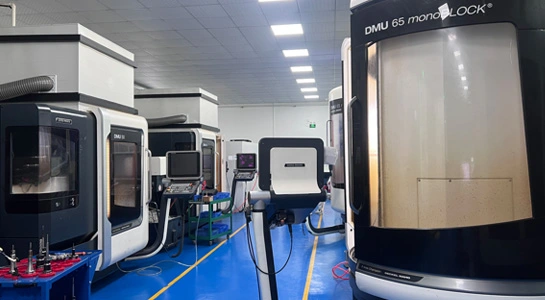
Low-Volume Manufacturing Solutions in China
When your product development hits the crucial point between validating the prototype and starting full-scale mass production, low-volume manufacturing fills the gap without any problems. With this method, you can make anywhere from ten units to several thousand components. This lets you try markets, improve ideas, and make sure they work without having to commit to large production runs. This way of making things has grown up in China into a complex environment that combines fast production with advanced technologies and low costs. We've worked with engineering teams in flight, medical devices, cars, and consumer electronics that use this method to speed up innovation while keeping risk low.
Understanding Low-Volume Manufacturing and Its Unique Benefits
What Defines Low-Volume Production
Low-volume production is in the middle of the range of producing methods. Traditional mass production uses expensive tools to make tens of thousands of identical units, and pure prototyping focuses on testing designs with very few units. This production method is for companies that need functional parts in amounts usually between a few dozen and five thousand units. The process uses technologies that work best for smaller batches, like CNC machining, rapid injection molding, vacuum casting, and additive manufacturing. This lets product teams test prototypes in real-world situations without having to spend as much money on capital as they would have to for mass production.
Speed and Flexibility Advantages
Compared to traditional manufacturing routes, production times are cut down by a huge amount. With traditional injection molding tools, it takes eight to twelve weeks for the first part to appear. With fast casting, this time is cut down to two to four weeks. For many uses, CNC cutting and 3D printing get rid of the need for tools altogether, making it possible to get working parts within days. This speed gives EV companies a competitive edge as they race to confirm battery housings, medical device makers a chance to respond to feedback from regulators, or consumer electronics brands a chance to improve smart-home product enclosures based on feedback from users. Changes to the design that would need expensive retooling when mass production is happening are easier to make when only a few are being made.
Cost Efficiency for Specialized Applications
When tooling costs are spread out over smaller amounts, the economics change in a big way. A $15,000 injection mold might only cost an extra $1.50 per part for 10,000 units, but at $150 per unit for 100 pieces, it's too expensive to buy. Rapid production with aluminum molds lowers the initial investment to $3,000 to $5,000, but the cost per part is slightly higher. This is a reasonable price for trying markets, making seasonal variations, or making unique parts for niche uses. We've helped people who are making military parts and industrial equipment through these cost studies, which kept them from committing to expensive hard tools before the design was fully validated.
Technologies Enabling Small-Batch Production
Several industrial methods have improved over time to be able to handle this level of production. CNC machining makes metal and plastic parts very precisely. It can work with complicated shapes and materials like engineering-grade thermoplastics and aluminum and stainless steel. Rapid injection casting with aluminum or pre-hardened steel tools can make anywhere from 50 to 5,000 parts with materials and finishes that are good enough for production. Additive manufacturing, which includes the SLA and SLS processes, can make complicated shapes that can't be made with subtractive methods. This is especially useful for making lightweight structures for drones or medical devices with complex lattice designs. By vacuum casting sample parts into polyurethanes that are similar to those used in production, look models and functional tests can be made. Depending on the material needs, geometric complexity, surface finish requirements, and number needs, each technique has its own unique benefits.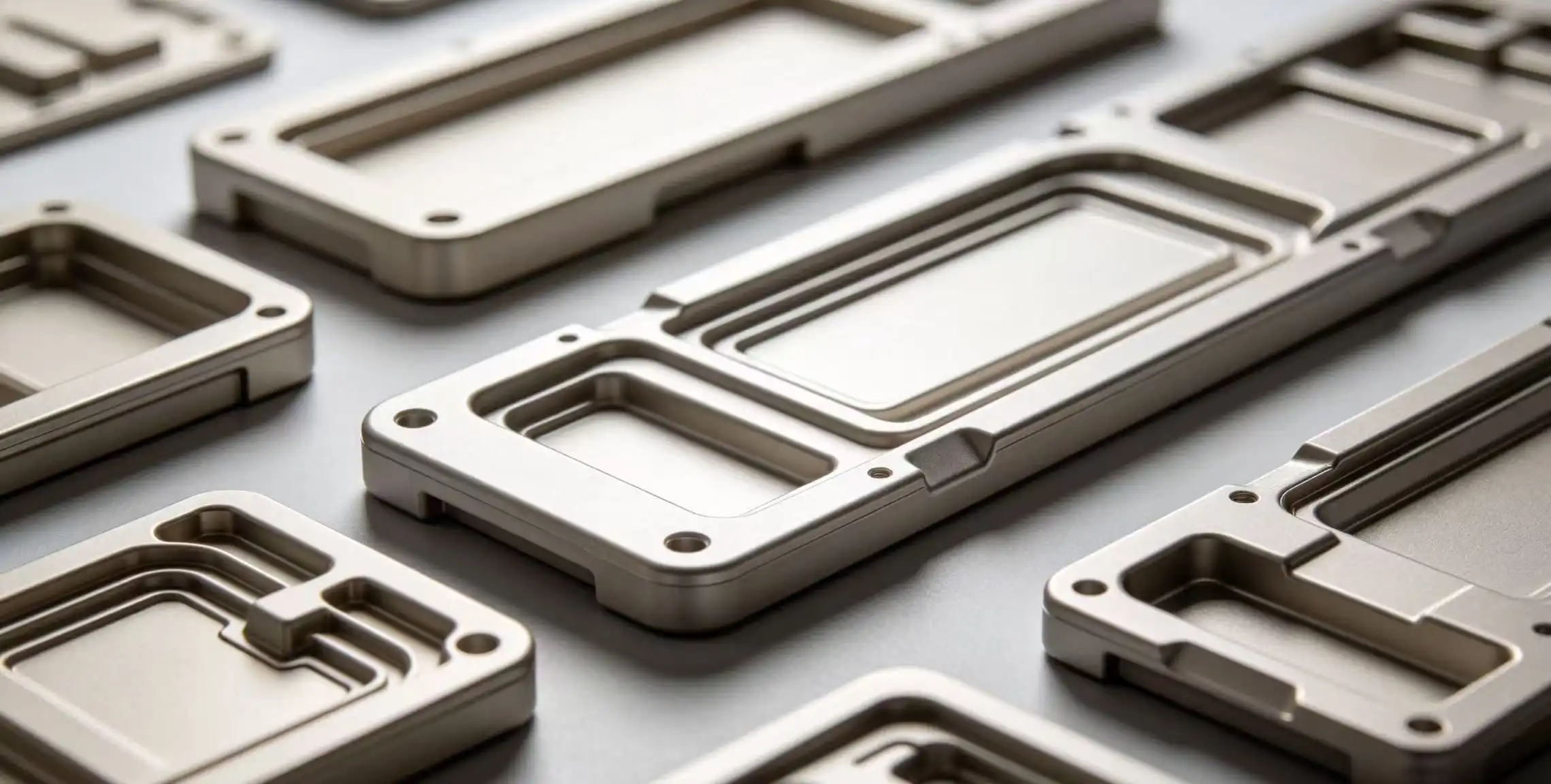
Low-Volume Manufacturing in China: Market Overview and Leading Solutions
Why China Remains Strategically Important
China's industrial system has a lot of benefits for businesses that want to make small amounts of products through low-volume manufacturing. There are thousands of specialized makers in the supplier community. They all have modern CNC tools, the ability to do injection molding, and the latest 3D printing technologies. Geographic concentration in places like Guangdong, Zhejiang, and Jiangsu provinces makes prices more affordable by boosting the number of suppliers. It also makes it easier to quickly find materials and run secondary operations. Industry 4.0 technologies, quality management systems, and international compliance standards are being used more quickly because of government programs that support advanced manufacturing and innovation zones. We've built ties with companies that are certified to ISO 9001, ISO 13485 for medical uses, and IATF 16949 for car parts. These are all quality standards that U.S. OEMs and Tier-1 providers need.
Core Manufacturing Methods Available
Chinese companies have put a lot of money into systems that can handle smaller production runs. Molds made of aluminum or P20 pre-hardened steel can be quickly made at injection molding facilities with lead times of two to four weeks for up to 10,000 pieces. CNC machines with multiple axes can work with complicated metal and plastic parts that need to be within ±0.005mm of accuracy. This helps make sure that parts for car engines and AGV platforms work properly. Additive manufacturing includes industrial SLA systems that make high-resolution parts out of engineering resins, SLS systems that make useful nylon parts without support structures, and metal 3D printing for medical and aircraft uses that need biocompatible titanium alloys. It's easy to combine secondary processes like painting, anodizing, powder coating, and assembly, so you get finished units instead of raw parts.
Evaluating Supplier Capabilities
Finding good manufacturing partners takes looking at things from a lot of different angles. The things that can be made should be able to meet your technical needs in terms of material suitability, tolerances, surface finish standards, and amount capacity. Quality control systems are very important. Suppliers with written inspection standards, the ability to use CMMs to measure, and material licenses give regulated businesses the tracking they need. Cross-border coordination is made easier by communication facilities like technical support, project managers who know English, and digital tools for working together. Whether or not aggressive development plans can still be met depends on how reliable lead times are and how well shipping operations work. When we hire new suppliers for our clients in the automobile, medical device, and aircraft industries, we carefully consider these factors. This way, we can make sure that the partnerships we make meet both short-term production needs and long-term product lifecycle needs.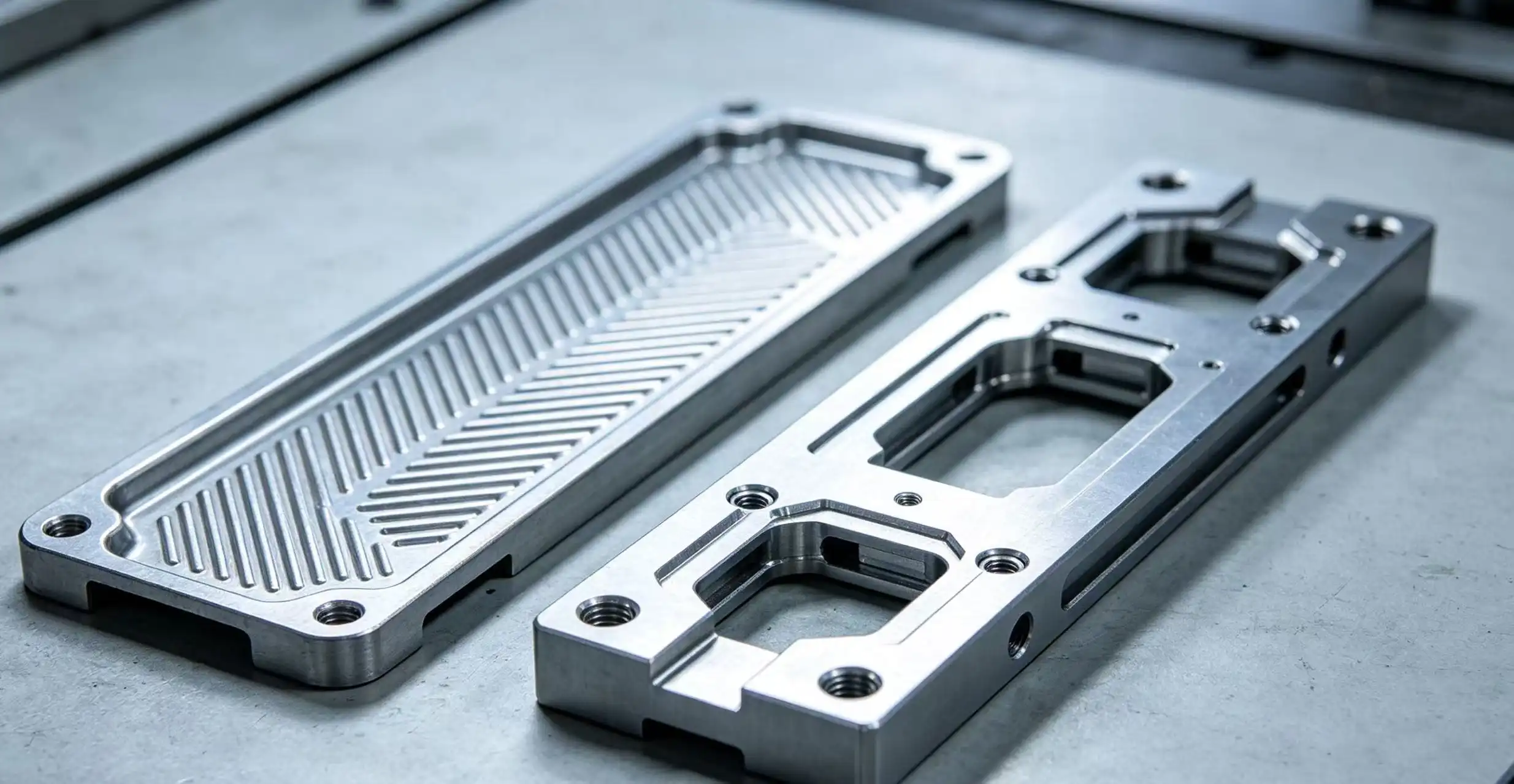
Comparing Low-Volume Manufacturing with Other Production Methods
Prototyping Versus Small-Batch Production
Design proof is done with prototypes, which make sure that ideas work physically, fit comfortably, or meet aesthetic goals. Most of the time, these early models use 3D printing or CNC cutting on stock materials, putting speed ahead of output accuracy. When you switch to small-batch production, you need to think about things like materials made for production, how to put the parts together, how to treat the surfaces, and how to check the quality. An electric vehicle (EV) company might use FDM printing to make sample battery enclosures out of ABS plastic to test ideas for thermal management. They would then switch to CNC-machined metal for small-batch thermal testing before committing to die-cast tooling for mass production. This step-by-step method lets you make improvements over time while keeping your financial risks under control.
When to Scale from Prototypes to Production Runs
Several signs show that the amount of output is ready. When engineering teams finish design proof, it means they've fixed any problems with functionality, made sure they chose the right materials, and agreed on the final dimensions. Validating the market with customer feedback or test programs lowers the chance that making changes to the design will require expensive changes. For medical devices or aircraft parts that need to be certified, regulatory paths become clearer because certification testing needs production-representative parts instead of prototype samples. Manufacturing relationships get to the point where providers know what is expected of them in terms of quality, delivery dates, and specs. We helped robotics companies make this change, from using 3D-printed robot arm parts for testing their functionality to CNC-machining production batches once the design was finalized and early customer deployments proved there was a market for them.
Balancing Customization with Scale Economics
Customization is possible with small-batch production in a way that mass production can't, without hurting the economy. A company that makes medical devices might make different types of ergonomic handles for different types of surgery. A company that makes lighting fixtures might offer fixture configurations that are specific to architectural needs. And a company that sells industrial equipment might change the layout of control panels to fit the needs of individual customers. When tooling costs stay low and setup times are kept to a minimum, these changes can still be made cheaply. This strategy for customization is helped by technologies like CNC machining, where changes to the code allow for different shapes, and fast tooling, where multiple mold holes allow for different design options. Brands of consumer goods like this feature because it lets them make regional versions, limited runs, or settings that are just right for each customer while they test the market.
Navigating Procurement of Low-Volume Manufacturing Services in China
Supplier Discovery and Qualification Process
To find good manufacturing partners for low-volume manufacturing, you must first be very clear about your technical needs, such as the materials, standards, surface finishes, numbers, and delivery dates. Online business-to-business (B2B) sites give you a list of potential suppliers, but for more complicated technical needs, it's better to work directly with manufacturers. When you ask for a capability statement, you can find out about equipment specs, quality standards, material knowledge, and reference projects. Even though it costs more, making samples is a good way to test manufacturing skills, quality standards, and how well communication works before making big promises. We suggest approval procedures that include facility audits (either virtually or in person), checking references with current customers, and steady increases in volume that build trust. This careful checking is necessary for companies that make medical devices and need safe materials, as well as for people who work on spacecraft and need proof of tracking.
Understanding Cost Structures and Pricing Models
To be clear about prices, you need to know what costs are affecting quotes. For methods like injection molding or die casting, the most expensive part up front is the tooling. Depending on how complicated they are, hardened steel equipment can cost up to $25,000, while aluminum molds cost between $3,000 and $8,000. Costs per part include material, machine time, labor, and overhead, all of which are changeable and depend on the amount, complexity of the geometry, and choice of material. Extra steps like surface treatments, building, and testing raise the cost of the main process. Lead times have an effect on prices; faster production costs more, while standard timelines save money. We help buying teams look at quotes as a whole, comparing total landed costs like shipping, taxes, and payment terms instead of just per-part prices.
Managing Lead Times and Delivery Expectations
Planning a realistic timeline takes into account many steps in the buying process. Quote and design review usually take one to two weeks because providers have to look over technical requirements and suggest ways to make the product. For fast aluminum casting, it takes an extra two to four weeks to make the mold, and for hardened steel, it takes an extra six to twelve weeks. Another one to two weeks are needed for the first item to be made and approved, while the dimensions are checked and the material is tested to make sure they meet the requirements. Production runs depend on the technology used and the number of parts being made. For example, CNC cutting could make 500 parts in two weeks, while injection molding could make 2,000 parts in the same amount of time. It takes five to seven days to ship by air freight, but four to six weeks to ship by ocean freight. For customers in the consumer electronics industry starting crowdfunding campaigns and industrial automation companies planning trade show demos, where delivery certainty is just as important as cost, we've made project deadlines.
Overcoming Challenges and Maximizing Value with Low-Volume Manufacturing
Quality Consistency Across Production Batches
Systematic quality control is needed to keep the same dimensions and material traits across batches of production. Through dimensional inspection records, material certifications, and functional testing documentation, the initial sample approval sets the basic standards. During production runs, in-process quality checks make sure that specs stay the same. This is very important for systems where component tolerances affect how well they fit and work. Suppliers who use statistical process control show that they care about being consistent. We work with testing labs that need the same parts for their lab tools over and over again, and we also work with drone makers that need structural parts whose weight and strength must be consistent in order for the drones to fly well. Inspection routines, calibration records for measuring tools, and corrective action steps that are written down show that the production process is mature.
Managing Tooling Investments Strategically
Tooling choices have a big effect on the costs and schedules of a job, especially in low-volume manufacturing. Rapid aluminum casting has a lower start-up cost and faster delivery, but it can only make between 5,000 and 10,000 parts before quality starts to suffer from wear. Tooling made of pre-hardened steel costs more up front, but it can make 50,000 to 100,000 or more parts with uniform quality. When making bridge tools, they start with aluminum to see if the market will accept them. Once they're sure there will be a market for them, they switch to hardened steel. Modular tooling designs let you change the shape of the tool without having to replace the whole thing, which is helpful when you're still making changes to the design early in the production process. We have helped companies that make medical devices plan their investments in tools in a way that fits with when they need to get regulatory approval and when they want to put their products on the market. This keeps their capital safe during the risky stages of development.
Sustainable Manufacturing Practices
Environmental concerns are becoming more and more important in choosing suppliers and making decisions about industry. Cutting down on material waste by optimizing nesting in CNC processes or minimizing the runner system in casting saves resources and cuts costs. Manufacturing equipment that uses less energy cuts costs and leaves less of a carbon footprint. Customers whose companies are committed to sustainability like the use of recyclable materials and post-consumer recovered content. Water-based surface treatments and low-VOC finishing methods make the workplace safer and follow environmental rules. Chinese companies that use these methods are responding to both environmental laws in China and customer standards around the world. We've found suppliers for companies that make consumer goods that want to get carbon-neutral product certifications and companies that make industrial equipment that wants to follow the concepts of the circular economy.
Industry 4.0 Integration and Digital Manufacturing
Digital technologies help modern makers be more efficient and make better products. CAD/CAM systems turn design files into machine directions directly, which cuts down on mistakes made when writing by hand. Digital inspection tools, like CMM machines and optical scanners, make thorough measurement reports that show the quality of something in a more objective way. Manufacturing execution systems keep track of the progress of production in real time, so when changes are made to the plan, everyone is aware of them ahead of time. Cloud-based collaboration tools make it easier for people in different time zones to share design files, handle specifications, and go through approval processes. These features are especially helpful for scattered engineering teams. For example, the design team at a car supplier in Detroit works with production engineers in Shenzhen to solve problems with making the product before the tooling starts, which cuts development times by a lot.
Conclusion
China's small-batch production is helpful for businesses that are trying to figure out how to make the complicated step from concept to market-ready product. When you combine advanced manufacturing skills with cost-effectiveness and experienced suppliers, you can try markets, make sure designs work, and make changes to goods without taking on the huge financial risk that comes with mass production. To be successful, you need to carefully choose your suppliers, communicate your needs clearly, and set reasonable deadlines. Additive manufacturing, CNC machining, rapid injection molding, and other technologies make it possible for a wide range of uses in the car, medical device, consumer electronics, robotics, aircraft, and industrial equipment industries. When businesses work with qualified production partners early on in the development process, they gain competitive benefits by getting their products to market faster, improving their designs, and being able to control their growth as demand patterns change through low-volume manufacturing.
FAQ
What minimum order quantities do Chinese manufacturers typically require?
Minimum numbers depend a lot on how the product is made and how specialized the seller is. Most CNC machining centers can handle orders as little as 10 to 25 pieces, but prices drop a lot after 100 units. For rapid injection molding, the minimum order quantity is usually 50 to 100 pieces. For standard molding, the minimum order quantity is 500 to 1,000 units. Because additive manufacturing doesn't have many minimums, it's possible to make complicated geometries out of a single block. We've been able to find amounts ranging from 25 pieces for testing medical devices to 3,000 units for pilot production of consumer items.
How do costs compare to domestic mass production alternatives?
Prices per part for small amounts are usually higher than rates for mass production because set costs are spread out over fewer units. When equipment depreciation is taken into account, a part that costs $2.50 per unit in mass production of 50,000 pieces might cost $8 to $12 per unit in batches of 500 pieces. But not making mass production tools too soon—which can cost anywhere from $25,000 to $50,000—is a great way to save a lot of money during the risky growth stages. When market validation is still not complete or when product changes serve niche uses, the economic calculation moves toward small-batch production.
What quality standards do Chinese suppliers meet for international markets?
Chinese companies with a good reputation keep certificates like ISO 9001 for general quality management, ISO 13485 for medical device applications, IATF 16949 for car parts, and AS9100 for aerospace parts. Material sellers give certificates that say what the chemicals are and how they work, which is very important for businesses that need to follow rules. When extra security is needed, third-party inspection services like SGS, TÜV, and Bureau Veritas can provide independent confirmation. Before suggesting partners to our automotive, medical, and aircraft clients, we carefully screen providers by looking over licensing paperwork, inspecting facilities, and making sure that quality control procedures are followed.
Partner with BOEN Prototype for Your Small-Batch Manufacturing Needs
To handle the difficulties of small-batch production, you need a manufacturing source with a lot of experience who knows both technical needs and business goals. BOEN Prototype specializes in connecting the creation of prototypes to mass production. They can do a wide range of tasks using CNC machining, fast injection molding, vacuum casting, and additive manufacturing technologies. OEMs in the car industry, medical device makers, consumer goods brands, robots developers, and aerospace companies can get custom solutions from our engineering team for functional proof, market testing, and pre-production builds. We hold ourselves to high standards of quality, make our prices clear, and stick to reasonable deadlines that keep your growth plan on track. Get in touch with our team at contact@boenrapid.com to talk about your project requirements, get full quotes, and find out how our low-volume manufacturing skills can help you get your idea to a product that is ready for market faster.
References
Gibson, I., Rosen, D., & Stucker, B. (2021). Additive Manufacturing Technologies: 3D Printing, Rapid Prototyping, and Direct Digital Manufacturing (3rd ed.). Springer International Publishing.
Kalpakjian, S., & Schmid, S. R. (2020). Manufacturing Engineering and Technology (8th ed.). Pearson Education.
Groover, M. P. (2019). Fundamentals of Modern Manufacturing: Materials, Processes, and Systems (7th ed.). John Wiley & Sons.
Wang, L., & Zhang, Y. (2022). "Low-Volume Manufacturing Strategies in the Context of Industry 4.0: A China Perspective." International Journal of Production Research, 60(8), 2567-2585.
Chen, H., & Liu, X. (2021). "Rapid Tooling Technologies for Small-Batch Injection Molding: Cost-Benefit Analysis and Application Guidelines." Journal of Manufacturing Processes, 65, 412-428.
Thompson, R., Davis, M., & Chang, T. (2023). Global Manufacturing Networks: Strategic Sourcing and Supply Chain Management in Asia. MIT Press.

How Can We Help?

Your Trusted Partner in Rapid Manufacturing.