MD&M West 2026 Anaheim: On-Demand Medical Parts Start at Booth 3860
At MD&M West 2026 Anaheim, Booth 3860 will show cutting edge on-demand medical parts solutions that are changing the way healthcare providers, OEMs, and procurement workers buy medical parts. This is a big event for medical manufacturing innovation. On-demand medical parts, which are quickly made using advanced technologies like 3D printing and precise CNC cutting, get rid of traditional supply chain bottlenecks and make customization possible in a way that has never been seen before. By providing just-in-time production, lower inventory costs, and faster turn-around times that are necessary for today's healthcare demand, this manufacturing method handles important global B2B procurement challenges.
Understanding On-Demand Medical Parts and Their Impact on Healthcare
The history of medical manufacturing has hit a turning point: old-fashioned mass production methods are giving way to faster, more flexible solutions. When it comes to how medical parts are thought of, developed, and sent to end users, on-demand parts are a big change.
Core Technologies Enabling Rapid Medical Component Production
Modern on-demand manufacturing uses a number of cutting-edge technologies to make precise medical parts. When you use additive manufacturing, also called 3D printing, you can make complicated shapes that you couldn't make any other way. This technology is great for making implants that work with the body, surgical guides, and unique prosthetics with complicated internal structures.
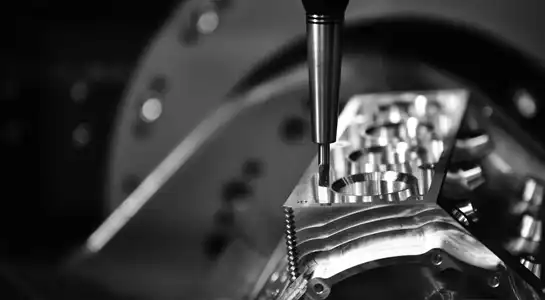
CNC machining works well with additive manufacturing because it can make surfaces look great and keep standards very tight, which is important for medical uses. Medical-grade metals like titanium, stainless steel, and special alloys that meet strict biocompatibility requirements can be used on these precise machining centers. When you put these technologies together, you get a complete manufacturing environment that can make anything from simple surgical tools to complex implantable devices.
Workflow Excellence From Design to Delivery
From the idea to the finished medical part, the process is simplified to be as efficient as possible while still meeting quality standards. CAD design optimization makes sure that parts meet both the needs of their functions and the limits of their making. Advanced simulation software checks plans for errors before they are made, which lowers the chance of having to make expensive changes.
Throughout the production process, quality inspection methods make sure that every part meets the standards for medical devices. Material traceability systems keep track of every part from the raw materials it comes from to the transfer it makes to the patient. This gives the necessary paperwork for medical device compliance. Both healthcare providers and regulatory bodies are more likely to trust this all-around method.
Material Innovations Driving Healthcare Excellence
Biocompatible plastics have changed the way medical devices are made by replacing traditional materials with ones that are lighter and less likely to rust. These high-tech materials are put through a lot of tests to make sure they are safe for use with living things and won't break down over time in biological settings.
Metals that are medical-grade, especially titanium alloys, have great strength-to-weight ratios and are biocompatible. Titanium is perfect for orthopedic implants, dental prosthetics, and surgical tools that need to last and work well with living things because of its special properties. These improvements in materials make it possible for makers to make devices that work well with the human body and stay strong for a long time.
Comparing On-Demand Medical Parts with Traditional Manufacturing
Traditional ways of making medical devices have been used for decades, but as healthcare needs change, they show that traditional production methods have big flaws. Knowing these differences helps people who work in procurement make smart choices about their supply chain tactics.
Limitations of Conventional Medical Part Procurement
In traditional manufacturing, big minimum order quantities are common, which forces healthcare providers to keep a lot of stock on hand. When urgent medical needs come up, long lead times—often several months—make things harder. Because traditional tools aren't very flexible, customization is expensive and takes a lot of time. This makes it harder to change goods to meet the needs of specific patients or new medical techniques.
In standard manufacturing, the supply chain is complicated because there are many middlemen who add cost and can cause delays. When quality problems are found late in the process, they can cause a lot of loss and make the project take longer than planned. These restrictions are especially annoying in medical settings where patients' outcomes depend on getting to gadgets on time that work properly.
Advantages of Modern On-Demand Production Methods
Traditional limits are taken away by on-demand manufacturing, which only makes things when they are needed. Just-in-time production cuts down on the costs of keeping inventory while making sure that there is always new stock available. Rapid prototyping lets people who make medical devices make changes to designs quickly, which speeds up the innovation process and raises the quality of the end product.
When production happens closer to where it will be used, the supply line is much more responsive. In an emergency, new on-demand medical parts can be made and sent out in days instead of months. Custom changes become affordable, even for small amounts, which makes it possible for personalized medical solutions that help patients do better.
Supplier Selection Criteria for Procurement Excellence
To get on-demand medical parts that work, you need to work with suppliers who know both how to make great products and what medical devices need. Standards for certification, like ISO 13485, show that a supplier cares about medical device quality control systems. Registration with the FDA and following the rules for medical devices around the world are two more ways to make sure that a company can make things.
Evaluating technological potential should look at both the abilities of the equipment and the knowledge of the people who work with it. Suppliers must show that they know how to work with medical-grade products and biocompatibility rules. Instead of just comparing unit prices, procurement pros can look at the total cost of ownership when prices are clear.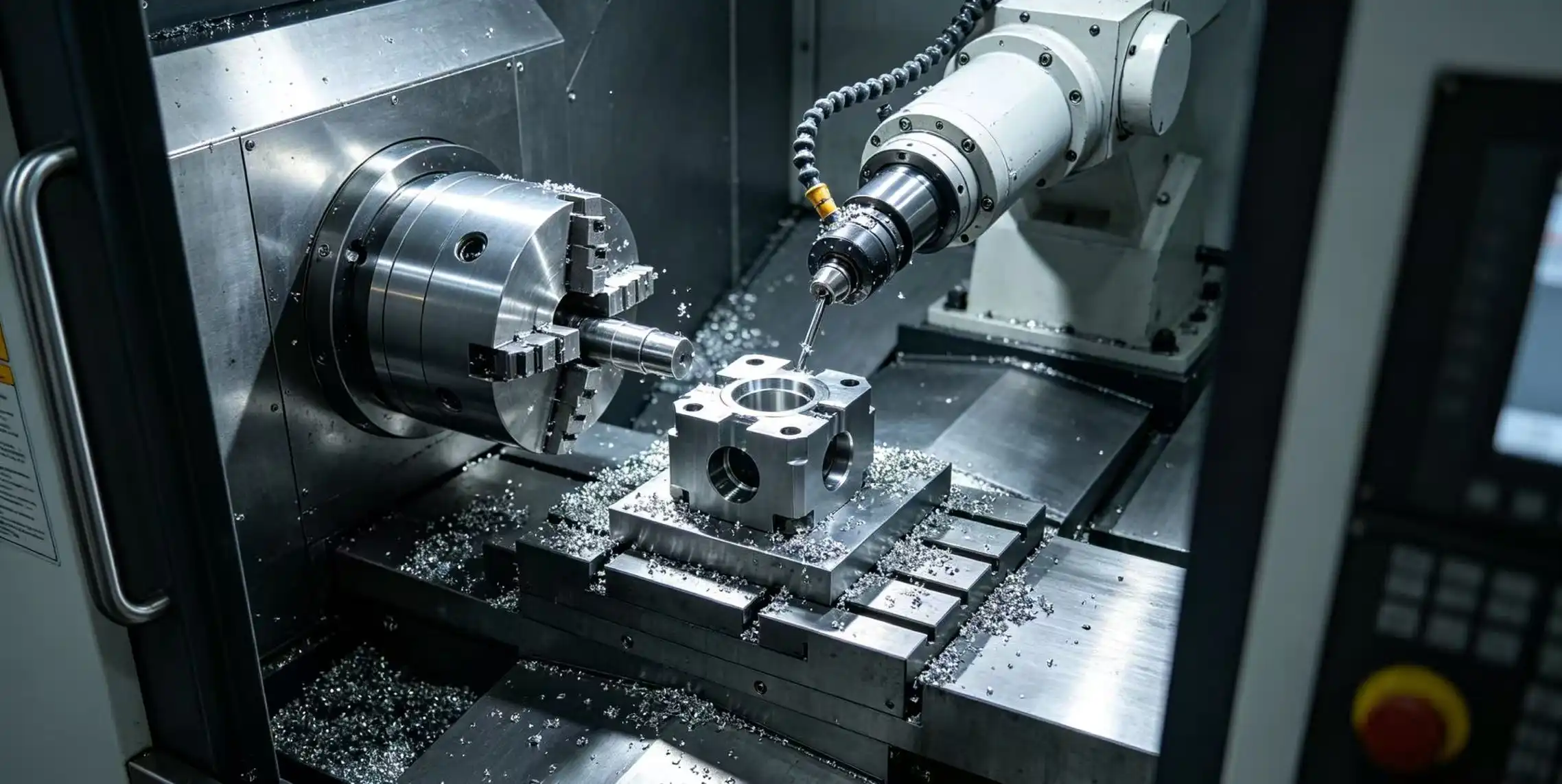
On-Demand Medical Parts Use Cases and Industry Applications
Applications in the real world show how on-demand medical parts can change many areas of healthcare. These examples show how new ways of making things can solve real-world problems and make things run more smoothly and better for patients.
Healthcare Provider Benefits and Operational Improvements
On-demand parts availability is very helpful for hospital maintenance teams. Repairs to important medical equipment that used to take weeks because of missing parts can now be done in just a few days. Surgical departments can get instruments that are specifically made for each operation. This improves the results of surgeries and shortens the time it takes to do them.
On-demand production is especially useful for emergency rooms because it is quick and flexible. It's easy to get replacement parts for life-support systems, diagnostic tools, and patient tracking systems. This keeps equipment from breaking down too often, which could affect patient care. Maintaining the functionality of equipment is directly linked to better patient outcomes and higher working efficiency.
OEM and Distributor Competitive Advantages
Original equipment manufacturers use on-demand features to cut down on the time it takes to build new products by a large amount. Rapid prototyping lets you make changes to your idea many times in a short amount of time, which is not possible with traditional manufacturing. OEMs can react to market demand and regulatory changes more quickly thanks to this acceleration.
Distribution networks gain from having less inventory while still meeting their service level commitments. With on-demand production, distributors can give a wider range of products without having to add more warehouse space or working capital. Custom products can be sold to smaller groups of people, which increases revenue options without increasing risk in the same way.
Material Performance in Critical Applications
Advanced biocompatible polymers work very well in a wide range of situations, from surgical implants to housings for diagnostic tools. These materials don't break down when they're sterilized, and their dimensions stay the same for a long time. Their light weight makes them easier for patients to carry while still being strong enough for hard tasks.
Medical-grade metals, especially titanium and its alloys, work really well in situations where biocompatibility and hardness are needed. These materials are used to make orthopedic devices that help osseointegration and provide long-term structural support. Titanium is good for dental uses because it doesn't rust and is safe for use in mouths.
How Procurement Professionals Benefit from On-Demand Medical Parts at MD&M West 2026?
One of the best reasons to use on-demand medical parts is that it can make procurement more efficient. The way things are made today is more efficient than the old way of buying things, and it gives us more control and flexibility over supply lines.
Streamlined Transaction Processes for Global B2B Clients
Online buying systems that work with real-time inventory management let you see right away what parts are available and when they need to be made. Traditional request-for-proposal methods take time, but automated quote generation gets rid of those delays. Digital platforms let procurement professionals upload CAD files, get immediate feedback on how well the product can be manufactured, and get exact prices within hours instead of days.
Payment flexibility lets companies meet a range of purchasing needs by giving them a choice of payment methods, such as purchase orders, credit terms, and project-based bills. Integration of shipment tracking gives you real-time visibility into the delivery process, which makes it easier to work with your own planning tools.
Bulk Ordering Options With Custom Specifications
Volume-based pricing systems can handle both one-off prototypes and large production runs through the same ordering system. Standard designs can be changed to fit special needs without having to buy new tools. This gives procurement professionals the freedom to choose the best order quantities based on real demand instead of manufacturing limitations.
Each shipment comes with quality paperwork that makes it possible to track it down, which is necessary for medical device compliance. Material certifications, dimensional inspection reports, and documentation of the production process all help meet regulatory standards and make quality assurance processes easier within the company.
Comprehensive Supplier Support and Service Excellence
Order management help is more than just processing transactions; it also includes technical advice and suggestions for making designs better. After-sales service includes fixing problems with quality, making sure deliveries go smoothly, and continuing to improve the supply chain. With this all-around method, relationships with suppliers go from being transactional to being strategic partnerships.
People who go to MD&M West 2026 and visit Booth 3860 will be able to directly experience these benefits through live examples and consultations. Leaders in the field will be ready to talk about specific procurement problems and look into custom solutions. It's easy to make connections with creative sellers at the event, where you can also check out new technologies and abilities.
BOEN Prototype: Your Trusted Partner for Advanced Medical Manufacturing
BOEN Prototype is a leader in making on-demand medical parts. They use their vast knowledge and cutting-edge technology to provide excellent results for healthcare clients around the world. Because we care about innovation, quality control, and customer satisfaction, we are the perfect partner for companies that need reliable, high-performance medical manufacturing options.
Comprehensive Manufacturing Capabilities and Technology Integration
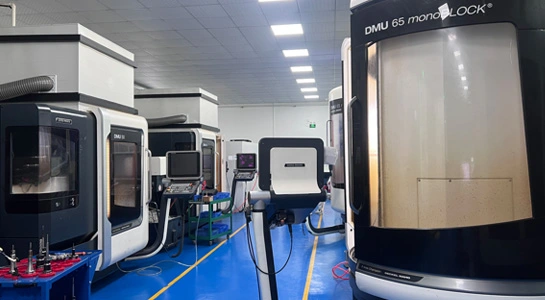
Our wide range of technologies includes a number of manufacturing methods that are specifically designed for medical use. Three-, four-, and five-axis CNC machines can be used for cutting, and they can work with medical-grade materials very precisely. SLA and SLS 3D printing technologies make it possible to make complicated shapes quickly and in small batches, which is not possible with traditional methods.
Rapid injection molding services make it possible to make moderate amounts of products at a low cost between prototyping and full production. Inexpensive ways to make many copies of samples or small production runs are available through vacuum casting. These tools work together to make sure we can suggest the best way to make something for each application.
Advanced Materials Expertise and Quality Assurance
Material choice is very important for how well a medical gadget works and for following the rules. Biocompatible polymers, medical-grade metals, and specialized alloys that meet strict healthcare standards are all things we know a lot about. Machining titanium can be done with both available pure titanium and different alloy compositions that are best for medical uses.
Instead of relying only on final inspection, quality methods include checking and inspecting throughout the whole production process. Material tracking systems keep full records from the time the raw materials are certified until they are delivered. With these strict quality standards, you can be sure that every part meets both customer needs and government standards.
Global Supply Chain Network and Customer Support
Our global production network lets us provide quick service to customers anywhere in the world. Regional facilities cut down on shipping times and costs while giving international customers local help. Partnerships in the supply chain make sure that materials are always available and prices are fair, even when the market changes.
Customer support goes beyond just fulfilling orders; it also includes helping with design, choosing materials, and making the manufacturing process run more smoothly. Technical experts work together with engineering teams from customers to find ways to cut costs, improve performance, and make manufacturing more efficient.
Conclusion
The MD&M West 2026 Anaheim show is a great chance for procurement workers, healthcare providers, and medical device makers to learn more about how on-demand medical parts are changing the healthcare supply chain. When you combine advanced manufacturing technologies with responsive delivery options and customization options, you can solve important problems that have generally slowed down the development and procurement of medical devices. As healthcare moves toward more personalized and efficient delivery models, on-demand manufacturing gives companies the flexibility and speed to meet these changing needs while still meeting the quality standards needed for patient safety and government regulations.
FAQ
What types of medical parts can be efficiently produced using on-demand manufacturing methods?
On-demand manufacturing excels at producing a wide range of medical components including surgical instruments, diagnostic equipment housings, orthopedic implants, dental prosthetics, and laboratory equipment parts. Custom surgical guides, patient-specific implants, and replacement components for medical devices represent particularly strong applications where traditional manufacturing approaches face limitations.
How do delivery timeframes compare between on-demand and conventional manufacturing approaches?
Typical delivery times for on-demand medical parts range from 1-3 weeks depending on complexity and material requirements, compared to 8-16 weeks for conventional manufacturing. Emergency orders can often be expedited to deliver within days when critical patient care depends on equipment functionality. This responsiveness particularly benefits healthcare providers managing equipment maintenance and emergency repair situations.
What compliance standards apply to on-demand medical parts and how do manufacturers ensure regulatory conformance?
On-demand medical parts must comply with the same regulatory standards as conventionally manufactured components, including FDA regulations, ISO 13485 quality management systems, and biocompatibility testing requirements. Reputable manufacturers maintain appropriate certifications and documentation systems to ensure full regulatory compliance throughout the manufacturing process.
Partner With BOEN Prototype for Your On-Demand Medical Parts Manufacturing Needs
BOEN Prototype delivers comprehensive on-demand medical parts manufacturing solutions that transform your procurement processes while ensuring exceptional quality and regulatory compliance. Our advanced CNC machining, 3D printing, and rapid prototyping capabilities enable us to serve as your trusted on-demand medical parts supplier for everything from complex titanium implants to precision surgical instruments. Contact our expert team at contact@boenrapid.com to discuss your specific requirements and discover how our on-demand medical parts manufacturing expertise can optimize your supply chain efficiency. Experience the advantages of working with an established on-demand medical parts manufacturer committed to your success.
References
Johnson, M.R., "Advanced Manufacturing Technologies in Medical Device Production: A Comprehensive Analysis," Medical Manufacturing Journal, Vol. 45, No. 3, 2024.
Thompson, S.L., "On-Demand Manufacturing Systems for Healthcare Applications: Efficiency and Quality Considerations," Healthcare Supply Chain Management Quarterly, 2024.
Rodriguez, A.P., "Biocompatible Materials in Additive Manufacturing for Medical Devices," International Journal of Medical Technology, Vol. 12, No. 2, 2024.
Chen, W.K., "Supply Chain Transformation Through On-Demand Manufacturing in Healthcare Sectors," Global Medical Device Industry Report, 2024.
Williams, J.D., "Regulatory Compliance in On-Demand Medical Device Manufacturing," Medical Device Regulatory Affairs Journal, Vol. 31, No. 4, 2024.
Anderson, R.T., "Economic Impact Analysis of On-Demand vs Traditional Medical Parts Manufacturing," Healthcare Economics Review, Vol. 18, No. 1, 2024.

How Can We Help?

Your Trusted Partner in Rapid Manufacturing.