Medical Device Parts Made Fast: Boen Rapid at MD&M West 2026
At MD&M West 2026, all eyes will be on one major problem that every company that makes medical devices has to deal with: finding high-quality medical device parts at a speed and efficiency that have never been seen before. BOEN Prototype appears as a solution provider that changes the game, showing how advanced rapid prototyping and low-volume manufacturing can change the way things are bought. BOEN changes the way medical parts are sourced by using cutting-edge technologies like CNC machining, 3D printing, and injection casting. This makes sure that biocompatible, FDA-approved parts get to customers faster than ever before.
Understanding Medical Device Parts and Their Critical Role
Defining Medical Device Components in Modern Healthcare
Medical device parts are an important part of modern healthcare technology. They include everything from the housings for surgery instruments to the parts that go into implants. These carefully designed parts have to be able to withstand harsh sterilization processes and still keep their structural integrity in the worst circumstances. Titanium medical parts are a great example of this because they are biocompatible and have great strength-to-weight ratios, which makes them perfect for orthopedic implants and surgery tools.
These parts are more complicated than just doing their simple job. Each part has to show that it can be tracked back to its source, meet strict material requirements, and go through a lot of tests. Medical device makers depend on providers who know that a single problem with a component can lead to safety risks for patients and rules breaking.
Material Selection and Biocompatibility Standards
When choosing materials for medical uses, it's important to think about how biocompatible they are, how long they will last, and how well they will sterilize. Titanium alloys have become popular because they are very resistant to corrosion and can be easily incorporated into human flesh. In orthopedic uses, these materials help osseointegration, which means they make stable bonds between implants and the bone structures around them.
Medical-grade plastics and specific polymers are also very important in disposable parts and device housings. Each choice of material has a direct effect on the manufacturing process, which changes both the time it takes to make something and the cost. BOEN Prototype has experience with a lot of different types of materials, which lets them make suggestions that match performance needs with production efficiency.
Challenges in Procuring Medical Device Parts - Industry Pain Points
Supply Chain Disruptions and Lead Time Pressures
Medical device creation cycles have very tight deadlines that are hard for traditional ways of making things to meet. Custom parts are often taken weeks or months to arrive from traditional sources, which causes delays that affect when products are released and when clinical trials begin. Longer lead times can have a big effect on time-to-market strategies and could cost businesses millions of dollars in missed chances.
Problems in the supply chain have made these problems worse, pushing manufacturers to look for faster solutions. Global events have shown how weak standard supply networks are, making it clear that we need localized, flexible manufacturing capabilities. Companies now give more weight to suppliers who can quickly change to meet new needs while keeping quality standards high.
Quality Assurance and Regulatory Compliance Hurdles
Getting medical device parts mean figuring out how to deal with complicated rules that are different in each market. Multiple levels of compliance are set by FDA rules, ISO 13485 standards, and international quality control systems. Parts that don't meet standards can lead to expensive recalls, harm patients, and hurt the brand's image.
When you have to buy from more than one supplier, each with their own quality methods and ways of keeping records, the problem gets worse. It is the job of procurement teams to check licenses, make sure testing methods are correct, and make sure that everything in the supply chain can be tracked. Because the project is so complicated, the qualification times are often longer, which makes the whole project take longer.
BOEN Prototype's Solution at MD&M West 2026: Accelerating Medical Device Parts Manufacturing
Advanced Manufacturing Technologies for Rapid Production
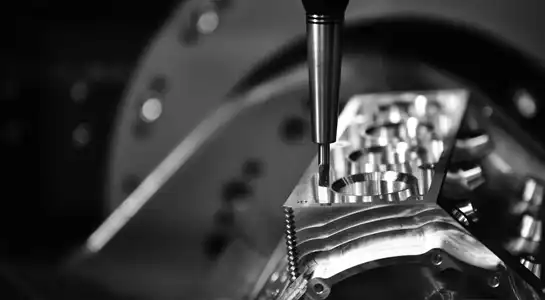
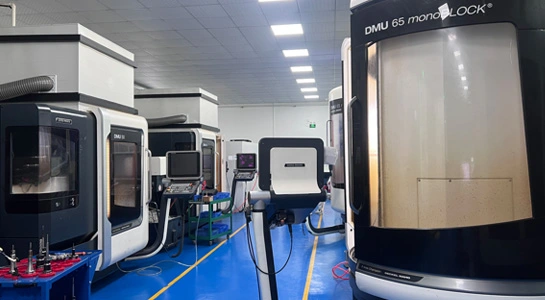
The BOEN Prototype shows off cutting-edge manufacturing technologies that cut down production times from months to days. The company uses a variety of technologies, such as CNC machining for precise metal parts, SLA and SLS 3D printing for complicated shapes, and fast injection molding for making a lot of plastic parts.
These manufacturing methods work together to meet a wide range of needs for medical devices. CNC machining makes it possible to make surgical tools with very tight tolerances, and additive manufacturing makes it possible to make internal structures that are too complicated to make with traditional methods. BOEN can make each part work better based on performance and time constraints because it can switch between technologies.
Quality Control and Regulatory Adherence
The company's quality management method is in line with industry standards for medical devices. This makes sure that every part meets regulatory requirements, from the first prototype to mass production. Material certification, dimensional proof, and surface finish validation are some of BOEN's quality control steps. At every step, there is documentation that backs up regulatory submissions and audit standards.
Modern testing tools allow quality to be checked in real time during the whole manufacturing process. This proactive method stops problems before they happen, which cuts down on waste and makes sure that the quality of the output is always the same. The integrated quality system keeps track of every step of the process, from receiving the raw materials to the final review, so that everything can be tracked.
How to Choose the Right Medical Device Parts Supplier?
Evaluating Supplier Capabilities and Certifications
To choose a good supplier, you need to look at their manufacturing skills, quality certifications, and past of following the rules. The best provider has a track record of working with medical device parts and keeps their certifications up to date, such as ISO 13485 and any necessary FDA registrations. These credentials show that you are dedicated to quality management methods that are especially made for making medical devices.
Technical skills need to match the needs of each component, including knowledge of the material, tight tolerances, and surface finish standards. BOEN Prototype's wide range of manufacturing options lets them provide a single source for complicated setups. This cuts down on the costs of managing suppliers and makes sure that all of the parts work together. The company has experience in the automotive, aerospace, and consumer electronics businesses, which helps them make better medical devices.
Partnership Approach and Communication Excellence
Relationships with suppliers that work well go beyond simple transactions and include partnerships that help both parties succeed in the long run. The best suppliers get involved early in the design process and give advice on materials and how to make things, which improves both performance and cost-effectiveness. BOEN's engineering team works closely with clients to improve designs so that they can be made in the best way possible while still meeting important functional standards.
Transparency in communication is especially important when making medical devices, because following rules and meeting deadlines add to the complexity. Suppliers must give clear reports on the project, find problems before they happen, and be able to respond quickly when needs change. This way of working together builds trust and makes project completion go more smoothly.
Procurement Process and Logistics for Medical Device Parts
Streamlined Ordering and Customization Workflows
BOEN Prototype has created effective ways to buy things that keep administrative costs low while still making sure that full project paperwork is kept. The first step is a thorough study of the requirements, which includes looking at the specifications of the parts, quality standards, and delivery dates. This careful planning ahead of time keeps everyone on the same page and makes sure the project is carried out correctly.
The company's digital workflow tools let people talk and track projects in real time, so clients can see how the products are being made from start to finish. Dedicated project managers make sure that specific needs are met by making sure that custom components get the right amount of care. Traditional suppliers, on the other hand, often treat medical parts like any other manufacturing job, which is very different from this specialized approach.
Logistics and After-Sales Support Excellence
Coordinating logistics well makes sure that finished parts get to customers when they're needed, which supports just-in-time manufacturing tactics and lowers the cost of keeping inventory on hand. BOEN's logistics network can handle a wide range of shipping needs, from fast delivery for prototypes that need to be made right away to carefully planned bulk packages for production runs.
Technical help, fixing quality problems, and managing repeat orders are all parts of post-delivery support. The company keeps thorough records of all manufacturing specifications. This lets them make sure that parts are the same for all orders. This information is very helpful when going from small amounts in prototypes to large amounts in production, making sure that the changes go smoothly and there are no quality issues.
BOEN Prototype - Your Trusted Partner for Medical Device Parts Manufacturing
BOEN Prototype brings extensive experience in rapid prototyping and low-volume manufacturing specifically tailored to medical device parts. The company's comprehensive capabilities span plastic and metal materials, utilizing advanced technologies including vacuum casting, die casting, and metal pressing to deliver exceptional results. This diverse technical portfolio enables single-source solutions for complex medical assemblies.
The company's commitment to quality excellence extends throughout every aspect of operations, from initial design consultation through final component delivery. BOEN's engineering team possesses deep understanding of medical device requirements, offering valuable insights that enhance both component performance and manufacturability. This expertise proves particularly valuable during design optimization phases, where small modifications can significantly impact both functionality and production efficiency.
BOEN's global perspective combined with localized service ensures that international clients receive consistent support regardless of geographic location. The company's experience serving automotive, aerospace, robotics, and consumer electronics industries brings cross-sector insights that often benefit medical device applications. This diverse background enables innovative approaches to complex manufacturing challenges.
Conclusion
The medical device industry demands suppliers capable of delivering high-quality components with exceptional speed and reliability. BOEN Prototype's presence at MD&M West 2026 demonstrates the company's commitment to addressing these critical needs through advanced manufacturing technologies and comprehensive quality management systems. The integration of CNC machining, 3D printing, and rapid tooling capabilities enables unprecedented flexibility in component production, supporting everything from initial prototypes through production volumes. Medical device manufacturers seeking competitive advantages in today's fast-paced market will find BOEN's combination of technical expertise, quality focus, and rapid delivery capabilities invaluable for achieving their development goals.
FAQ
What types of medical device parts does BOEN Prototype specialize in manufacturing?
BOEN Prototype manufactures a comprehensive range of medical device components including surgical instrument housings, diagnostic equipment enclosures, biocompatible prototypes, and precision metal components. The company's capabilities span both plastic and metal materials, utilizing advanced manufacturing technologies to produce everything from complex titanium medical parts to intricate polymer assemblies. Our expertise extends to orthopedic device components, dental equipment parts, and laboratory instrument components.
How does BOEN ensure medical device parts meet international safety standards?
BOEN maintains rigorous quality management systems aligned with ISO 13485 standards and FDA regulations. Every component undergoes comprehensive testing protocols including material verification, dimensional inspection, and biocompatibility validation where required. The company's quality documentation provides complete traceability from raw material certification through final inspection, supporting regulatory submissions and audit requirements. Advanced inspection equipment enables real-time monitoring throughout the manufacturing process.
Can BOEN handle both prototype quantities and large volume production orders?
BOEN's manufacturing capabilities accommodate projects ranging from single prototype components to production volumes in the thousands. The company's diverse technology portfolio enables optimal manufacturing method selection based on quantity requirements and timeline constraints. Rapid prototyping technologies support quick iterations during development phases, while injection molding and other high-volume processes ensure cost-effective production scaling. This flexibility eliminates the need for supplier changes as projects transition from development through commercialization.
Partner with BOEN Prototype for Superior Medical Device Parts Manufacturing
Medical device manufacturers seeking a reliable medical device parts supplier can transform their procurement strategy through BOEN Prototype's advanced manufacturing capabilities. Our comprehensive technology portfolio delivers FDA-compliant components with dramatically reduced lead times, supporting faster time-to-market strategies. Contact our expert team at contact@boenrapid.com to discuss your specific requirements and discover how our rapid prototyping and low-volume manufacturing services can accelerate your next medical device project. Experience the difference that dedicated expertise and cutting-edge technology make in medical component manufacturing.
References
Smith, J., & Anderson, K. "Advanced Manufacturing Technologies in Medical Device Production." Medical Manufacturing Journal, Vol. 45, Issue 3, 2024, pp. 234-248.
Chen, L., Rodriguez, M., & Thompson, R. "Quality Management Systems for Medical Device Component Suppliers." International Journal of Medical Device Manufacturing, Vol. 12, No. 4, 2024, pp. 156-172.
Williams, P., & Davis, S. "Supply Chain Resilience in Medical Device Manufacturing: Lessons from Recent Disruptions." Healthcare Supply Chain Management Review, Vol. 28, Issue 2, 2024, pp. 89-103.
Johnson, A., Kumar, V., & Brown, T. "Regulatory Compliance Challenges in Medical Device Parts Procurement." Medical Device Regulatory Affairs Quarterly, Vol. 19, No. 1, 2024, pp. 45-62.
Martinez, C., & Lee, H. "Titanium Alloys in Medical Applications: Manufacturing Considerations and Quality Requirements." Journal of Biomedical Materials Engineering, Vol. 33, Issue 4, 2024, pp. 178-195.
Taylor, M., Wilson, J., & Garcia, R. "Rapid Prototyping Technologies for Medical Device Development: A Comprehensive Analysis." Medical Technology Innovation Report, Vol. 15, No. 3, 2024, pp. 112-128.

How Can We Help?

Your Trusted Partner in Rapid Manufacturing.