Metal Stamping Explained: Benefits, Costs, and Use Cases
Metal stamping is a fundamental manufacturing process that uses controlled deformation methods to mold flat metal sheets into precisely formed components. This cold-forming technique uses specialized dies and high pressure to produce a wide range of products with remarkable precision and reproducibility, including medical device housings and automobile components. For companies that need to produce complicated components in large quantities, metal stamping is essential since it is more cost-effective than machining while yet keeping tight tolerances. The procedure includes a number of methods, such as blanking, deep drawing, and progressive die stamping, each of which is appropriate for certain geometric specifications and production quantities.
Understanding Metal Stamping and Its Core Benefits
Metal stamping uses precise tooling to apply mechanical force in accordance with basic principles of material deformation. Flat coils or sheets of metal are first fed into stamping presses that have specially made dies to produce certain component geometries. Stamping reshapes existing material, as opposed to machining, which removes material. This results in stronger products because of enhanced grain flow properties and work hardening effects.
Key Techniques and Material Considerations
The most adaptable method is progressive die metal stamping, which enables many processes with a single press stroke. This technique is excellent at creating intricate pieces with many features, bends, and cuts while preserving dimensional consistency across millions of cycles. For enclosures and housing components that are often required in electronics and automotive applications, deep draw stamping produces parts with notable depth-to-width ratios.
The choice of material is essential to the success of stamping. Aluminum alloys are perfect for consumer electronics and aircraft because of their exceptional formability and resistance to corrosion. While carbon steel offers cost-effectiveness for high-volume automotive components, stainless steel offers higher strength and biocompatibility for medical applications. To get the best results, each material needs a different die design and set of processing settings.
Competitive Advantages Over Alternative Methods
There are a number of clear benefits of metal stamping over CNC machining, casting, or laser cutting. With cycle durations measured in seconds rather than minutes, stamping offers remarkable speed in high-volume manufacturing. Because the pieces nest well on sheet stock, the procedure produces very little waste and supports environmentally friendly production methods. Furthermore, because to work hardening, which often eliminates the need for subsequent strengthening procedures, stamped parts have higher mechanical qualities.
Benefits to the environment include lower material waste ratios and less energy used per product as compared to machining procedures. These elements lower total manufacturing costs while supporting contemporary environmental objectives. Additionally, handling and labor needs are greatly reduced when various forming processes may be integrated in a single stroke.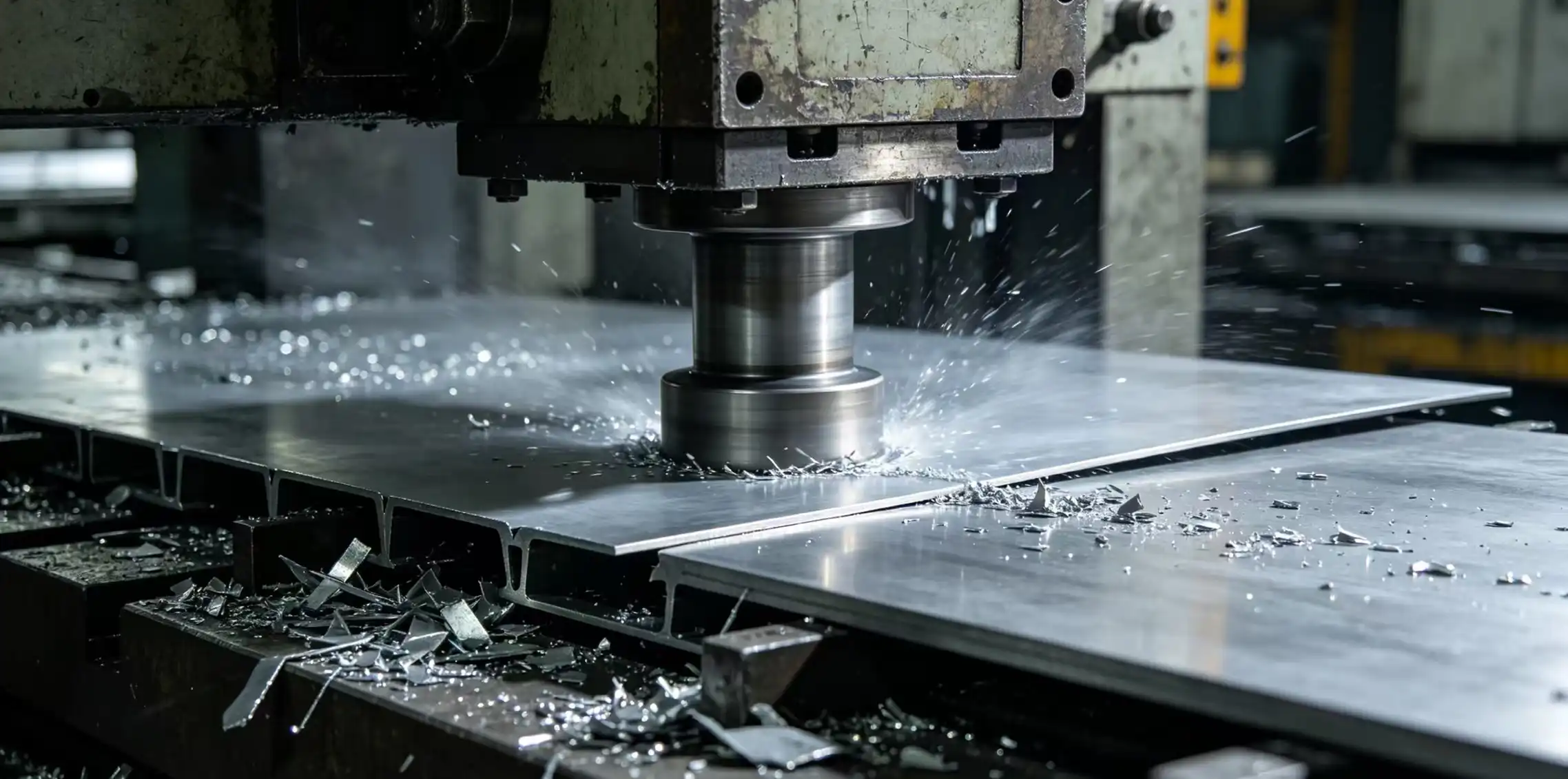
Metal Stamping Methods and Use Cases: Choosing the Right Technique
Selecting appropriate stamping techniques requires careful consideration of part geometry, material properties, and production volumes. Each method offers unique capabilities that serve specific engineering requirements across diverse industries.
Progressive Die Stamping Applications
Progressive die systems are excellent in creating intricate pieces that call for many steps, including forming, trimming, and piercing. This method is used by automakers to make mounting hardware, structural brackets, and interior parts that need high strength-to-weight ratios. The technique maintains the tight tolerances necessary for assembly processes while accommodating complex shapes.
Progressive stamping is used by makers of electronic devices to create shielding components, heat sinks, and connection housings. In delicate applications, the accuracy attained by this technique guarantees appropriate fit and electromagnetic compatibility. Progressive stamping is used by medical device manufacturers to create surgical tools and implanted component housings, which call for superior surface finishes and biocompatible materials.
Specialized Techniques for Unique Requirements
A specific kind of metal stamping called deep draw stamping may be advantageous for industries that need enclosed or cup-shaped components. Aerospace applications include structural elements that must withstand severe weather conditions, sensor housings, and fuel system components. The technique improves fatigue resistance by work-hardening materials, which is crucial for flight-related applications.
Blanking and fine blanking processes give the exact cutting capabilities needed to produce gaskets, washers, and thin-walled components. By obtaining outstanding edge quality without the need for additional finishing steps, fine blanking enhances component performance and reduces production costs. This method is particularly helpful to medical equipment manufacturers, who need burr-free edges for patient safety.
Industry-Specific Design Considerations
Weight optimization, corrosion resistance, and crash performance must all be taken into account for automotive applications. Design elements must adhere to safety regulations and allow for assembly procedures. Electrical conductivity, thermal management qualities, and dimensional stability are given top priority in electronics applications. Biocompatibility, sterilization resistance, and ergonomic considerations are necessary for medical applications.
Tool wear concerns, springback compensation, and material flow patterns are all important components of successful stamping design. While carefully placing relief cuts allows for material stretching, the right fillet radii avoid cracking during forming. These design guidelines maximize tool life and part performance while guaranteeing manufacturability.
Cost Factors and Procurement Insights for Metal Stamping Services
Understanding stamping cost structures enables informed procurement decisions and accurate project budgeting. Multiple factors influence pricing, requiring comprehensive evaluation beyond simple per-piece costs.
Material and Volume Impact on Pricing
Material selection is essential for budget optimization since raw material costs usually account for 40–60% of overall stamping expenses. Although high-strength alloys are more expensive, they may lower secondary processes, which would balance off the original material costs. Tooling amortization is greatly impacted by volume considerations; bigger volumes justify more complex and costly die designs that lower per-piece costs.
Different price tiers are created by production volume criteria. While high-volume manufacturing warrants sophisticated progressive dies that reduce cycle times, low-volume runs could call for simpler tooling that costs more per piece. Procurement teams may negotiate advantageous price structures and determine the ideal order amounts by being aware of these breakpoints.
Tooling Investment and Lead Time Considerations
In metal stamping, die design and manufacturing are large upfront expenditures that are spread out throughout production quantities. In high-volume situations, complex metal stamping components that need many procedures result in reduced per-piece costs but require sophisticated tooling with longer lead times. Simple metal stamping bend and pierce procedures are appropriate for prototype and low-volume applications because they need little tooling investment.
Production scheduling and tooling fabrication must be taken into consideration when planning lead times. While exotic materials or complicated geometries prolong delivery timelines, standard tooling materials and designs shorten manufacturing times. Early supplier engagement allows for concurrent engineering techniques that reduce overall project schedules.
Supplier Evaluation and Risk Mitigation
Reliable stamping suppliers demonstrate comprehensive quality systems, appropriate certifications, and proven track records in relevant industries. ISO 9001 certification indicates robust quality management systems, while industry-specific certifications such as AS9100 for aerospace or ISO 13485 for medical devices ensure regulatory compliance capabilities.
Geographic proximity influences logistics costs, lead times, and communication efficiency. Domestic suppliers often provide advantages in intellectual property protection, quality oversight, and supply chain stability. However, global suppliers may offer cost advantages for high-volume applications where logistics costs become negligible relative to piece prices.
Why Partner with a Trusted Metal Stamping Provider
Successful metal stamping partnerships require suppliers who understand both technical requirements and business objectives. BOEN Prototype brings extensive expertise across multiple industries, enabling comprehensive support from prototype development through full production.
Technical Capabilities and Quality Assurance
Our metal stamping capabilities encompass progressive die operations, deep drawing, and precision blanking across various materials including aluminum, stainless steel, and specialty alloys. Advanced quality control systems ensure dimensional accuracy and surface finish requirements are consistently met. Statistical process control methods monitor production parameters in real-time, enabling immediate corrections that prevent defective parts.
Integration with our CNC machining, die casting, and rapid prototyping services provides comprehensive manufacturing solutions under one roof. This integration enables complex assemblies that combine stamped components with machined features, reducing supplier management complexity while ensuring component compatibility.
Industry Experience and Application Knowledge
Automotive clients benefit from our understanding of crash performance requirements, corrosion resistance needs, and metal stamping assembly process considerations. We've successfully supported EV startups in developing battery housing components and thermal management systems that require precise tolerances and material properties. Our experience with Tier-1 suppliers ensures compliance with automotive quality standards and delivery requirements.
Electronics manufacturers leverage our expertise in electromagnetic shielding, thermal dissipation, and miniaturization challenges. Smart-home device developers have utilized our rapid prototyping capabilities to accelerate product development cycles while maintaining cost-effectiveness for production volumes. Medical device clients rely on our biocompatible material expertise and clean-room capabilities for critical applications.
Responsive Service and Innovation Support
Our engineering team collaborates closely with clients during design phases, identifying opportunities for cost reduction and performance improvement. Design for manufacturability reviews prevent costly tooling modifications while optimizing part functionality. Rapid prototyping capabilities enable design validation before tooling investment, reducing project risks and accelerating time-to-market.
Value-added services include secondary operations such as deburring, surface treatments, and assembly operations that deliver finished components ready for installation. This comprehensive approach reduces client supply chain complexity while ensuring quality consistency across all operations.
Conclusion
Metal stamping delivers unmatched efficiency for high-volume production of complex metal components across diverse industries. The process combines exceptional precision with cost-effectiveness, making it ideal for automotive, electronics, medical, and aerospace applications. Understanding various stamping techniques, cost factors, and supplier capabilities enables informed procurement decisions that optimize both quality and budget considerations. Successful partnerships with experienced stamping providers like BOEN Prototype ensure access to comprehensive technical expertise, quality assurance, and responsive service that supports product development objectives while minimizing supply chain risks.
FAQs
1. What materials work best for different stamping applications?
Material selection depends on specific application requirements. Aluminum alloys excel in aerospace and electronics due to their excellent strength-to-weight ratio and corrosion resistance. Stainless steel suits medical and food-grade applications requiring biocompatibility and sanitary properties. Carbon steel provides cost-effective solutions for automotive structural components where high strength is required. Copper alloys offer superior electrical conductivity for electronic connectors and electrical components.
2. How does stamping cost compare to laser cutting and CNC machining?
Stamping becomes cost-effective at higher production volumes due to tooling amortization benefits. While initial tooling costs exceed laser cutting setup fees, per-piece costs drop significantly with volume. CNC machining offers flexibility for complex geometries but requires longer cycle times and generates material waste. Stamping delivers superior speed and material utilization for parts within its geometric capabilities, making it ideal for production volumes exceeding several thousand pieces annually.
3. What lead times should I expect for custom stamped components?
Lead times vary based on tooling complexity and production volumes. Simple bend and pierce operations typically require 2-3 weeks for tooling fabrication plus production time. Complex progressive dies may require 6-8 weeks for design and fabrication. Production scheduling depends on volume requirements, with small batches often completing within days while high-volume orders may require several weeks for completion.
Partner with BOEN Prototype for Your Metal Stamping Needs
BOEN Prototype combines decades of metal stamping expertise with comprehensive manufacturing capabilities to deliver precision components that meet your exact specifications. Our experienced engineering team collaborates with automotive OEMs, electronics manufacturers, medical device companies, and aerospace firms to optimize designs for manufacturability while reducing costs and accelerating time-to-market. Whether you need rapid prototyping for design validation or full-production stamped components, our integrated approach ensures quality consistency and reliable delivery. Contact our technical team at contact@boenrapid.com to discuss your metal stamping requirements and discover how our metal stamping manufacturer capabilities can support your product development goals with competitive pricing and exceptional service.
References
1. American Society of Mechanical Engineers. "Metal Forming Processes: Fundamentals and Industrial Applications." ASME Press, 2019.
2. Kalpakjian, Serope, and Steven Schmid. "Manufacturing Engineering and Technology." Pearson Education, 2020.
3. Hosford, William F., and Robert M. Caddell. "Metal Forming: Mechanics and Metallurgy." Cambridge University Press, 2018.
4. Society of Manufacturing Engineers. "Tool and Manufacturing Engineers Handbook: Volume 2 - Forming." SME Publications, 2017.
5. Lange, Kurt. "Handbook of Metal Forming." McGraw-Hill Professional, 2019.
6. Precision Metalforming Association. "Guidelines for Precision Sheet Metal Fabrication." PMA Educational Foundation, 2020.

How Can We Help?

Your Trusted Partner in Rapid Manufacturing.