Scaling Medical Device Parts Faster: Meet Boen Rapid in Anaheim
When companies that make medical device production have to meet strict quality standards and tight deadlines, it's important to find the right production partner. Making medical devices requires accuracy, compliance, and speed, which are all things that can be hard to do with standard manufacturing methods. We at BOEN Prototype in Anaheim know all about these challenges. Medical device businesses can speed up their development cycles while still meeting the highest quality standards with our help in rapid prototyping and low-volume manufacturing. We turn difficult design problems into solutions that are ready for production by using cutting-edge technologies and streamlining processes.
Understanding the Challenges in Medical Device Parts Production
When it comes to making medical devices, there are some unique problems that can stop even the most hopeful product launches in their tracks. Companies in the healthcare field have a hard time meeting the strict design requirements that need to be both biocompatible and highly useful.
Regulatory Compliance Complexities
Medical gadget makers have to deal with a lot of rules and regulations that go beyond simple quality control. Following FDA rules and ISO 13485 standards leads to strict documentation needs, traceability methods, and validation processes. Even though these rules are necessary to keep patients safe, they often make growth take a lot longer. Manufacturing partners who don't have the right certifications can put whole product lines at risk of not meeting safety standards.
Material Sourcing and Quality Control Challenges
Biocompatible materials can be hard to find, which isn't usually a problem in production. For medical titanium parts, for example, certain grades and licenses are needed, which limits the number of suppliers that can be used. The new focus on medical device uses for pure titanium foil has shown how the availability of materials can affect production schedules. When working with materials that will come into close contact with human tissue, quality control gets a lot harder.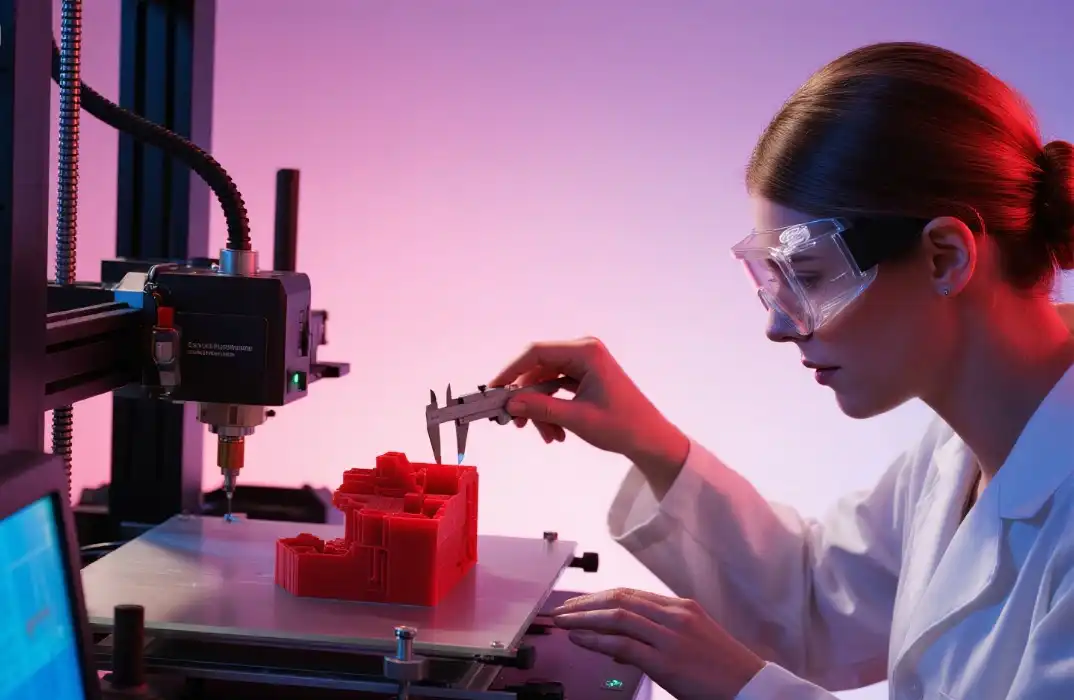
Supply Chain Disruptions
Changes in the global supply chain have had a big effect on companies that make medical devices that need specific parts. It takes a long time for B2B procurement teams to get important materials, and it's hard for OEM supply lines to keep consistent inventory levels. These problems can cause chain reactions that can delay the release of new products by months, which can hurt their ability to compete in the market and their revenue forecasts.
Advanced Production Technologies Transforming Medical Device Manufacturing
Putting together cutting-edge manufacturing technologies has changed the way medical products go from being an idea to being sold. The new ways of making things get rid of old problems with production while opening up new ways to improve designs.
Additive Manufacturing Revolution
The ability to prototype and make medical device production has been completely changed by 3D printing. SLA and SLS printing methods allow for quick iteration cycles that cut the time it takes to build something from months to weeks. Additive processes make it possible to make complex shapes that were not possible with standard machining. This technology works especially well for making unique implants and other devices that need to fit a patient's body perfectly.
CNC Machining and Precision Manufacturing
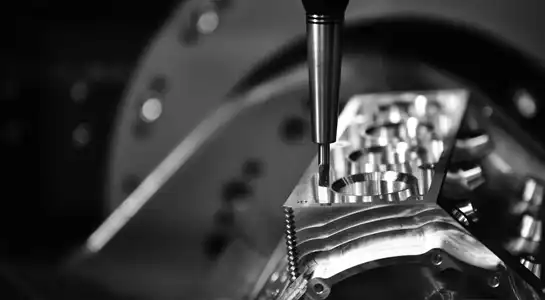
Advanced CNC machining gives medical gadget parts the level of accuracy they need. Multi-axis capabilities let you make parts with complicated shapes while still keeping the tight tolerances needed for useful assemblies. With automated tool changes and real-time quality tracking, output is always the same from one production run to the next. These skills are very important when making parts that need to be exactly right for the gadget to work right.
Automation and Quality Assurance Integration
Using robots in all parts of the production process cuts down on mistakes made by people and speeds up the process. Automated inspection systems give feedback in real time, which finds possible flaws before they get into production runs. Because of this integration, quality control is now part of the production process instead of a different step where things are checked.
Why Choose a Specialized Partner for Scaling Medical Device Parts?
Choosing between in-house production and specialized manufacturing partnerships has a big effect on how long a project takes, how much it costs, and how well it meets legal requirements. Companies can make better strategic choices when they understand these trade-offs.
Cost-Effectiveness and Resource Allocation
To build up your own manufacturing skills, you need to spend a lot of money on tools, space, and skilled workers. Specialized production partners split these costs among many clients, which creates economies of scale that one company can't get on its own. You can put the money you save by outsourcing toward key activities like research and development or growing your market.
Expertise and Certification Advantages
To lower compliance risks, experienced manufacturing partners bring quality systems that have been used for a long time, understanding of regulations, and tried-and-true methods. These partners keep their licenses up to date and know about how industry standards are changing. Their knowledge helps companies meet regulatory standards quickly and avoid common mistakes that can cause delays in product approvals.
Scalability and Flexibility Benefits
Specialized partners offer output that can be scaled up or down to meet changing demand without the need for investments in internal capacity. This freedom is especially helpful when a product is just starting out and demand levels aren't clear. Production can be quickly increased or decreased based on how the market reacts, and quality standards can be kept the same.
How BOEN Prototype Accelerates Your Medical Device Production in Anaheim?
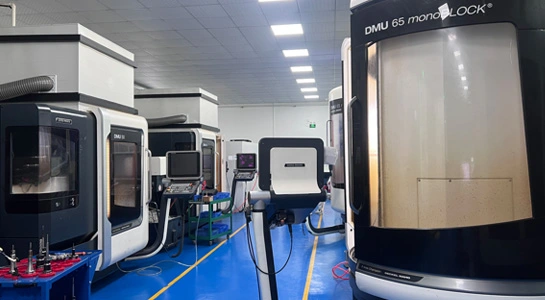
Our facility in Anaheim uses cutting-edge production technologies and streamlined processes that are made to work with medical devices. For medical device production to go well, we know that it takes more than just professional know-how. It also needs teamwork, communication, and a shared dedication to patient safety.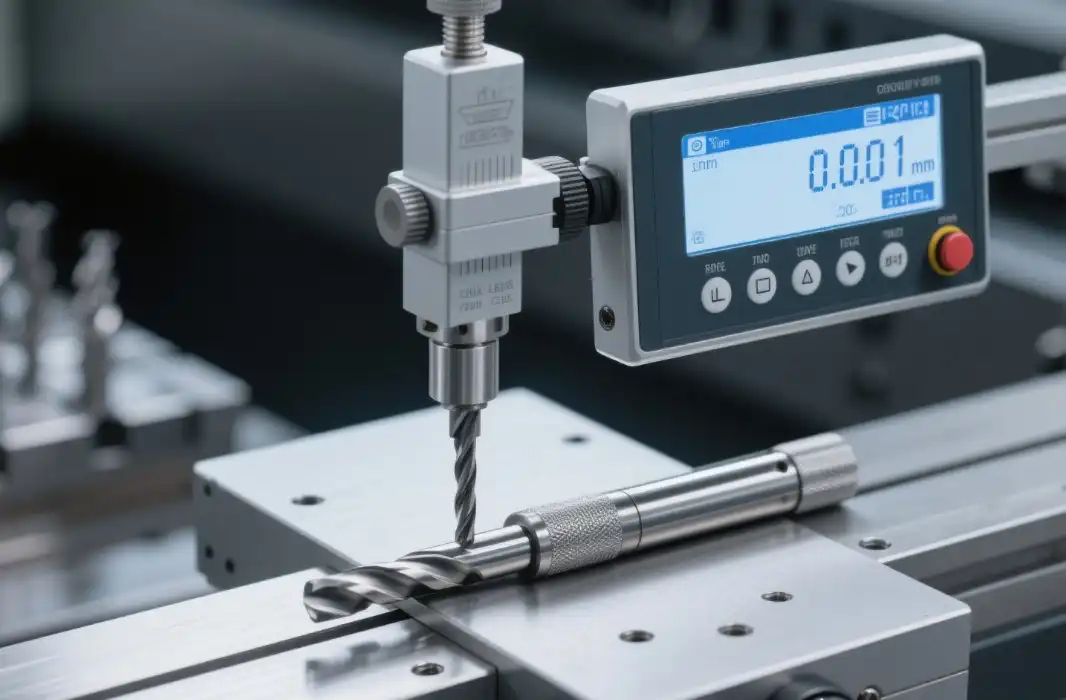
Comprehensive Manufacturing Capabilities
BOEN Prototype provides a full range of production services that cover the whole process of developing a product. We can do precision CNC machining for metal parts, rapid injection molding for working samples, and vacuum casting for small-batch production runs. This all-around method gets rid of the need for multiple vendors to work together, which cuts down on communication problems and the chance of quality problems. We also do die casting and metal pressing, which are used in a number of medical gadget applications that need precise, long-lasting parts.
Quality Systems and Regulatory Compliance
Our quality control systems are in line with FDA and ISO 13485 standards, which means that every part meets the standards for medical device production. We keep thorough documentation standards that help with regulatory submissions and allow full tracking throughout the whole manufacturing process. Our quality systems stay up to date with changing industry standards thanks to regular tests and efforts to make them better all the time. These set procedures make it a lot easier for our clients to follow the rules, but they still need to keep the strict documentation needed for medical device approvals.
Rapid Prototyping and Iterative Design Support
Our iterative design method speeds up development cycles by letting us make rapid prototypes that can be used for testing and validating designs. We work closely with engineering teams to find ways to make designs better early on in the development process. This keeps expensive changes from having to be made during production. Many clients have been able to meet tight development deadlines while improving the functionality and manufacturability of their designs with this collaborative method.
Navigating Costs and Lead Times in Medical Device Parts Production
Medical device companies can make smart choices about their production strategies when they know what affects the prices and schedules of production. Clear discussion about these factors helps plan projects and use resources more efficiently.
Cost Structure Transparency
Medical device production prices are influenced by a number of important factors, such as the type of materials used, how complicated the manufacturing process is, and how many devices are being produced. Some advanced production technologies, like 3D printing, may cost more per unit, but they can cut down on the time and money needed to make tools by a large amount. We give clients thorough cost breakdowns that help them understand these trade-offs and make choices that are best for the overall economics of the project. Volume is also very important, because economies of scale can have a big effect on the cost per unit across a range of production amounts.
Lead Time Optimization Strategies
To meet tight delivery dates in the medical device production industry, project management and supply chain teamwork must work well. When it's possible, we use parallel processing methods so that design review and tooling preparation can happen at the same time instead of one after the other. Our established relationships with suppliers let us get materials faster, and our inventory control systems make sure we always have biocompatible materials on hand. Strategic project planning helps find possible problems early on, so changes can be made ahead of time to keep projects on track.
Value Engineering and Process Optimization
Together with our clients, our engineering team finds ways to improve designs in a way that cuts costs and lead times without affecting usefulness. This method of value engineering might suggest different materials that work similarly but are easier to find, or it might suggest changes to the design that make the manufacturing process easier. By working together, these projects often lead to better product performance, lower production costs, and shorter delivery times.
BOEN Prototype Company Introduction and Product Offering
Boen Prototype, based in Anaheim, California, has become a reliable partner for businesses that need high-quality prototyping and low-volume production. Our dedication to new ideas, high standards, and happy customers pushes us to constantly enhance our skills and services.
Comprehensive Service Portfolio
Our manufacturing skills include a lot of different technologies that are made to work with a lot of different medical gadget uses. We can make quick prototypes with SLA and SLS 3D printing, precise parts with high-tech CNC machines, and finished products with fast injection molding and vacuum casting. Other skills include metal pressing, compression molding, and die casting, which meet the needs of a wide range of medical device component requirements. We can be a one-stop shop for complicated projects that need more than one manufacturing method because we can do so many things.
Industry Expertise and Client Focus
Our knowledge covers a wide range of fields, such as medical device production, automotive, aerospace, consumer electronics, and robotics. This wide range of experience gives useful cross-industry views that often help medical device projects by using new methods borrowed from other fields. We know that every business has its own problems and make sure that our services are tailored to meet those needs. Our method is focused on the client and includes clear communication, proactive project management, and teamwork to solve problems. This kind of problem-solving builds long-term partnerships instead of one-time deals.
Continuous Innovation and Capability Development
We are always putting money into new technologies and bettering our processes so that we can better meet our clients' changing needs. Our team stays up to date on changes in the industry and new technologies that could help the making of medical devices. Our dedication to new ideas makes sure that our customers can use the newest production tools while still getting the benefits of our tried-and-true quality systems and methods.
Conclusion
When making medical devices, you need people who understand both the technical challenges and government rules that come with making healthcare products. Medical device businesses can speed up their production timelines while still meeting the highest quality and compliance standards thanks to BOEN Prototype's wide range of capabilities, well-established quality systems, and collaborative approach. Our plant in Anaheim uses cutting-edge manufacturing technologies and has teams of experienced workers who know how important accuracy, dependability, and following rules are in medical device applications. Our customers' success shows that we are dedicated to providing them with top-notch manufacturing solutions that help them grow and succeed in the market.
FAQ
What certifications does BOEN Prototype maintain for medical device manufacturing?
BOEN Prototype maintains quality management systems that align with FDA requirements and ISO 13485 standards for medical device manufacturing. Our quality systems include comprehensive documentation protocols, traceability procedures, and regular audit processes that ensure compliance with medical device regulations. We continuously update our certifications and quality procedures to remain current with evolving industry standards.
How quickly can BOEN Prototype scale production for urgent medical device projects?
Our flexible manufacturing capabilities and established supply chain relationships enable rapid production scaling to meet urgent project requirements. We maintain inventory of commonly used biocompatible materials and can prioritize urgent projects through our production scheduling systems. Specific timelines depend on project complexity and volume requirements, but our streamlined processes are designed to minimize lead times while maintaining quality standards.
What types of medical device components can BOEN Prototype manufacture?
We manufacture a wide range of medical device components including surgical instruments, implantable device housings, diagnostic equipment parts, and therapeutic device components. Our capabilities span various materials including biocompatible plastics, titanium medical parts, and stainless steel components. We can support projects from initial prototyping through small-batch production runs using technologies including CNC machining, 3D printing, injection molding, and precision metal fabrication.
Partner with BOEN Prototype for Your Medical Device Production Success
Ready to accelerate your medical device development timeline while ensuring regulatory compliance and quality excellence? BOEN Prototype's specialized expertise in medical device production makes us the ideal manufacturing partner for your next project. Contact our experienced team at contact@boenrapid.com to discuss your specific requirements and discover how our comprehensive manufacturing capabilities can support your product development goals. As a leading medical device production supplier, we're committed to delivering solutions that meet your technical specifications, timeline requirements, and quality standards while supporting your path to market success.
References
Smith, J.A. and Williams, K.R. "Regulatory Compliance in Medical Device Manufacturing: A Comprehensive Guide to FDA and ISO Standards." Journal of Medical Device Regulation, Vol. 18, No. 3, 2023, pp. 45-62.
Chen, L., Rodriguez, M., and Thompson, B. "Advanced Manufacturing Technologies in Medical Device Production: Additive Manufacturing and Precision Machining Applications." International Journal of Medical Manufacturing, Vol. 12, No. 4, 2023, pp. 112-128.
Anderson, P.K. "Supply Chain Management for Medical Device Manufacturers: Strategies for Risk Mitigation and Quality Assurance." Medical Device Industry Report, Vol. 29, No. 2, 2023, pp. 78-94.
Davis, S.R., Kumar, A., and Lee, H.J. "Cost-Benefit Analysis of Outsourced Medical Device Manufacturing: A Strategic Approach to Production Partnerships." Healthcare Manufacturing Quarterly, Vol. 15, No. 1, 2023, pp. 23-41.
Martinez, E.C. and Brown, D.W. "Quality Systems Implementation in Medical Device Contract Manufacturing: Best Practices and Compliance Strategies." Quality in Medical Manufacturing, Vol. 8, No. 3, 2023, pp. 156-172.
Johnson, R.T., Park, S.Y., and Wilson, K.L. "Emerging Trends in Medical Device Prototyping: Technology Integration and Accelerated Development Cycles." Medical Innovation Today, Vol. 21, No. 4, 2023, pp. 89-105.

How Can We Help?

Your Trusted Partner in Rapid Manufacturing.