Typical Lead Times for Prototype Manufacturing Services
Depending on the complexity of the design, the choice of material, and the needs of the production process, prototype manufacturing services can take anywhere from one to five days for simple 3D printed parts and two to four weeks for complex CNC made parts. For buying teams in the aircraft, medical device, car, and electronics industries that have to keep tight development plans, knowing these dates is very important. QTraditional manufacturing timelines have been changed by modern rapid prototyping tools, which allow faster design approval and shorter product development processes.
Understanding Prototype Manufacturing Lead Times
In prototype manufacturing, lead times change a lot based on a number of linked factors, such as the complexity of the design, the chosen manufacturing method, the supply of materials, the capacity of the equipment, and the specific quality control needs. Because these factors are connected, the world is always changing, and small changes in one area can have big effects on the overall project timelines.
Manufacturing Method Impact on Timeline
Rapid prototyping technologies, such as 3D printing, usually have shorter lead times than standard production methods. However, exact lead times vary a lot on the type of sample and what it will be used for. Electronic prototypes often take longer to make because they have to be put together in complicated ways and tested thoroughly to make sure they work as planned.
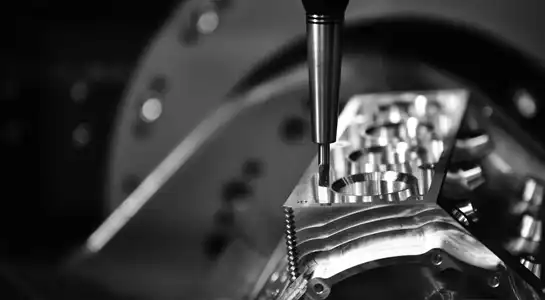
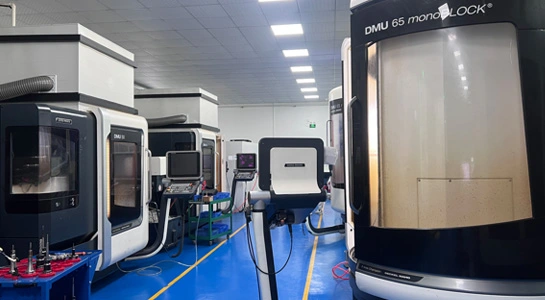
Lead times for CNC machining jobs are usually longer because of the setup, tools, and multi-stage cutting processes that need to be done. But these methods often give better surface finishes and more accurate measurements, which makes longer lead times worth it for important jobs that need exact specs.
Prototype vs Production Manufacturing Timelines
When buying teams look at the differences between prototype manufacturing plans and production schedules, they need to be aware of these differences. It may look like prototype lead times are shorter than production runs, but longer development stages can add a lot of value by making sure that all functions and designs are fully tested before mass production starts.
In production manufacturing, economies of scale lower the cost per unit, but setup times are longer and minimum order numbers are higher. When making prototypes, freedom and the ability to make changes quickly are more important than volume efficiency. This means that different optimization methods are needed for each stage of product development.
Key Factors Affecting Lead Times and How to Optimize Them
Finding the right materials is often what sets the earliest project start date. Finding rare or specialized materials can cause big delays that affect whole development plans. Common plastics, metal, and steel are examples of standard materials that are usually easy to find. On the other hand, getting advanced blends or specific alloys may take longer.
Design Complexity and Iteration Management
Design complexity and multiple revision rounds naturally make project timelines longer, but these delays can be lessened by incorporating design for manufacturability principles early on. Involving prototype manufacturing services providers and other industrial partners in the early stages of planning helps identify potential production issues before they trigger costly delays later in the development process.
Setting up clear rewrite rules that balance thoroughness with timeliness is an important part of managing iterations well. Structured design review processes help teams finish projects faster than ad hoc rewrite cycles, which can lead to confusion and extra work.
Supplier Location and Communication Strategies
The position of the supplier is another important factor that affects project planning and lead times. Though they might be more expensive than foreign options, local providers often offer faster response times and better ways to communicate. To make sure a project succeeds, international teams need careful planning of details and effective ways to communicate.
No matter where the seller is located, it's important to have good contact methods. Making sure there are clear instructions, regular reports on progress, and aggressive problem-solving helps keep projects on track and reduces delays during the development process.
Quality Assurance Integration
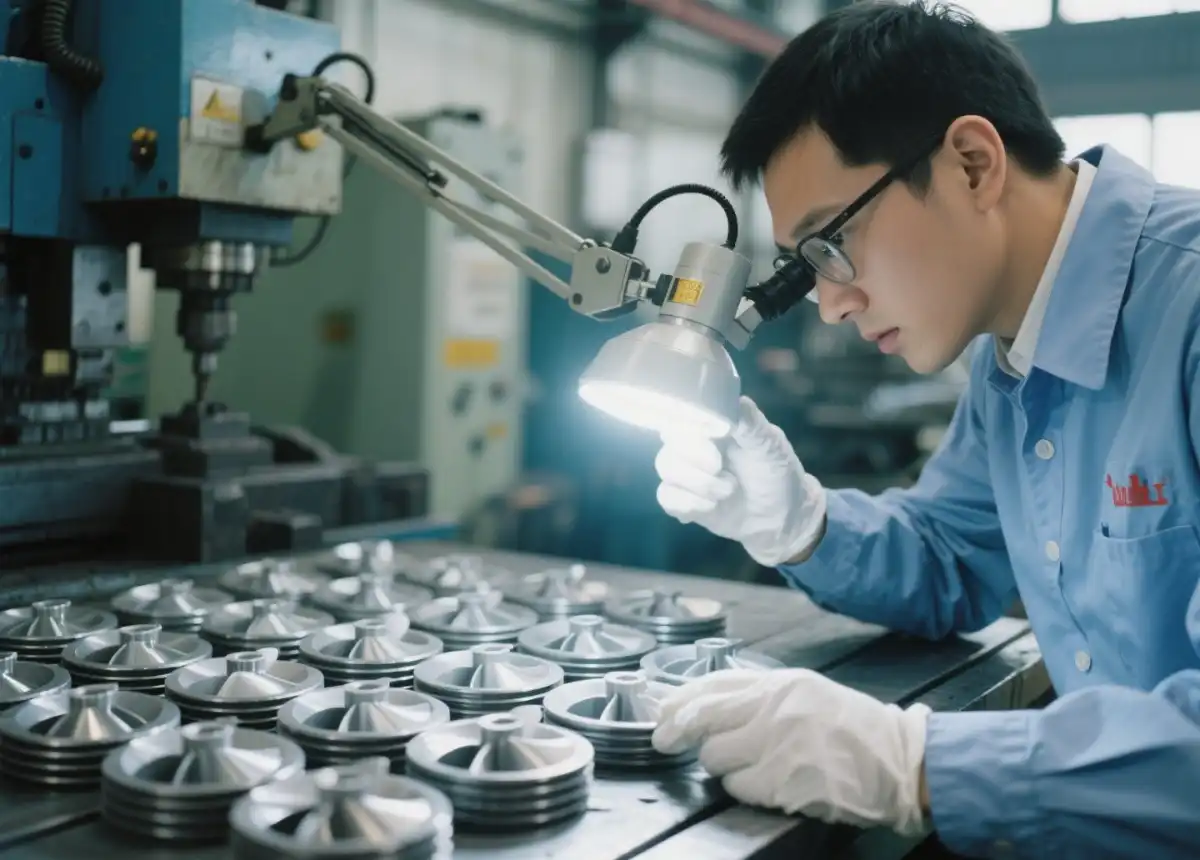
Thorough quality control methods, such as thorough testing and validation processes, are still necessary for making prototypes that work, but they can be carefully simplified to strike a balance between completeness and lead time goals. Integrated testing methods that include more than one confirmation step usually work better than testing methods that are done one at a time.
Modern quality management tools let you keep an eye on things in real time and make changes quickly, which helps keep quality standards high while also making the most of your time. These methods give useful information for ongoing efforts to make things better, which helps future projects.
Typical Lead Times for Various Prototype Manufacturing Services
The lead times for different manufacturing technologies are very different. This is because each method has its own benefits for certain uses and time frames. Knowing these differences helps buying teams make smart choices that fit the needs of the project and the plan.
Additive Manufacturing Timelines
Rapid 3D printing can make working samples in just one to five days for standard materials and shapes. This makes them perfect for testing ideas and designs early on. Both SLA and SLS technologies offer smooth surfaces and accurate measurements that make them good for use in show models and functional tests.
When using more complicated shapes or special materials, 3D printing can take up to two weeks longer. This is especially true when extra steps like removing supports, finishing the surface, or painting or putting the parts together are needed afterward.
Traditional Manufacturing Lead Times
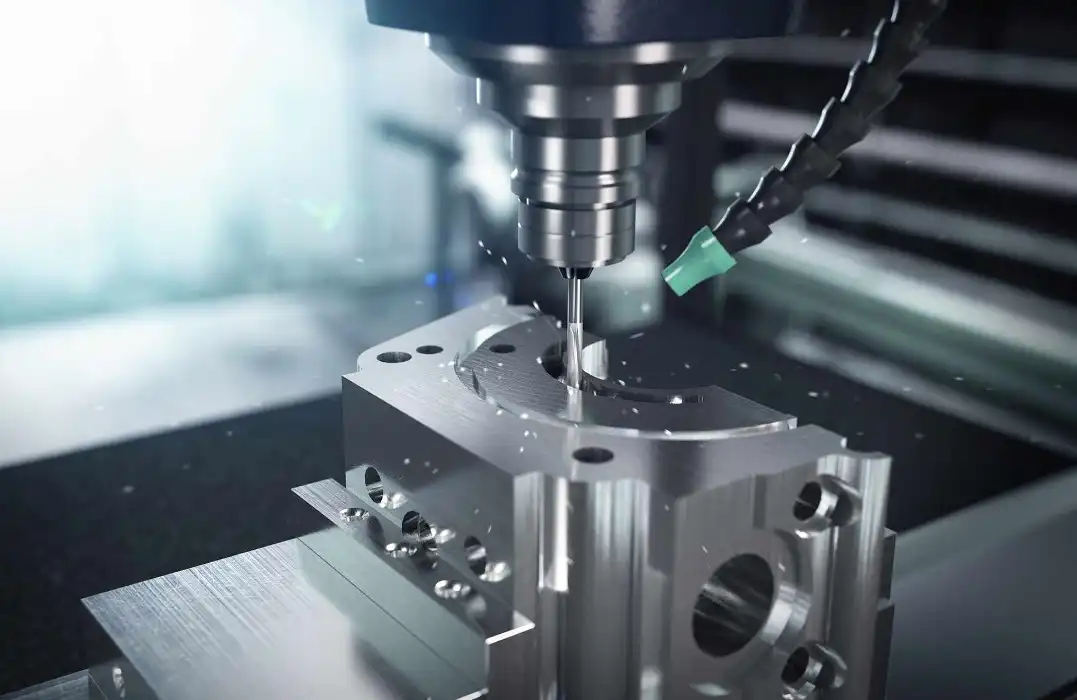
CNC cutting jobs usually take between one and three weeks, but this depends on how complicated the part is, what material is chosen, and what standards are needed. Simple shapes made of common materials usually get done faster, but complicated multi-axis cutting or using unusual materials can make the process take a lot longer.
Because of the need for tools and processes, injection molding samples have longer wait times. When compared to production tooling, rapid tooling can cut down on time needed, but it still takes 2 to 4 weeks to finish, based on the complexity of the part and the material chosen.
Electronics and Assembly Services
Electronics development includes making PCBs and putting together parts, which can have a big effect on the total project timeline depending on how complicated the design is and how many tests need to be done. Prototype manufacturing services can significantly reduce the time for simpler designs, with a few days needed to finish a simple single-layer board, while more complicated multi-layer designs may take up to two weeks to complete.
Depending on the supply of parts and approval processes, the assembly and testing steps take more time. Electronic prototyping can take several weeks longer if it needs specialized parts or a lot of testing.
Specialized Services and Certifications
Base production timelines are often pushed back by days or weeks because of customization needs and extra services like functional testing, material certifications, or regulatory compliance validation. These services are very useful for programs that need to meet certain performance standards or business standards.
Surface treatments, special coats, and secondary processes all add extra time requirements that need to be thought about when planning a project. To get the most out of coordination between various service providers, scheduling needs to be done with care.
How to Request Prototype Manufacturing Services to Align with Your Timeline?
To do a good job of procuring things, you need to make sure that sellers understand what the project needs and can give you accurate estimates of when things will be done. Suppliers can give more accurate quotes and more realistic wait times when they have complete design files, detailed specs, and clear standards for quality.
Documentation and Communication Best Practices
Giving full design information like CAD files, technical plans, material specs, and quality requirements helps providers correctly judge the size of the project and spot possible problems early on. Not having all the necessary information in the paperwork can cause production delays when more information is needed.
Protocols for effective communication set up regular check-in times and clear ways to handle problems that come up during production. These rules help the project keep going and make sure that any problems that come up are dealt with quickly.
Timeline Negotiation Strategies
In order to negotiate wait times well, you need to know how speed, quality, and cost all affect each other. Sometimes you can get faster choices, but they cost more. However, these paid services can be very helpful when time is of the essence.
Looking into different methods, such as delayed release or parallel processing, can sometimes cut down on project timelines without lowering quality standards. When deadlines are tight, suppliers who can be flexible with their schedules often come up with unique solutions.
Project Lifecycle Management
Throughout the lifecycle of a project, proactive communication is still needed to manage expectations and deal with possible delays before they affect the general plan. Regular reports on work and open problem-solving help keep product development timelines as smooth as possible.
Setting clear goals and decision points at regular intervals lets the project manager make course changes when needed. These organized methods help make sure that projects stay in line with business goals during the whole development process.
BOEN Prototype Manufacturing Solutions
In a wide range of industries, including cars, electronics, medical devices, aircraft, and new technology companies, BOEN Prototype is a valued partner around the world that offers complete prototype manufacturing services. We can use a wide range of advanced manufacturing technologies, from precise 3D printing to complex CNC cutting. We can also make solutions that are specific to each client's needs and provide clear wait times and reliable delivery plans.
Some of the services we offer that add value to your order are thorough quality checks, functional testing routines, strict secrecy agreements, and production methods that are good for the environment. With these features, clients can definitely shorten the time it takes to develop a new product while still upholding high quality standards during the testing process.
BOEN's combined method blends cutting-edge manufacturing technologies with expert technical help to find the best answers to difficult prototyping problems. Our knowledge covers a wide range of fields and uses, from airplane parts and car parts to medical device samples and consumer electronics. This means we can meet all of our clients' needs.
Conclusion
To handle prototype manufacturing wait times well, you need to know a lot about how things are made, plan strategically, and communicate clearly with qualified sources. Companies that understand these areas have big benefits over their competitors because they can get their products to market faster and more efficiently. As new technologies come out and industry needs change, the connection between design complexity, choosing the right manufacturing method, and maximizing the timeline keeps changing.
FAQ
What factors most significantly impact prototype manufacturing lead times?
The main things that affect prototype wait times are the complexity of the design, the choice of material, the way of production, and the quality standards. Timelines are usually longer for complex shapes that need specialized manufacturing processes. On the other hand, standard materials and well-known manufacturing methods allow for faster delivery plans.
How do different materials affect prototype manufacturing timelines?
Standard materials, like metal, steel, and common plastics, are always in stock and can be used to start projects faster. However, getting specialty alloys, unusual composites, or biodegradable materials may take longer, which can delay the start of a project by days or weeks.
What expedited options are typically available for urgent prototype projects?
Options for faster delivery include rush processing, arranging production work, and placing items at the front of the line, but these services usually come at a higher cost. Some sellers can send easy 3D printed parts the same day or the next day if the needs of the project match their current capabilities.
Partner with BOEN Prototype for Reliable Manufacturing Solutions
BOEN Prototype provides reliable prototype manufacturing services that meet your strict deadline needs in the electronics, aircraft, medical device, and automobile industries. To help you get your project done as quickly as possible, our experienced engineering team gives you individual lead time figures and full project guidance. Get in touch with our experts at contact@boenrapid.com to find out how our advanced production skills and open communication can speed up your next development project while still meeting the highest quality standards.
References
Smith, J.A. (2023). "Advanced Prototype Manufacturing: Lead Time Optimization Strategies for Modern Product Development." Journal of Manufacturing Excellence, 15(3), 45-62.
Chen, L.M. & Rodriguez, M.P. (2024). "Comparative Analysis of Rapid Prototyping Technologies and Their Impact on Development Timelines." International Manufacturing Review, 28(2), 112-128.
Thompson, R.K. (2023). "Supply Chain Management in Prototype Manufacturing: Balancing Speed, Quality, and Cost." Production Planning Quarterly, 41(4), 78-95.
Williams, S.D. et al. (2024). "Material Selection Impact on Prototype Manufacturing Lead Times: A Comprehensive Industry Study." Materials and Manufacturing Processes, 39(7), 203-219.
Anderson, P.L. (2023). "Global Procurement Strategies for Prototype Manufacturing Services: Best Practices and Case Studies." B2B Manufacturing Journal, 12(6), 156-171.
Kumar, V.N. & Jackson, H.F. (2024). "Digital Transformation in Prototype Manufacturing: Technology Integration and Timeline Optimization." Advanced Manufacturing Technology Review, 33(1), 89-104.

How Can We Help?

Your Trusted Partner in Rapid Manufacturing.