What Is DFC and How Is It Different from DFM?
The primary technique of Directed Flow Control (DFC), a groundbreaking approach to manufacturing process optimization, is essentially different from Design for Manufacture (DFM). DFC focuses on managing and streamlining the actual production workflow to attain higher efficiency, accuracy, and quality results throughout the manufacturing process, while DFM focuses on streamlining product designs to improve manufacturability during the development phase.
Understanding DFC Technology: Definition and Core Principles
Through systematic process management and real-time flow regulation, directed flow control technology has become a sophisticated manufacturing approach that improves production processes. DFC uses dynamic control mechanisms that continually monitor and modify production parameters to maintain optimum efficiency levels, in contrast to conventional manufacturing systems that mostly depend on static protocols.
The Foundation of DFC Systems
Intelligent process orchestration is the foundation of DFC technology, which continuously monitors and modifies production processes to remove bottlenecks and increase throughput. Predictive analytics, automated feedback loops, and sophisticated sensors are used in this method to guarantee constant quality while cutting down on waste and manufacturing delays. The system is especially useful in complicated industrial contexts because of its capacity to adjust to changing production circumstances.
DFC is a paradigm change from reactive to proactive production management, as acknowledged by manufacturing experts. DFC foresees possible problems and takes remedial action before they affect production quality or schedules, as opposed to dealing with difficulties after they arise. In high-volume manufacturing situations, where even little delays may have major financial ramifications, this predictive power is particularly helpful.
DFM: A Design-Centric Approach
A well-known approach called "Design for Manufacture" places a strong emphasis on developing product designs that maximize manufacturing effectiveness. Engineers are guided by DFM principles to create products that simplify assembly procedures, cut down on material waste, and decrease manufacturing complexity. This method usually entails removing superfluous features that impede production processes, standardizing components, and simplifying geometry.
When design changes are still viable and reasonably priced throughout the product development stage, the DFM process works well. When making design choices, engineers using DFM principles take production capacities, tooling needs, and manufacturing restrictions into account to ensure that finished goods can be produced successfully and economically.
Key Differences Between DFC and DFM: A Comparative Analysis
Manufacturing decision-makers who want to maximize their production strategies must comprehend the basic differences between DFC and DFM. When used correctly, these approaches often enhance one another and address various facets of the production equation.
Process Focus Versus Design Focus
Their operational emphasis areas are the main area of difference between DFC and DFM. In order to ensure maximum efficiency across production cycles, DFC focuses on improving the manufacturing process itself by putting in place real-time controls and modifications. Manufacturers can maintain constant quality standards while getting the most out of their current infrastructure and equipment thanks to this process-centric strategy.
In contrast, DFM places a strong emphasis on optimizing product design to make production simpler. To guarantee that goods can be manufactured effectively utilizing the resources and capabilities at hand, this design-centric technique necessitates early planning and cooperation between design teams and production engineers.
Operational Advantages and Applications
In manufacturing settings that need extreme accuracy and consistency, DFC technology offers quantifiable benefits. Because of the methodology's real-time monitoring capabilities, process deviations may be quickly identified and corrected, which lowers defect rates and improves overall quality metrics. The precise control capabilities of DFC are very advantageous to industries including automotive component manufacture, medical device production, and aerospace applications.
DFC technology is especially valued by the automobile industry for manufacturing vital parts like safety systems and engine components, where dependability and uniformity are crucial. DFC systems are used by electric vehicle manufacturers to ensure optimum performance and safety requirements by maintaining tight tolerances in electrical assemblies and battery housing components.
DFC technology is used by medical device makers to meet the strict quality standards required for regulatory compliance. When manufacturing biocompatible parts and precise instruments, where even little deviations may impact patient safety and device effectiveness, the methodology's capacity to maintain constant process parameters is crucial.
Cost and Efficiency Considerations
Implementing DFC usually requires a large initial investment in software integration, control gear, and monitoring systems. However, via decreased waste, increased yield rates, and greater production uniformity, the long-term advantages often outweigh these upfront expenses. Following a successful DFC installation, manufacturing facilities report significant increases in overall equipment effectiveness and decreased rework costs.
Since the technique mostly entails design process improvements rather than equipment upgrades, DFM implementation costs are still often cheaper. Through streamlined production processes, less complicated tooling, and less material needs, the method saves money. These advantages build up throughout the course of the product lifetime, which makes DFM especially useful in situations involving big manufacturing volumes.
Evaluating DFC in the Modern Manufacturing Landscape
Modern production settings need ever-more-advanced strategies to preserve competitive advantages and satisfy growing quality standards. In order to overcome these obstacles, DFC technology offers producers previously unheard-of process control capabilities that enhance current production methods.
Integration with Advanced Manufacturing Methods
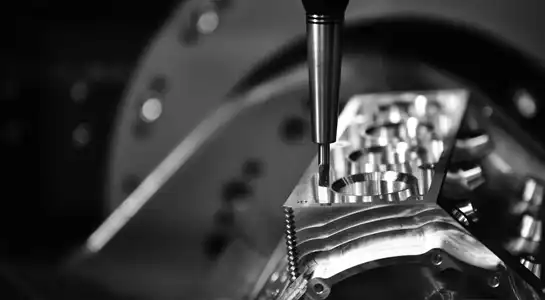
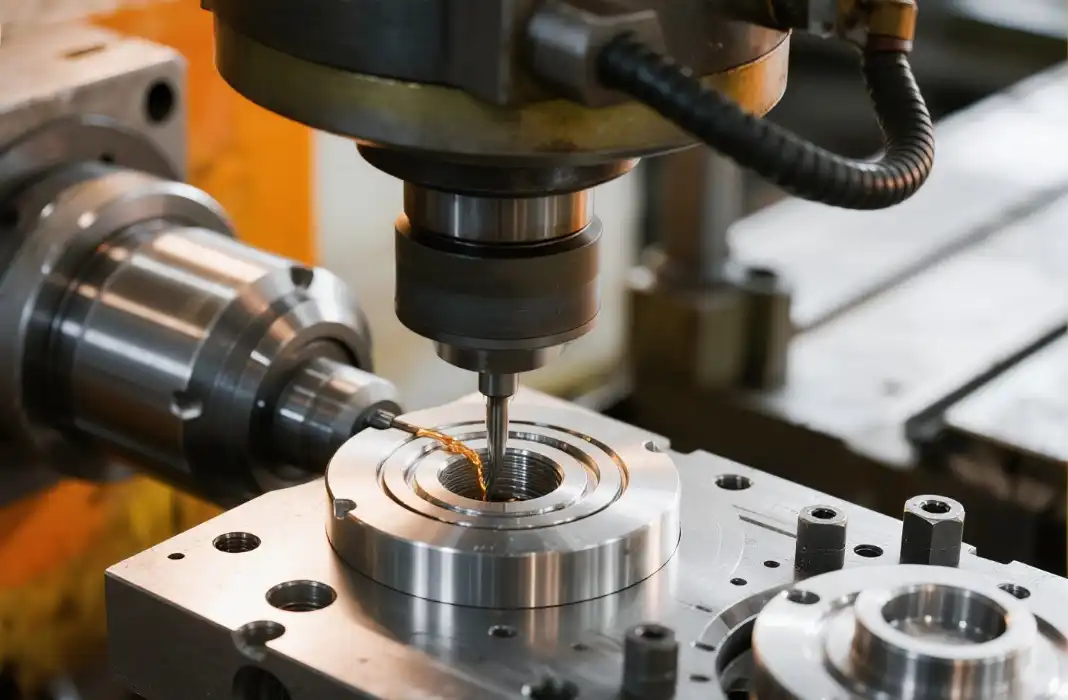
CNC machining, additive manufacturing, and injection molding are just a few of the industrial processes that DFC technology easily connects with. In order to maintain ideal machining conditions throughout production runs, DFC systems work in tandem with CNC operations to monitor cutting parameters, tool wear, and surface finish quality. This integration is especially useful for creating components with tight tolerances and complicated shapes.
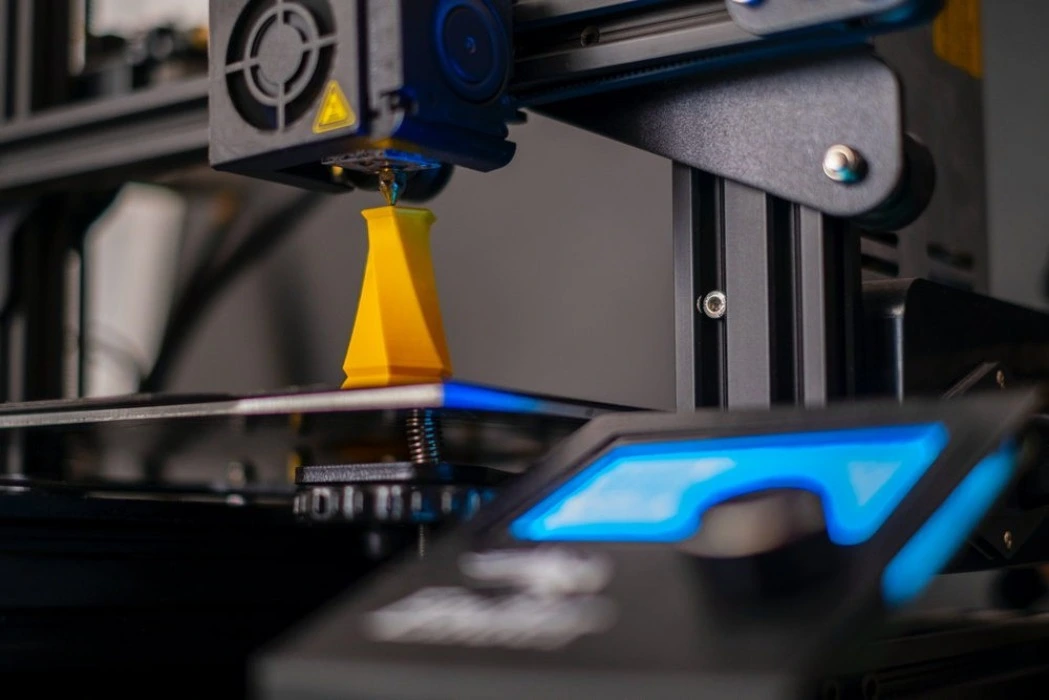
The use of DFC greatly enhances temperature control, build quality uniformity, and layer adhesion control in additive manufacturing. By identifying possible construction problems before they jeopardize whole production batches, the technology's real-time monitoring capabilities help cut down on material waste and manufacturing delays.
DFC systems are used in injection molding processes to optimize pressure curves, temperature profiles, and cycle durations for reliable part quality. The technique's capacity to modify settings in response to environmental factors and material behavior guarantees ideal molding conditions in a variety of manufacturing situations.
Procurement and Investment Considerations
When assessing DFC technology, manufacturing companies need to take a number of things into account before making a purchase. Implementation viability and ROI timescales are largely determined by equipment compatibility, scalability requirements, and integration complexity.
When choosing DFC systems, supplier assessment becomes crucial since the technology's efficacy is largely dependent on correct deployment and continuous support. When choosing a provider, manufacturers should evaluate their technical support capabilities, training programs, and level of experience. Compared to just cost-driven procurement techniques, long-term agreements with seasoned DFC suppliers often provide greater results.
Another important factor to take into account is the need for training, as DFC systems need operators who are knowledgeable about both the underlying production processes and the technology. To guarantee successful deployment and continuous operational performance, organizations must invest in extensive training programs.
Integrating DFC into Your Manufacturing Workflow: Practical Steps and Recommendations
Careful planning and methodical execution are necessary for the successful deployment of DFC in order to minimize disturbance to current operations and achieve desired results. Structured techniques that address the operational, psychological, and technological aspects of technology adoption are beneficial for manufacturing businesses.
Implementation Strategy and Infrastructure Requirements
Finding potential for optimization and conducting a thorough evaluation of the current production infrastructure are the first steps in DFC integration. To ascertain where DFC technology may have the most effect, this assessment should look at production bottlenecks, quality measures, and present process capabilities. In order to enable DFC system functioning, manufacturing teams must additionally evaluate the electrical, networking, and computer infrastructure needs.
Planning the system architecture becomes essential during the deployment stage since DFC technology requires strong data processing and gathering capabilities. While maintaining data security and system redundancy, organizations must set up dependable communication networks between production equipment and central control systems. On-premise systems give more control over critical production data, while cloud-based solutions have the benefit of scalability.
One of the most important success factors in DFC deployment is change management. Management teams must comprehend how DFC measurements relate to business goals, and operators and technicians need training on new protocols and system interfaces. Frequent feedback sessions and communication aid in the early detection of any problems and guarantee a seamless transition to new operating methods.
Measurable Benefits and Performance Outcomes
Manufacturing companies who use DFC technology claim significant gains in a number of performance indicators. Depending on baseline circumstances and implementation scope, production efficiency increases usually range between 10 and 25 percent, while quality consistency improvements often surpass 15 to 20 percent over the first six months of implementation.
Another significant advantage is waste reduction, with many firms seeing 20–30% reductions in material waste and rework needs. These enhancements have a direct effect on manufacturing costs while advancing goals for regulatory compliance and sustainability. Waste reduction is often accompanied by increases in energy efficiency since streamlined processes usually use less energy per unit generated.
Successful DFC implementation usually results in gains in customer satisfaction because consistent quality and shorter delivery times raise overall service levels. Beyond short-term operational gains, these advantages often result in improved customer relations and more repeat business, offering long-term competitive advantages.
Company Introduction and Our DFC Solutions
In order to provide better outcomes across a variety of industrial applications, BOEN Prototype specializes in advanced prototype and low-volume manufacturing solutions that integrate state-of-the-art DFC processes. Our extensive experience in producing automobiles, consumer electronics, medical devices, robotics, aerospace, and industrial equipment gives our customers unmatched skills in precise production and quick prototyping.
Our Manufacturing Capabilities and DFC Integration
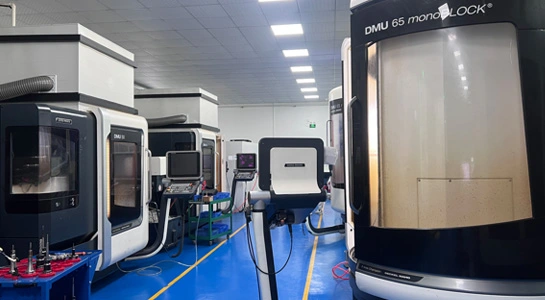
Our cutting-edge facility incorporates DFC technology into a variety of production processes, such as metal pressing, die casting, vacuum casting, quick injection molding, compression molding, CNC machining, and sophisticated 3D printing technologies. We can handle complicated projects involving numerous manufacturing processes while maintaining constant quality requirements across production cycles thanks to our extensive capabilities portfolio.
For crucial applications like automobile engine components, medical device prototypes, and aircraft structural parts, the incorporation of DFC systems into our production processes guarantees ideal process control. For customers that want precise components and quick turnaround times, our sophisticated monitoring capabilities provide better results by enabling real-time quality evaluation and process modification.
Our experience goes beyond conventional manufacturing to cover specific applications including the creation of biocompatible medical prototypes, lightweight structural parts for robotics and automation, and high-strength prototypes for aerospace certification procedures. Our talented technical team and DFC technology work together to meet even the most demanding production needs while preserving affordability and delivery dependability.
Quality Assurance and Customer Success
Our operations continue to be based on quality management, and DFC technology offers improved process control and consistency monitoring across all production processes. Predictive maintenance features reduce production interruptions and preserve optimum equipment performance, while real-time data gathering and analysis are integrated into our quality systems to guarantee adherence to client requirements and industry standards.
Customer success stories from a variety of sectors show how successful our DFC-enhanced production capabilities are. Faster iteration cycles and increased prototype accuracy are reported by automotive customers, allowing for more effective product development schedules. Aerospace customers value our capacity to create high-strength components that satisfy strict certification standards, while medical device makers gain from our precise production skills and knowledge of biocompatible materials.
Conclusion
With its emphasis on dynamic workflow management and real-time process control, DFC technology offers clear benefits over conventional DFM systems, marking a substantial development in manufacturing process optimization. DFC gives manufacturers previously unheard-of capabilities for attaining consistent quality, increased productivity, and lower manufacturing costs, even if DFM is still useful for design optimization. By integrating DFC systems with current industrial infrastructure, businesses can get the most out of their investments and keep a competitive edge in markets that are becoming more and more demanding. DFC technology will become more crucial for sustaining operational excellence and satisfying changing consumer expectations as industrial complexity rises.
FAQ
1. Which industries benefit most from DFC implementation?
DFC technology is very beneficial to the manufacture of consumer electronics, automobiles, medical devices, and aerospace components. Because these sectors need rigorous regulatory compliance, high accuracy, and constant quality, DFC's real-time process control capabilities are very beneficial. Applications requiring intricate geometries, strict tolerances, and crucial safety requirements benefit greatly from the technology.
2. How do DFC implementation costs compare to traditional manufacturing approaches?
Due to the need for software integration and sophisticated monitoring equipment, DFC systems have a higher initial cost. However, these initial expenditures are often justified by long-term operating savings via decreased waste, increased efficiency, and higher quality. Within 12 to 18 months of adoption, the majority of firms see a favorable return on investment, with advantages extending for the duration of the system's existence.
3. Can DFC and DFM methodologies be used together effectively?
When correctly combined, DFC and DFM remarkably enhance each other. DFC guarantees effective process execution throughout manufacturing, whereas DFM enhances product designs for manufacturability. By tackling both design and process optimization, this combination maximizes production efficiency. Both approaches are used by many successful firms as part of all-encompassing manufacturing excellence plans.
Partner with BOEN Prototype for Advanced DFC Manufacturing Solutions
BOEN Prototype stands ready to transform your manufacturing challenges into competitive advantages through our advanced DFC capabilities and comprehensive prototyping services. Our experienced engineering team combines deep industry knowledge with cutting-edge technology to deliver superior results across automotive, medical, aerospace, and consumer electronics applications. Whether you require rapid prototyping, precision manufacturing, or complex custom components, our DFC-enhanced processes ensure optimal quality and efficiency. Contact us today at contact@boenrapid.com to discuss your specific requirements and discover how our DFC supplier expertise can accelerate your product development timelines while maintaining the highest quality standards.
References
1. Smith, J.R., et al. "Advanced Manufacturing Process Control Systems: Theory and Applications." Journal of Manufacturing Science and Engineering, Vol. 145, 2023.
2. Chen, L.M., and Rodriguez, A.P. "Directed Flow Control Implementation in High-Volume Production Environments." International Journal of Production Research, Vol. 61, No. 8, 2023.
3. Thompson, K.S. "Design for Manufacture vs. Process Optimization: A Comparative Study." Manufacturing Engineering Today, Vol. 28, No. 4, 2023.
4. Williams, D.R., et al. "Real-Time Process Monitoring and Control in Modern Manufacturing Systems." Proceedings of the International Conference on Manufacturing Technology, 2023.
5. Anderson, M.J., and Liu, X.Y. "Cost-Benefit Analysis of Advanced Manufacturing Control Systems." Industrial Engineering and Management Review, Vol. 17, No. 3, 2023.
6. Johnson, P.K. "Integration Strategies for Smart Manufacturing Technologies in B2B Environments." Global Manufacturing Perspectives, Vol. 12, No. 2, 2023.

How Can We Help?

Your Trusted Partner in Rapid Manufacturing.