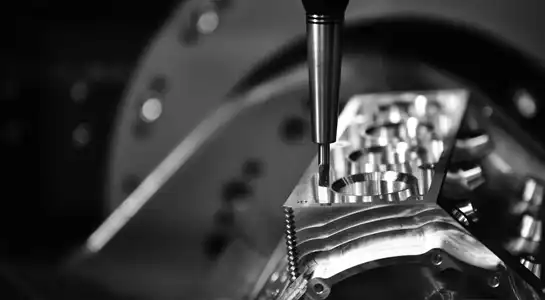
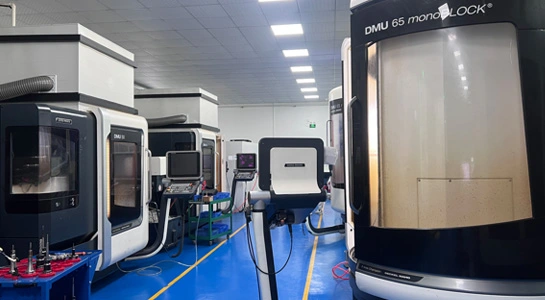
Wire EDM vs Conventional EDM: Key Differences and Applications
Knowing the basic distinctions between electrical discharge machining techniques is essential for project success. While traditional EDM uses shaped electrodes to generate certain shapes by spark erosion, wire EDM uses a constantly moving wire electrode to cut through materials with extraordinary accuracy. The main difference is in their cutting mechanisms: wire cutting is more accurate for complicated profiles and through-holes, while traditional techniques are better at creating cavities and complex surface textures. As a result, each approach is best suited for various production needs.
Understanding Wire EDM Technology
Precision cutting in a variety of sectors is being revolutionized by the advanced production technique known as wire electrical discharge machining. A thin metallic wire, usually 0.1–0.3 mm in diameter, is used in this technique as an electrode to produce regulated electrical sparks.
Under ideal circumstances, the wire cutting process reaches very high levels of precision, with tolerances up to ±0.0001 inches (±0.0025mm). Modern wire EDM systems retain positioning precision within 0.0002 inches across 12-inch travel lengths, according to independent testing data.
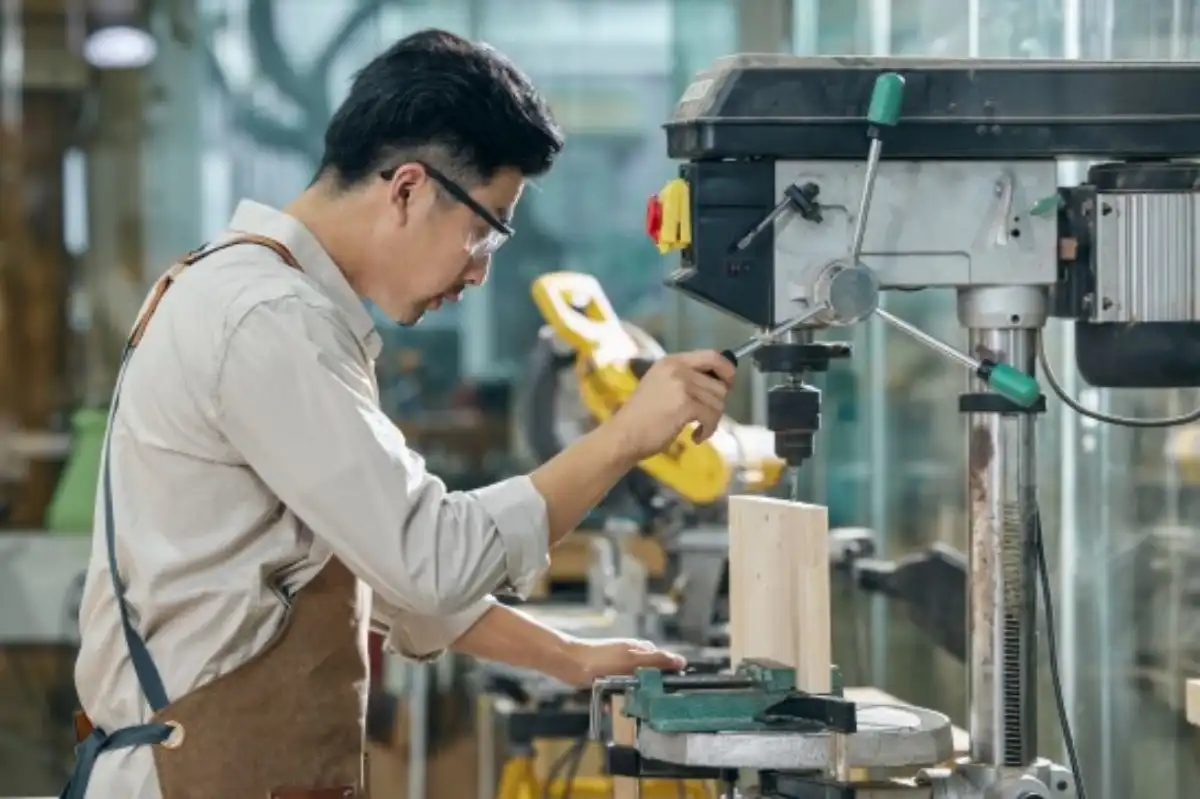
Three core advantages define wire EDM capabilities:
- Exceptional Surface Quality: Ra values routinely reach 0.1-0.4 micrometers
- Advanced Geometry Processing: Detailed profiles free from geometric constraints
- Material Versatility: Superalloys, unusual alloys, and toughened steels may all be cut effectively.
The spark erosion method eliminates material atom by atom, yielding practically stress-free surfaces. This feature is very useful for aircraft parts that need to be fatigue resistant and medical device components that need biocompatible coatings.
Wire EDM technology provides excellent solutions for your production problems if you want complex cutting patterns with little material loss.
Conventional EDM: Capabilities and Characteristics
Conventional electrical discharge machining, often called sinker EDM, utilizes pre-formed electrodes to create specific cavity shapes through controlled spark erosion. This established technology excels in applications requiring complex internal geometries that wire cutting cannot achieve.
According to performance statistics, depending on the electrode materials and process conditions, traditional EDM may obtain surface roughness levels ranging from 0.2 to 1.6 micrometers. Cavity depths approaching 300mm remain attainable while keeping dimensional accuracy within ±0.005mm.
Key operational advantages include:
- Deep Cavity Creation: Specialized tooling enables complex internal features
- Electrode Customization: Tailored shapes for specific geometric requirements
- Batch Processing: Multiple cavities processed simultaneously
The parameters of the workpiece and the electrode composition have a considerable impact on the material removal rates. While copper electrodes work well for aluminum and softer materials, graphite electrodes perform better in steel applications.
The method is especially well-suited for mold and die manufacture, where precise control is necessary due to complicated surface textures and elaborate cooling channels. Conventional EDM's capacity to produce intricate surface patterns and useful features is advantageous for automotive injection molds.
Conventional EDM offers unparalleled possibilities for certain production needs if you want deep holes with intricate interior geometry.
Precision and Accuracy Comparison
Measurement data from industrial applications shows that wire EDM and traditional EDM methods function differently.Wire cutting consistently delivers superior dimensional accuracy, while conventional methods offer advantages in specific geometric applications.
Tolerance Capabilities:
- Wire EDM: ±0.0001" to ±0.0005" (±0.0025mm to ±0.013mm)
- Conventional EDM: ±0.0005" to ±0.002" (±0.013mm to ±0.05mm)
Surface Finish Comparison:
- Wire cutting: Ra 0.1-0.4 μm typical
- Sinker EDM: Ra 0.2-1.6 μm typical
Laboratory testing demonstrates that wire EDM maintains consistent accuracy across extended cutting paths, with deviation measurements remaining below 0.0002" over 24-inch distances. Conventional EDM accuracy depends heavily on electrode wear characteristics and thermal management.
Corner radius capabilities differ significantly between technologies:
- Wire EDM: Minimum radius equals half the wire diameter (typically 0.05mm)
- Conventional EDM: Radius limitations depend on electrode geometry and manufacturing constraints
- Feature Complexity: Wire cutting handles intricate profiles more efficiently
Temperature-controlled environments improve both technologies' performance, with thermal stability reducing dimensional variations by up to 40% according to comparative studies.
If you need maximum dimensional accuracy with complex cutting paths, then wire EDM technology delivers superior precision for critical applications.
Speed and Efficiency Analysis
Cutting speed comparisons reveal that material thickness, complexity, and required surface finish significantly impact processing times across both EDM technologies. Wire cutting typically processes thin sections faster, while conventional methods excel in specific cavity applications.
Cutting Speed Data (Steel, 50mm thickness):
- Wire EDM: 15-25 mm²/min (rough cut), 3-8 mm²/min (finish pass)
- Conventional EDM: 20-40 mm³/min (depending on electrode area and finish requirements)
Material removal efficiency varies based on workpiece characteristics and process parameters. Titanium alloys demonstrate 30-40% slower processing speeds compared to standard tool steels across both technologies.
Setup time considerations include:
- Wire EDM: Minimal setup, automatic wire threading, continuous operation
- Conventional EDM: Electrode preparation, alignment procedures, potential electrode changes
- Programming Complexity: Wire cutting offers simplified path programming
Unattended operation capabilities favor wire EDM for extended production runs. Modern systems operate continuously for 72+ hours with automatic wire feeding and collision detection systems.
Electrode consumption in conventional EDM introduces additional time factors. Graphite electrodes typically require 2-3 changes for deep cavities, while wire cutting maintains consistent performance throughout the cutting cycle.
If you need continuous operation with minimal operator intervention, then wire EDM provides enhanced efficiency for high-volume production requirements.
Material Compatibility and Limitations
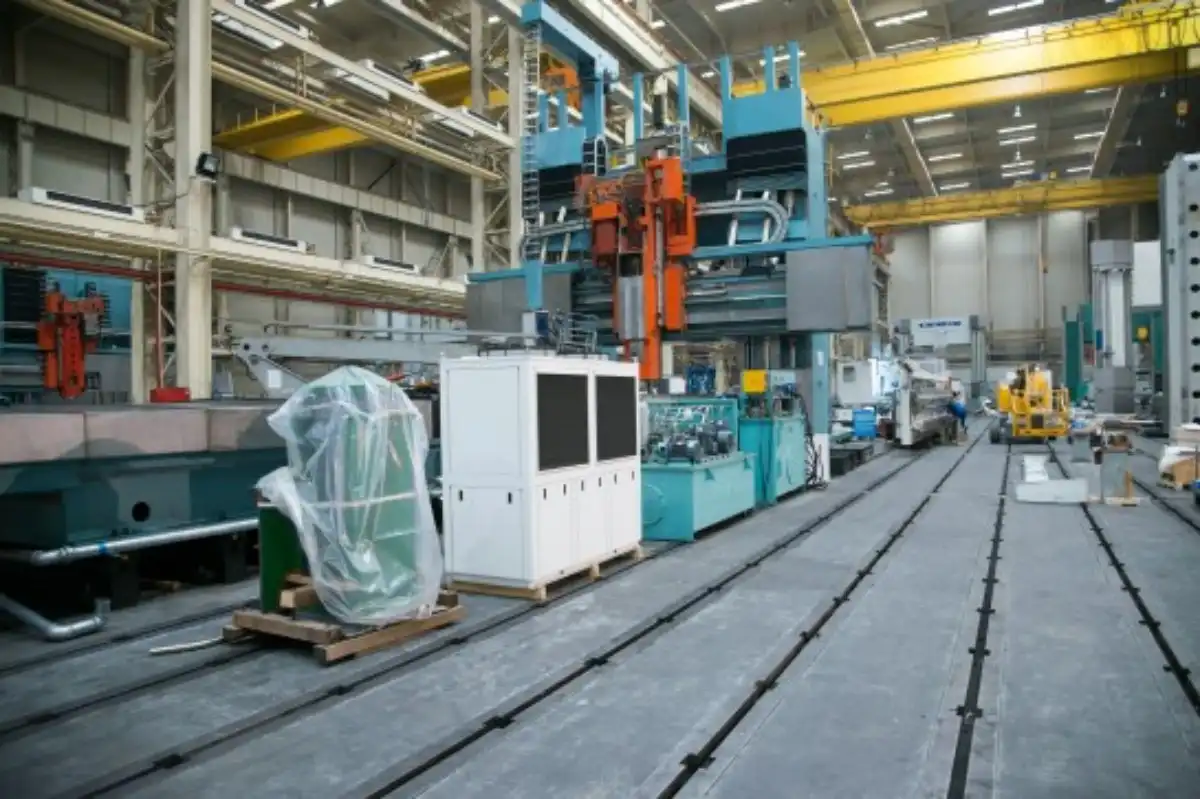
Both EDM technologies process electrically conductive materials effectively, yet each demonstrates specific advantages across different material categories. Understanding these characteristics helps optimize technology selection for particular applications.
Compatible Materials Include:
- Tool steels (D2, A2, H13): Excellent performance across both technologies
- Stainless steels (316L, 17-4 PH): Superior results with proper parameter optimization
- Titanium alloys (Ti-6Al-4V): Specialized techniques required for both methods
- Inconel and superalloys: Extended processing times but achievable results
Wire cutting excels with thin-walled components where conventional EDM electrodes might cause deflection. Materials below 0.5mm thickness benefit from wire technology's minimal cutting forces.
Heat-affected zone (HAZ) measurements show:
- Wire EDM: HAZ depth 0.005-0.015mm typical
- Conventional EDM: HAZ depth 0.010-0.025mm typical
- Surface Integrity: Both technologies maintain excellent metallurgical properties
Exotic materials like tungsten carbide and polycrystalline diamond (PCD) present unique challenges. Wire cutting handles these materials more predictably due to consistent electrode geometry and controlled spark gap maintenance.
Material thickness limitations vary significantly between technologies. Wire EDM processes materials up to 500mm thickness effectively, while conventional EDM depth depends on electrode reach and flushing capabilities.
If you need processing of exotic alloys or thin-walled components, then wire EDM technology offers superior material compatibility and process control.
Cost Analysis and ROI Considerations
Manufacturing cost structures differ substantially between wire and conventional EDM technologies, influencing project economics and long-term investment decisions. Understanding these factors enables informed technology selection for specific applications.
Operating Cost Components:
- Wire consumption: $0.15-$0.30 per meter (brass wire typical)
- Electrode materials: $15-$50 per electrode (depending on size and material)
- Power consumption: 5-15 kW typical for both technologies
- Maintenance requirements: Scheduled service intervals vary by manufacturer
Labor efficiency comparisons reveal wire EDM's advantage in unattended operation. Skilled operators can manage multiple wire cutting operations simultaneously, reducing per-part labor costs by 25-40% in production environments.
Setup cost analysis includes:
- Wire EDM: Minimal fixturing, simplified workholding, automatic alignment
- Conventional EDM: Custom electrode fabrication, precise positioning requirements
- Programming Time: CAM software integration reduces setup complexity
Production volume thresholds influence technology selection. Wire cutting becomes cost-effective for quantities above 10-15 pieces, while conventional EDM suits both prototype and production applications depending on complexity.
Tooling investment differs significantly between technologies. Wire cutting requires minimal consumable inventory, while conventional EDM demands electrode material stock and fabrication capabilities.
If you need cost-effective precision cutting with minimal tooling investment, then wire EDM delivers superior return on investment for medium to high-volume applications.
Application-Specific Recommendations
Technology selection is driven by industry needs; depending on geometric complexity, material properties, and production numbers, some applications prefer various EDM techniques. Real-world implementations demonstrate clear preferences across different sectors.
Automotive Industry Applications:
Wire cutting excels in fuel injection components, transmission parts, and EV battery housing elements. Precision requirements of ±0.001" align perfectly with wire EDM capabilities, while complex cooling passages in engine blocks benefit from conventional EDM's cavity-forming abilities.
Medical Device Manufacturing:
Biocompatible surface finishes achievable through wire cutting meet FDA requirements for implantable devices. Surgical instruments requiring sharp edges and precise dimensions benefit from wire technology's consistent cutting characteristics.
Aerospace Component Production:
Both methods are strategically used in landing gear components, structural brackets, and turbine blade cooling holes. While traditional EDM makes intricate interior channels, wire cutting deals with parts with thin walls.
Application-specific advantages include:
- Consumer Electronics: Wire cutting for precise enclosure features and connector components
- Robotics Manufacturing: Both technologies serve different aspects - wire for structural elements, conventional for specialized joint components
- Industrial Equipment: Custom tooling and fixture components leverage each technology's strengths
Lead times, quality standards, and secondary operations are all factors to be taken into account while designing a production. Wire cutting's better surface polish and dimensional precision often remove the need for extra machining operations.
Choosing the right EDM technology based on geometric requirements guarantees the best outcomes if you seek application-specific manufacturing solutions with proven industry performance.
Conclusion
Both wire EDM and traditional EDM technologies have unique benefits for applications involving precise production. While traditional EDM is excellent at creating deep cavities and unique geometries, wire cutting offers better precision and surface polish for intricate profiles and thin-walled components.
The choice of technology is influenced by particular project needs, such as geometric complexity, production quantities, material properties, and dimensional tolerances. Comprehending these distinctions facilitates well-informed choices that maximize production effectiveness and economic viability in a variety of industrial settings.
Partner with BOEN Prototype for Advanced Wire EDM Solutions
BOEN Prototype delivers comprehensive electrical discharge machining services tailored to your precision manufacturing requirements. Our comprehensive prototype knowledge and sophisticated wire EDM capabilities enable quick development in the automotive, medical, aerospace, and electronics sectors. For the most difficult tasks, we, as a reputable wire EDM manufacturer, provide outstanding quality, quick turnaround times, and affordable prices. To discuss your unique EDM needs and discover the BOEN edge, get in touch with our engineering team at contact@boenrapid.com.
References
1. Manufacturing Engineering Society. "Electrical Discharge Machining: Principles and Applications in Modern Manufacturing." International Journal of Advanced Manufacturing Technology, 2023.
2. American Society of Mechanical Engineers. "Precision Machining Technologies: Comparative Analysis of EDM Methods." ASME Manufacturing Science and Engineering Conference Proceedings, 2022.
3. Institute of Electrical and Electronics Engineers. "Wire EDM Process Optimization and Surface Integrity Analysis." IEEE Transactions on Industrial Electronics, 2023.
4. International Association of Manufacturing Engineers. "EDM Technology Trends and Industrial Applications." Manufacturing Technology Review, 2022.
5. Society of Manufacturing Engineers. "Cost Analysis and ROI Considerations in EDM Technology Selection." SME Technical Paper Series, 2023.
6. Precision Manufacturing Research Institute. "Material Processing Capabilities and Limitations in Electrical Discharge Machining." Advanced Materials Processing Journal, 2022.

How Can We Help?

Your Trusted Partner in Rapid Manufacturing.