What Is the Best Manufacturing Process for Low-Volume Prototypes?
Choosing the right manufacturing process for low-volume prototypes can make or break your product development timeline. After years of supporting engineers across automotive, medical devices, aerospace, and consumer electronics, we've seen how critical this decision becomes when balancing speed, cost, and functionality. Rapid prototyping stands out as the most versatile solution for producing anywhere from a handful to several hundred units, offering exceptional design flexibility and material diversity without the tooling investments that traditional methods demand. When paired strategically with CNC machining or rapid tooling, it enables functional validation using production-grade materials while maintaining the agility your team needs for iterative refinement.
Understanding Low-Volume Prototyping Needs
Low-volume prototyping is the step between the first ideas for a design and making the whole thing. During this process, between five and several hundred units are usually made. This lets the engineering teams test the shape, fit, and function of the product before spending a lot of money on production tools.
Balancing Cost and Quality in Prototype Development
Most low-volume projects are characterized by the tension between performance needs and price limits. In the car industry, OEMs and Tier-1 suppliers need engine parts that can handle stress tests in the real world. On the other hand, developers of consumer electronics need samples that look good and capture brand identity without spending too much on a single version. We've helped electric vehicle (EV) startups test battery housing designs where heat performance had to be perfect but standard injection molding would have taken months longer to get to market because of the cost of the tools. It's very important to choose the right materials—engineering-grade metals and resins must have the same properties as the production ones while still being affordable for small batches.
Meeting Tight Deadlines for Iterative Development
The time it takes to make a new product has shrunk a lot across all businesses. Medical device companies that are getting ready to send their products to regulators have to meet strict deadlines. On the other hand, robotics companies that are working on AGV structural parts need to make multiple design changes within weeks instead of months. Teams change how they do validation testing when they can go from CAD data to real parts in three to ten work days. Developers of drones that are trying lightweight airframe parts can now do both aerodynamic tests and structural load tests quickly one after the other, using what they learn right away in the next version. This speed cuts down on time-to-market and lets you place yourself in a way that wasn't possible ten years ago.
Accommodating Frequent Design Modifications
During the prototype phase, the design will always change. Executives in charge of purchasing and engineering need manufacturing partners who see changes to designs as normal operations and not as annoying outliers. In this case, additive manufacturing technologies and advanced CNC capabilities really shine because they get rid of the problem of tooling lock-in that comes with traditional methods. When a medical device needs ergonomic improvements after user trials or an aerospace part needs changes to its geometry after tests in a wind tunnel, being able to make those changes without having to pay extra or wait longer saves the project's momentum and budget.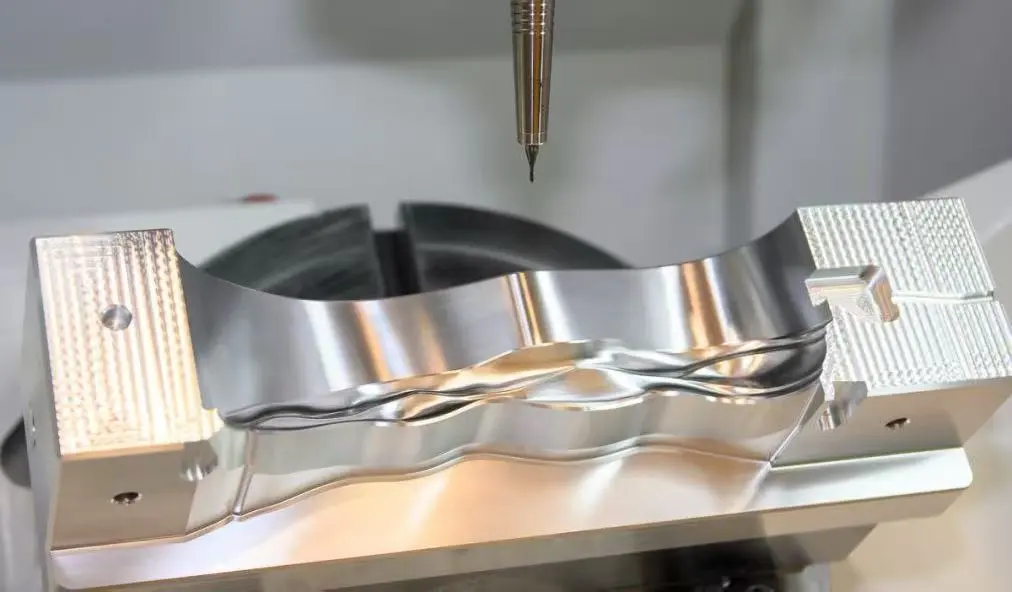
Overview of Rapid Prototyping and Its Role in Low-Volume Production
Several additive manufacturing techniques are used in Rapid Prototyping to quickly and accurately turn digital designs into real things for Product Development. These methods build parts straight from CAD files, layer by layer, skipping the standard tooling steps that used to take weeks or months.
Stereolithography and Selective Laser Sintering Capabilities
UV lasers are used in stereolithography to harden liquid photopolymer resins into solid things with very smooth surfaces and high clarity for small details. Because of this, SLA is perfect for lighting housings in cars, where visual clarity and surface quality have a direct effect on performance. Selective Laser Sintering joins powdered materials, usually thermoplastics based on nylon or specialized composites, to make parts that work well and have good mechanical properties. Robotics companies use SLS to make long-lasting housings and structural parts that can handle being stressed over and over again during operational testing. Both methods can work with a range of materials, from rigid industrial plastics to flexible elastomers, so they can meet the needs of a wide range of businesses.
Metal Additive Manufacturing for Functional Testing
Metal Rapid Prototyping has come a long way. Now, technologies like Direct Metal Laser Sintering and Binder Jetting make it possible to make strong parts out of aluminum alloys, stainless steel, titanium, and even Inconel for use in high-temperature situations. These skills are used by aerospace engineering teams to make UAV brackets and structure supports that have to meet strict strength-to-weight ratios. Medical device makers make samples of surgery instruments out of biocompatible titanium alloys. They test the instruments' ergonomics and ability to be sterilized before committing to making the actual tools. Isotropic mechanical qualities made possible by metal additive methods make sure that performance data from prototypes accurately predict how production parts will behave.
CAD-to-Part Workflow and Quality Assurance
The digital thread that connects design software to production tools makes the testing process a lot easier. Design-for-manufacturability checks are done automatically on CAD files to find problems before they are made. This cuts down on repetition loss. In production, precise layer deposition is used along with real-time monitoring to make sure that the dimensions stay correct. After the parts are made, steps like removing supports, cleaning the surface, and heat treatment get them ready for practical testing. Coordinate Measuring Machine (CMM) checks for complex geometries as part of quality inspection protocols. This makes sure that tolerances of ±0.01mm to ±0.05mm are kept. This strict process makes prototypes that properly show what the designer wanted and work reliably during validation testing.
Comparing Rapid Prototyping with Traditional Low-Volume Manufacturing Methods
When buying teams know the pros and cons of different ways of making things, they can make decisions that are in line with the needs of the project and the company's resources.
Rapid Prototyping versus CNC Machining Precision
CNC cutting is still the best way to get accurate measurements and a smooth surface. Multi-axis machining centers make Rapid CNC Prototyping Parts with tolerances of up to ±0.005mm for important features. This makes them essential for tasks that need accurate assembly interfaces or tight fits. Manufacturers of industrial equipment often ask for CNC-machined parts when sealing surfaces or bearing seats need surfaces that are rougher than 0.8µm Ra. Rapid Prototyping technologies are still improving, but the surfaces they produce are typically a little rougher and the tolerances they can handle are wider. The trade-off is setup time and wasted materials. CNC cutting needs fixtures and makes a lot of scrap, but additive methods only build what's needed and require little setup. Rapid Prototyping is frequently more effective and less expensive for complex internal geometries or organic shapes that would call for extensive multi-axis programming.
Injection Molding Tooling Investment Considerations
For a good reason, injection molding is the most popular method for making a lot of parts at once: when equipment amortization is spread out over thousands of parts, unit costs drop by a huge amount. The problem with low-volume development is that it requires a big expense up front. Getting traditional steel models can cost a lot of money and take eight to twelve weeks to make. Rapid tooling methods that use metal molds or 3D-printed parts cut down on both time and cost, but they are still long-term investments that make it harder to change the design. During validation, a design for a consumer electronics enclosure might go through three or four changes. Committing to molding tooling too soon could lead to costly changes or the need to replace the whole tool. With the choice to switch to rapid casting or traditional molding only after design freeze, Rapid Prototyping keeps the design flexible throughout the development phases.
Clarifying Additive Manufacturing and Rapid Tooling Distinctions
The language used in modern manufacturing can be hard to understand for even buying workers with a lot of experience. Additive manufacturing is a broad term for methods that place materials one layer at a time. It includes everything from home FDM printers to large-scale metal sintering systems. Rapid Prototyping, which emphasizes speed and iteration capability, is the process of using these technologies to make prototypes and low-volume parts. Rapid tooling is a mix of additive and subtractive methods used to make molds, dies, or fixtures quickly for common manufacturing processes like casting or injection molding. Knowing these differences helps teams choose the right technology path, such as pure additive for the most freedom, CNC for accuracy and material properties, or rapid tooling when the cost of volume starts to favor molded parts but time limits stop traditional tooling.
Selecting the Best Rapid Prototyping Method for Your Project
Successful prototype programs are different from those that are delayed or go over budget because they match the right manufacturing technology to the needs of the project.
Material Requirements and Functional Testing Priorities
More than anything else, the choice of material determines the technology. Biotech companies need medical-grade resins that work with SLA techniques or machined PEEK parts to make safe samples for ergonomic testing and pre-production proof. For automotive testing labs to make sure that interior parts work properly when exposed to UV light and changing temperatures, they need materials that have been shown to be stable in harsh environments. EV companies that are trying battery enclosures need materials that can handle certain levels of heat and flame. For aerospace uses, metal samples must meet the specs for the final alloy. For lightweight structural elements, aluminum 7075 is used, and titanium Grade 5 is used for high-strength, corrosion-resistant parts. We help our clients choose the right materials by making sure we know the exact test protocols and performance standards their prototypes need to meet. This way, we can make sure that the manufacturing process they choose can produce parts that produce useful validation data.
Complexity and Geometry Considerations
The shape of a part has a big impact on which production method produces the best results. Designs with complicated internal pathways, organic surfaces, or intricate grid structures take advantage of additive manufacturing's ability to make features that would be impossible or too expensive to make with subtractive methods. Metal additive processes are perfect for AGV manufacturers who want to use topology-optimized brackets that keep the structure strong while reducing weight. On the other hand, CNC cutting is often best for relatively simple shapes that need very good dimensional stability and surface finish. 5-axis cutting or EDM may be needed for parts with deep pockets, thin walls, or undercuts. Design firms that work in many industries value partners who do thorough DFM reviews, finding potential manufacturing issues and suggesting geometry optimizations that make the product easier to make without affecting its functionality.
Lead Time and Cost Transparency in Supplier Selection
To plan a project, you need to be able to accurately predict lead times and costs. Depending on the size, complexity, and post-processing needs of the part, most Rapid Prototyping methods have a standard response time of three to ten working days. Because of how fast they are made and the need for heat treatment, metal parts usually take longer to process than plastic ones. Timelines for CNC cutting depend on how hard it is to set up and how many machines are available. Transparent suppliers give detailed quotes that break down the costs of materials, machine time, finishing operations, and inspection services. This helps procurement teams make smart choices. Hidden fees for changes to the design, faster processing, or more checks make it harder to plan the budget and hurt relationships with suppliers. The best production partners set clear rules for how to talk to each other. They keep everyone up to date on the project and let them know right away about any problems that could affect delivery times.
Leveraging Rapid Prototyping Services for Competitive Advantage
When you use specialized manufacturing partners in a smart way, prototyping goes from being an expensive necessity to a competitive advantage that speeds up innovation and market response.
Access to Advanced Technologies Without Capital Investment
To keep in-house prototyping skills across multiple technologies, a lot of money needs to be spent on capital tools, technical know-how, and ongoing repair. By working with specialized service providers, companies that make devices, smart home products, and industrial designs can get industrial-grade SLA systems, multi-material FDM platforms, metal sintering equipment, and advanced CNC machine centers. This method changes set costs for capital into changeable costs for running the business. This makes the business more financially flexible while still giving it access to cutting-edge tools. As technologies change, whether it's because of better materials, faster processing speeds, or higher levels of accuracy, service providers cover the costs and risks of upgrades. This way, clients can benefit from constant improvement without having to worry about becoming obsolete.
Integrating Prototyping Services into Supply Chain Workflows
More than just transactional buy orders are needed for internal engineering teams and external factory partners to work together smoothly. For teamwork to work, everyone needs to be involved early on in the design process. This way, factory knowledge can help make design decisions that improve part performance and production efficiency. System integrators working on robotics solutions benefit when prototyping partners point out possible problems with assembly or suggest different materials that are more durable without increasing costs. Setting up clear lines of communication between the technical teams of the supplier, procurement, and engineering makes sure that the design purpose is carried out correctly in the made parts. Digital collaboration platforms that let you share CAD files safely, get real-time updates on the status of your production, and access inspection reports speed up work processes and lower the risk of misunderstandings that come with working with traditional suppliers.
Emerging Trends in Materials and Manufacturing Automation
Rapid changes are happening in prototyping, with new discoveries in material science making it possible to use in more fields. High-performance thermoplastics with chemical resistance, thermal stability, and mechanical qualities close to metal are making useful testing possible in situations where expensive metal samples were needed before. Composite materials that use fiber reinforcement and polymer structures have very high strengths-to-weight ratios and are used in aircraft and cars. Automation of the manufacturing process thru AI-driven quality inspection, automated support removal, and robotic post-processing makes the quality of the product better and cuts down on lead times. When consistent, repeatable processes get rid of human variability, people who make aviation parts and drones can be sure that prototype data is accurate. To keep up with these changes, you need to work with forward-thinking suppliers who put money into developing technology and teaching workers so they can offer next-generation skills.
Conclusion
To choose the best production process for low-volume prototypes, you need to carefully think about the time limits, quality standards, and material needs. For functional validation in automotive, medical, aircraft, robotics, and consumer electronics uses, Rapid Prototyping technologies such as SLA, SLS, and metal additive manufacturing offer unmatched speed and design freedom. When accuracy in measurements is very important, CNC machining offers the best precision and material properties. When engineering and buying teams know the pros and cons of each method, they can make choices that speed up product development while keeping costs low and quality high enough to support successful market launches.
FAQ
Which manufacturing methods offer the fastest turnaround for low-volume production?
Lead times for additive manufacturing methods like SLA and FDM are usually the fastest. Standard parts can be ordered within three to seven business days. Because they take longer to process and need more work afterward, metal additive processes and CNC machining usually take seven to ten business days. When the project needs to be done quickly, expedited services can cut these deadlines down.
How do rapid prototyping costs compare against traditional manufacturing approaches?
Rapid Prototyping still has higher unit costs than high-volume injection molding, but they are much lower than the costs of buying standard tools in small amounts. Depending on how complicated the part is, the break-even point is usually somewhere between 100 and 500 units. When you look at the cost benefits, it's easy to see that design iteration freedom and no tooling costs make the case.
Can functional metal prototypes suitable for engineering testing be produced reliably through rapid methods?
Of course. These days, metal additive manufacturing can make parts out of aluminum alloys, stainless steel, titanium, and other materials that have mechanical qualities that are the same as or better than those of cast materials. Manufacturers of aerospace and medical devices regularly use metal quick prototypes for structural testing, fatigue analysis, and functional proof, knowing that the data they collect is accurate.
Partner with BOEN Prototype for Your Low-Volume Manufacturing Success
BOEN Prototype specializes in making precise prototypes and small batches of products out of metal and plastic. They do this to help the automotive, medical device, aerospace, robotics, and consumer electronics industries develop new products. We can match the best manufacturing process to your needs thanks to our wide range of skills, which include CNC machining, rapid injection molding, vacuum casting, SLA, SLS, and die casting. We are a reliable Rapid Prototyping provider that offers clear quotes, quick response times, and strict quality control that meets ISO 9001 and AS9100 standards. We work with engineering teams to speed up validation testing, cut down on time-to-market, and make iteration processes that support innovation more cost-effective. Get in touch with our technical team at contact@boenrapid.com to talk about your project needs and get a full price that fits your schedule and performance standards.
References
1. Gibson, I., Rosen, D., & Stucker, B. (2021). Additive Manufacturing Technologies: 3D Printing, Rapid Prototyping, and Direct Digital Manufacturing. Springer.
2. Kalpakjian, S., & Schmid, S. R. (2020). Manufacturing Engineering and Technology. Pearson Education.
3. Groover, M. P. (2019). Fundamentals of Modern Manufacturing: Materials, Processes, and Systems. Wiley.
4. Campbell, I., Building, D., & Gibson, I. (2022). Additive Manufacturing: Applications and Innovations. CRC Press.
5. Bralla, J. G. (2019). Design for Manufacturability Handbook. McGraw-Hill Professional.
6. Pham, D. T., & Dimov, S. S. (2021). Rapid Manufacturing: The Technologies and Applications of Rapid Prototyping and Rapid Tooling. Springer.

How Can We Help?

Your Trusted Partner in Rapid Manufacturing.