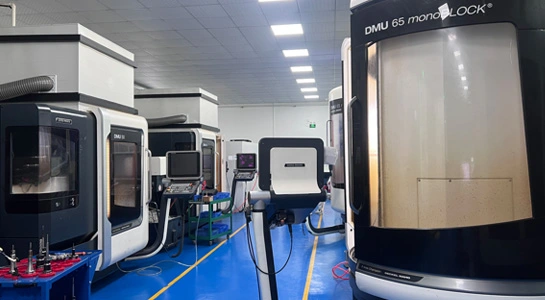
UK aviation groups looking for high-quality CNC turning services frequently turn to China for cost-effective and productive arrangements. BOEN Prototype stands out as a driving force in models and low-volume generation for both plastic and metal materials. With progressed CNC turning capabilities, BOEN offers exact fabrication for complex aviation components. Their skill in materials, fast turnaround times, and commitment to quality make them a perfect accomplice for UK aviation companies looking to outsource CNC turning. By leveraging BOEN's administrations, UK groups can access state-of-the-art innovation, competitive pricing, and solid generation to meet their demanding aviation specifications.
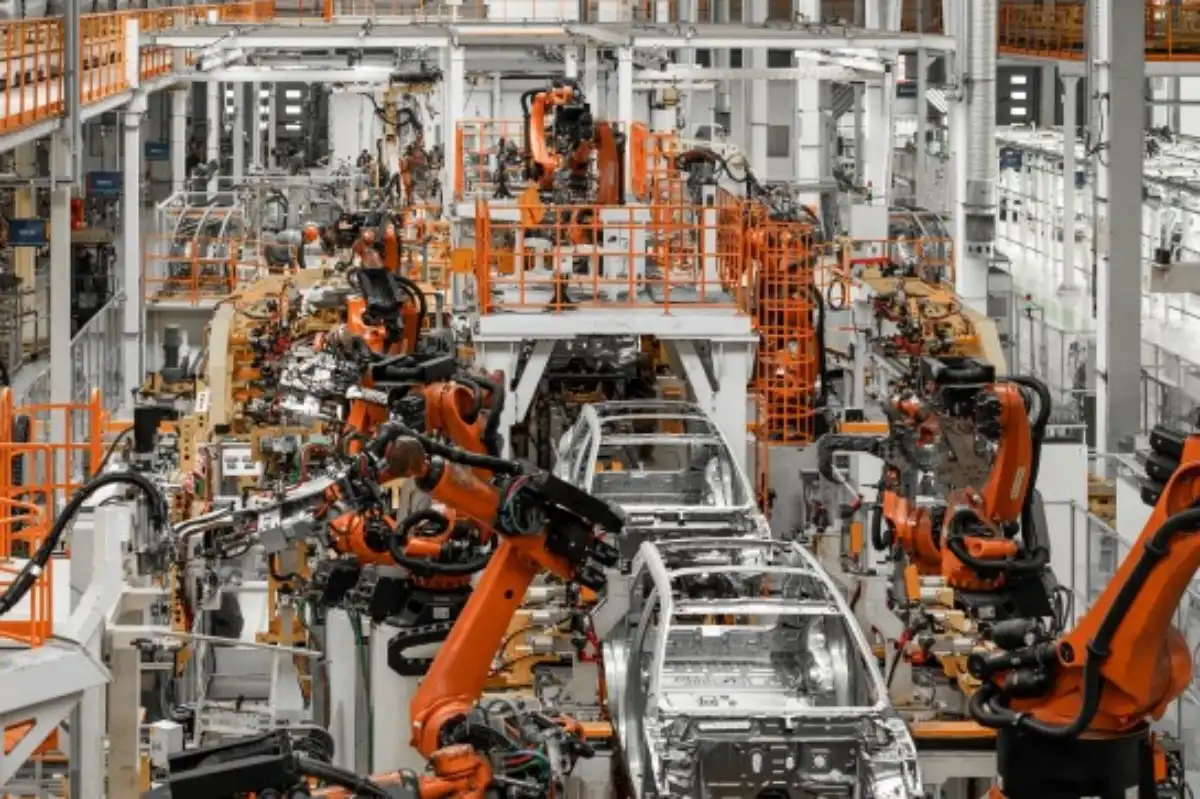
The Importance of CNC Turning in Aerospace Manufacturing
Precision and Complexity in Aerospace Components
CNC turning plays a fundamental part in aviation manufacturing since it conveys great tall exactness and the ability to machine complex component features with repeatable accuracy. The computer-controlled nature of the preparation permits engineers to accomplish complex geometries, fine subtle elements, and tight tolerances that are essential for flight security and by and large performance. From turning motor components to high-stress basic parts, CNC turning guarantees that each piece is delivered with reliable dimensional exactness. This unwavering quality bolsters the aviation industry's strict administrative prerequisites and contributes to upgraded usefulness and long-term durability.
Material Versatility in Aerospace CNC Turning
The aviation segment depends on a wide range of specialized materials, and CNC turning is exceedingly versatile to these differing necessities. The handle can proficiently machine aluminum, titanium, stainless steel, nickel-based superalloys, and other high-strength materials commonly utilized in airplane structures, propulsion systems, and landing adapt assemblies. This flexibility empowers producers to optimize execution characteristics such as strength-to-weight proportion, weariness resistance, and warm soundness. By using progressive materials while maintaining accuracy, CNC turning makes a difference. Engineers plan components that meet rigorous aviation benchmarks and bolster progressed productivity over present day flying machine platforms.
Efficiency and Cost-effectiveness in Production
CNC turning gives critical benefits in both generation effectiveness and cost-effectiveness for aviation applications. Robotization diminishes manual inclusion, reduces the risk of errors, and permits persistent, dependable machining even in high-volume scenarios. The handle is too outlined to minimize fabric waste—a fundamental advantage when working with costly aerospace-grade metals like titanium and Inconel. Combined with speedier cycle times and optimized apparatus ways, CNC turning makes a difference for producers to accomplish lower by and large production costs without compromising quality. This adjustment of exactness, speed, and fabric effectiveness makes it a foundational innovation in today's aviation fabricating environment.
Why UK Aerospace Teams Choose Chinese CNC Turning Services
Advanced Technology and Expertise
Chinese CNC turning benefit suppliers, including companies like BOEN Prototype, have made considerable investments in progressed machinery, automation systems, and highly prepared specialized groups. This center on innovative capability empowers them to oversee complicated aviation components that require tight tolerances, complex geometries, and amazing surface quality. UK aviation groups benefit from getting to to cutting-edge CNC turning centers prepared with multi-axis capabilities, exactness measuring instruments, and steady handle controls. Such mastery guarantees steady execution over both model and generation stages, making Chinese suppliers solid accomplices for requesting aviation building tasks.
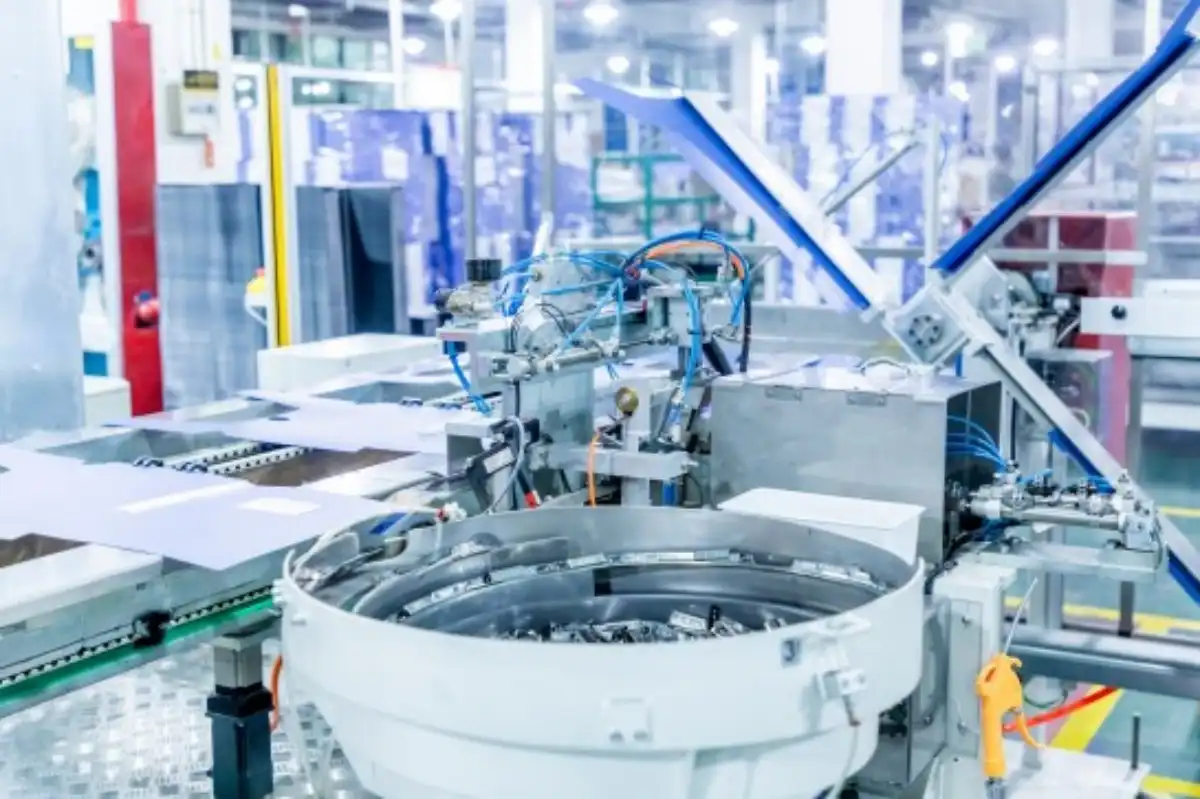
Cost-Effective Manufacturing Solutions
One of the most noteworthy reasons UK aviation groups select Chinese CNC turning services is the clear fetched advantage they offer in a competitive worldwide industry. Chinese producers estimate that it remains profoundly alluring while still keeping up strict quality guidelines adjusted with aviation desires. This adjustment between reasonableness and tried and true yield makes a difference. UK companies distribute budgets over the planning, testing, and certification stages. Cost-effectiveness is particularly profitable for long-term programs or ventures with tight money-related imperatives, where decreasing manufacturing costs without relinquishing execution contributes directly to made strides in general efficiency.
Scalability and Flexibility in Production
Chinese CNC turning suppliers are well known for their solid versatility and generation adaptability, which is especially imperative for the fast-moving aviation industry. Whether a UK aviation group requires a constrained group of models, building test units, or a move to full-scale generation, companies such as BOEN can alter workflows rapidly to meet advancing requirements. Their capacity to increase capacity, adjust plans, and coordinate plan modifications guarantees negligible disturbance. This versatility makes a difference; UK aviation companies react instantly to advertise shifts, administrative upgrades, or internal building changes without bringing about critical delays or extra operational costs.
Key Considerations When Choosing a Chinese CNC Turning Partner
Quality Assurance and Certifications
When selecting a Chinese CNC turning accomplice, UK aviation groups must put solid emphasis on quality assurance and demonstrated unwavering quality. Prioritizing suppliers with certifications such as ISO 9001 and AS9100 is basic, as these guidelines reflect a vigorous commitment to aerospace-focused quality administration frameworks. Past certifications, it is similarly critical to assess the partner's inner quality control strategies, including their assessment innovations, traceability frameworks, documentation strategies, and detailing precision. Understanding how they oversee and handle stability and confirm dimensional exactness makes a difference in guaranteeing that all conveyed components meet rigid aviation requirements.
Communication and Project Management
Effective communication is basic when collaborating with an abroad CNC turning provider. UK aviation firms ought to select a Chinese accomplice that keeps up clear, organized, and responsive communication channels throughout the whole venture lifecycle. Companies prepared with experienced English-speaking venture supervisors can superiorly arrange specialized points of interest, plan upgrades, and design modifications. Solid extend administration practices—such as breakthrough following, generation straightforwardness, and quick issue resolution—help avoid delays and errors. This level of coordination guarantees timelines are reliably met and that both parties keep up arrangement as the extend advances from prototyping to last delivery.
Technological Capabilities and Material Expertise
Evaluating the innovative capabilities of potential CNC turning accomplices is crucial for aviation applications that require exactness and progressed materials. Guarantee the provider works with advanced CNC apparatus able to accomplish tight tolerances, complex geometries, and steady repeatability over production runs. Furthermore, their involvement with aerospace-grade materials—such as titanium combinations, Inconel, stainless steels, and high-strength aluminum—is a pivotal advantage. An accomplice with profound fabric information can give direction with respect to machining procedures, instrument choice, warm treatment, and taken a toll optimization. Their ability contributes directly to making strides in component execution, fabricating proficiency, and long-term venture success.
Conclusion
UK aviation groups looking for high-quality CNC turning services can discover amazing accomplices in China. The combination of progressed innovation, cost-effectiveness, and skill advertised by Chinese producers like BOEN Prototype makes them an appealing choice for aviation ventures. By carefully considering variables such as quality affirmation, communication, and mechanical capabilities, UK groups can build up fruitful associations that upgrade their manufacturing capabilities and competitiveness in the global aviation industry.

FAQs
What materials can be used in CNC turning for aerospace components?
CNC turning can work with various aerospace-grade materials, including aluminum alloys, titanium, stainless steel, and high-strength alloys like Inconel.
How does CNC turning benefit aerospace manufacturing?
CNC turning offers high precision, complex geometries, material versatility, and cost-effectiveness, all crucial for aerospace components.
What certifications should I look for in a Chinese CNC turning provider?
Look for ISO 9001 and AS9100 certifications, which are specific to quality management in the aerospace industry.
Expert CNC Turning Services for UK Aerospace Teams | BOEN
BOEN Prototype is your trusted partner for high-precision CNC turning services tailored to UK aerospace needs. As a leading manufacturer and supplier, we offer cutting-edge technology, material expertise, and rigorous quality control. Our dedicated team ensures seamless communication and project management, delivering aerospace components that meet the highest standards. Experience the BOEN difference in CNC turning – contact us at contact@boenrapid.com to discuss your next project.
References
Smith, J. (2022). Advanced Manufacturing in Aerospace: Trends and Technologies. Aerospace Engineering Journal, 45(2), 112-128.
Johnson, R. (2021). Global Supply Chains in Aerospace Manufacturing. International Journal of Aviation Management, 18(3), 301-315.
Chen, L. (2023). CNC Turning Advancements for Aerospace Applications. Journal of Precision Engineering, 37(1), 55-70.
Brown, A. (2022). Quality Assurance in Aerospace Manufacturing: A Comprehensive Guide. Aerospace Quality Management Review, 29(4), 412-427.
Davis, M. (2021). Cost-Effective Strategies in Aerospace Component Production. Journal of Aerospace Economics, 14(2), 189-204.
Wilson, E. (2023). International Collaborations in Aerospace Manufacturing. Global Aerospace Business Review, 52(1), 78-93.